Artwork
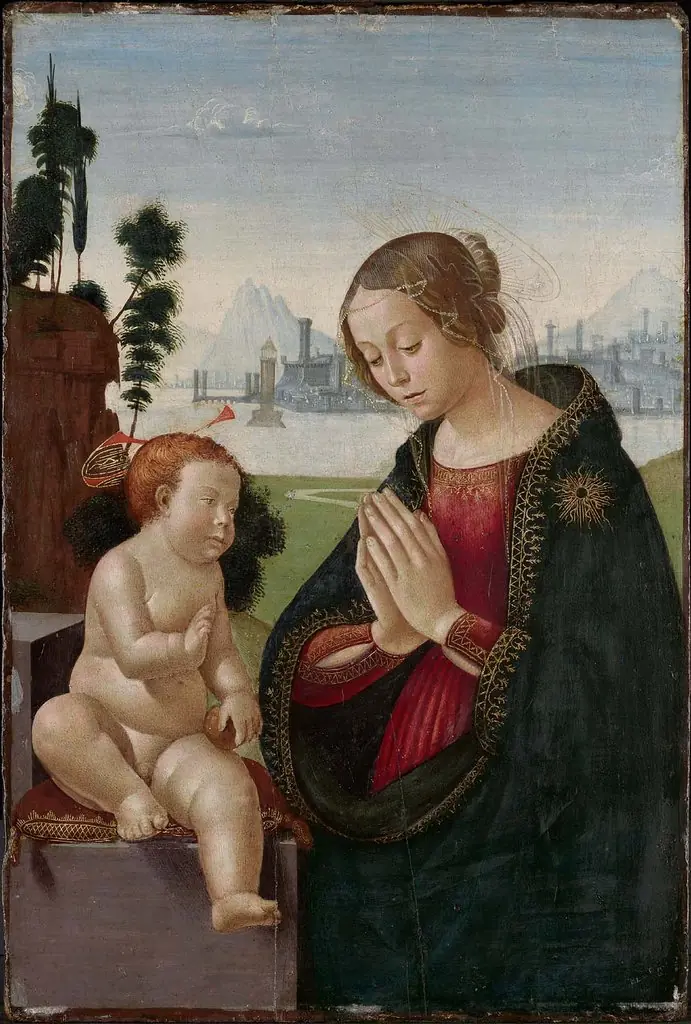
Virgin adoring the Child
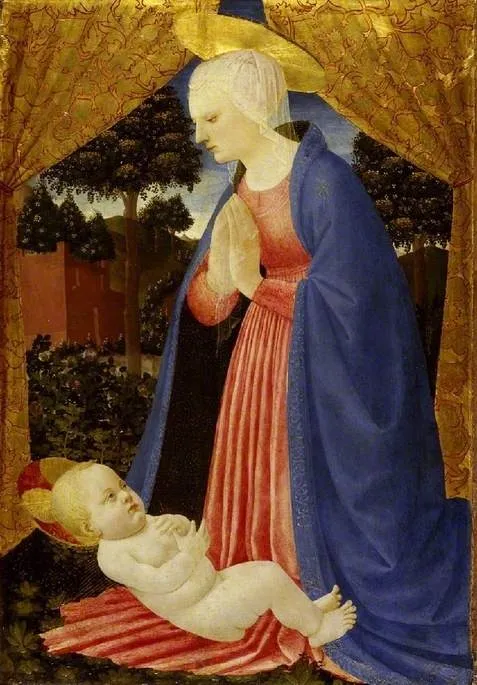
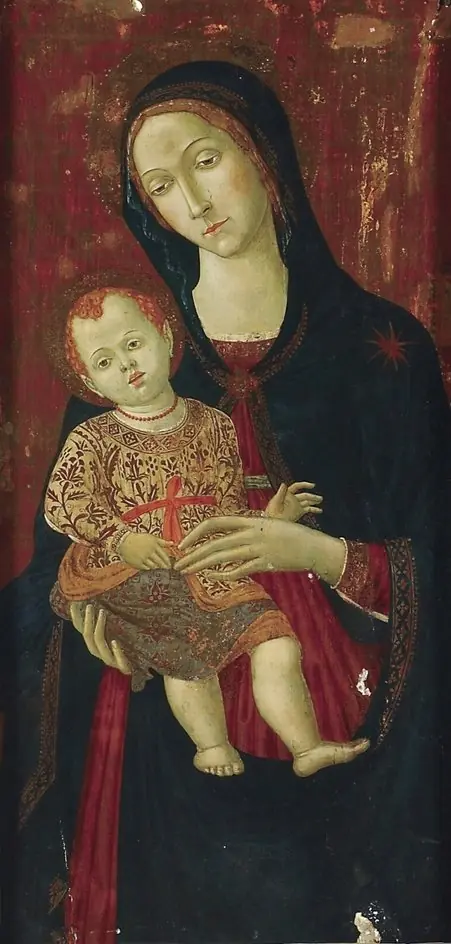
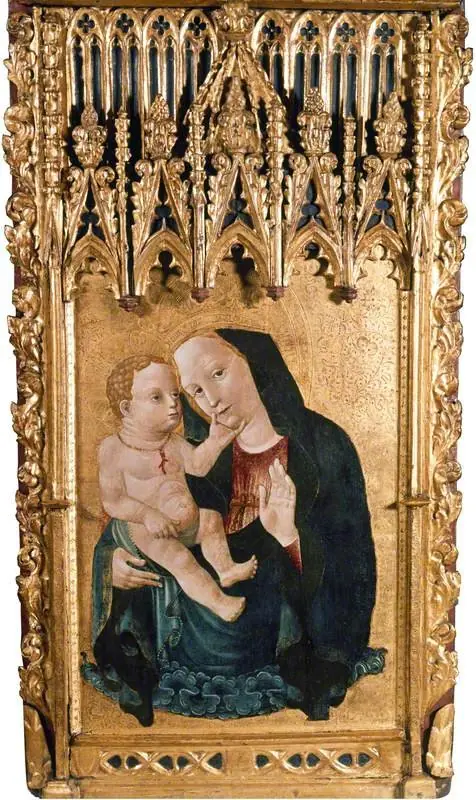
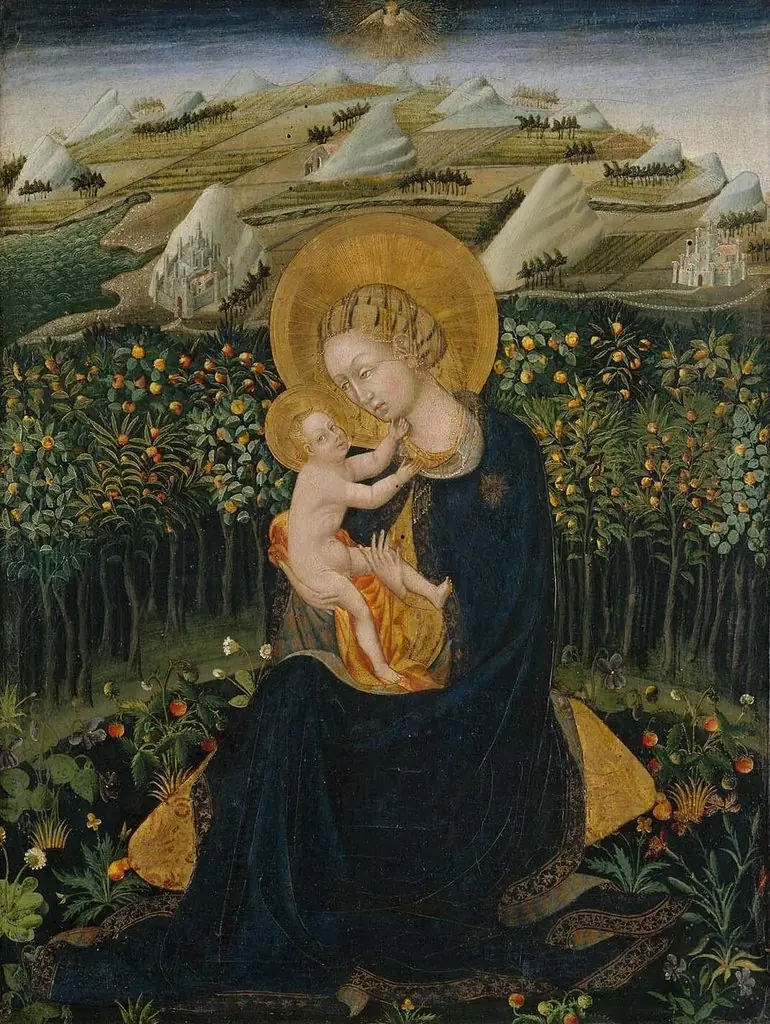
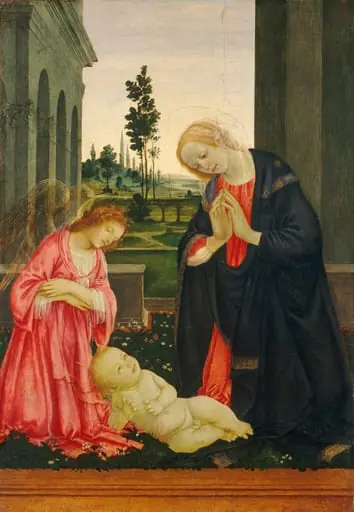
Virgin adoring the Child is an unspecified painting by Master of the Nativity of Castello. It dates from 1460 and is held in the collection of the Fitzwilliam Museum. Created around 1460, this panel painting presents a devotional scene of the Virgin Mary kneeling before the infant Christ.
About this work
Overview
Created around 1460, this panel painting presents a devotional scene of the Virgin Mary kneeling before the infant Christ. The composition reflects the intimate, contemplative tone typical of mid‑15th‑century Florentine religious art and is now part of the Fitzwilliam Museum’s collection.
Subject & Meaning
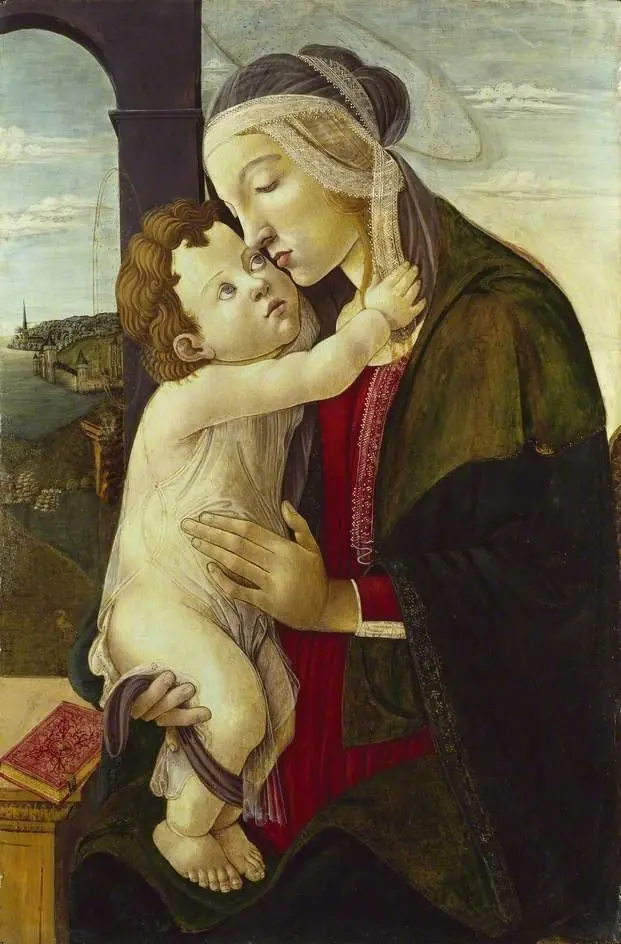
The work portrays Mary in a blue mantle over a pink dress, her hands clasped in prayer as she gazes tenderly at the sleeping child. The infant lies on his back, head turned slightly, his serene expression emphasizing the theme of maternal devotion and the divine innocence of the Christ Child.
Technique & Style
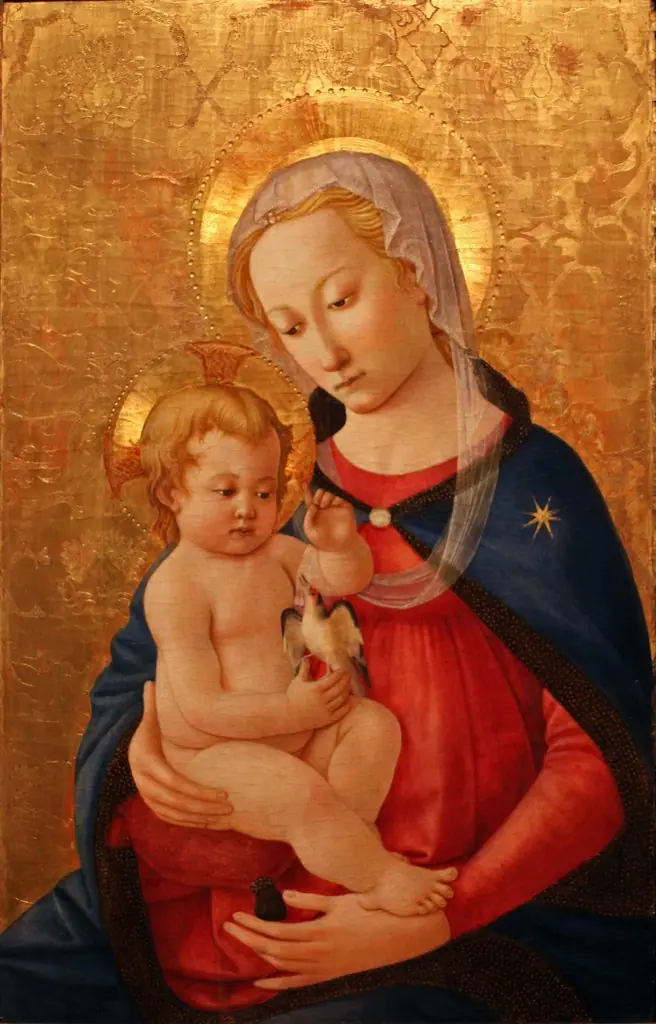
Executed by the anonymous Master of the Castello Nativity, the painting shows the influence of Fra’ Filippo Lippi’s workshop in Prato. Soft modeling of flesh, delicate drapery folds, and a gentle color palette convey a lyrical quality, while the garden backdrop with trees and flowers adds a subtle naturalistic setting.
History & Provenance
The artist, active in the mid‑1400s, is known chiefly through works linked to the Castello Nativity group. The panel entered the Fitzwilliam Museum’s holdings in the 20th century, though earlier ownership records are sparse, reflecting the typical trajectory of small devotional pieces from private chapels to museum collections.
Artist & collection
Artist
Master of the Nativity of Castello
The Master of the Castello Nativity was an Italian religious artist of the mid-15th century. He was a follower of Fra' Filippo Lippi and was probably employed at his workshop in Prato.