Artwork
Saints Giusto and Clemente Multiplying the Grain of Volterra
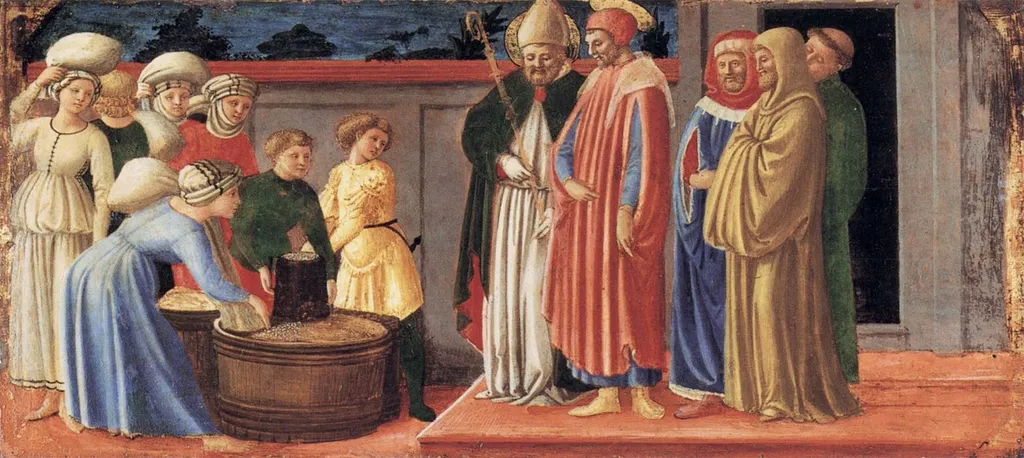
Saints Giusto and Clemente Multiplying the Grain of Volterra is an unspecified painting by the Early Renaissance artist Master of the Nativity of Castello. It dates from 1450 and is held in the collection of the Philadelphia Museum of Art.
About this work
Overview
Saints Giusto and Clemente Multiplying the Grain of Volterra is a mid-15th-century painting attributed to the Master of the Nativity of Castello, a lesser-known Italian artist influenced by Fra' Filippo Lippi. Created circa 1450, it exemplifies early Renaissance religious art and is now part of the Philadelphia Museum of Art's collection.
Subject & Meaning
The painting depicts a serene religious scene set in a courtyard, where figures in robes engage in quiet activities.
The painting depicts a serene religious scene set in a courtyard, where figures in robes engage in quiet activities. A woman tends to a large container, possibly washing, while a man in a red robe oversees. The specific biblical or hagiographical narrative is not explicitly identified in available information, but the title suggests a miraculous event of grain multiplication attributed to the saints.
Technique & Style
Characterized by muted colors with dominant shades of blue, red, and yellow, the work reflects the early Renaissance style. The composition features everyday activities set against a architectural backdrop, hinting at the artist's training possibly in Lippi’s workshop in Prato, though the specific techniques (e.g., medium, brushwork) are not detailed in the provided context.
History & Provenance
Attributed to the Master of the Nativity of Castello, a follower of Fra' Filippo Lippi, the painting's creation is dated to around 1450. Its provenance prior to its acquisition by the Philadelphia Museum of Art is not specified in the given information.
Context
This work belongs to the early Renaissance, a period of revival in classical influences and religious themes in Italian art. The artist's association with Lippi’s workshop in Prato situates the piece within a broader Florentine artistic tradition of the time.
Legacy
The painting's legacy is not extensively detailed in the provided information, suggesting it may not be among the most prominently studied or exhibited works of the early Renaissance. Its value lies in representing the output of lesser-known artists from the period and the stylistic influences of more renowned figures like Lippi.
Artist & collection
Artist
Master of the Nativity of Castello
The Master of the Castello Nativity was an Italian religious artist of the mid-15th century. He was a follower of Fra' Filippo Lippi and was probably employed at his workshop in Prato.

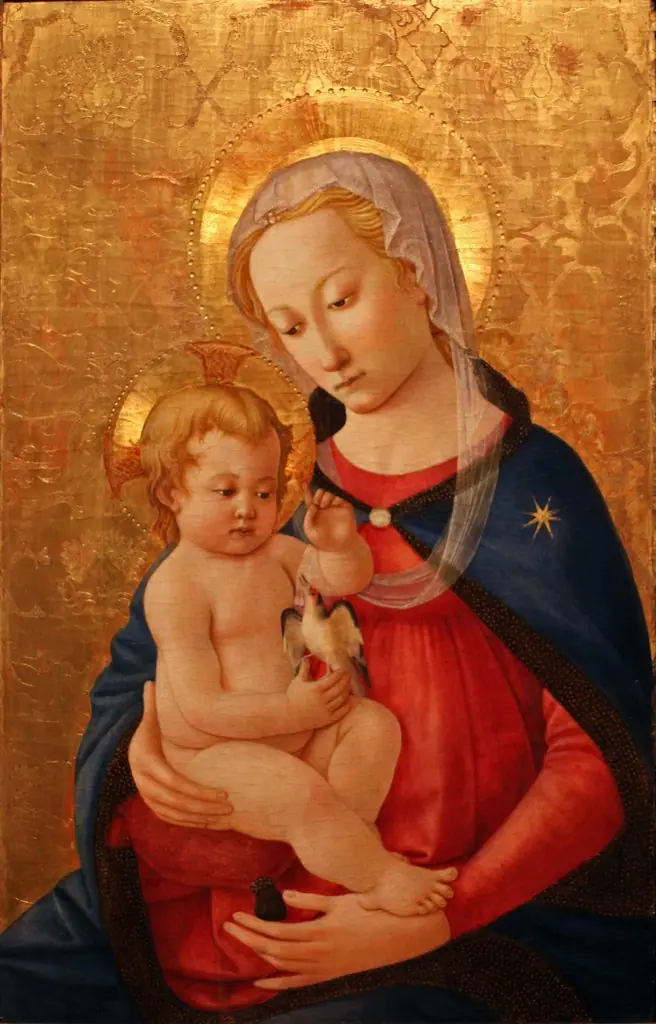
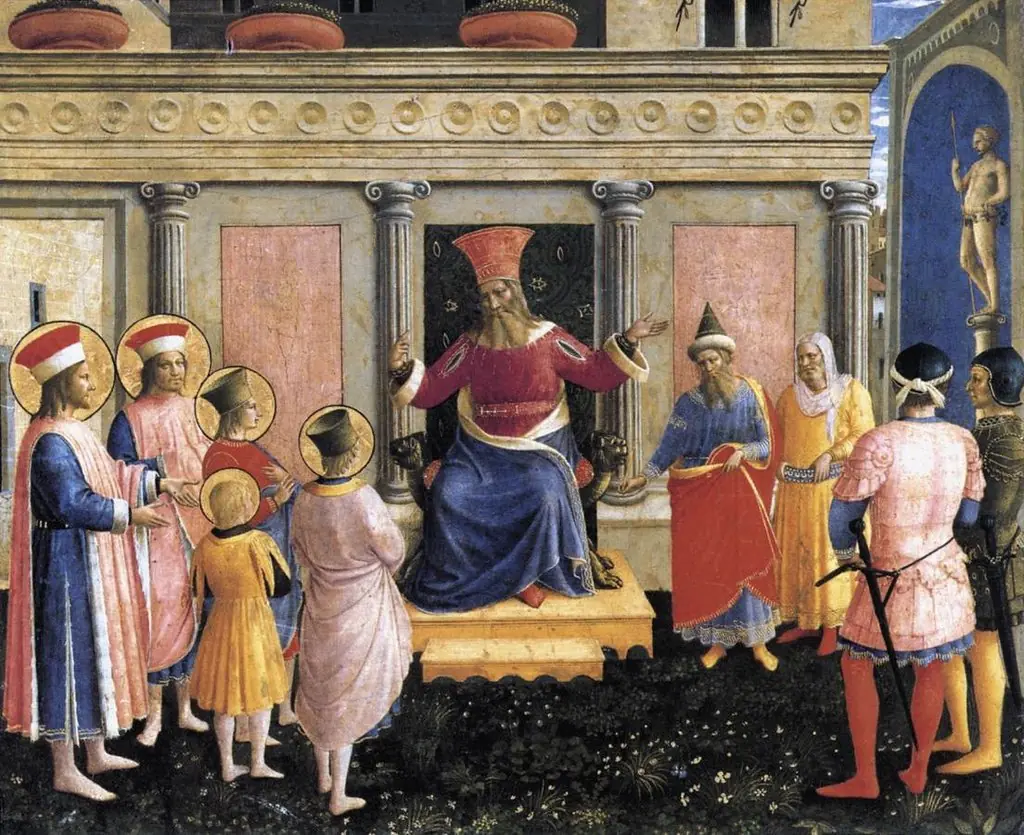 The Saints Cosmas and Damian with their Brothers before the Proconsul Lysias
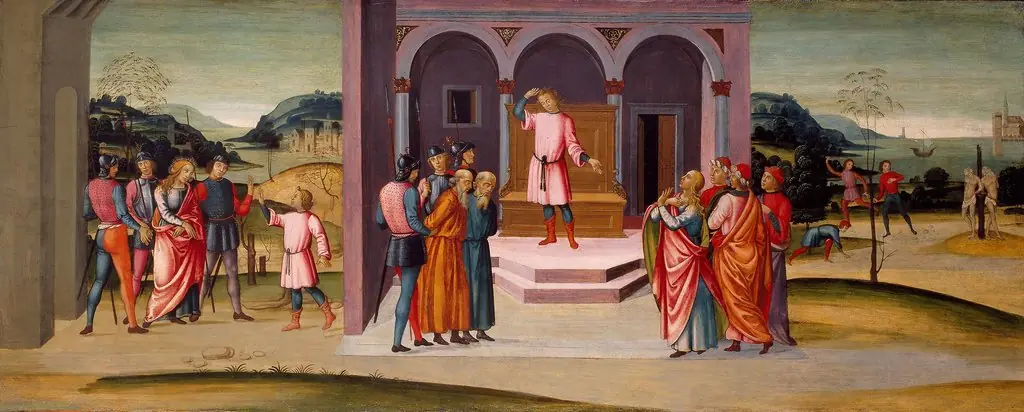 Daniel Saving Susanna, the Judgment of Daniel, and the Execution of the Elders
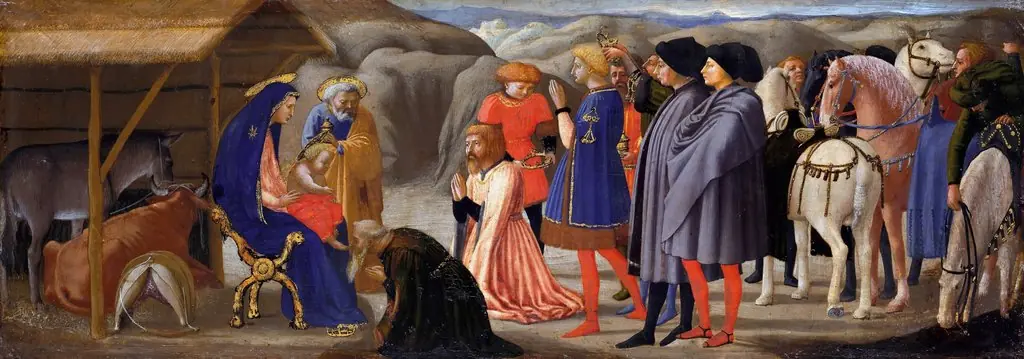 The Adoration of the Magi
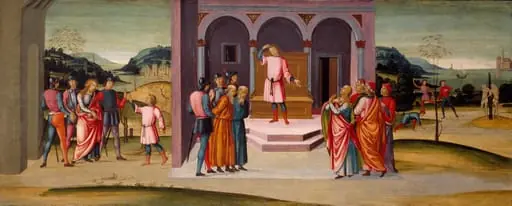 Daniel Saving Susanna, the Judgment of Daniel, and the Execution of the Elders
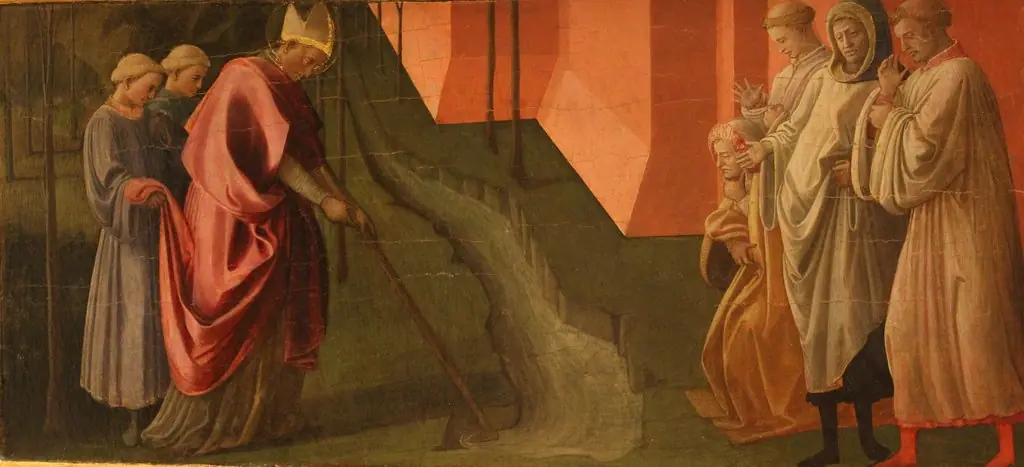 St Fredianus Diverts the River Serchio
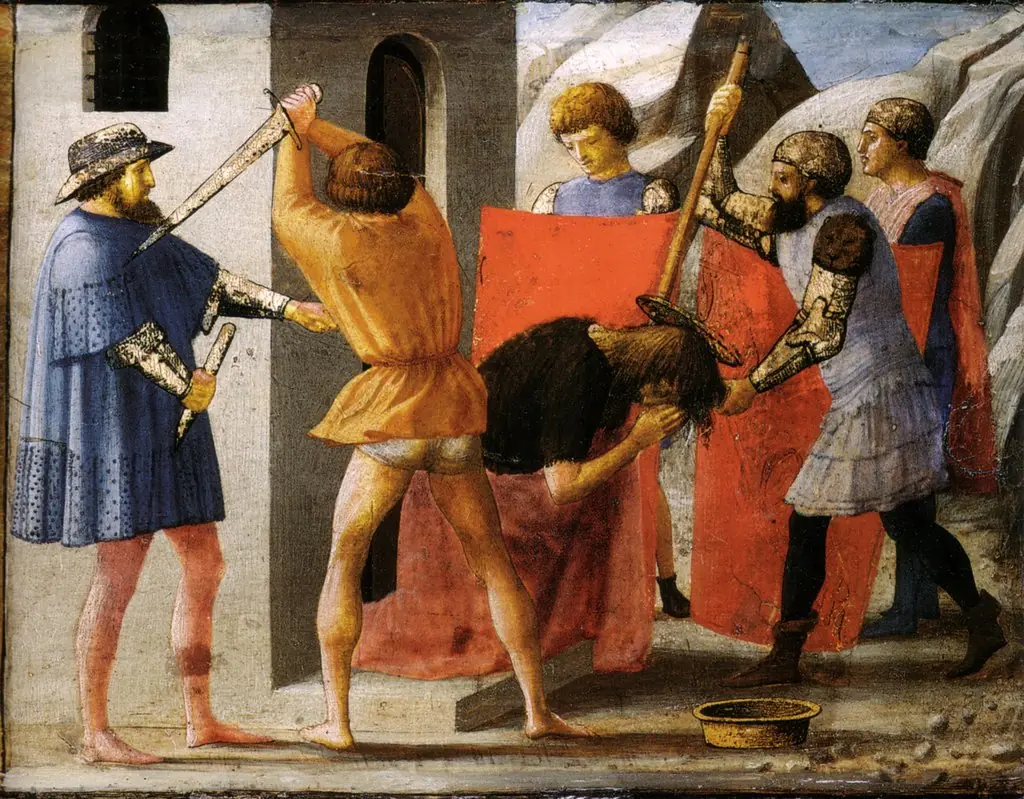 The Decapitation of Saint John the Baptist
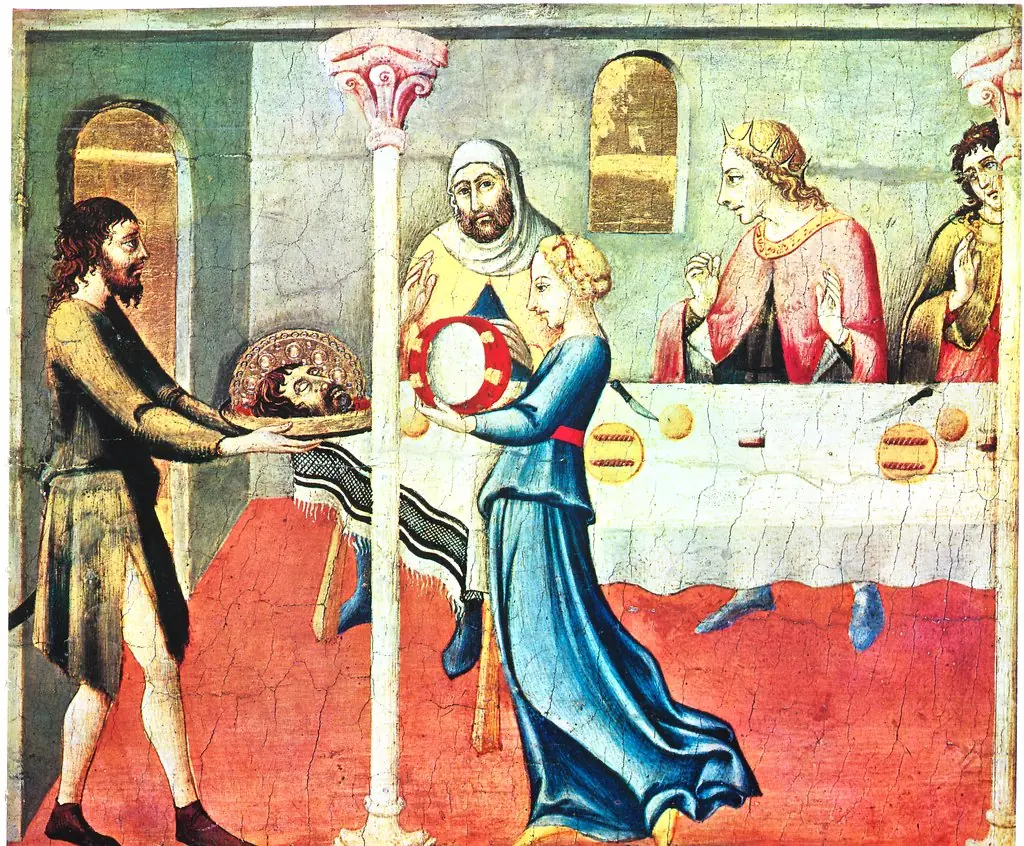 The Dance of Salome
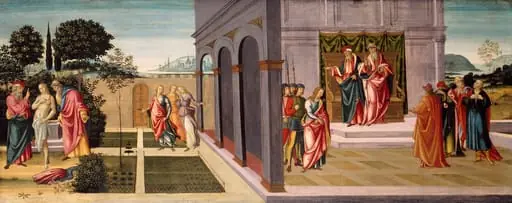 Susanna and the Elders in the Garden, and the Trial of Susanna before the Elders
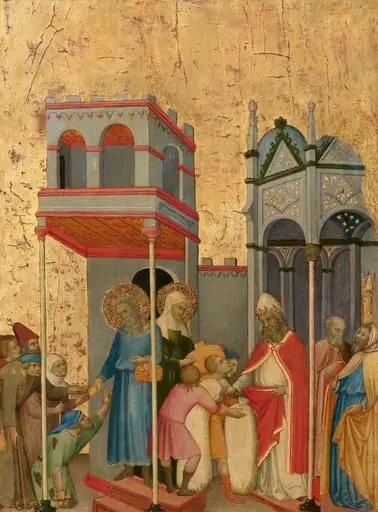 Joachim and Anna Giving Food to the Poor and Offerings to the Temple
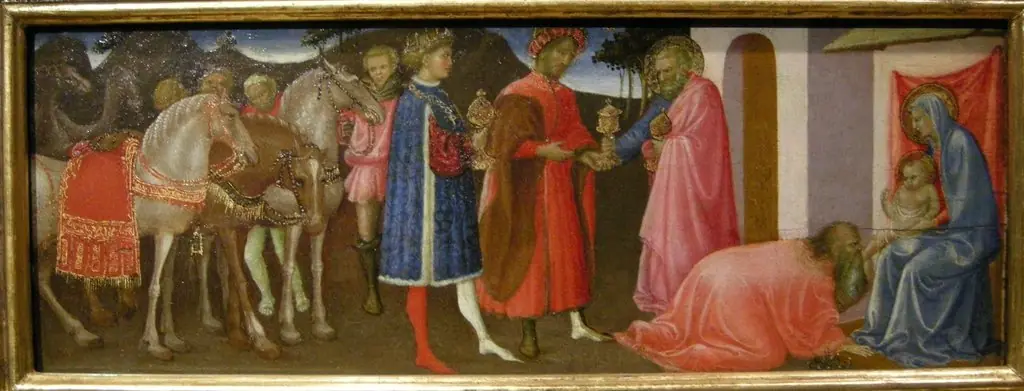 The adoration of the Magi
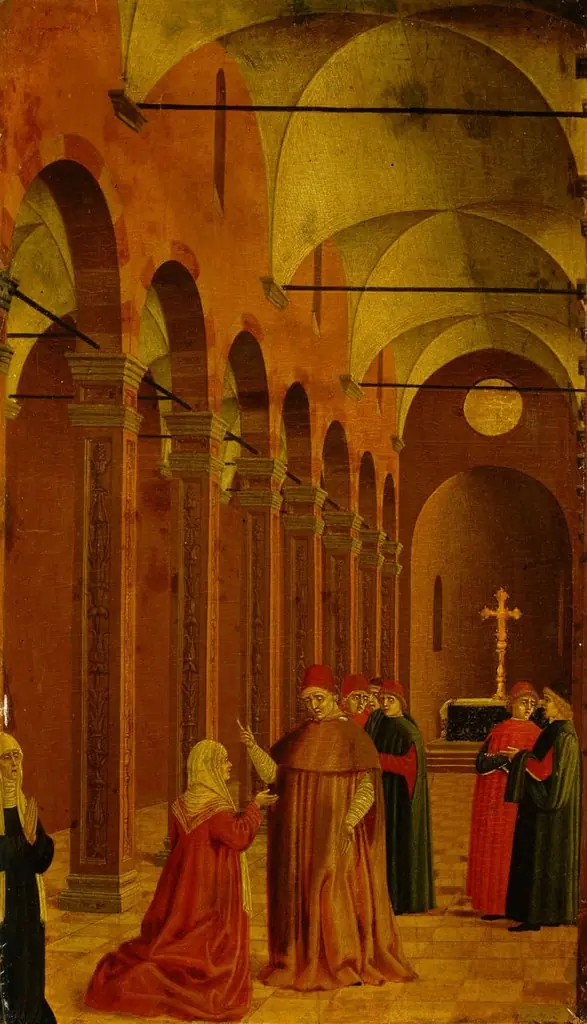 Szene aus dem Leben des Hl. Vinzenz Ferrer: Die Mutter des Heiligen fragt den Bischof von Valencia nach dem Sinn der wunderbaren Zeichen, die die Geburt ihres Kindes ankündigen