Artwork
The Virgin and Child with two Saints and two Angels
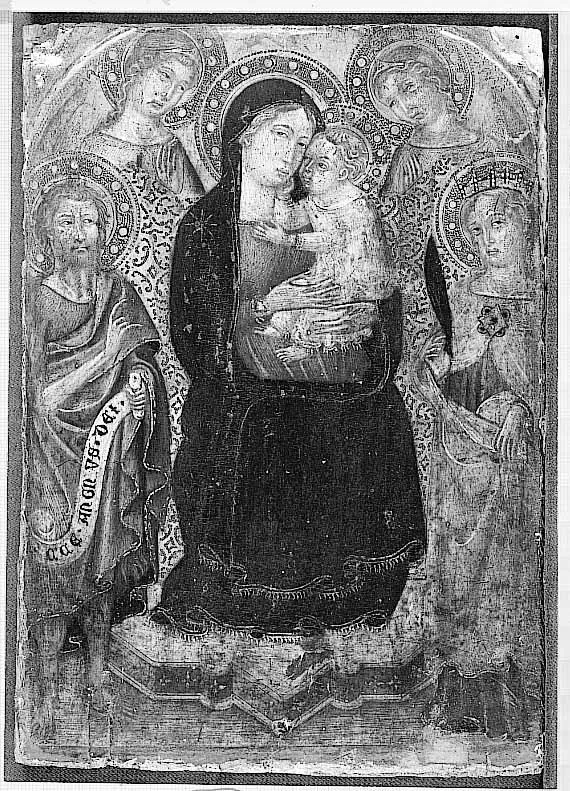
The Virgin and Child with two Saints and two Angels is a paint painting by the Byzantine icon painting artist Master of the Panzano Triptych. It dates from 1375 and is held in the collection of the Gemäldegalerie Berlin.
About this work
Overview
The Virgin and Child with two Saints and two Angels is a 14th-century religious painting created around 1375 by the Master of the Panzano Triptych. The work is now part of the collection at the Gemäldegalerie Berlin.
Subject & Meaning
The painting centers on the Virgin Mary, depicted in a dark robe and head covering, holding the Christ Child. She is accompanied by two saints on either side and two angels above, conveying a scene of reverence and divine protection.
Technique & Style
Characterized by intricate background patterns, the painting contrasts the Virgin's somber attire with the lighter tones of the Child and surrounding figures. The figures' expressions remain discernible despite the worn state of the painting's details.
History & Provenance
Created in 1375, the painting's history prior to its acquisition by the Gemäldegalerie Berlin is not detailed here. It is attributed to the Master of the Panzano Triptych, a designation based on the artist's known work.
Context
This work exemplifies late medieval religious art, likely intended for devotional or liturgical use. The artist's style reflects the transitional period between Gothic and early Renaissance influences prevalent in 14th-century European painting.
Legacy
While specific impact or influence of this painting on later art is not highlighted, it contributes to the broader understanding of the Master of the Panzano Triptych's oeuvre and the artistic trends of its time.
Artist & collection
Artist
Master of the Panzano Triptych
This anonymous Italian painter from the late 1300s crafted devotional panels full of gold leaf and deep, flat colors.

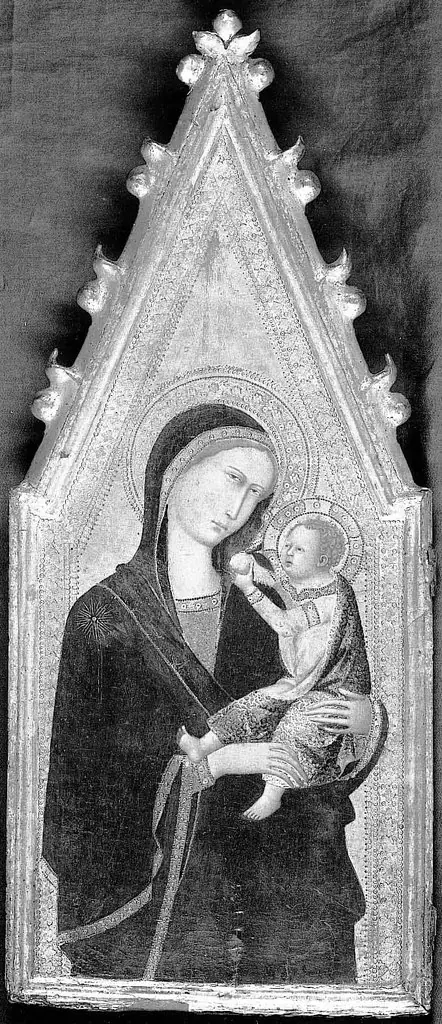 The Virgin and Child
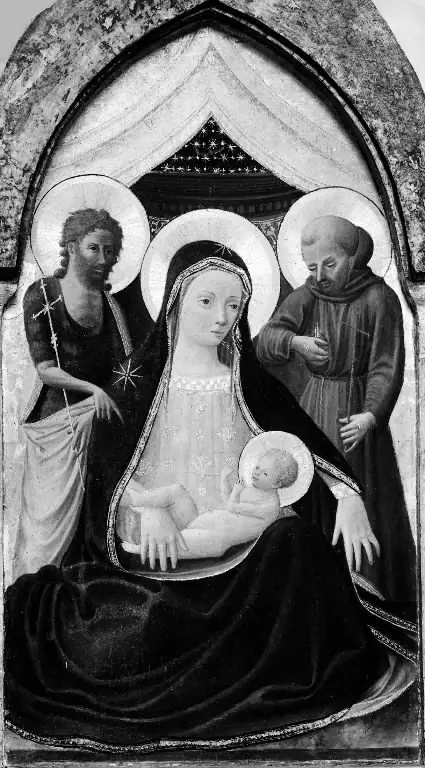 Virgin and Child with Saints
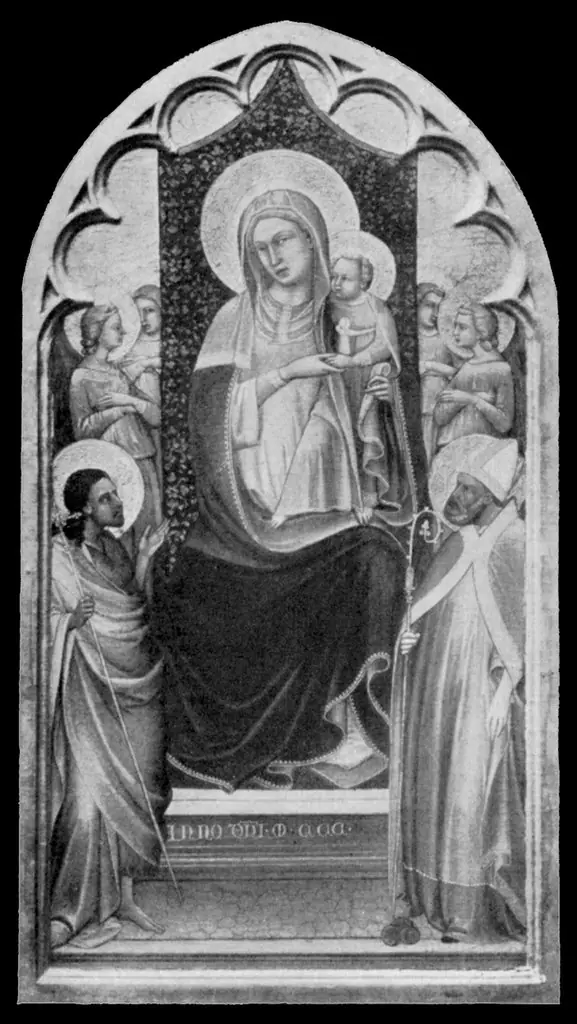 Madonna and Child with Saints John the Baptist and Nicholas
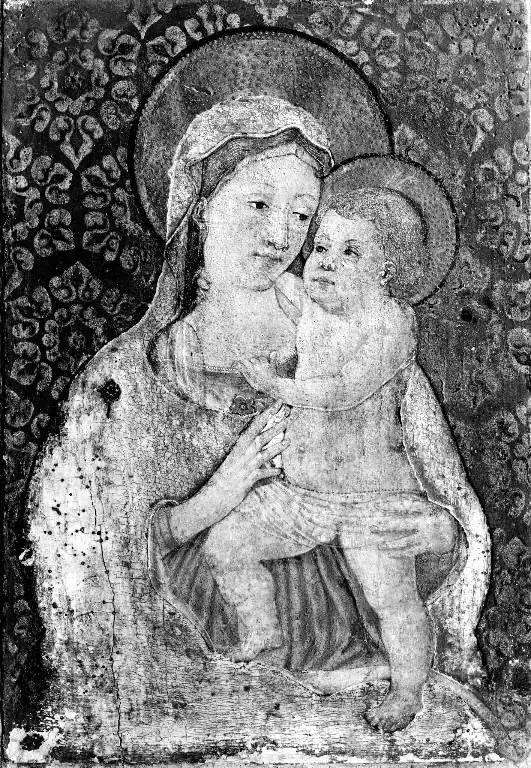 The Virgin and Child
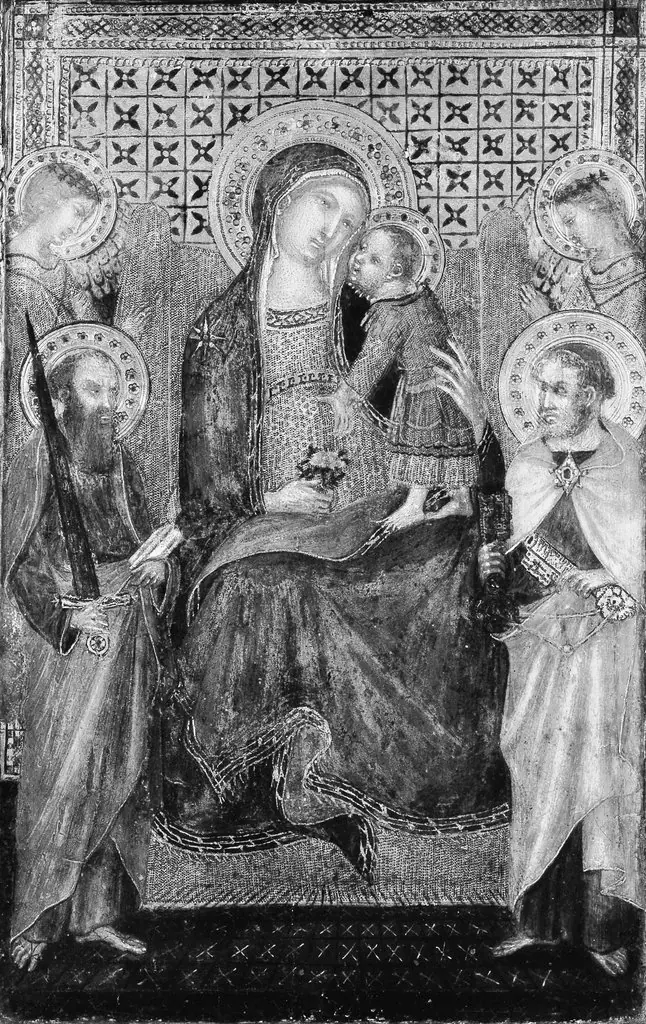 Madonna and Child Enthroned with Saints Peter and Paul and Angels
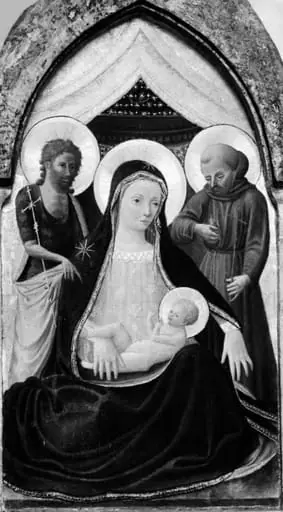 Virgin and Child with Saints
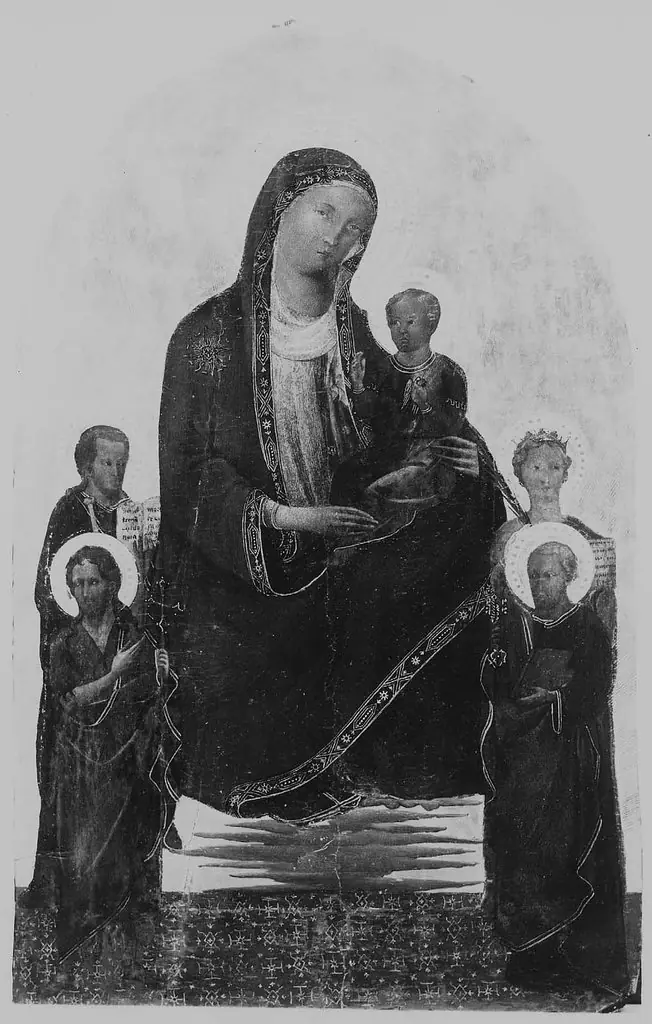 Virgin and Child with Saints John the Baptist, James, Peter, and a Virgin Martyr (Catherine?)
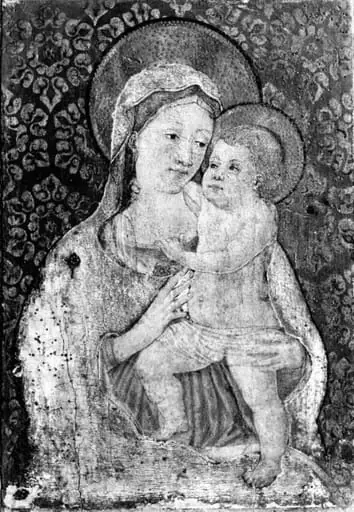 The Virgin and Child
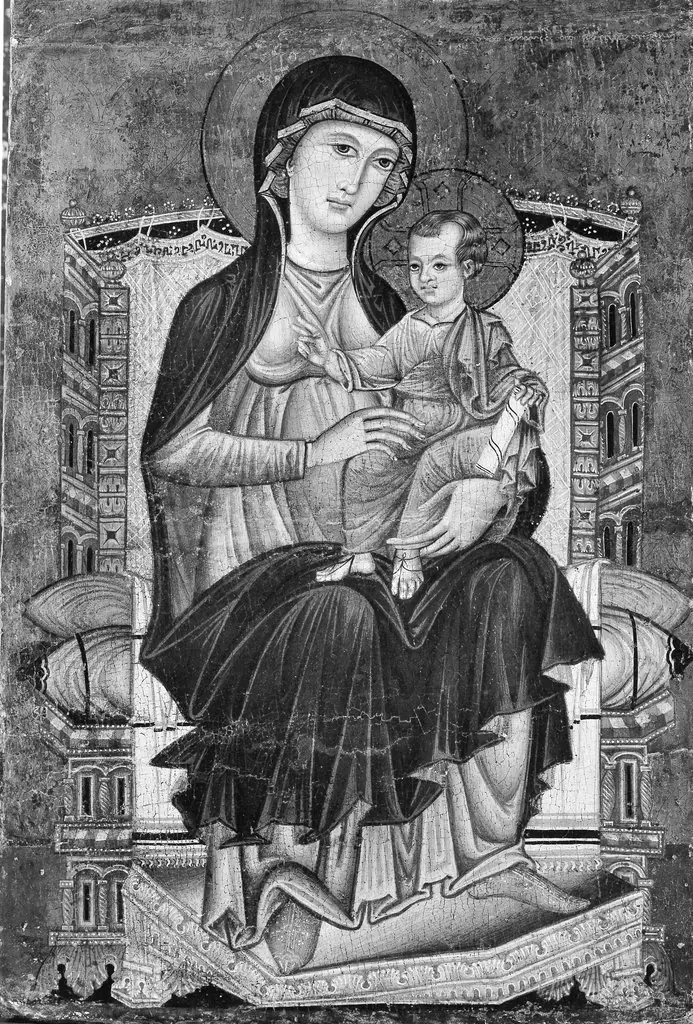 Madonna and Child Enthroned
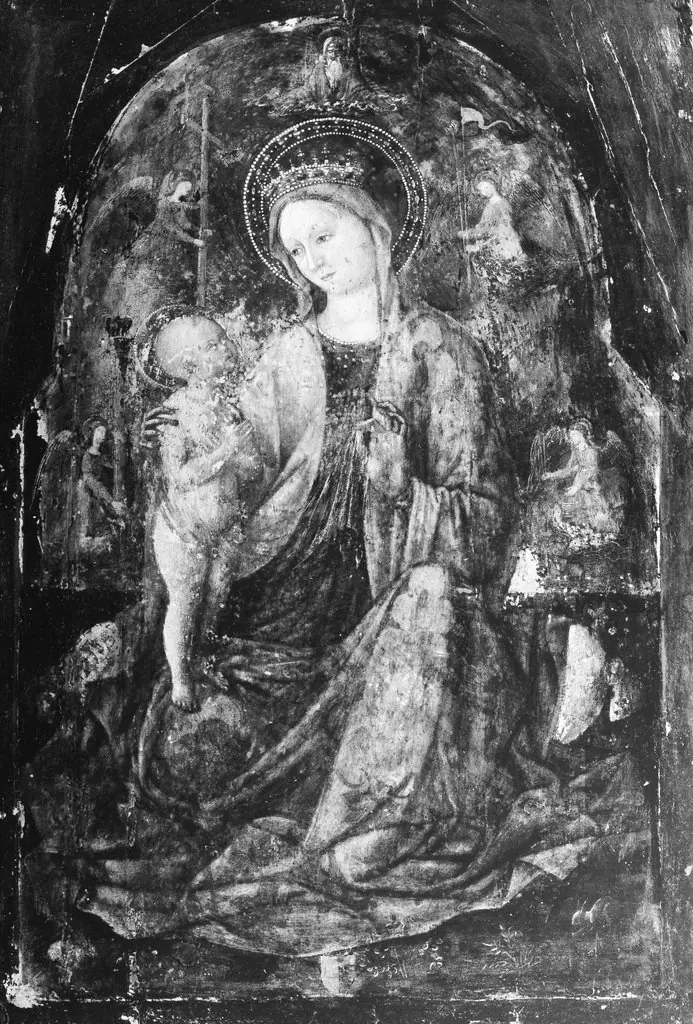 Madonna and Child