Artwork
Lot and his Daughters
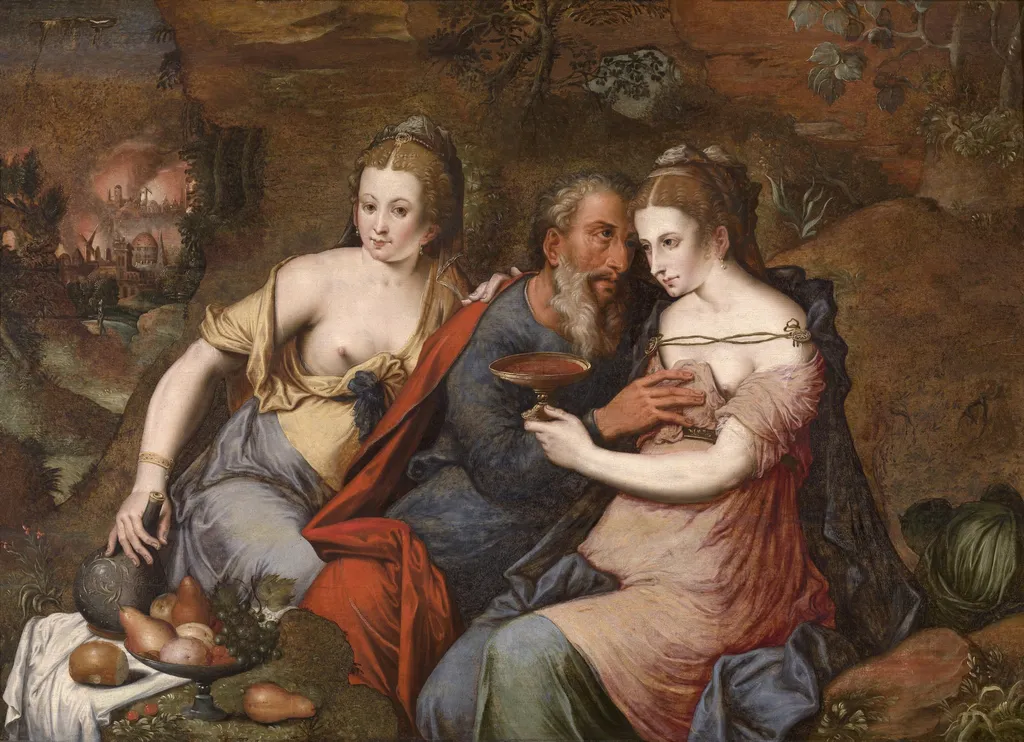
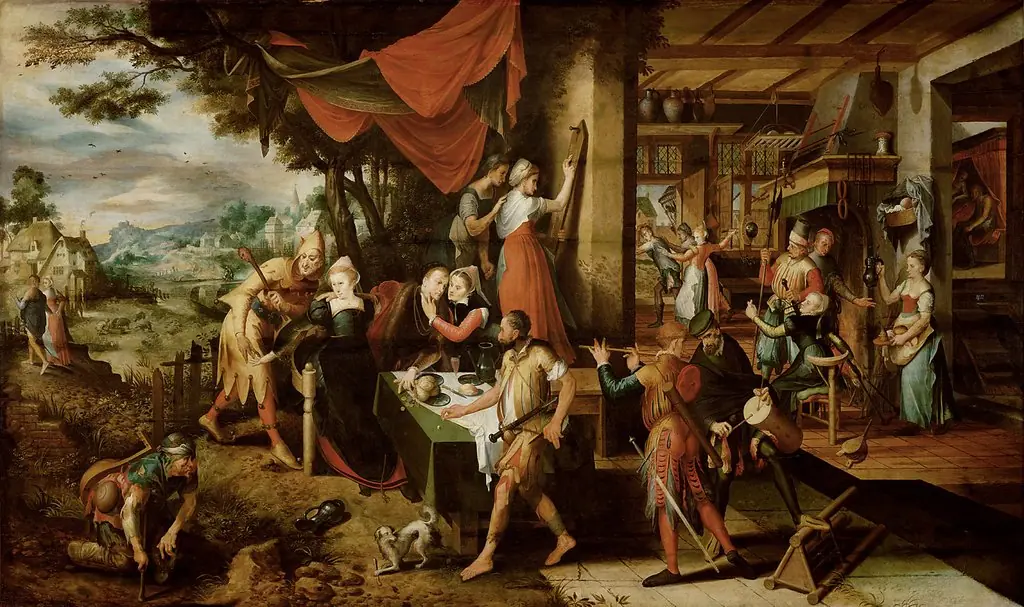
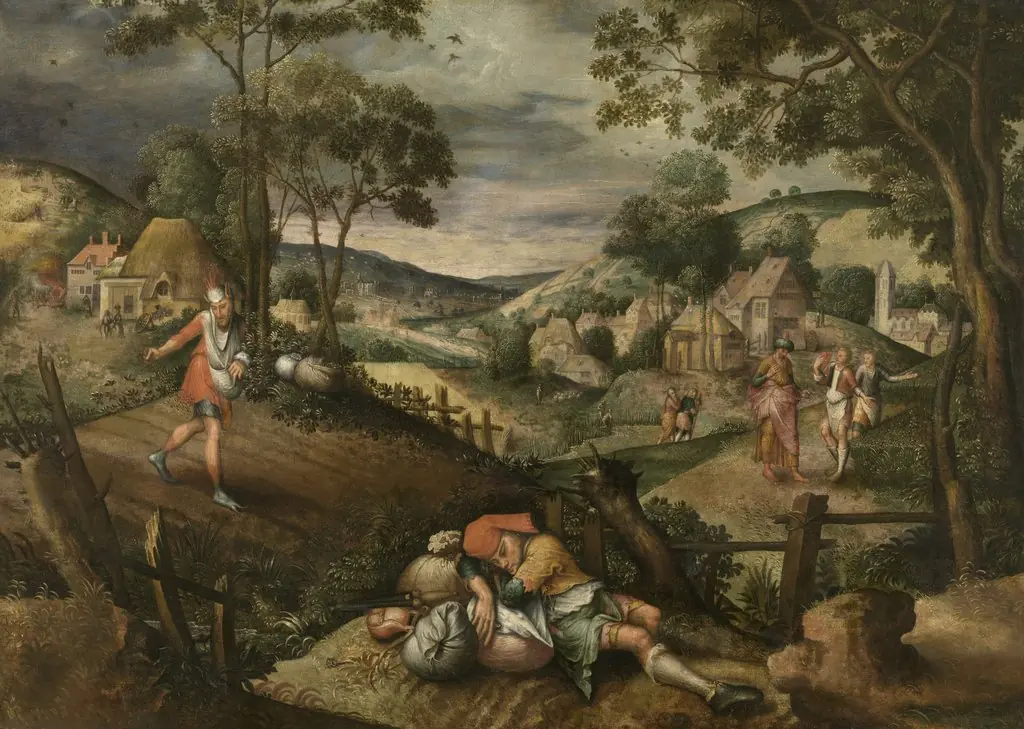
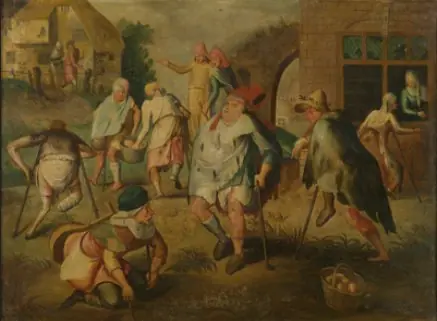
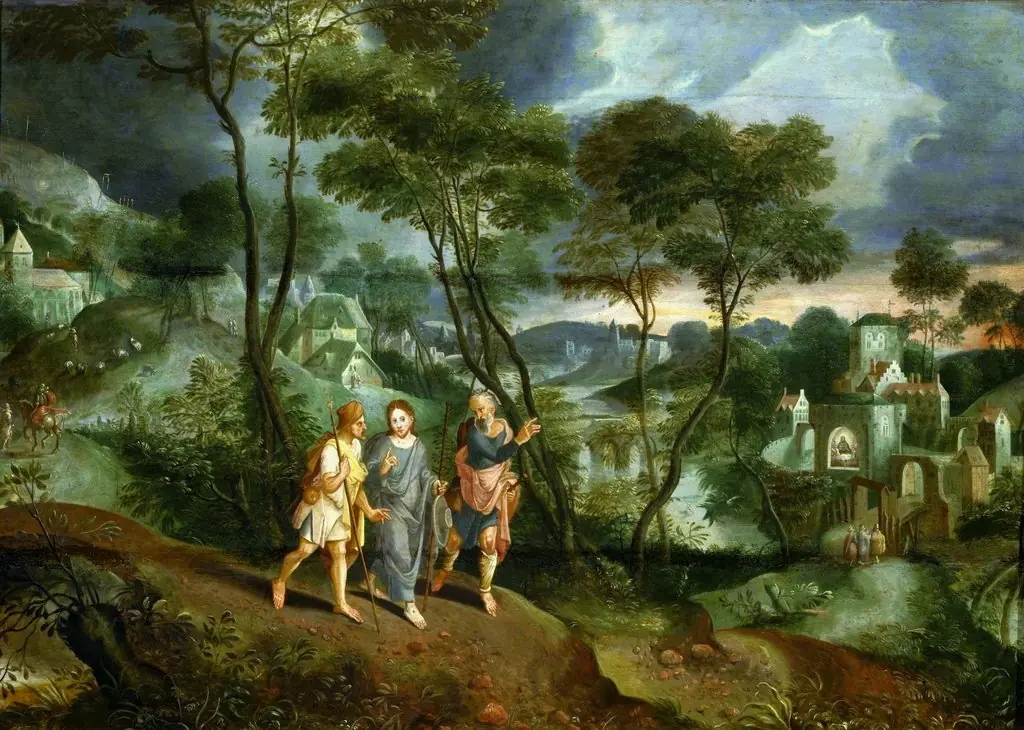
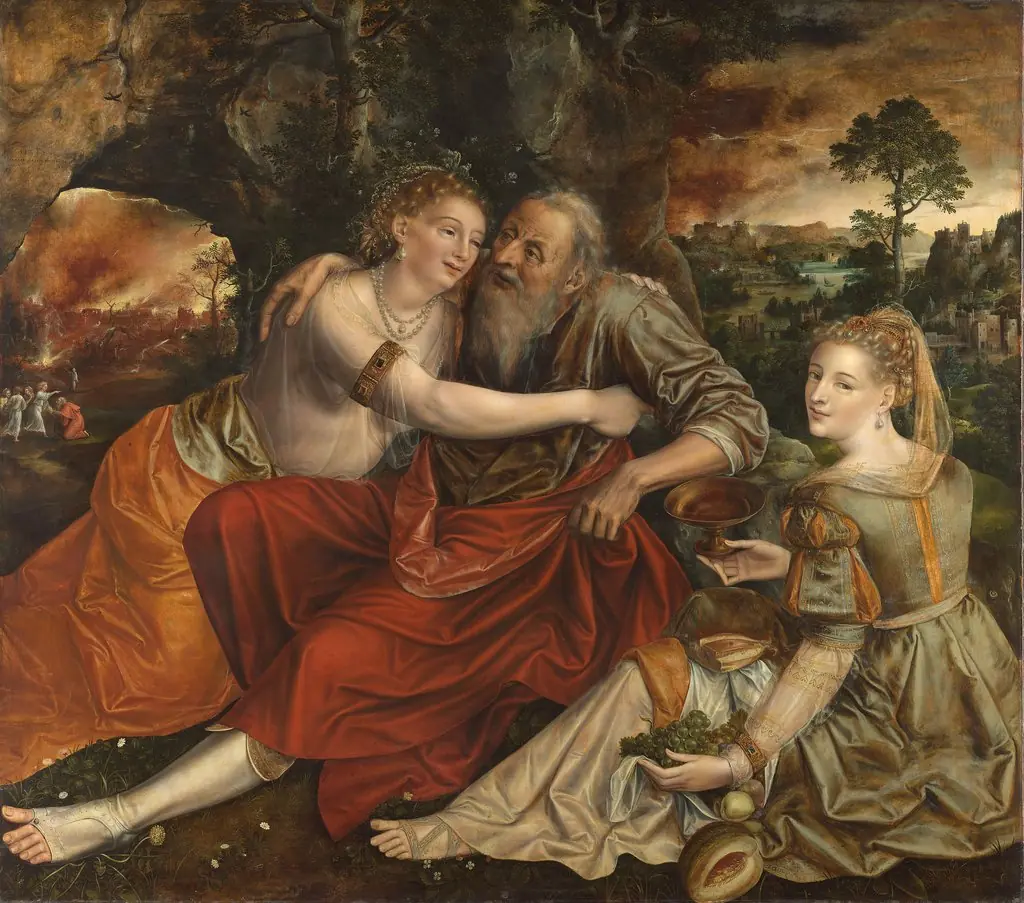
Lot and his Daughters is an oil painting by the Early Baroque Italian artist Master of the Prodigal Son. It dates from 1563 and is held in the collection of the Royal Museum of Fine Arts Antwerp.
About this work
Overview
The painting resides today in the Royal Museum of Fine Arts Antwerp.
Painted in 1563, this oil-on-panel work portrays the biblical story of Lot and his daughters, attributed to the Master of the Prodigal Son, an anonymous Flemish painter active in Antwerp. The artist, known for religious narratives and allegorical scenes, operated a sizable workshop and contributed significantly to the development of Flemish Mannerism during the mid-16th century. The painting resides today in the Royal Museum of Fine Arts Antwerp.
Subject & Meaning
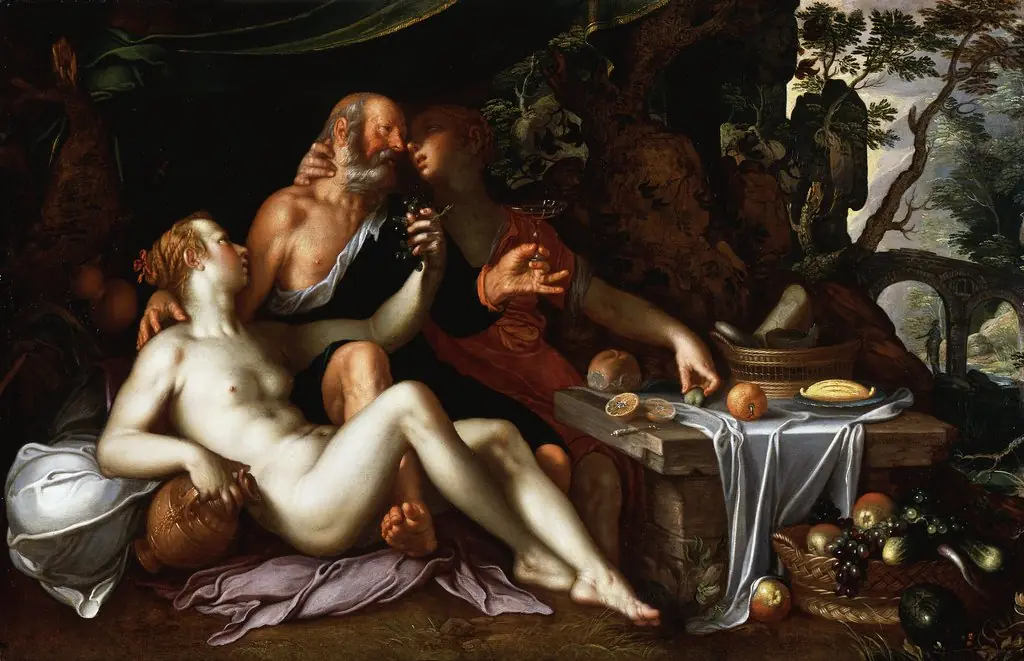
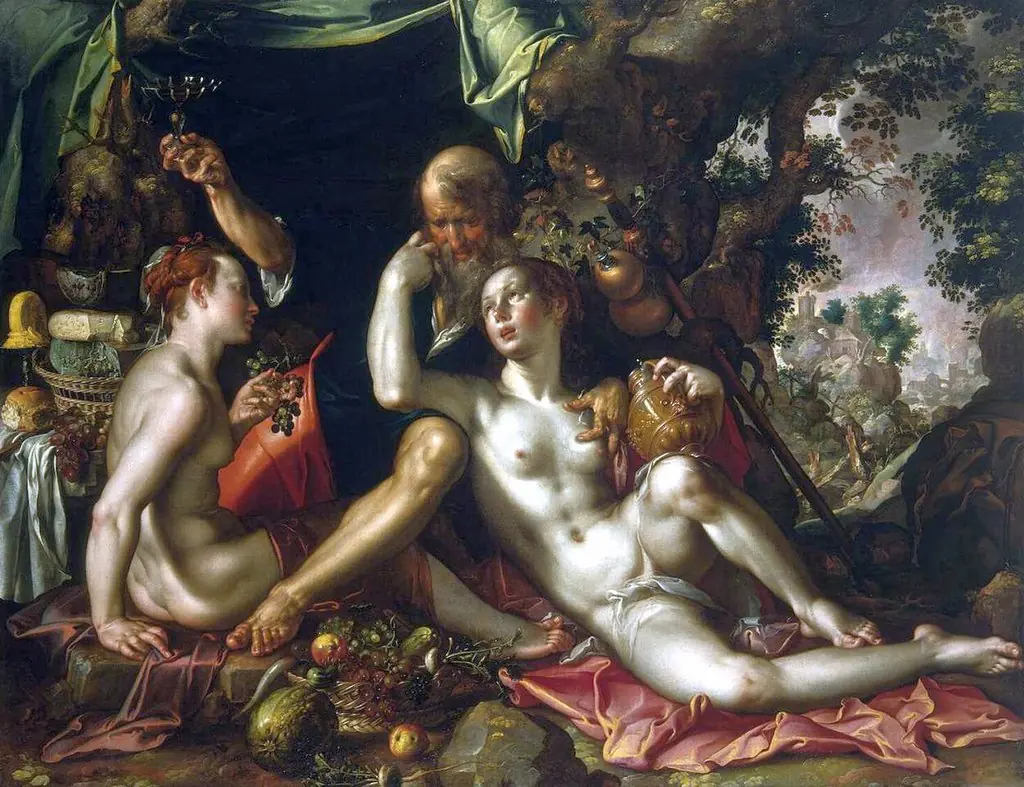
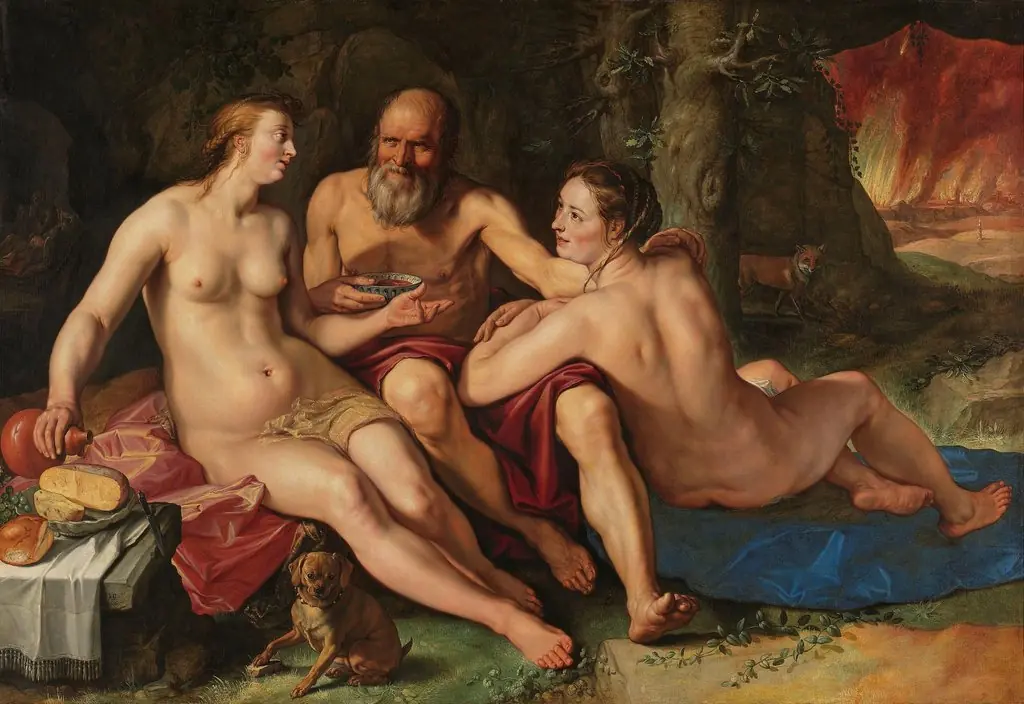
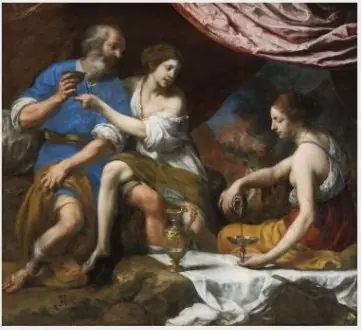
The scene illustrates the moment after the destruction of Sodom, when Lot’s daughters, believing themselves the last humans on earth, intoxicate their father to ensure the continuation of his lineage. The composition centers on the vulnerable patriarch, flanked by his daughters, whose gestures suggest both tenderness and moral ambiguity. The narrative, drawn from Genesis, was frequently interpreted as a cautionary tale about survival and moral compromise in the face of catastrophe.
Technique & Style
The artist employs oil paint with careful attention to texture and color contrast, using earthy browns and greens for the rugged landscape and vivid hues—yellow, pink, blue, and red—for the figures’ garments. Chiaroscuro defines the forms, casting soft shadows that model the bodies and enhance spatial depth. The figures are elongated in the Mannerist tradition, with stylized poses that emphasize emotional tension over naturalism.
History & Provenance
The painting has remained in Antwerp since its creation, likely produced for a private or ecclesiastical patron within the city’s thriving artistic community. It entered the collection of the Royal Museum of Fine Arts Antwerp in the 19th century, where it has been consistently cataloged under the attribution to the Master of the Prodigal Son, a name coined by modern scholars to group works by an otherwise unidentified hand.
Context
Created during a period of religious upheaval in the Low Countries, the painting reflects the continued appeal of biblical narratives in Catholic regions despite Protestant reforms. Flemish artists of the time often blended Italian Mannerist influences—such as elongated forms and dramatic lighting—with local traditions of detailed landscape and costume rendering, resulting in a hybrid style that appealed to both devotional and aesthetic sensibilities.
Legacy
Though the artist’s identity remains unknown, the work exemplifies the output of Antwerp’s prolific workshops, which sustained religious painting through the 16th century. The painting’s survival and institutional preservation attest to its enduring role in regional art history. It stands as a representative example of how Flemish painters adapted Italian stylistic trends to local theological and visual conventions.
Own this work as a print
Artist & collection
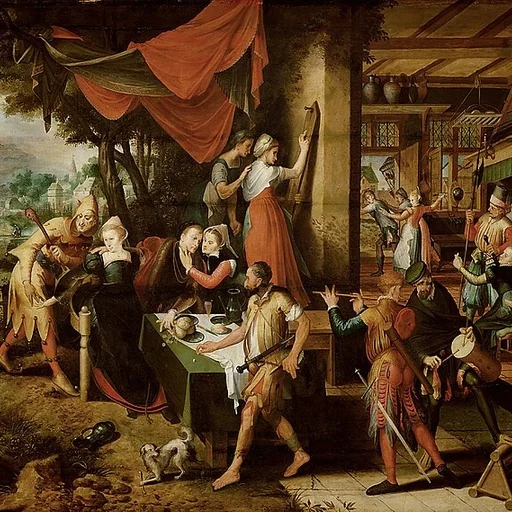
Artist
The Master of the Prodigal Son (fl. c.1530 – c.1560), was the notname given to a Flemish painter and designer of tapestries and stained glass. He was active in Antwerp where he operated a large workshop between 1530 and…