Artwork
Lot and his Daughters
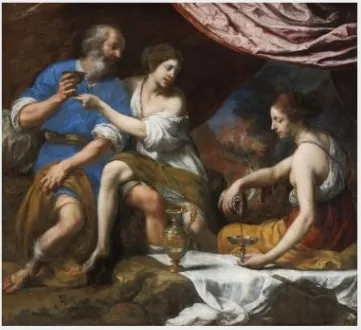
Lot and his Daughters is an oil painting by the Early Baroque Italian artist Felice Ficherelli. It dates from 1650 and is held in the collection of the National Gallery of Ireland.
About this work
Overview
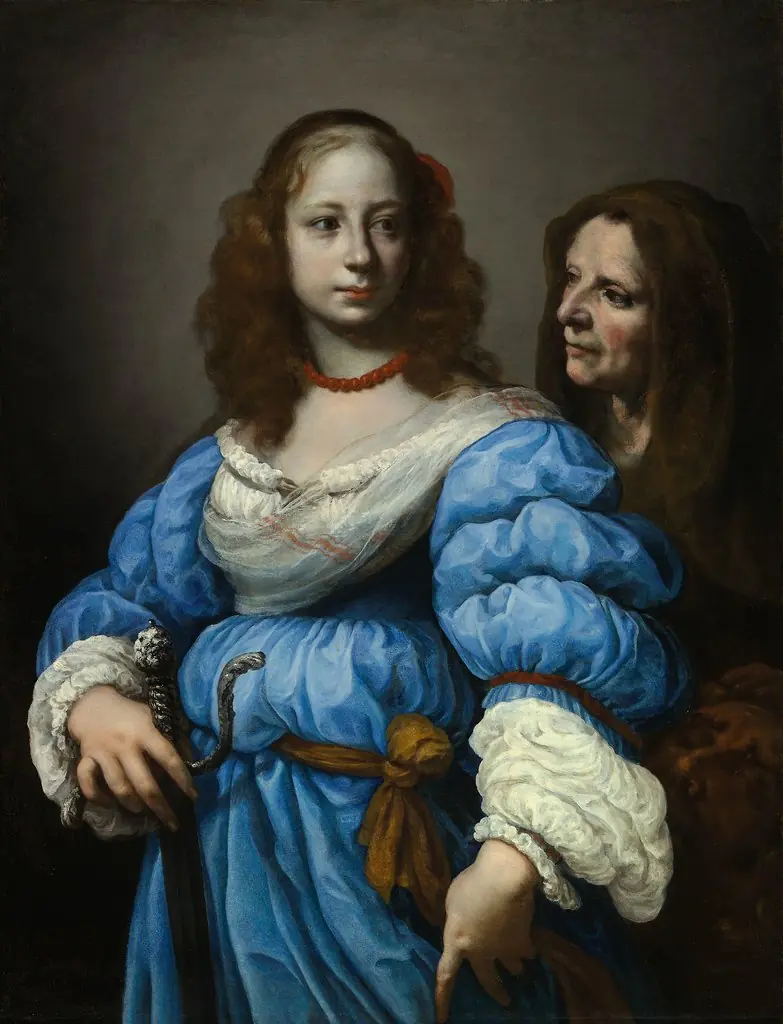
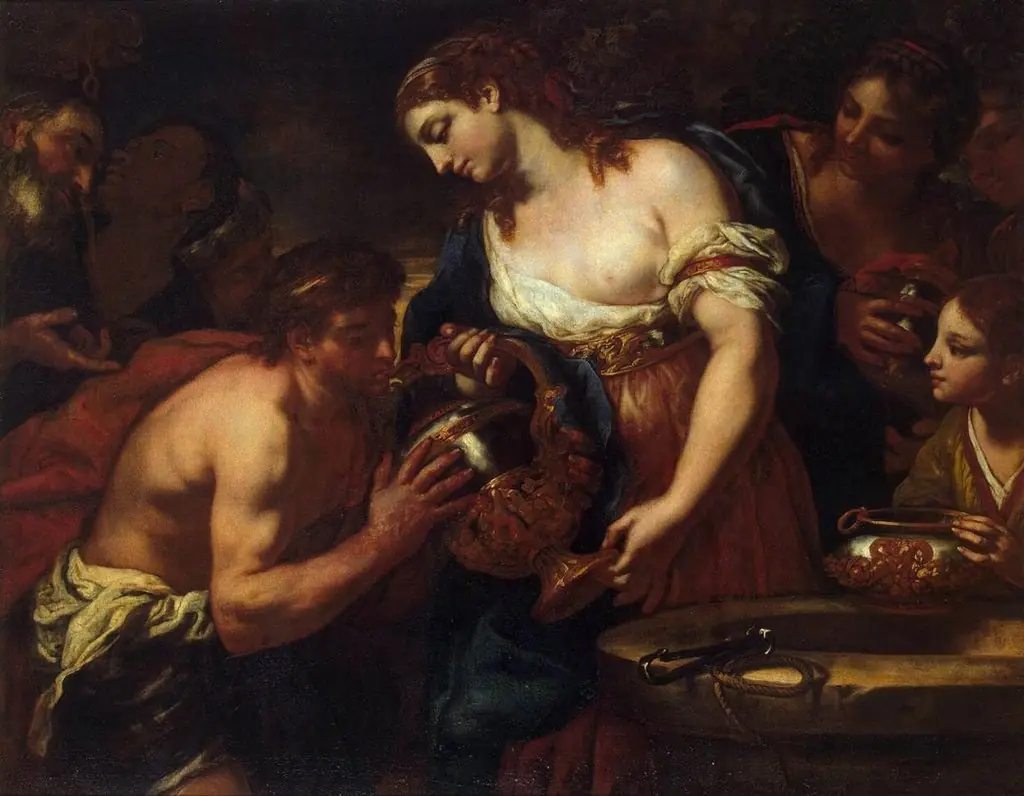
Felice Ficherelli’s oil painting Lot and his Daughters, executed around 1650, presents a compact, nocturnal tableau of three biblical figures. The work is part of the collection of the National Gallery of Ireland. Rendered in a dark, rocky interior, the composition draws the eye to the illuminated skin and garments of the characters, while the surrounding shadows recede into obscurity.
Subject & Meaning
The scene portrays the Old Testament episode in which Lot, a patriarch, is visited by his two daughters after the destruction of Sodom. The daughters, holding drinking vessels, appear poised for a private encounter, suggesting themes of survival, secrecy, and moral ambiguity. The half‑lit expression on Lot underscores his vulnerability amid the surrounding turmoil.
Technique & Style
Ficherelli employs a pronounced chiaroscuro, juxtaposing stark light against deep darkness to model form and generate dramatic tension. The bright blue robe and the gleam on the goblet contrast with the enveloping gloom, highlighting the figures’ contours. The brushwork is smooth in the flesh tones, while the rocky background is rendered with looser, textural strokes.
History & Provenance
Created in the mid‑17th century, the painting reflects the Baroque interest in biblical narratives rendered with emotional intensity. It entered the National Gallery of Ireland’s holdings through acquisition in the early 20th century, though earlier ownership records remain sparse. The work has been catalogued as a representative example of Ficherelli’s religious output.
Context
Ficherelli, a Florentine painter active during the Counter‑Reformation, often addressed scriptural subjects for private devotion. The use of chiaroscuro aligns his practice with contemporaries such as Caravaggio, whose influence spread across Italy. This painting illustrates the period’s fascination with intimate, morally complex moments drawn from sacred texts.
Artist & collection