Artwork
Peisaj de iarnă
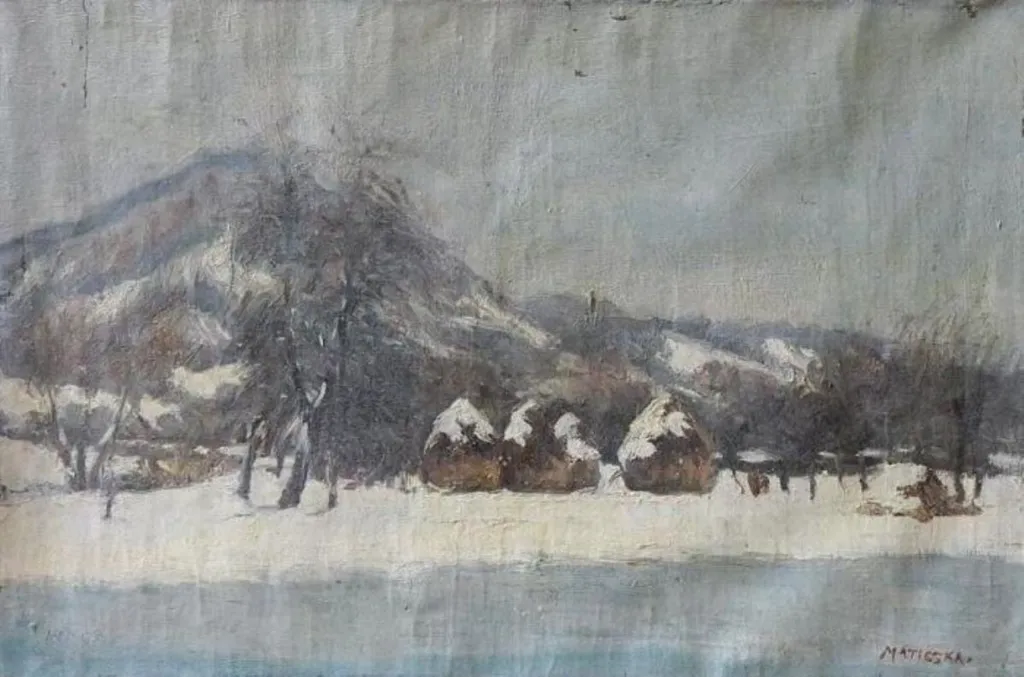
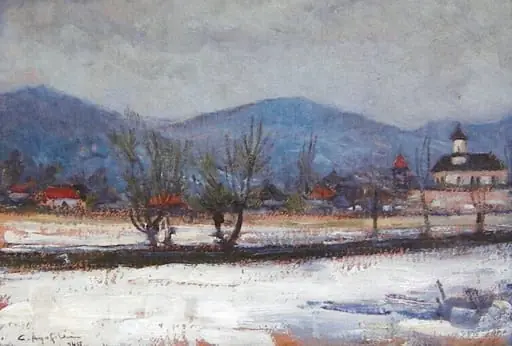
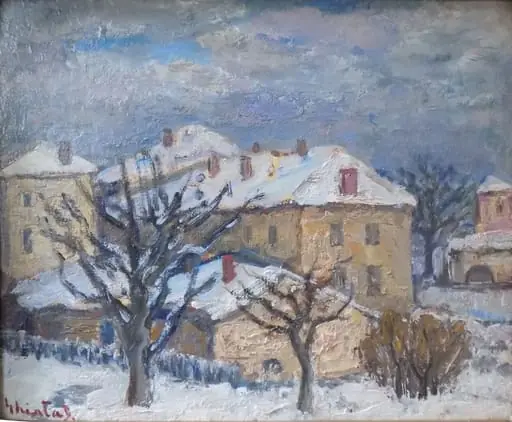
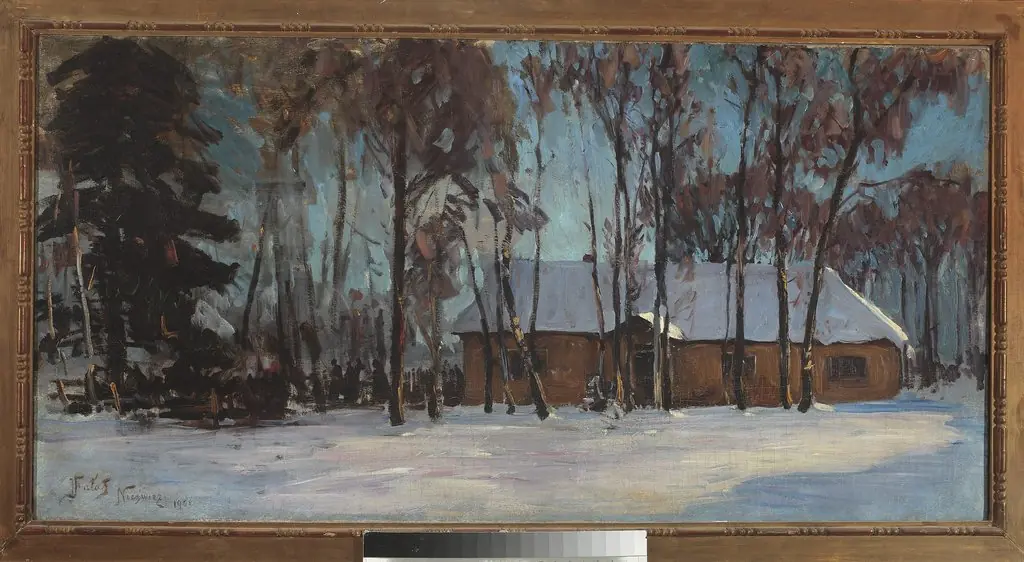
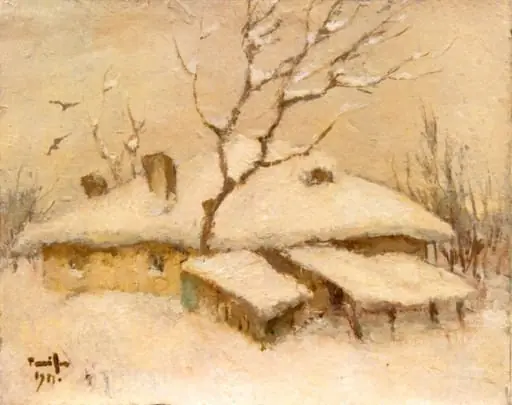
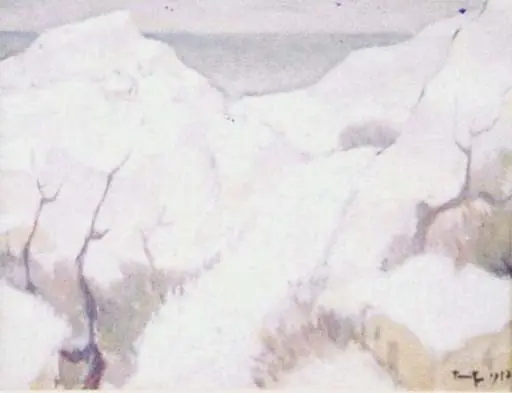
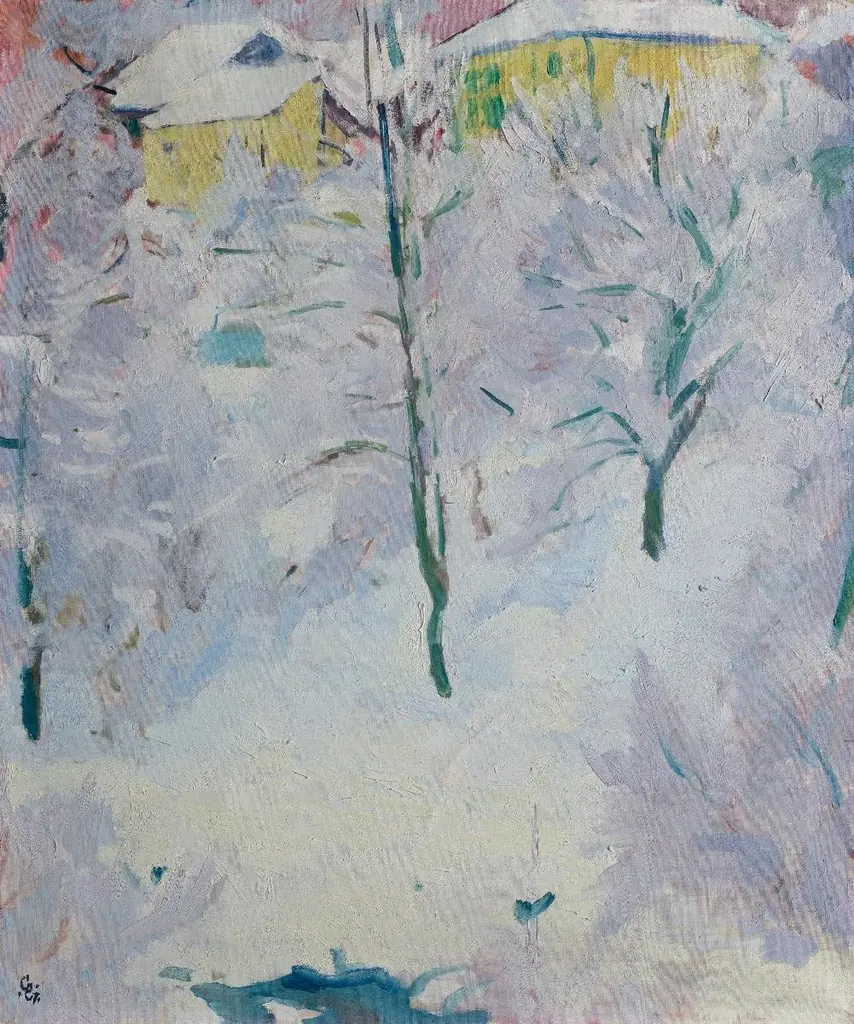
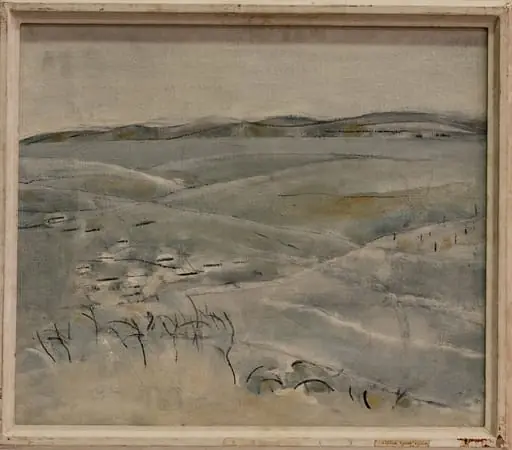
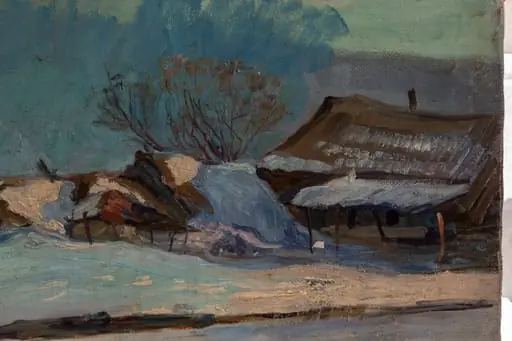
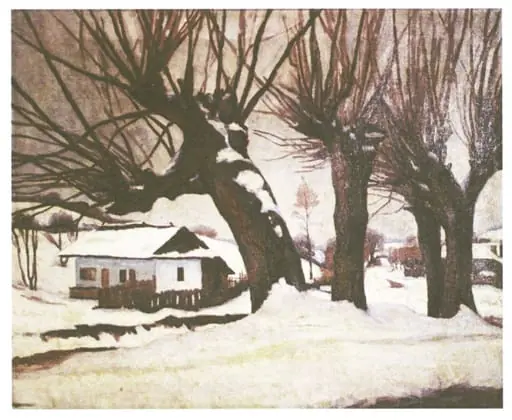
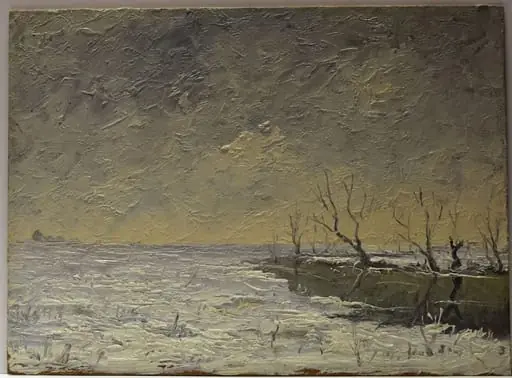
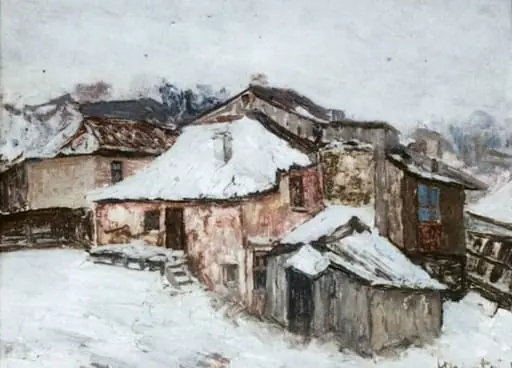
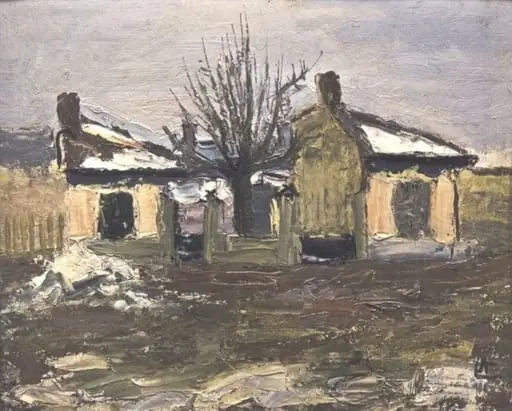
Peisaj de iarnă is an unspecified painting by Jenő Maticska. It dates from 1903 and is held in the collection of the Museum of Art Cluj-Napoca.
About this work
Overview
Its subdued palette and textured application convey a sense of stillness and seasonal transition, capturing rural life in the cold months without idealization.
Painted in 1903 by Jenő Maticska, Peisaj de iarnă is a winter landscape depicting a quiet Hungarian village nestled beneath a rugged hill. Executed in oil, the work is part of the Museum of Ethnography’s collection, reflecting early 20th-century regional realism. Its subdued palette and textured application convey a sense of stillness and seasonal transition, capturing rural life in the cold months without idealization.
Subject & Meaning
The scene presents three modest dwellings covered in patchy snow, suggesting the slow thaw of winter. Bare trees and a flat, pale sky reinforce the season’s quietude. The composition avoids human figures, emphasizing solitude and the endurance of architecture against nature. The melting snow on roofs hints at fleeting warmth, subtly underscoring the cyclical rhythm of rural existence without overt narrative.
Technique & Style
Maticska employed thick, deliberate brushwork—particularly on the hillside—to create tactile depth and a sense of weight in the snow-laden terrain. Colors are restrained: grays, off-whites, and muted browns dominate, with a faint blue tone in the sky adding subtle contrast. The impasto technique enhances the physicality of the landscape, grounding the scene in material reality rather than romanticized atmosphere.
History & Provenance
Created in 1903, the painting entered the Museum of Ethnography’s holdings in the early 20th century, likely as part of a broader effort to document regional life. Its preservation reflects institutional interest in vernacular culture rather than fine art prestige. No significant changes in ownership are documented, and it has remained in the museum’s collection since acquisition.
Context
In early 1900s Hungary, artists increasingly turned to rural subjects as national identity took shape. Maticska’s work aligns with this trend, portraying everyday landscapes without theatricality. Unlike urban-focused modernists, he focused on the quiet dignity of village life, contributing to a visual record of agricultural communities during a period of rapid social change.
Legacy
Peisaj de iarnă remains a modest but representative example of regional landscape painting in interwar Hungary. While not widely exhibited beyond its institutional home, it continues to inform studies of rural visual culture. Its restrained aesthetic and focus on texture influenced later artists interested in the materiality of place over emotional expression.
Artist & collection
Artist
Jenő Maticska kept a tiny studio above a Budapest café, where he painted snow scenes in oil even when the café ran out of heat.