Artwork
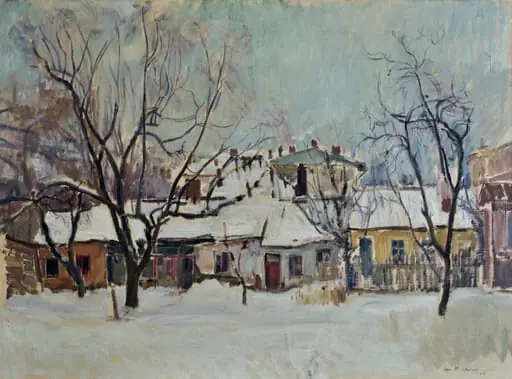
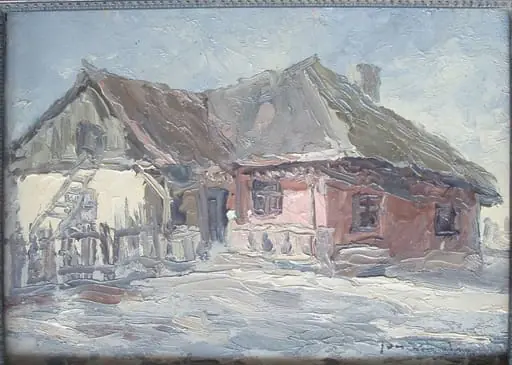
Cottage in Nesvizh
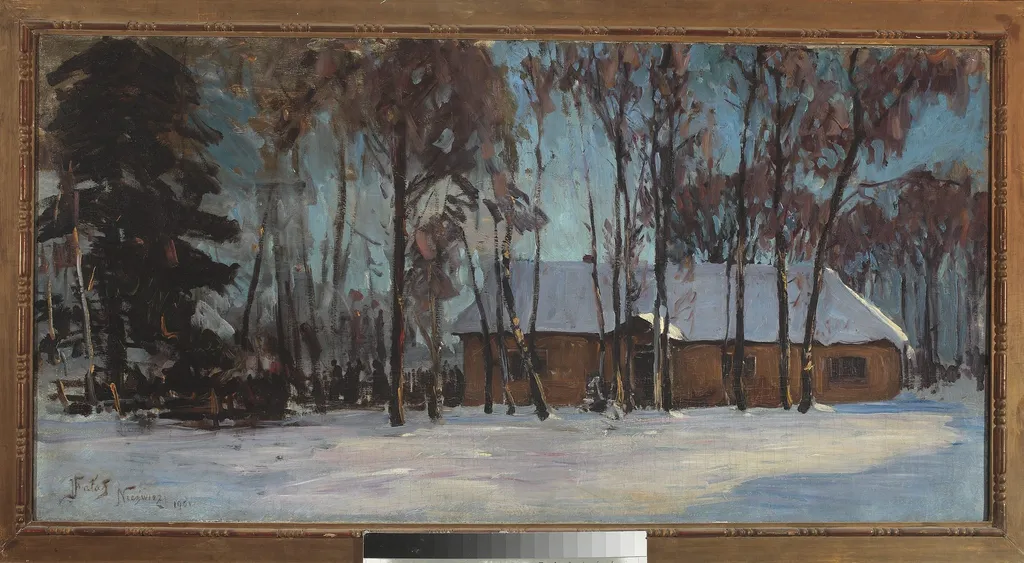
Cottage in Nesvizh is an oil painting by the Post-Impressionist artist Julian Fałat. It dates from 1901 and is held in the collection of the National Museum in Warsaw.
About this work
Overview
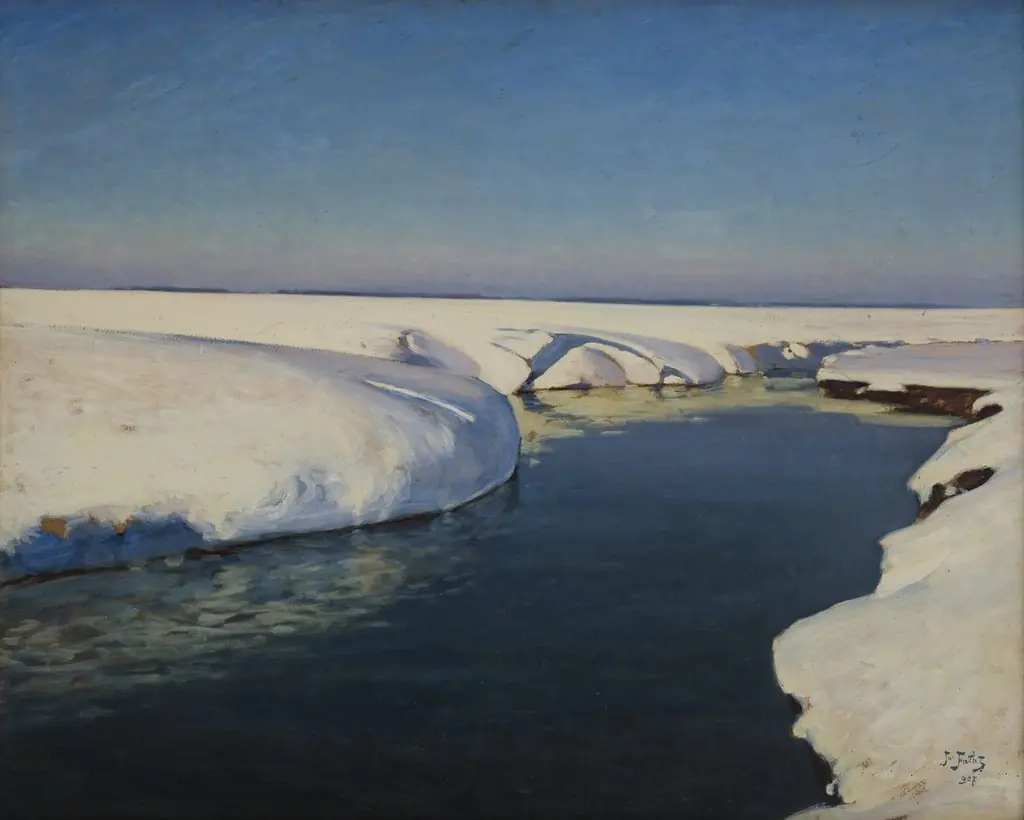
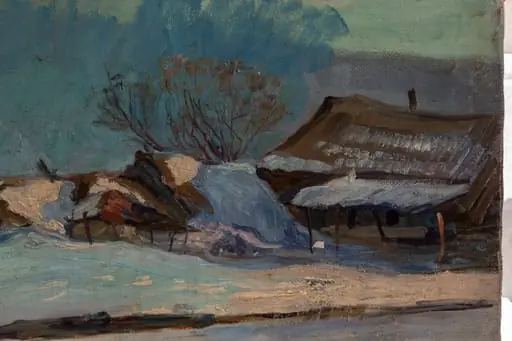
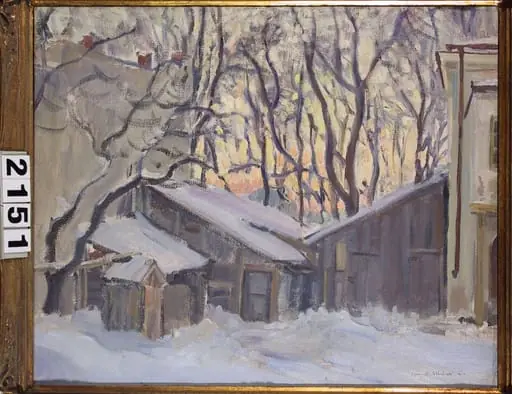
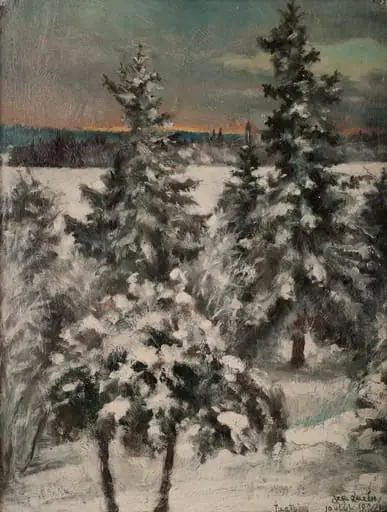
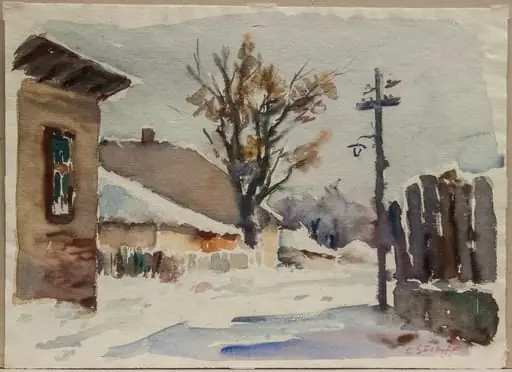
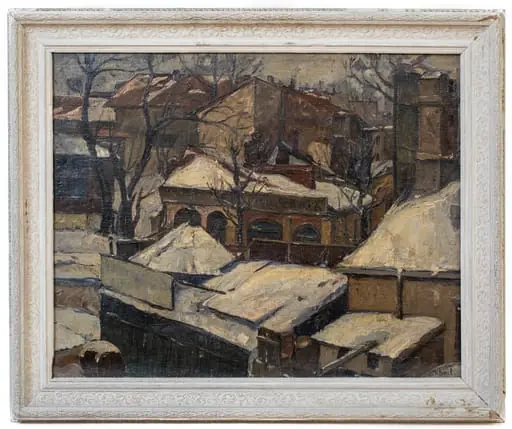
Julian Fałat’s *Cottage in Nesvizh* (1901) is an oil painting that captures a quiet winter landscape. A modest cottage with brown walls and a white roof sits amid snow‑covered ground, framed by stark, leafless trees that reach toward a pale sky. The composition conveys a still, contemplative atmosphere typical of Fałat’s later work.
Subject & Meaning
The scene presents a solitary dwelling set in a frozen countryside, suggesting isolation and the calm of a winter day. The muted palette and the gentle contrast between the warm tones of the cottage and the cool whites of the snow invite reflection on the relationship between human shelter and the surrounding natural environment.
Technique & Style
Fałat employs loose, feathery brushstrokes for the snow, creating a soft texture, while the trees are rendered with tighter, darker strokes that define their skeletal forms. The handling of light—subtle highlights on the roof and a faint atmospheric glow in the background—demonstrates a post‑impressionist concern for color modulation and depth rather than strict realism.
History & Provenance
Created in 1901, the painting belongs to the period when Fałat, born in 1853 near Lwów, shifted from watercolor to oil and embraced post‑impressionist tendencies. *Cottage in Nesvizh* entered the collection of the National Museum in Warsaw, where it remains part of the institution’s holdings of Polish landscape art.
Artist & collection
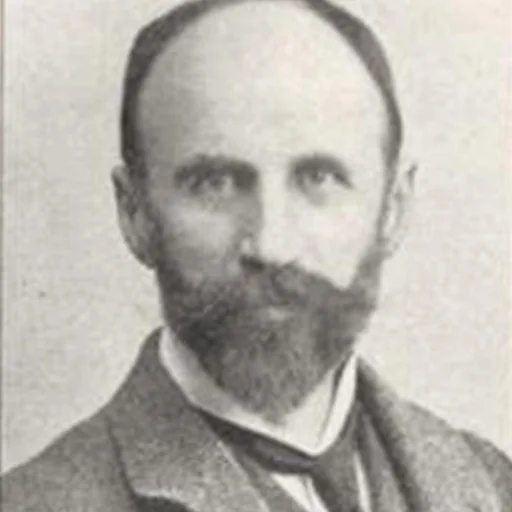
Artist
Julian Fałat (Tuligłowy, near Lwów, 30 July 1853 – 9 July 1929, Bystra Śląska) was one of the most prolific Polish watercolorists, one of the country's foremost landscapists, and a leading impressionist.