Artwork
Portrait of King Willem I (1772-1843)
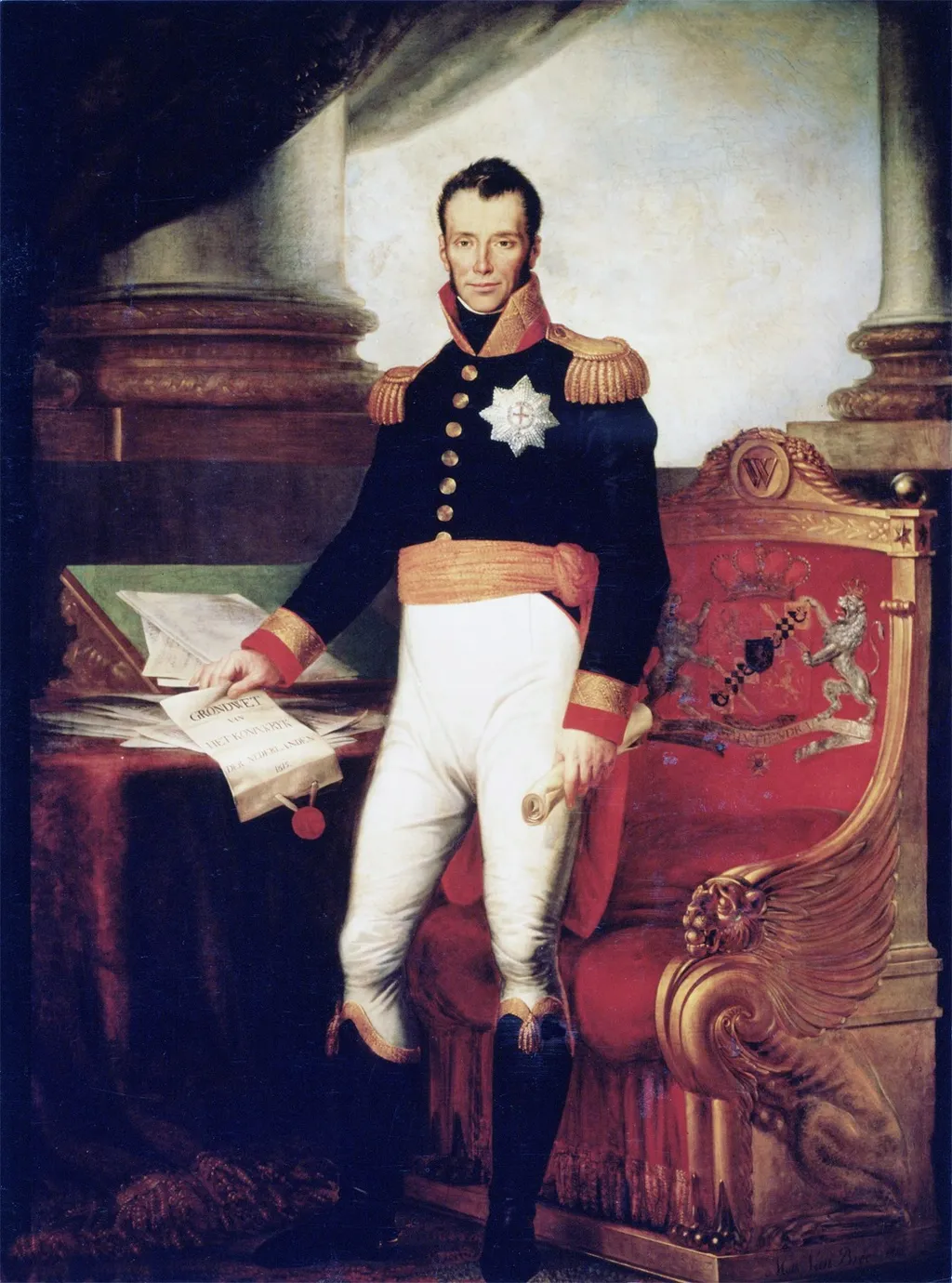
Portrait of King Willem I (1772-1843) is an oil painting by the Biedermeier artist Mattheus Ignatius van Bree. It dates from 1814 and is held in the collection of the Royal Museums of Fine Arts of Belgium.
About this work
Overview
Painted in 1814 by Mattheus Ignatius van Bree, this oil portrait captures King Willem I of the Netherlands during the early years of his reign.
Painted in 1814 by Mattheus Ignatius van Bree, this oil portrait captures King Willem I of the Netherlands during the early years of his reign. Van Bree, a key figure in Belgian academic painting, rendered the monarch in formal attire within a restrained, dignified setting. The work reflects the transition from revolutionary upheaval to institutional stability in the Low Countries, aligning with the emerging Biedermeier emphasis on order and civic virtue.
Subject & Meaning
The portrait presents King Willem I in military dress, signifying his role as both sovereign and former commander during the Napoleonic Wars. In his right hand, he holds a document inscribed 'GRONDWET'—the Dutch constitution—emphasizing his leadership in establishing constitutional governance. The rolled paper in his left hand may allude to state decrees or treaties. The composition conveys authority not through ostentation, but through composed demeanor and symbolic objects tied to law and statecraft.
Technique & Style
Van Bree employed precise brushwork and muted tonal contrasts to convey solidity and restraint. The king’s uniform is rendered with attention to texture—gold buttons, epaulets, and fabric folds—while the background remains minimal, framed by classical columns and a plain wall. The lighting is even, avoiding dramatic chiaroscuro, reinforcing the Biedermeier preference for calm realism over theatricality. The stillness of the figure and the orderly arrangement of objects reflect a deliberate focus on dignity over emotional expression.
History & Provenance
Commissioned shortly after Willem I’s ascension to the throne in 1815, the portrait was likely intended for official use, affirming the legitimacy of the newly formed Kingdom of the Netherlands. It entered the collection of the Royal Museums of Fine Arts of Belgium, where it remains today. Though created during a period of political flux, the painting was preserved as a record of state representation, reflecting the monarch’s enduring symbolic role in the region’s institutional history.
Context
Painted in the aftermath of the Napoleonic Wars, the portrait emerges during a time when European monarchies sought to reassert authority through visual symbolism. Willem I’s uniform and constitutional documents reflect the era’s tension between hereditary rule and emerging constitutionalism. Van Bree’s style, rooted in academic tradition, aligned with broader efforts to legitimize new political orders through art that emphasized order, continuity, and civic responsibility.
Legacy
The portrait stands as a representative example of early 19th-century state portraiture in the Low Countries, illustrating how visual culture supported nascent national identities. Van Bree’s influence as a teacher helped shape a generation of Belgian artists who prioritized historical and civic themes. While not widely reproduced, the work remains a quiet testament to the visual language of constitutional monarchy in post-Napoleonic Europe.
Artist & collection
Artist
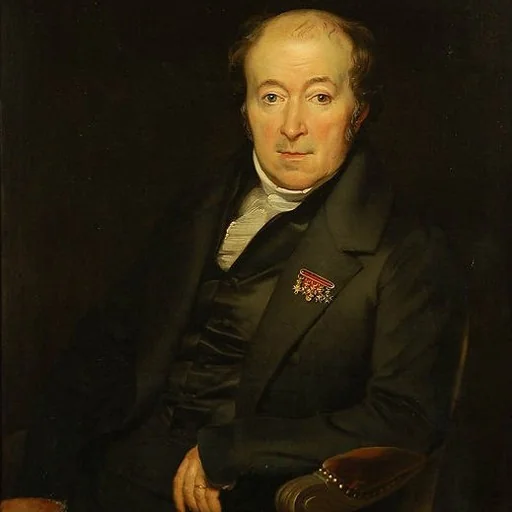
Mattheus Ignatius van Bree (Antwerp, 1773 – Antwerp, 1839) was a Belgian painter.

Museum
Royal Museums of Fine Arts of Belgium
Continue through works from the same source collection.
 Self-Portrait
 Portrait of Isaac Jan Alexander Gogel
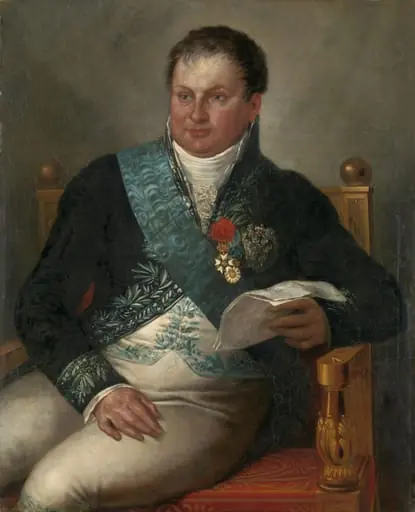 Portrait of Isaac Jan Alexander Gogel
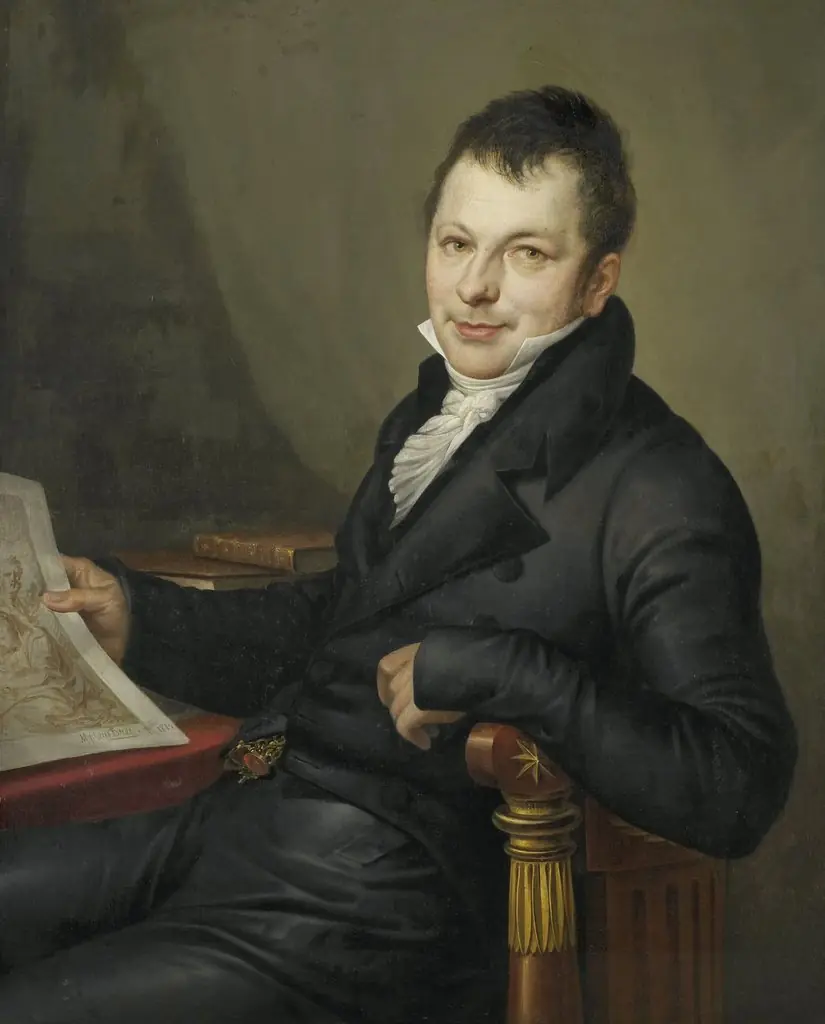 Johannes Hermanus Molkenboer(1773-1834). Art Collector
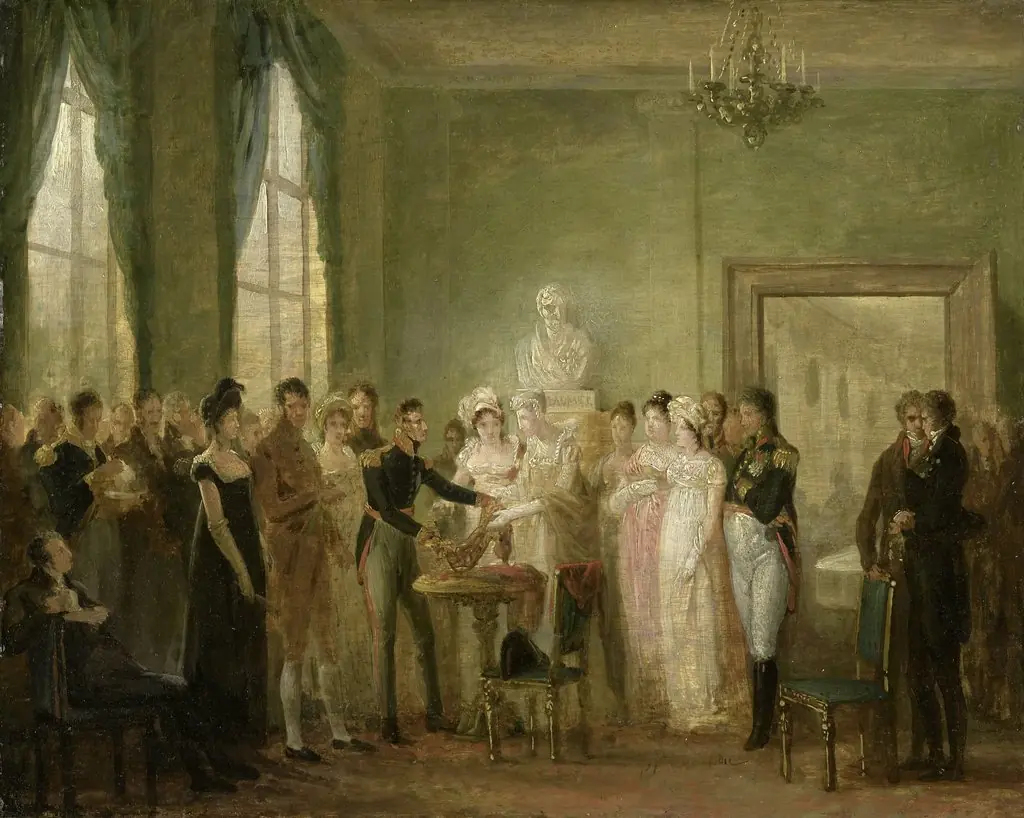 An Unidentified Historical Subject
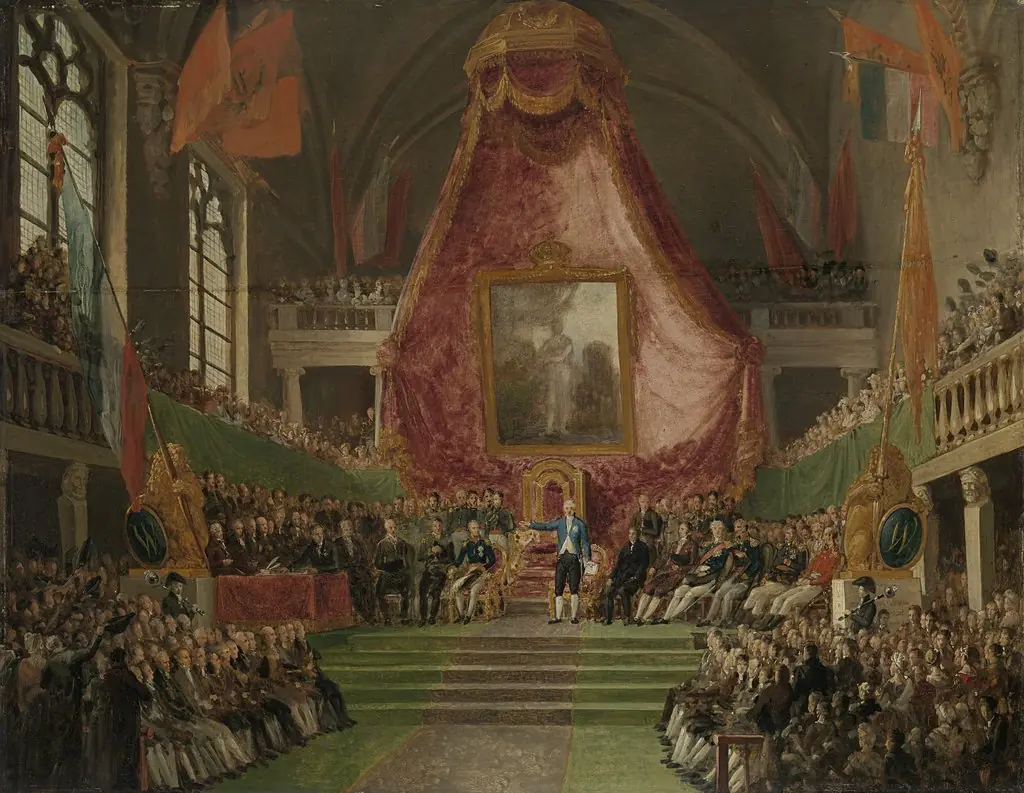 The Solemn Inauguration of University of Ghent by the Prince of Orange in the Throne Room of the Town Hall on 9 October 1817
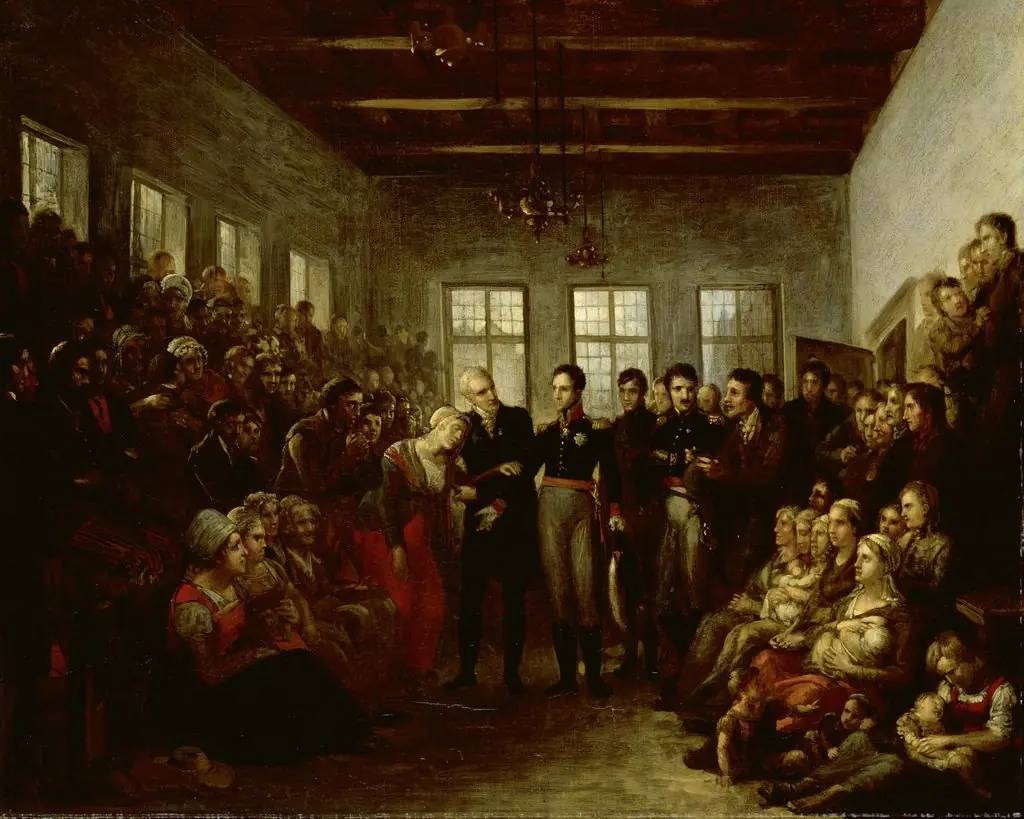 The Prince of Orange Visititing Flood Victims at the Almoners Orphanage, Amsterdam, on 14 February 1825
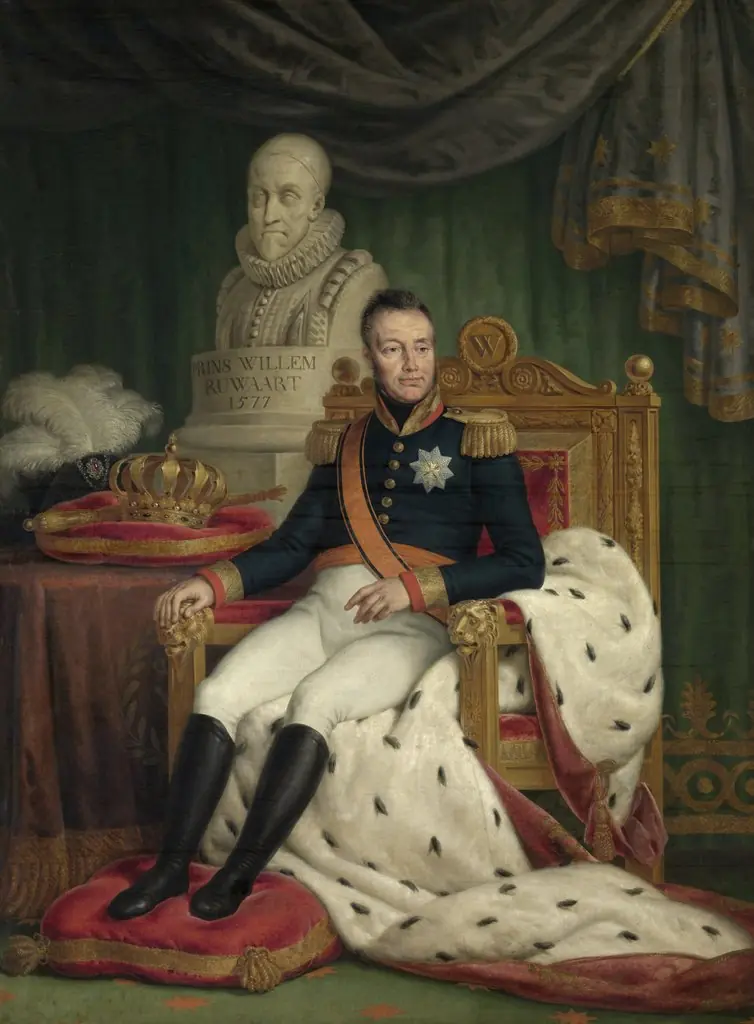 Portrait of King Willem I (1772-1843)
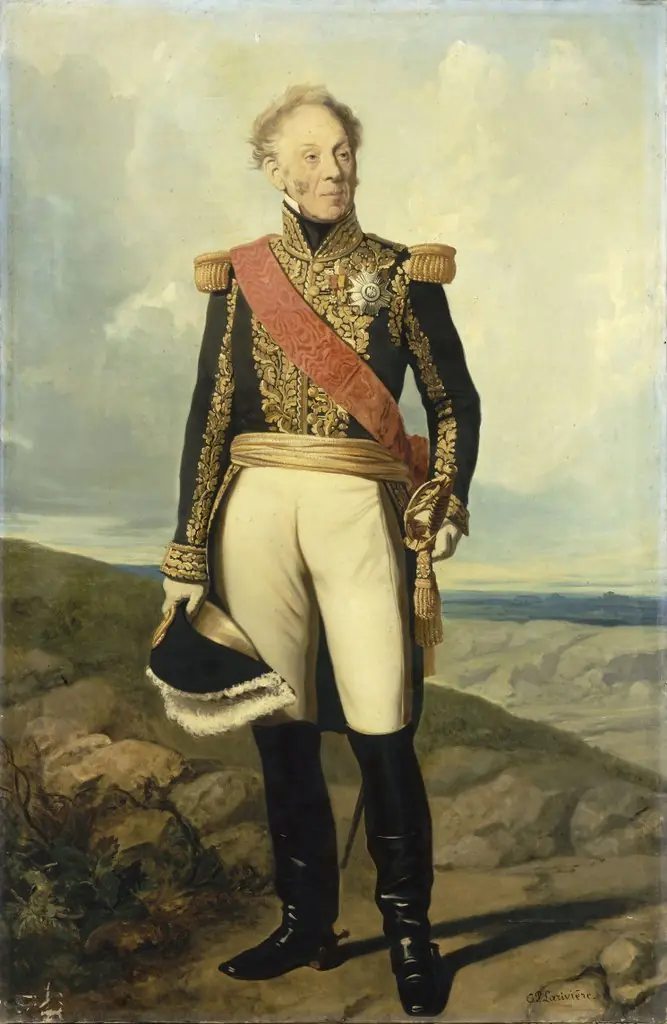 Porträt des Rémi Joseph Isidore Exelmans, Marechal De France (1775-1852)
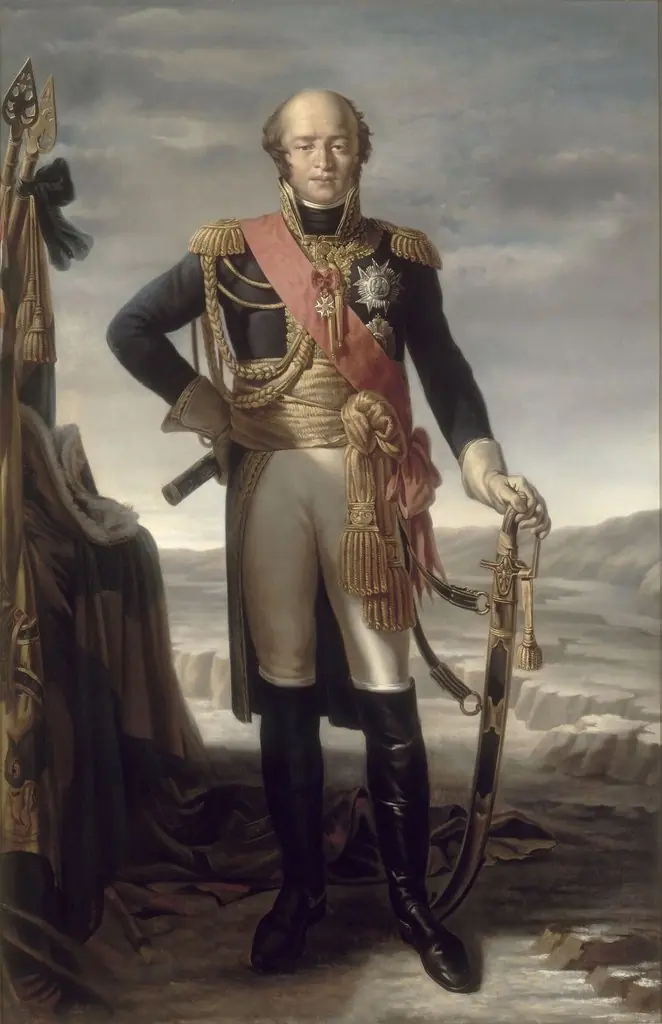 Portrait de Louis Nicolas Davout
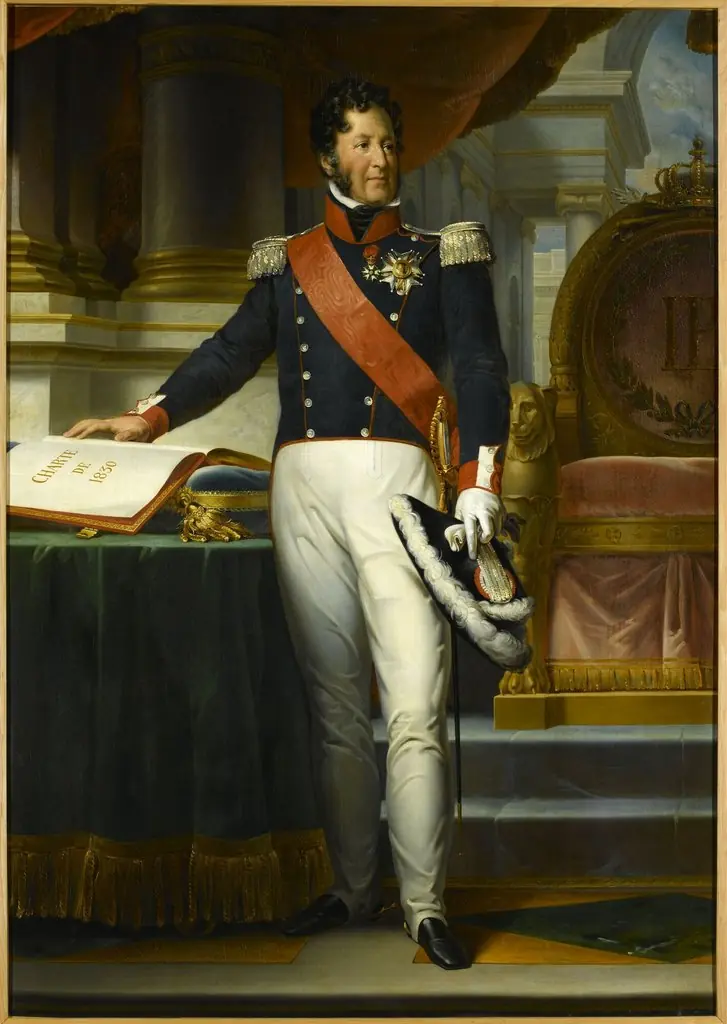 Portrait of Louis Philippe I
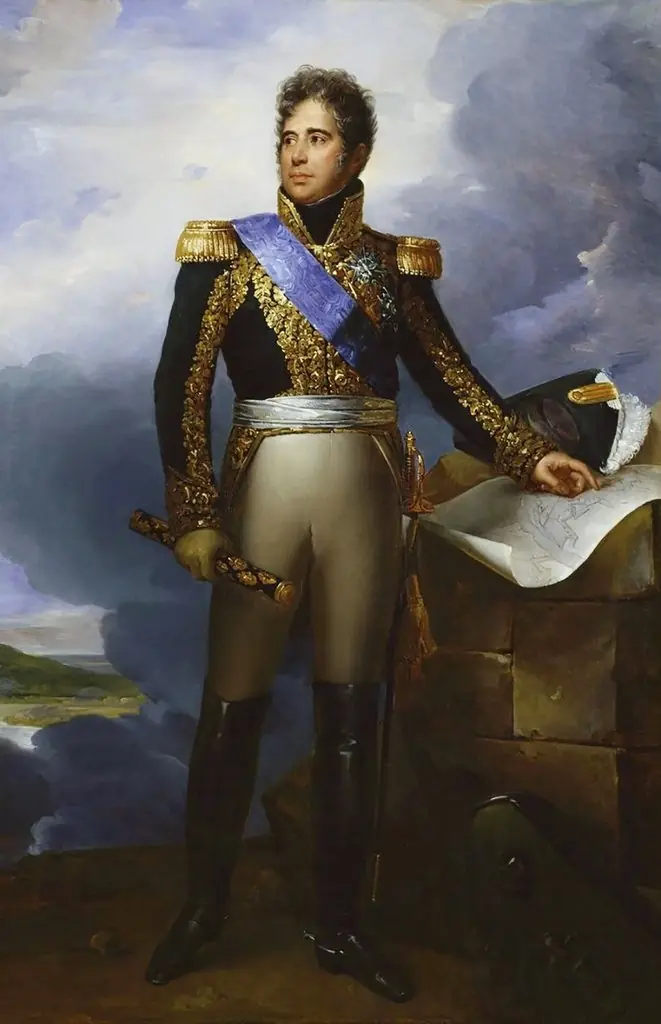 Jacques-Alexandre-Bernard Law de Lauriston
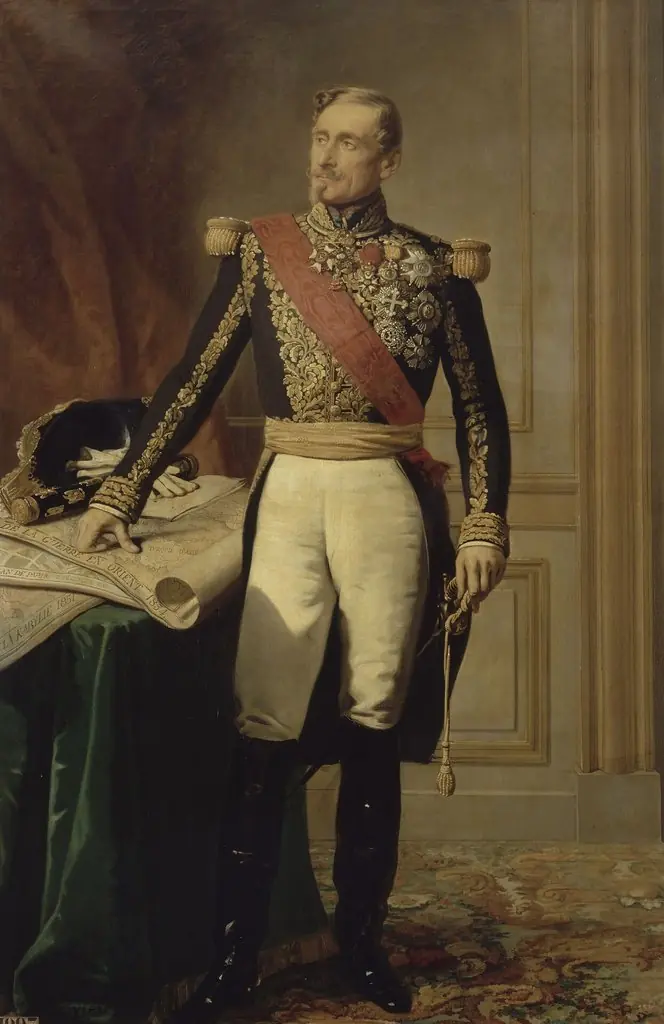 Armand-Jacques Leroy de Saint-Arnaud, Marshal of France
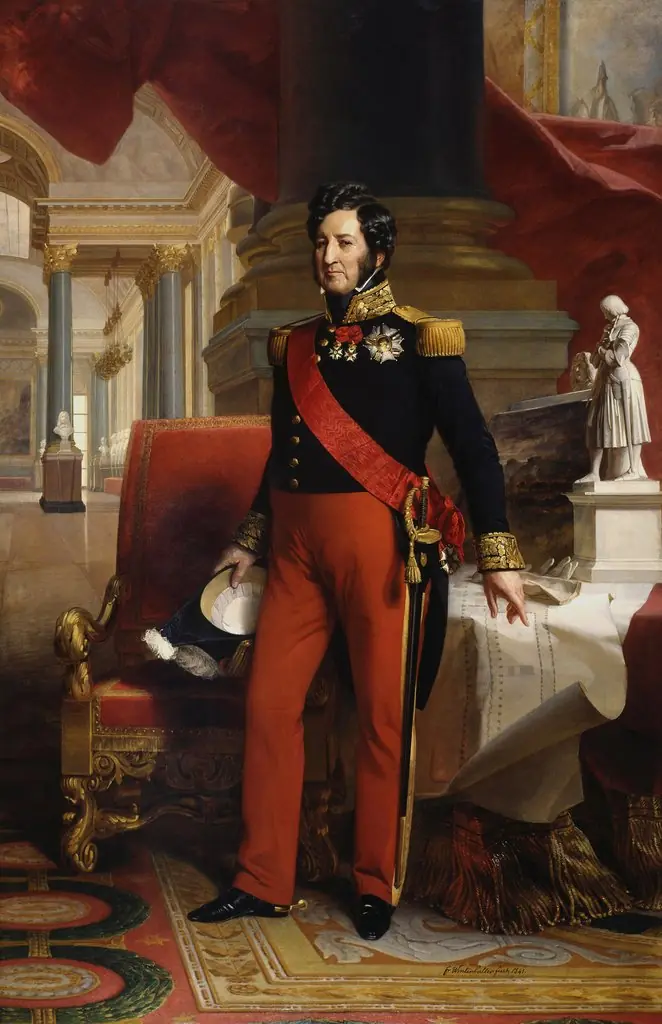 Louis-Philippe I, King of the French (1773–1850)
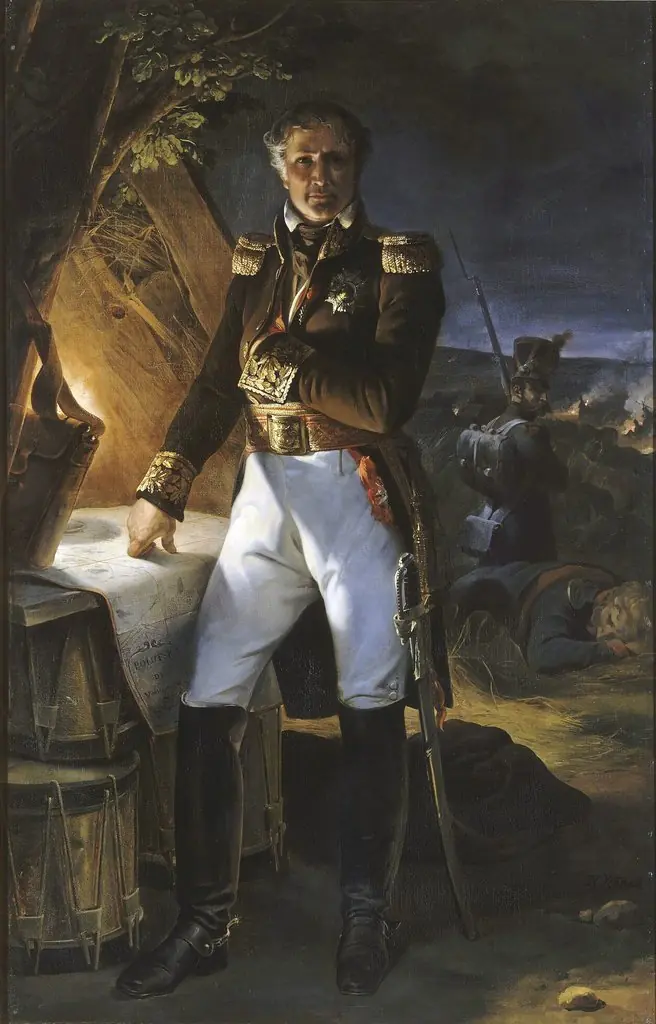 Laurent, Marquis of Gouvion Saint-Cyr
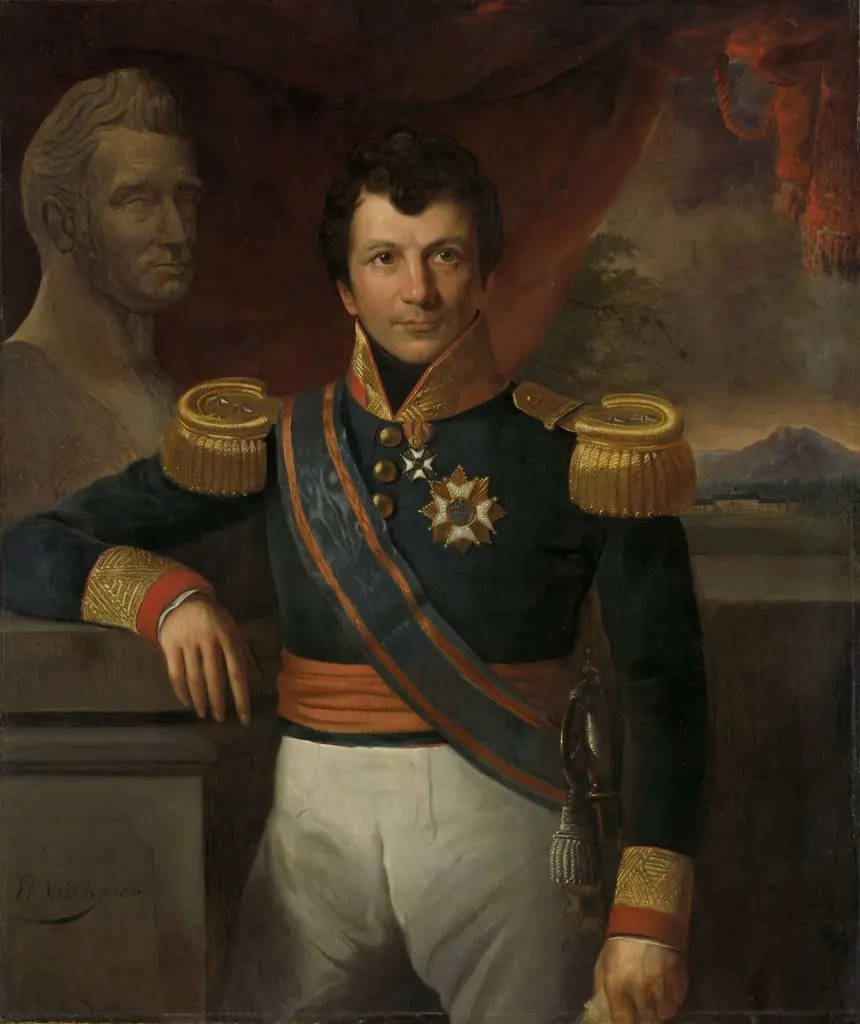 Portrait of Johannes Graaf van den Bosch (1780-1844), Gouverneur-generaal (1830-33)
 Portrait of Johannes, Graaf van den Bosch, Governor-General of the Dutch East Indies