Artwork
A Dead Cock
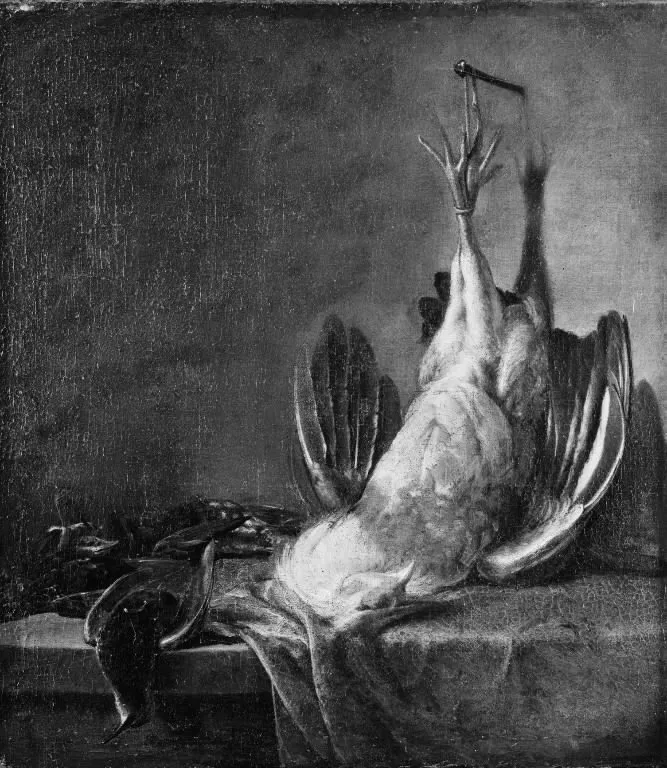
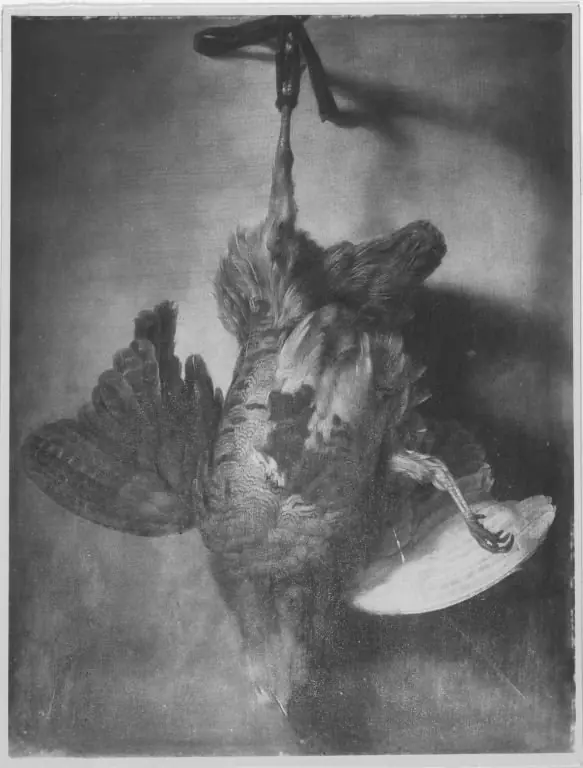
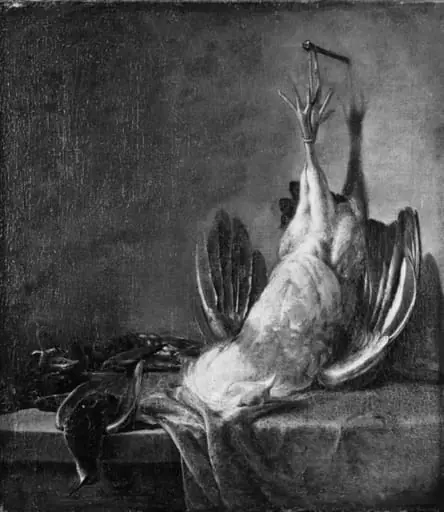
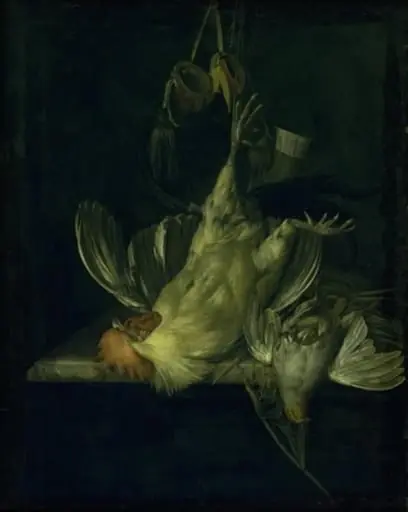
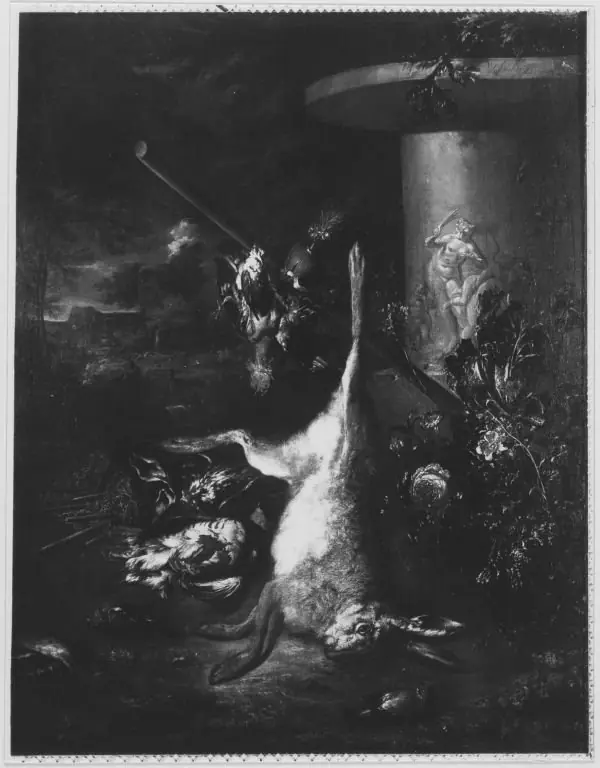
A Dead Cock is an oil painting by the Dutch Golden Age artist Matthijs Bloem. It dates from 1659 and is held in the collection of the Statens Museum for Kunst.
About this work
Overview
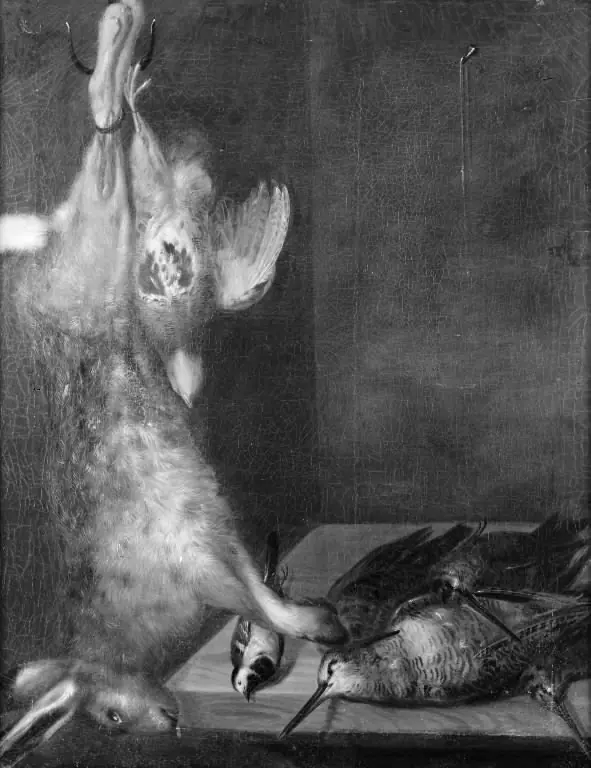
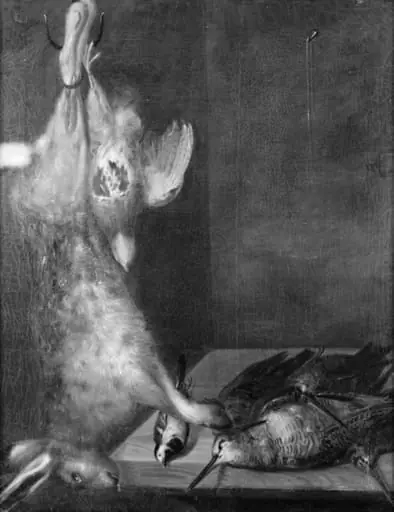
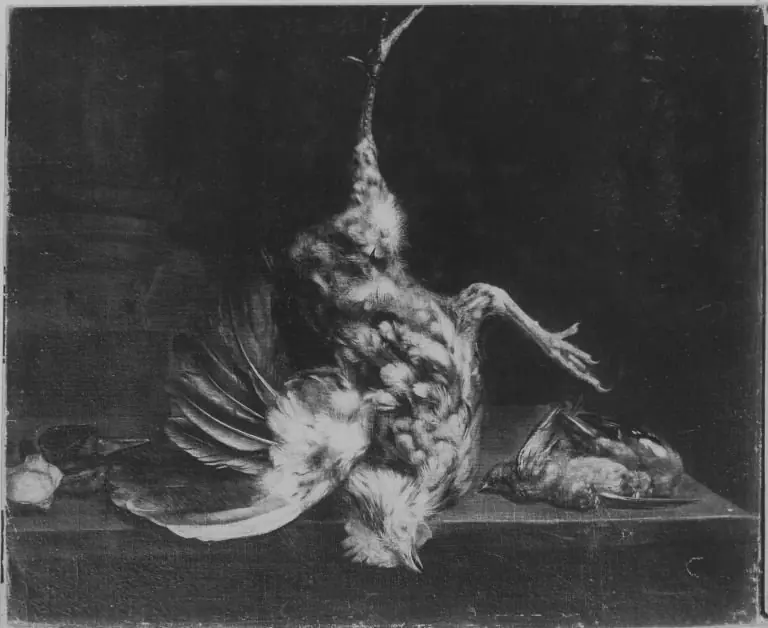
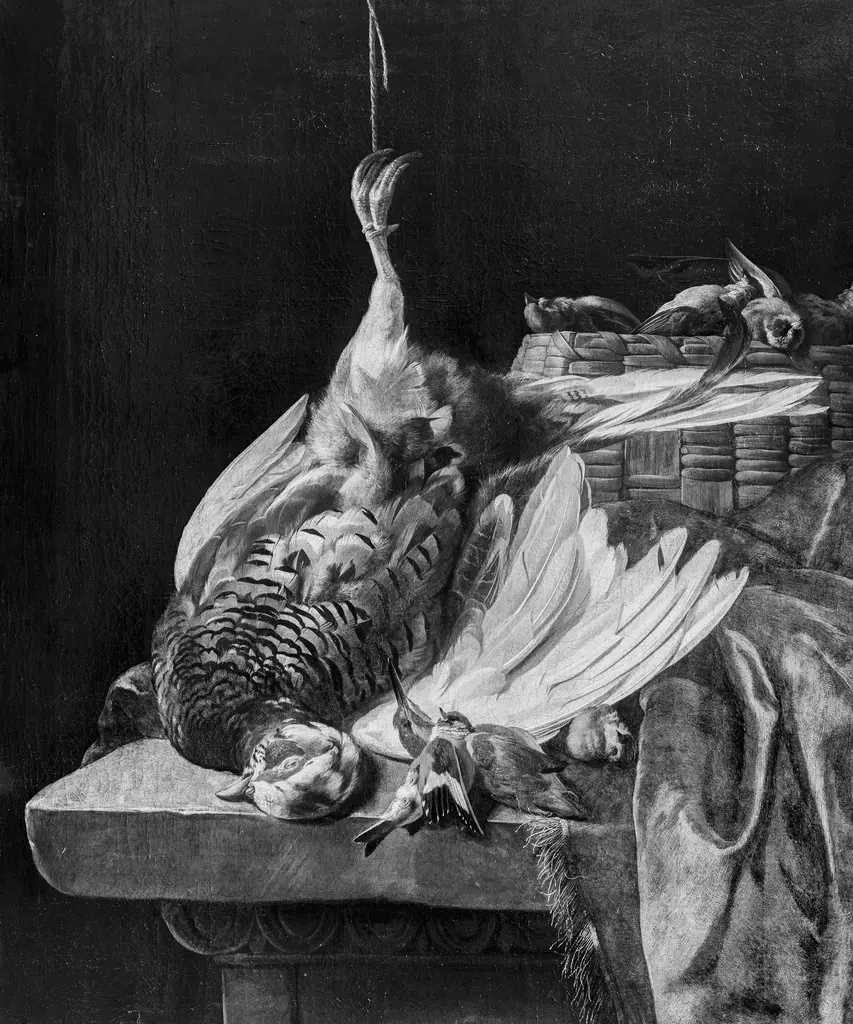
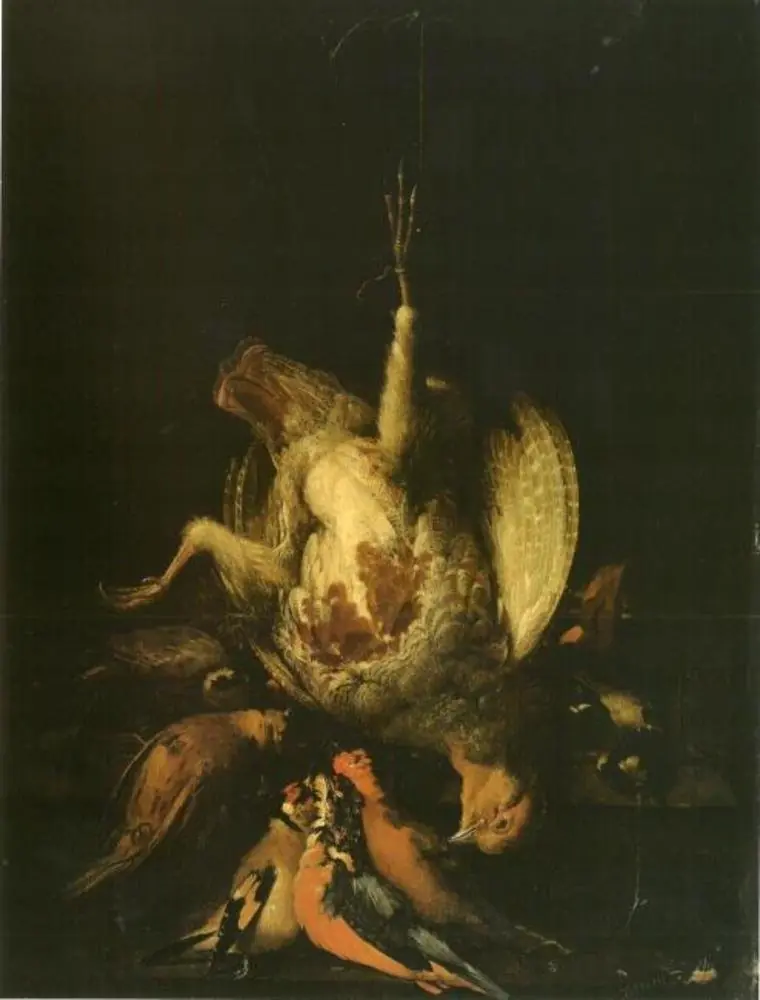
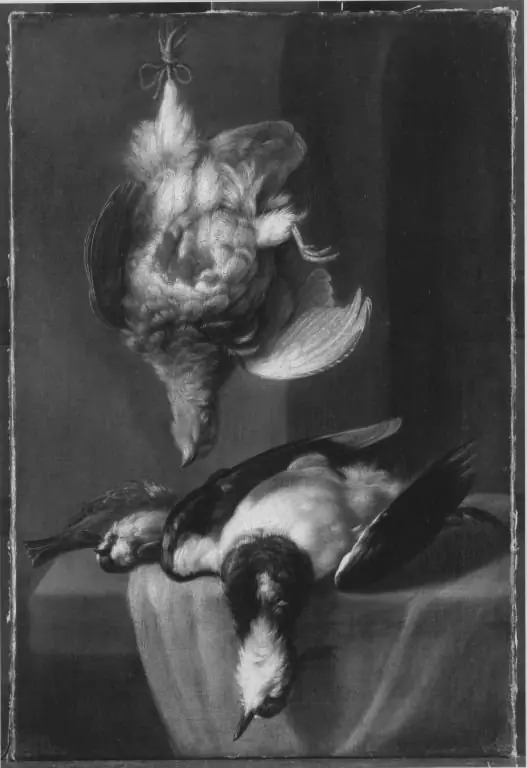
Painted in 1659 by Matthijs Bloem, this oil on panel work depicts a single dead rooster. It resides in the collection of Statens Museum for Kunst in Copenhagen. The composition is spare, focusing entirely on the bird’s lifeless form against a deep, unmodulated background. No other objects or figures interrupt the scene, emphasizing solitude and stillness.
Subject & Meaning
The rooster, a symbol often tied to vigilance or masculinity in Dutch art, is presented here in death, stripped of its usual associations. Its posture—head lowered, legs splayed—suggests vulnerability rather than bravado. The scattered feathers imply a recent end, and the quiet tone invites reflection on mortality, not as a moral lesson but as an observed fact of nature.
Technique & Style
Bloem employs soft, layered brushwork to render the bird’s plumage, capturing the texture of individual feathers without ornamentation.
Bloem employs soft, layered brushwork to render the bird’s plumage, capturing the texture of individual feathers without ornamentation. Dark, receding shadows frame the subject, enhancing its three-dimensionality through subtle chiaroscuro. The surface shows careful glazing, a technique common in Dutch still-life painting, which deepens the richness of the feathers’ hues and adds luminosity to the muted tones.
History & Provenance
The painting has remained in Danish public collections since at least the 19th century, entering the Statens Museum for Kunst’s holdings through documented acquisitions. No earlier ownership records are widely known, and it appears to have been little exhibited outside Denmark. Its survival in good condition suggests it was preserved as a study or quiet curiosity rather than a showpiece.
Context
In mid-17th century the Netherlands, still-life painting flourished as a genre that explored transience and materiality. Bloem’s work aligns with this tradition, though it diverges by omitting fruit, silver, or other symbols of wealth. The focus on a single, ordinary bird reflects a quieter, more introspective branch of Dutch realism, possibly influenced by regional tastes in northern Europe.
Legacy
Though not widely reproduced or studied outside specialized circles, the painting stands as a quiet example of Dutch naturalism’s capacity for emotional restraint. Its minimalism and technical precision have influenced later artists interested in the dignity of ordinary subjects. It remains a reference point for discussions on the representation of death in non-religious Dutch art.
Artist & collection