Artwork
Interieur d'un omnibus [bottom half]
![Interieur d'un omnibus [bottom half], by Charles Maurand, ink, 1864](https://artifactworldgallery.com/img/charles-maurand--interieur-d-un-omnibus-bottom-half--56e13655b1da7619-w1024.webp)
Interieur d'un omnibus [bottom half] is an ink print by the Impressionist artist Charles Maurand. It dates from 1864 and is held in the collection of the National Gallery of Art.
About this work
Overview
Created in 1864 by Charles Maurand, this wood engraving captures the lower portion of a crowded horse-drawn omnibus in 19th-century Paris. Rendered in fine, precise lines, the scene conveys the close quarters and routine chaos of urban transit. The composition focuses on the packed interior, emphasizing the physical proximity of passengers without overt narrative or sentiment.
Subject & Meaning
The scene depicts ordinary commuters in a confined space: a man near the door grips a walking stick, while a woman holds a child beside a man wearing a top hat. Their stillness amid compression suggests the quiet resignation of daily urban life. No individual is singled out; instead, the image reflects the anonymity and shared experience of public transportation in a rapidly modernizing city.
Technique & Style
Maurand employed wood engraving, a method allowing fine linear detail through incised wood blocks. The tight, controlled strokes define fabric folds, hat brims, and the bus’s interior signage with clarity. Monochrome tones, limited to blacks and grays, enhance the sense of density and uniformity, reinforcing the visual weight of the crowd through texture rather than color.
History & Provenance
Its survival in institutional collections attests to its role as a record of everyday urban experience during the Second Empire.
The work originates from a series of urban scenes published in illustrated periodicals of the 1860s, where Maurand contributed observational sketches of Parisian life. As a print, it was likely reproduced for mass circulation, serving both documentary and decorative purposes. Its survival in institutional collections attests to its role as a record of everyday urban experience during the Second Empire.
Context
In 1860s Paris, omnibuses were a vital, if overcrowded, component of public transit, accommodating workers, merchants, and families as the city expanded. The engraving reflects the social mixing of classes in shared transit spaces, a phenomenon newly visible as urban populations grew. Such images were part of a broader visual culture documenting the rhythms of modern life.
Legacy
Maurand’s engraving contributes to a visual archive of 19th-century urban mobility, influencing later artists who sought to depict the quiet intensity of public spaces. Though not widely known today, it remains a precise example of how printmaking could capture the subtleties of daily life without romanticism, preserving the unremarkable moments that defined urban existence.
Artist & collection


![Les troupes Austro-Prussiennes entrant a Hambourg ... [top half], by Charles Maurand](https://artifactworldgallery.com/img/charles-maurand--les-troupes-austro-prussiennes-entrant-a-hambourg-top-half--02c6312239757d47-w320.webp)
 V'la un particulier qui doit ...être inquiet ...
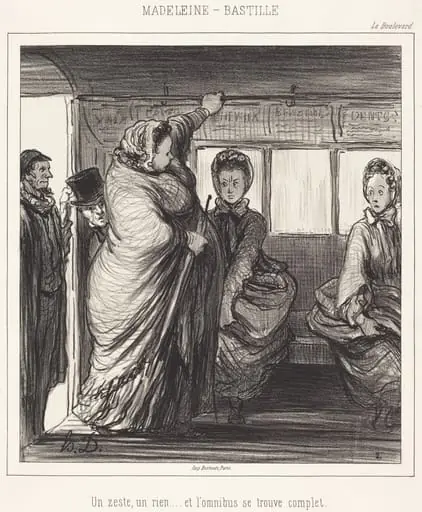 Madeleine-Bastille
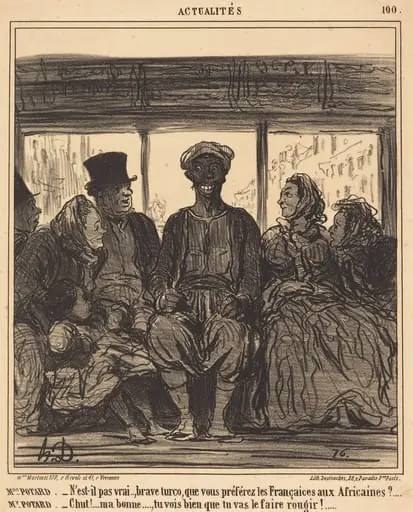 Actualités: Mme. Potard - N'est-il pas vrai, brave turco...
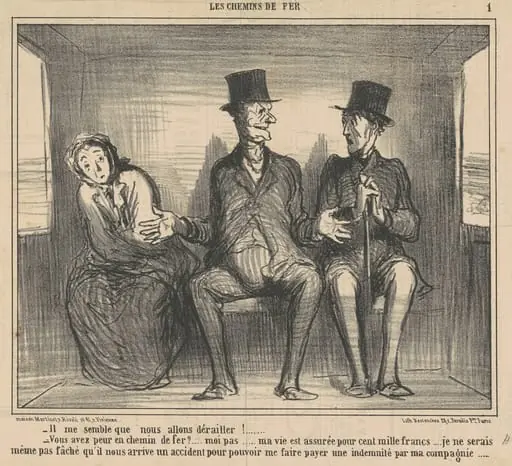 Il me semble que nous allons dèrailler ...
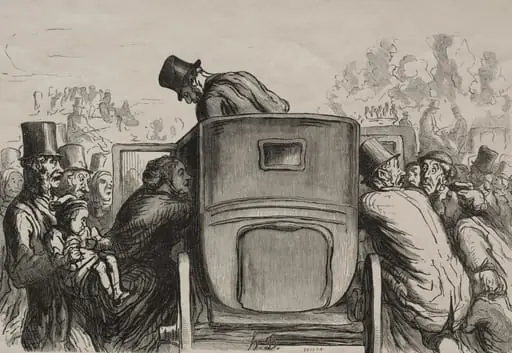 At the Universal Exhibition: The visitor will find all means of transportation desirable to return to his hotel.
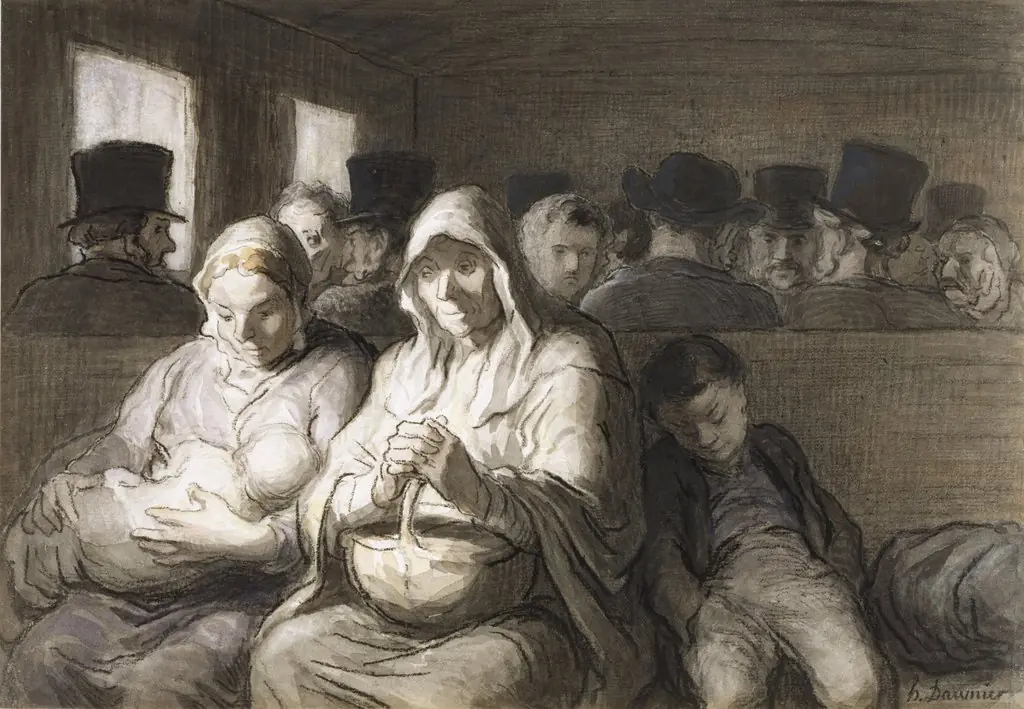 The Third Class Carriage
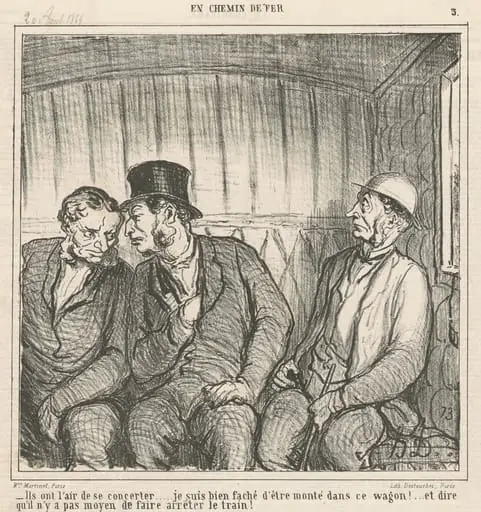 Ils on l'air de se concerter ...
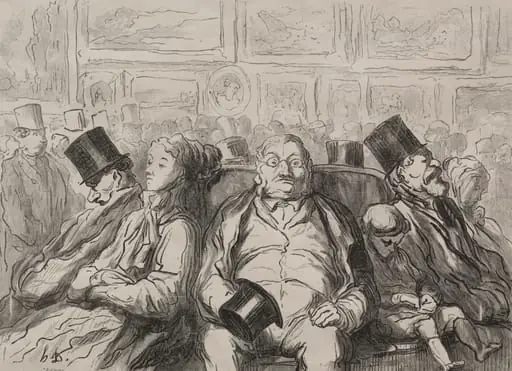 Paris, The Great Art Exhibition: A Moment of Rest in the Salon Carré