Artwork
Train de plaisir
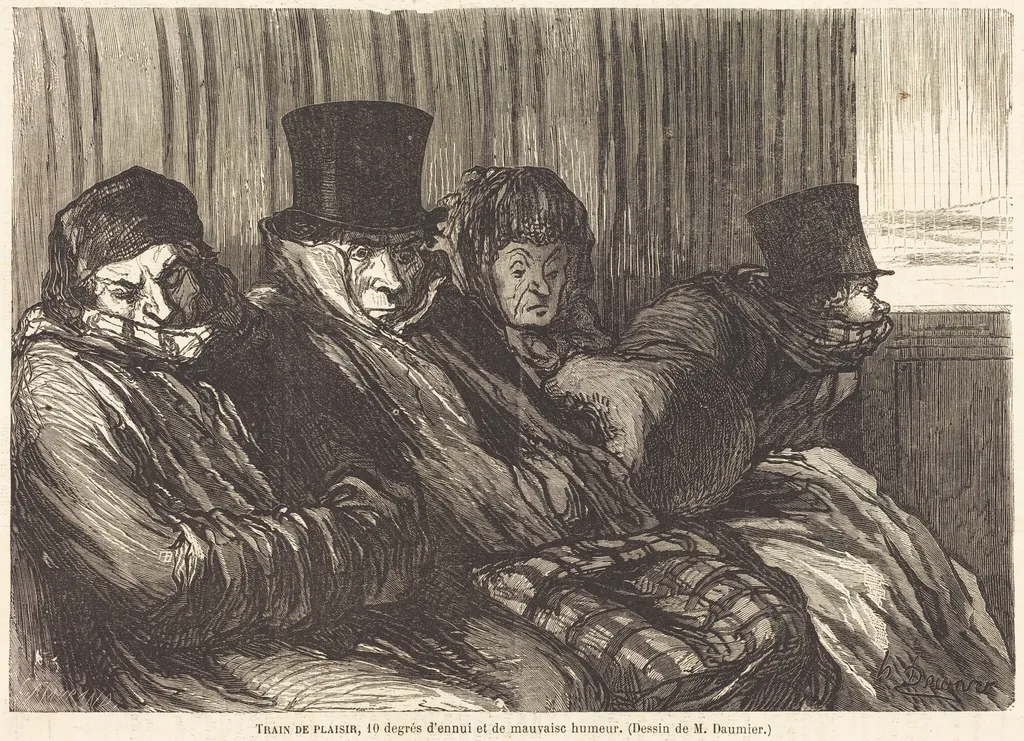
Train de plaisir is an ink print by the Impressionist artist Charles Maurand. It dates from 1862 and is held in the collection of the National Gallery of Art.
About this work
Overview
Charles Maurand’s 1862 wood engraving, titled Train de plaisir, presents a compact scene of three bundled figures seated within a confined interior that suggests a railway carriage. Rendered in black-and-white, the image captures a moment of collective fatigue, contrasting with the title’s ironic promise of enjoyment.
Subject & Meaning
The three passengers, huddled together against the chill, display weary expressions and detailed attire—a tall black hat, a fur‑lined coat, and a hooded garment. Their posture and facial lines convey a sense of monotony and exhaustion, hinting at the less‑glamorous reality of nineteenth‑century travel despite the title’s playful wording.
Technique & Style
Executed as a wood engraving, the work relies on crisp, intersecting lines to model texture and depth. Maurand’s rapid, sketch‑like strokes suggest the softness of fur and the coarseness of fabric, while the stark contrast between dark and light areas creates a three‑dimensional impression within the limited medium.
History & Provenance
Created in 1862, the print belongs to the period when wood engraving was a primary method for reproducing images in books and periodicals. Although specific ownership records are scarce, the work reflects Maurand’s engagement with contemporary social scenes and the burgeoning railway culture of the era.
Context
The mid‑nineteenth century saw rapid expansion of railway networks across Europe, transforming daily life and mobility. Maurand’s depiction captures the social atmosphere of early train travel, where passengers often endured cramped conditions and long journeys, a reality that contrasted sharply with the romanticized notion of the railway as a symbol of progress.
Artist & collection


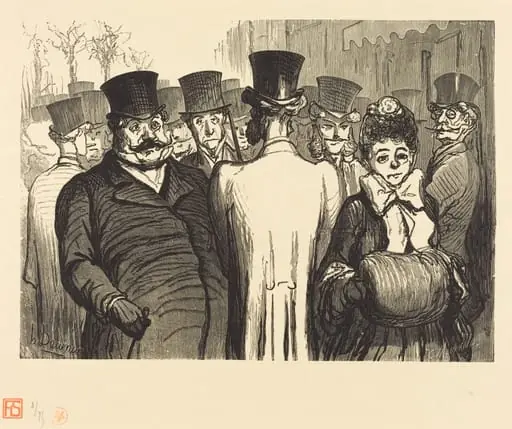
![Les troupes Austro-Prussiennes entrant a Hambourg ... [top half], by Charles Maurand](https://artifactworldgallery.com/img/charles-maurand--les-troupes-austro-prussiennes-entrant-a-hambourg-top-half--02c6312239757d47-w320.webp)
![Interieur d'un omnibus [bottom half], by Charles Maurand](https://artifactworldgallery.com/img/charles-maurand--interieur-d-un-omnibus-bottom-half--56e13655b1da7619-w320.webp)
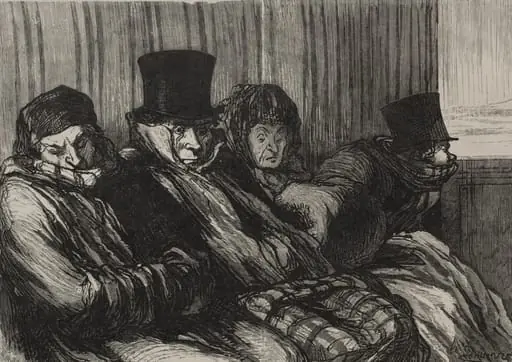 Holiday Train: Ten Degrees of Boredom and Bad Mood
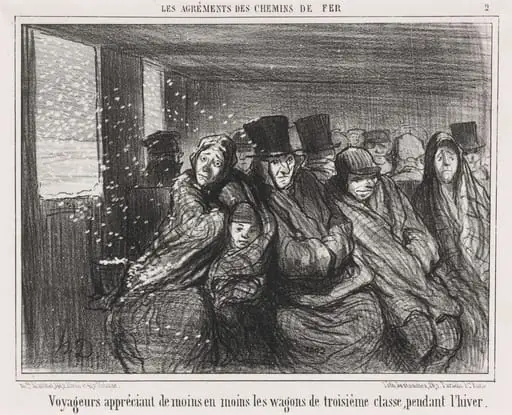 Voyageurs appréciant de moins en moins les wagons de troisième classe...
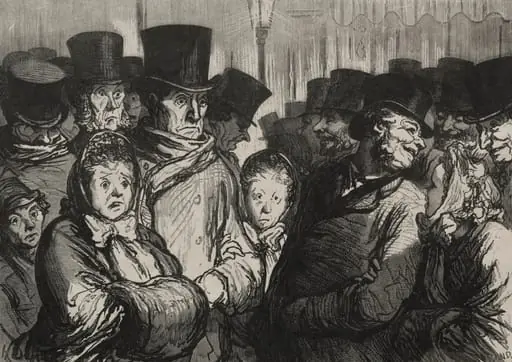 A Street at Midnight: Coming out of a drama. Coming out of a variety show
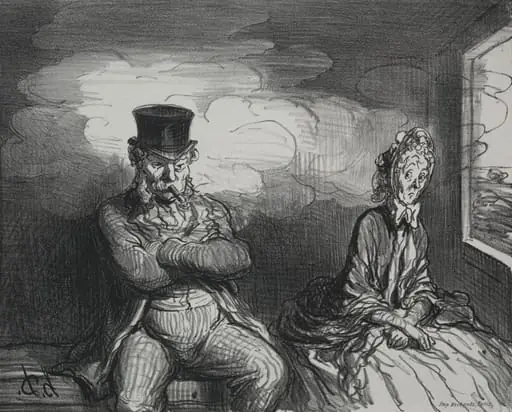 On the Train: A Pleasant Companion
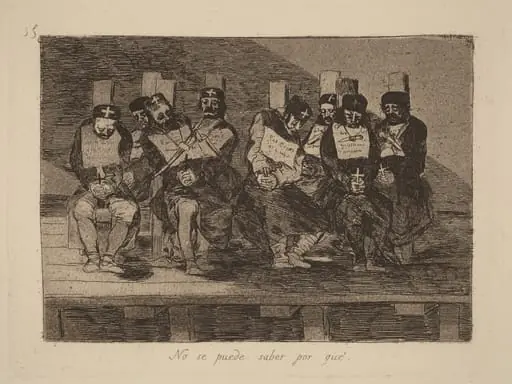 No se puede saber por que (One Can't Tell Why)
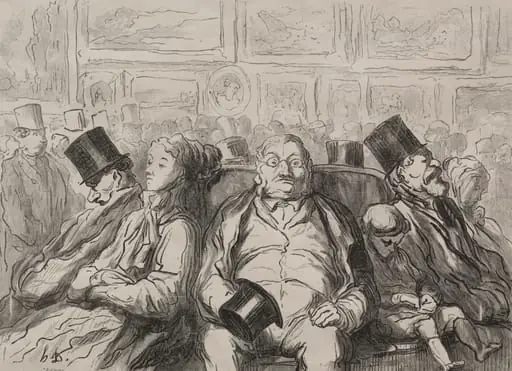 Paris, The Great Art Exhibition: A Moment of Rest in the Salon Carré
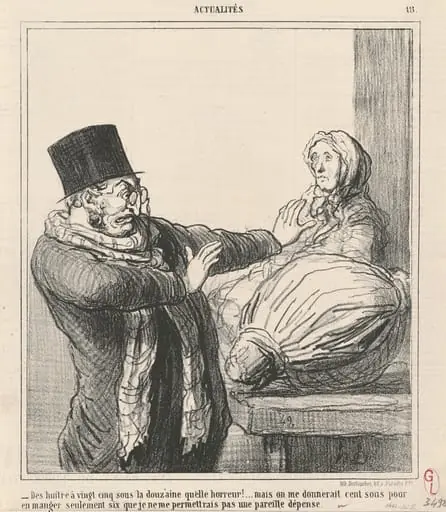 Des huitres a vingt-cinq sous la douzaine ... !
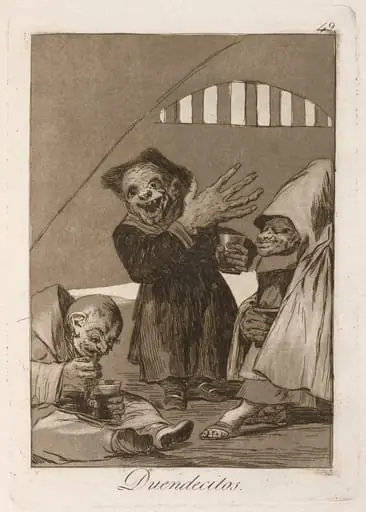 Duendecitos (Hobgoblins)
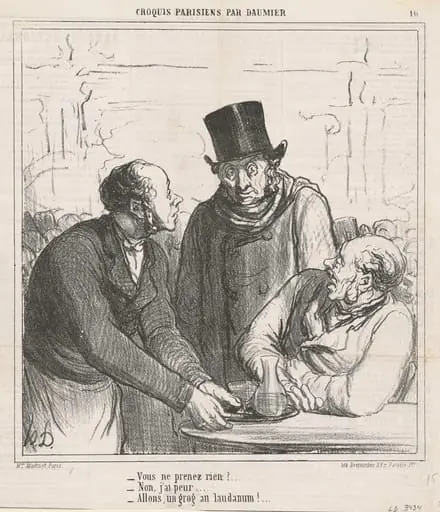 Vous ne prenez rien?
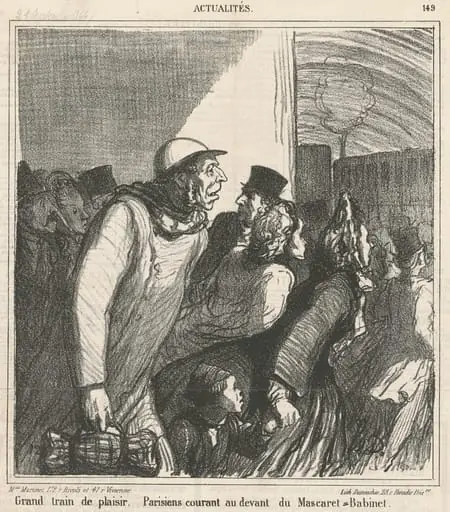 Grand train de plaisir
 Un nouveau théatre modèle