Artwork
Bacchanal
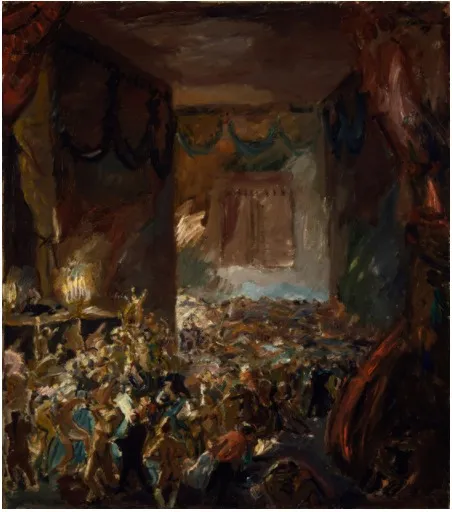
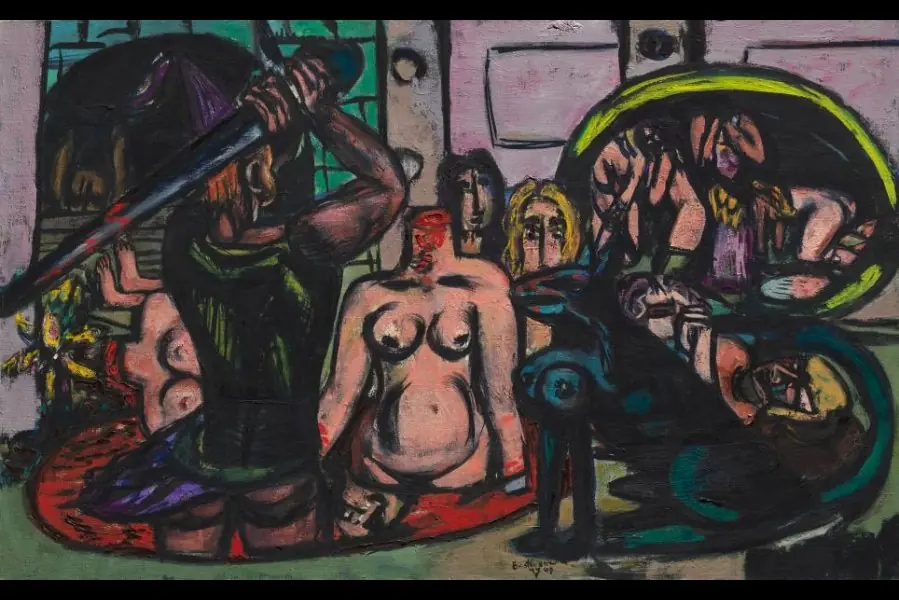
Bacchanal is an oil painting by Max Beckmann. It dates from 1909 and is held in the collection of the Los Angeles County Museum of Art.
About this work
Overview
Bacchanal is an oil painting created by German artist Max Beckmann in 1909. The work depicts a lively yet tense gathering, characteristic of Beckmann's unique blend of themes.
Subject & Meaning
The painting draws on mythological themes, specifically evoking a bacchanal, or ritual celebration in honor of Dionysus. Beckmann's interpretation merges revelry with underlying unease, reflecting his exploration of complex emotional states.
Technique & Style
Executed in a predominantly dark palette with selective flashes of bright color, the painting features meticulous detail, evident in textured clothing and skin. This attention to detail immerses the viewer in the scene. Beckmann's style at this point shows a balance between representation and expressive intensity, distinct from the overt emotionalism of Expressionism.
History & Provenance
Created in 1909, Bacchanal predates Beckmann's later association with the New Objectivity movement of the 1920s, which emphasized a more detached, realistic approach. Despite its 1909 creation, the work's themes and style bridge his early and later periods.
Context
While Bacchanal is sometimes associated with Expressionism due to its emotional depth, Beckmann himself rejected this label. The painting's blend of joy and tension reflects the artist's broader thematic concerns, set against the backdrop of early 20th-century German artistic experimentation.
Legacy
Bacchanal contributes to Beckmann's reputation for nuanced, psychologically complex artworks. Its detailed, expressive style influences subsequent generations of artists exploring the intersection of realism and emotional intensity.
Artist & collection
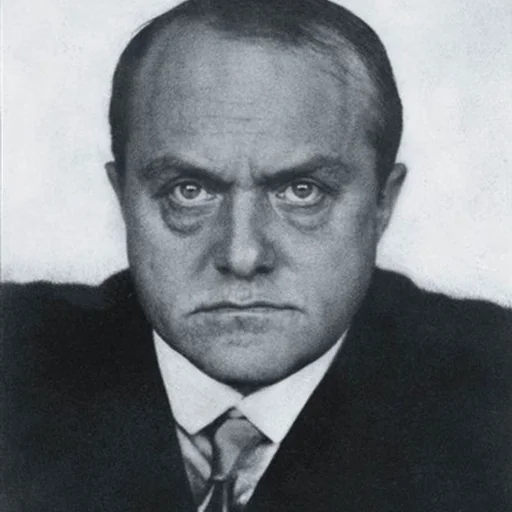
Artist
Max Carl Friedrich Beckmann (February 12, 1884 – December 27, 1950) was a German painter, draftsman, printmaker, sculptor, and writer.

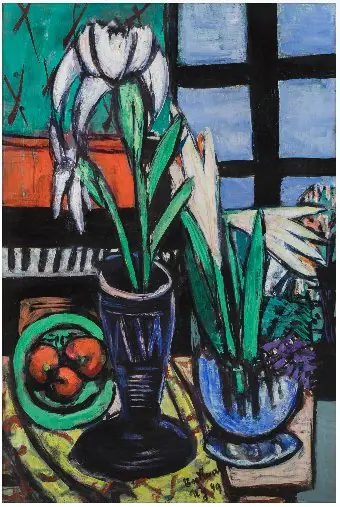
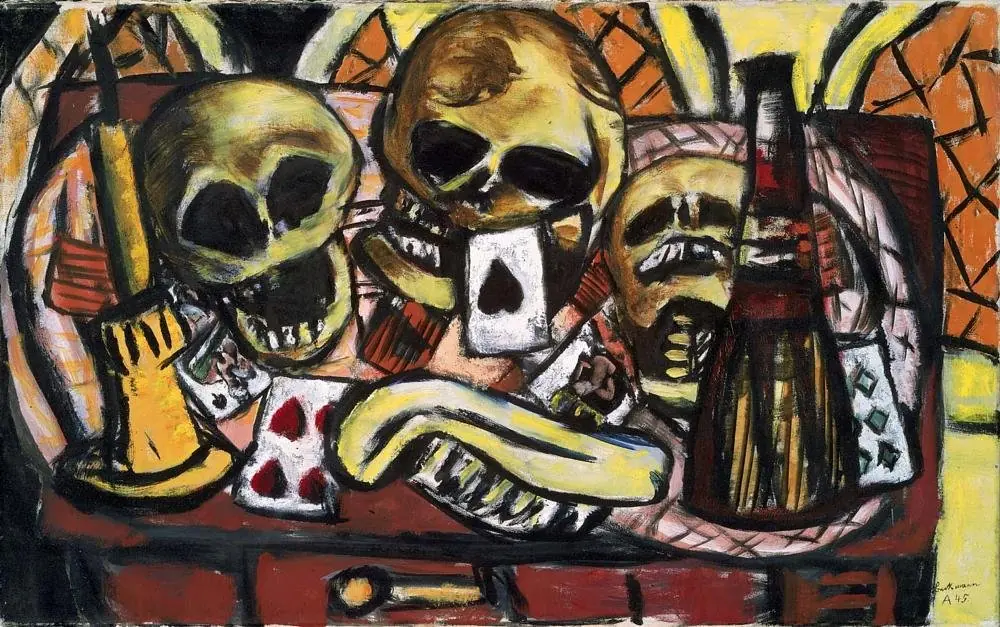
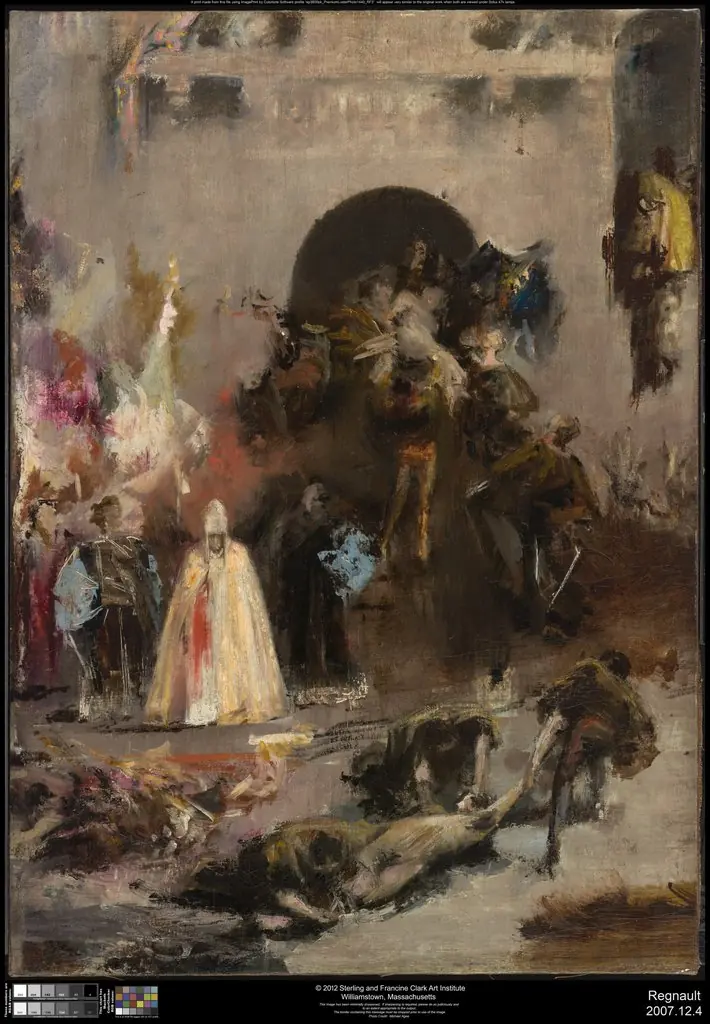 Scene from the Spanish Inquisition
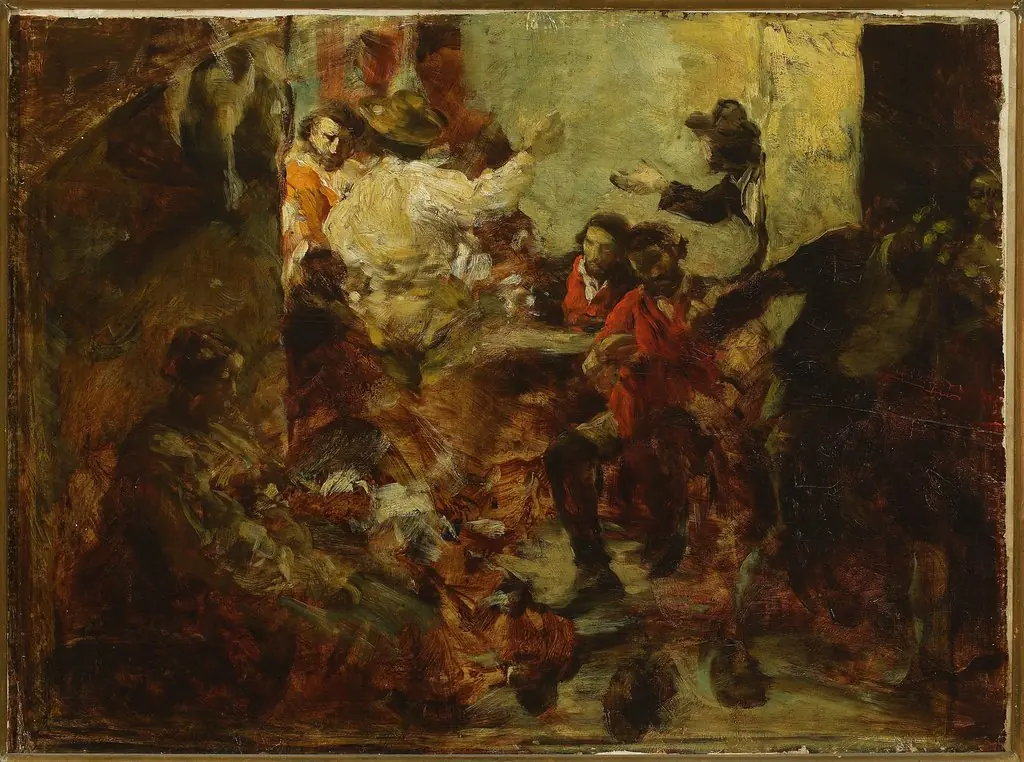 Tavern in Rome, sketch
 Coronation
 Finale (Stage Scene)
 Untitled
 Sketch for the painting “Potocka in Bakhchisaray”
 Les Amateurs de Tableaux
 Untitled
 The Golden Age in Literature in the 16th c., from the series “History of Civilization in Poland”
 The Vote (Sketch)
 Stage Set Consisting Of Painted Panels, Fabrics, And Fans
 The Suicide of the Countess