Artwork
Coronation
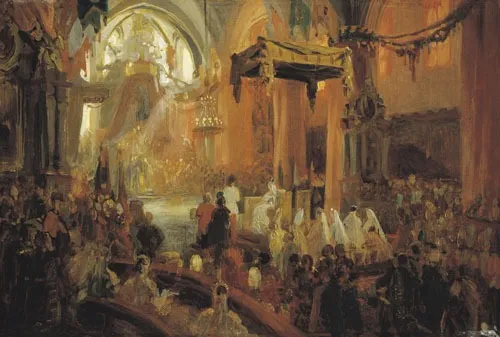
Coronation is an oil painting by the Realist artist Bertalan Székely. It dates from 1867 and is held in the collection of the Hungarian National Gallery.
About this work
Overview
Painted in 1867 by Hungarian artist Bertalan Székely, *Coronation* is an oil-on-canvas work that captures a ceremonial moment in a grand architectural space.
Painted in 1867 by Hungarian artist Bertalan Székely, *Coronation* is an oil-on-canvas work that captures a ceremonial moment in a grand architectural space. Though associated with Romantic and Academic traditions, the painting aligns with Realist tendencies through its attention to observable detail and restrained emotional tone. It resides in the Hungarian National Gallery, where it serves as a record of national ritual and visual culture in the mid-nineteenth century.
Subject & Meaning
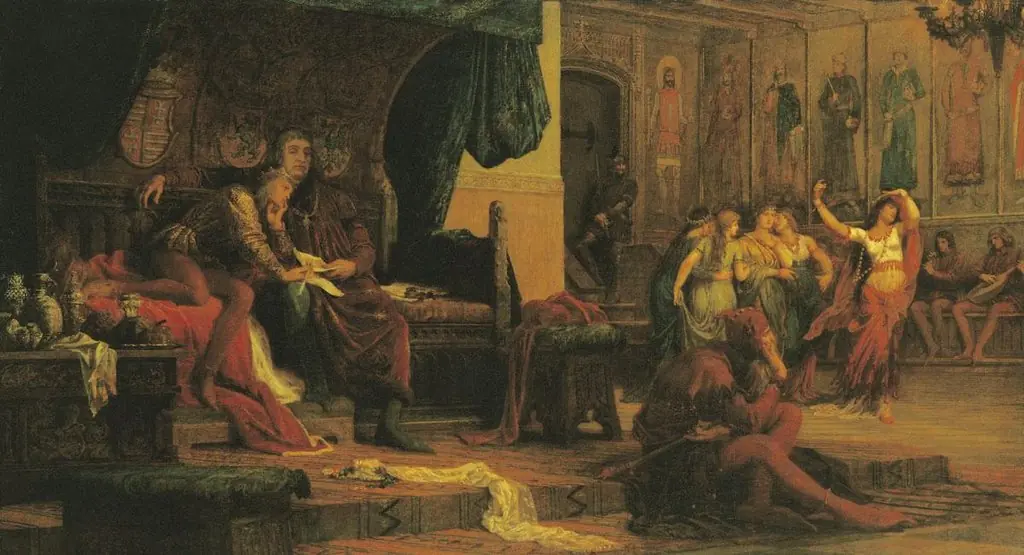
The scene depicts a formal coronation ceremony, likely referencing Hungarian royal traditions, though no specific monarch is identified. Figures in white robes gather around a raised platform, their focused attention suggesting a moment of solemn investiture. The absence of overt symbolism or dramatic gesture implies a preference for dignified realism over theatricality, emphasizing the ritual’s institutional gravity rather than individual heroism.
Technique & Style
Székely employs chiaroscuro to model forms and direct focus toward the central platform, where light gathers among the figures. The architectural setting—arched windows, lined benches—anchors the composition in spatial realism. Brushwork is precise but not overly polished, avoiding idealization in favor of textured fabrics and naturalistic lighting. The palette remains muted, reinforcing the ceremony’s solemnity without embellishment.
History & Provenance
Completed in 1867, the year of the Austro-Hungarian Compromise, the painting emerged during a period of renewed Hungarian national identity. It entered the collection of the Hungarian National Gallery soon after its creation, where it has remained as part of the state’s curated historical narrative. Its preservation reflects its role as a visual document of civic ritual during a politically significant era.
Context
The painting reflects the cultural climate of post-1848 Hungary, where historical and ceremonial subjects gained renewed importance amid efforts to assert national sovereignty. While contemporaneous artists often turned to myth or battle scenes, Székely chose a quiet, institutional moment, aligning with Realism’s emphasis on everyday truth. The absence of foreign rulers or overt political symbols suggests a deliberate focus on internal continuity rather than external authority.
Legacy
*Coronation* endures as a representative example of Hungarian Realist painting, valued for its restrained depiction of state ritual. It contributes to the historical record of how national ceremonies were visually framed during the Austro-Hungarian period. Though not widely exhibited internationally, it remains a key work in the Hungarian National Gallery’s collection for its fidelity to observed detail and its quiet resonance with national consciousness.
Artist & collection
Artist
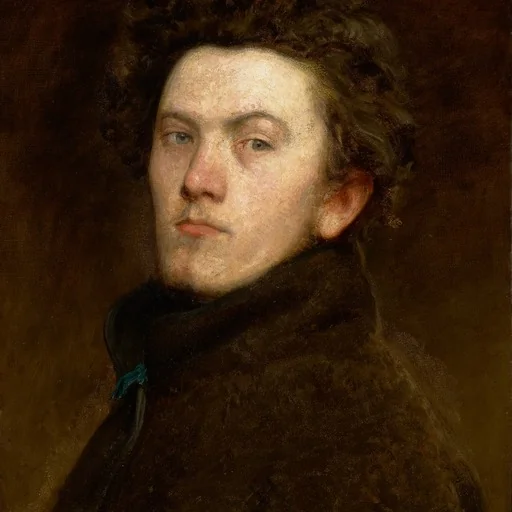
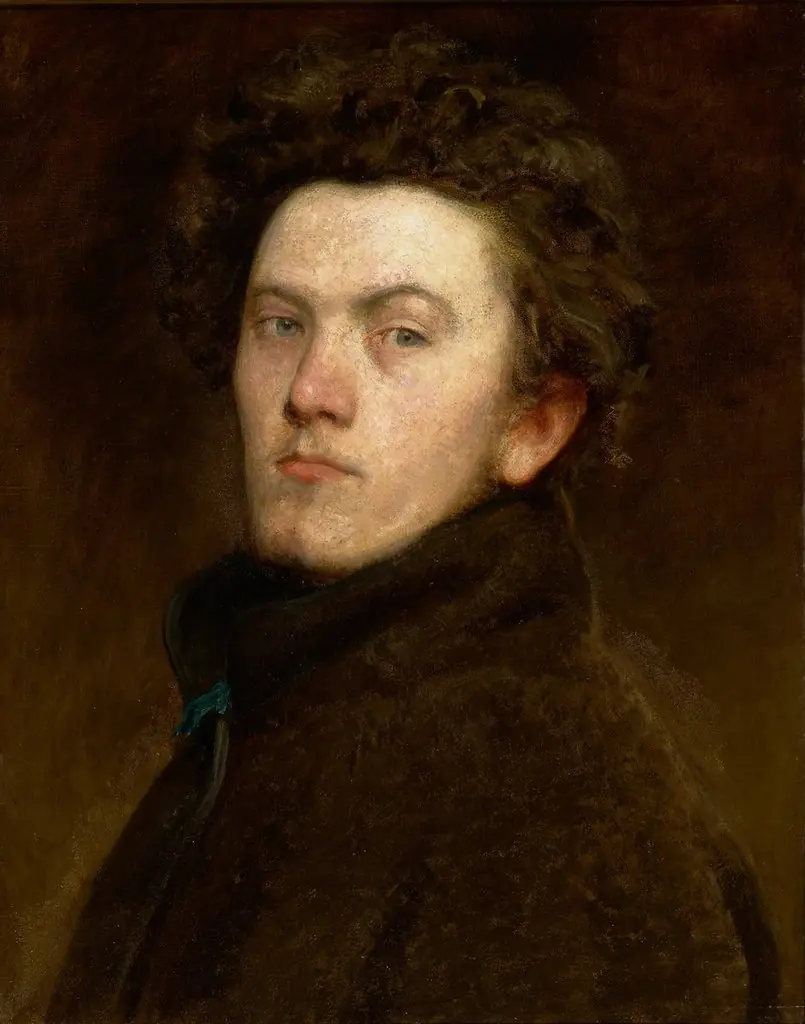
Bertalan Székely (8 May 1835, Kolozsvár, Transylvania, Kingdom of Hungary (now Cluj-Napoca, Romania) – 21 August 1910, Budapest, Transleithania, Austria-Hungary) was a Hungarian history and portrait painter who worked in the Romantic and…

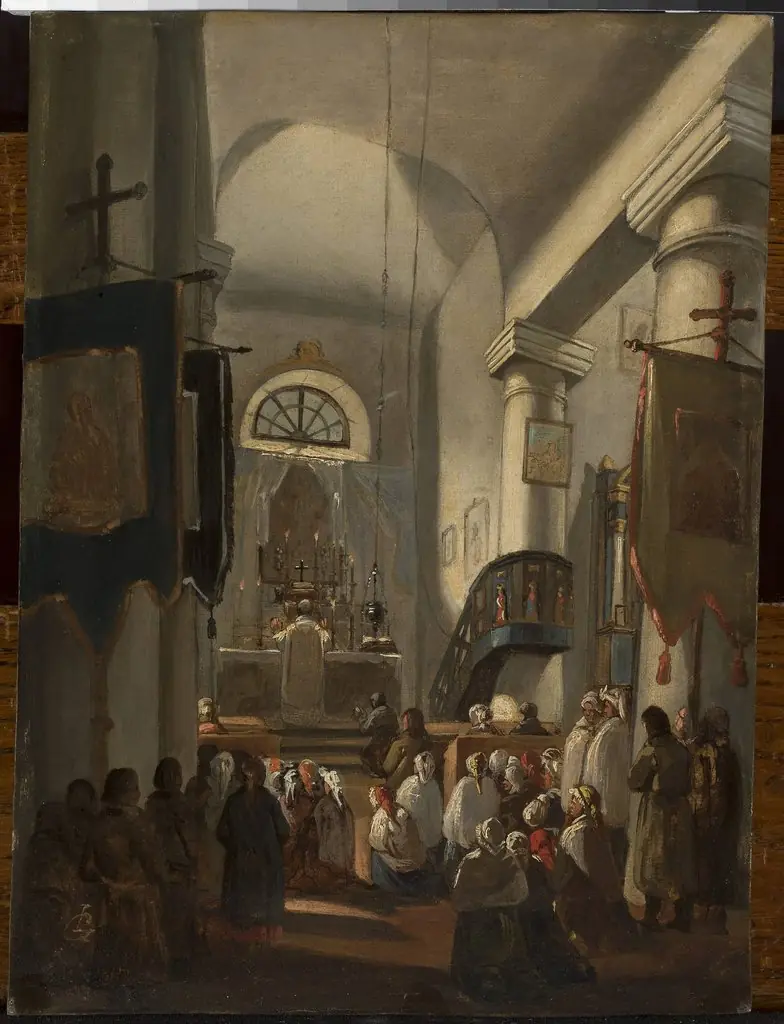 Church interior with staffage
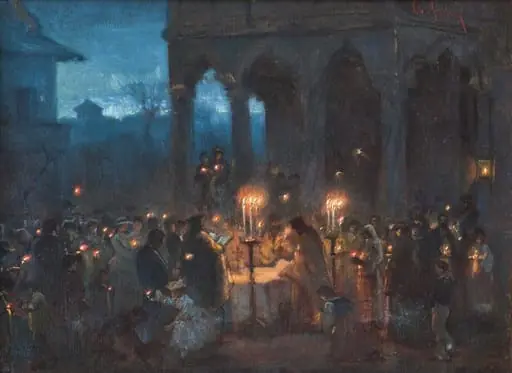 Slujba Învierii la Stavropoleos
 Interior de biserică
 Noaptea din Vinerea Patimilor
 Das Innere der Piaristenkirche in Wien
 Assassination of the Bishop of Liège
 Ferdinand VII swears the Oath as Prince of Asturias
 Juhannusjumalanpalvelus Lohjan kirkossa
 Elena Tumtikya uja
 Interior of the Church of Virgin Mary in Kraków
 Courtyard of a temple
 Interior of St. John’s Cathedral in Warsaw