Artwork
Bearing of the Cross
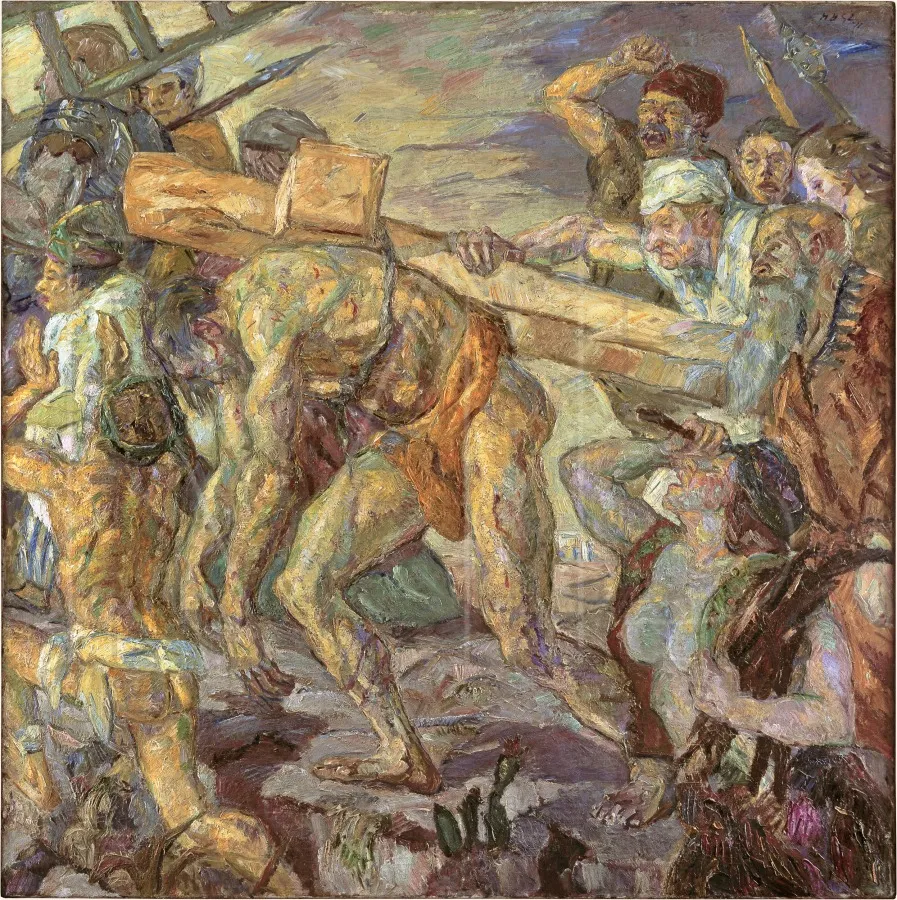
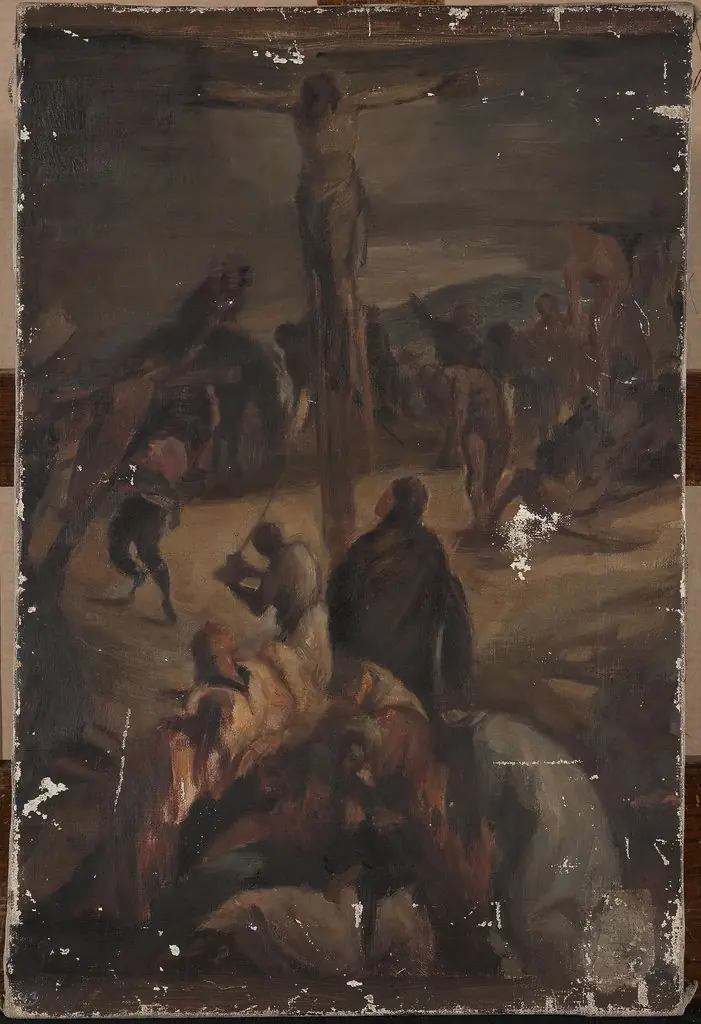
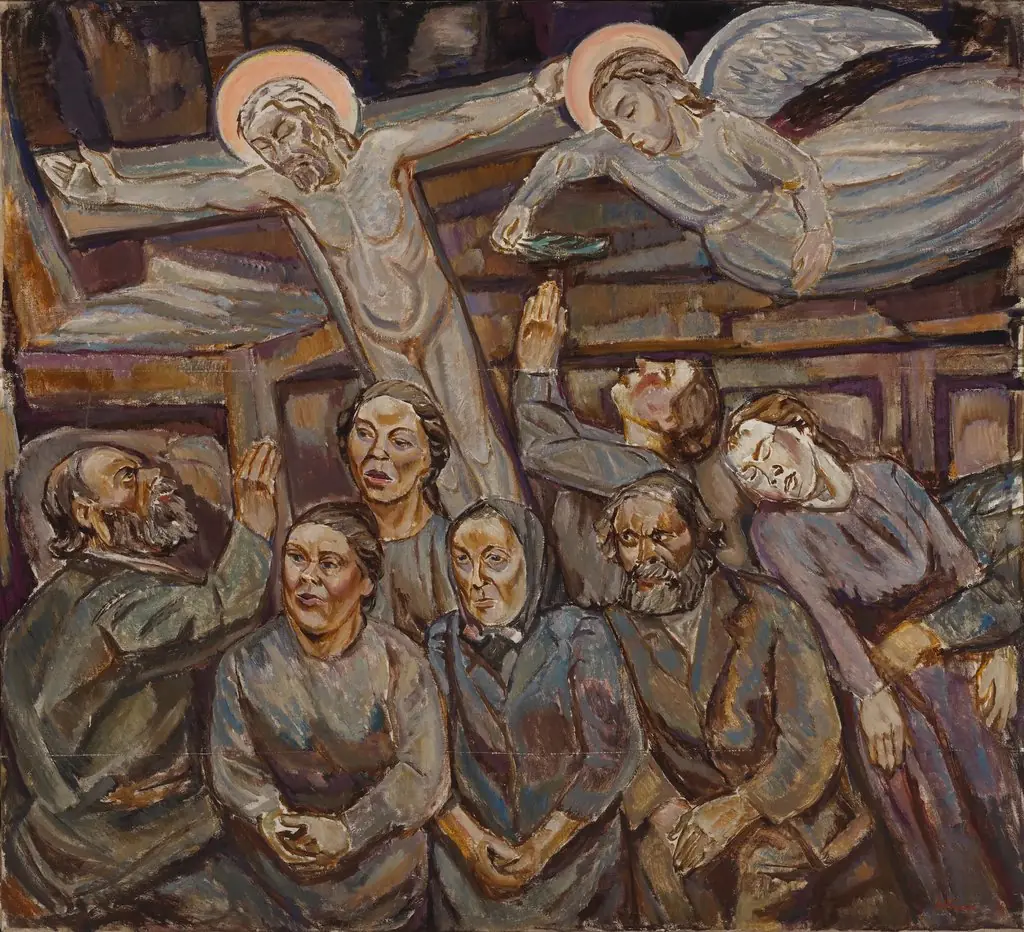
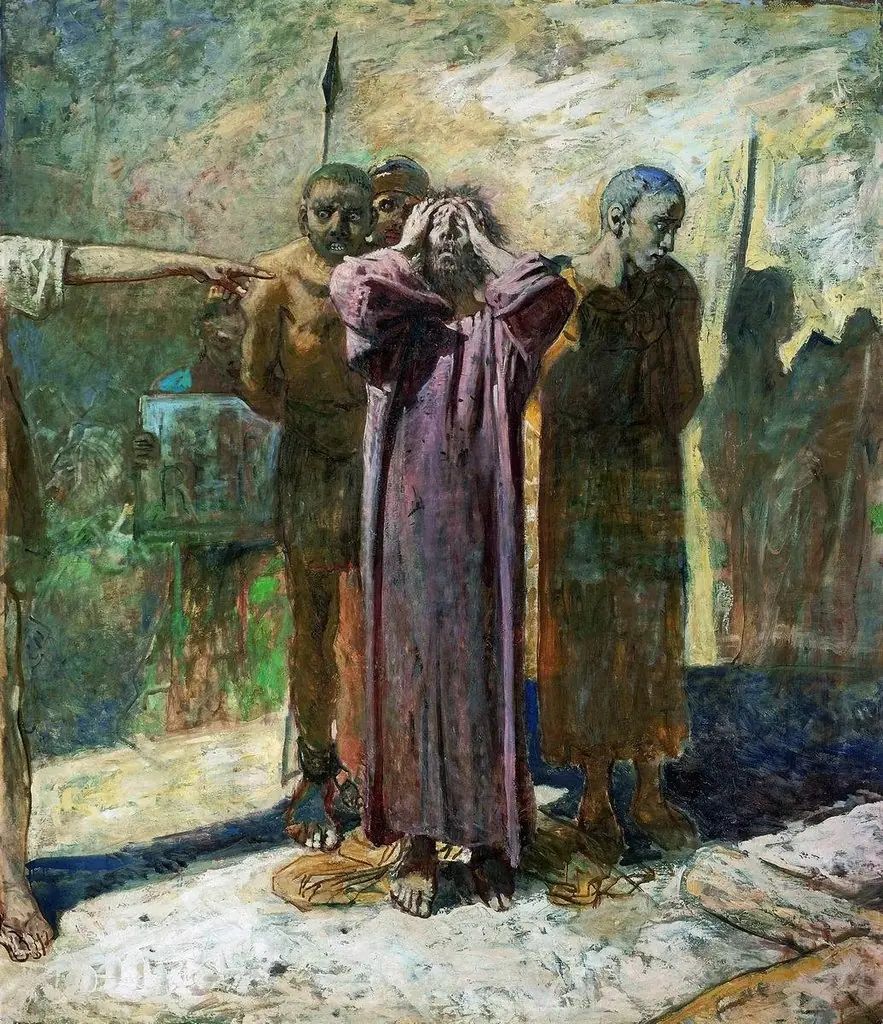
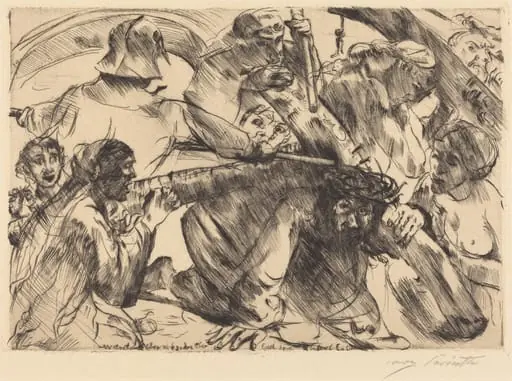
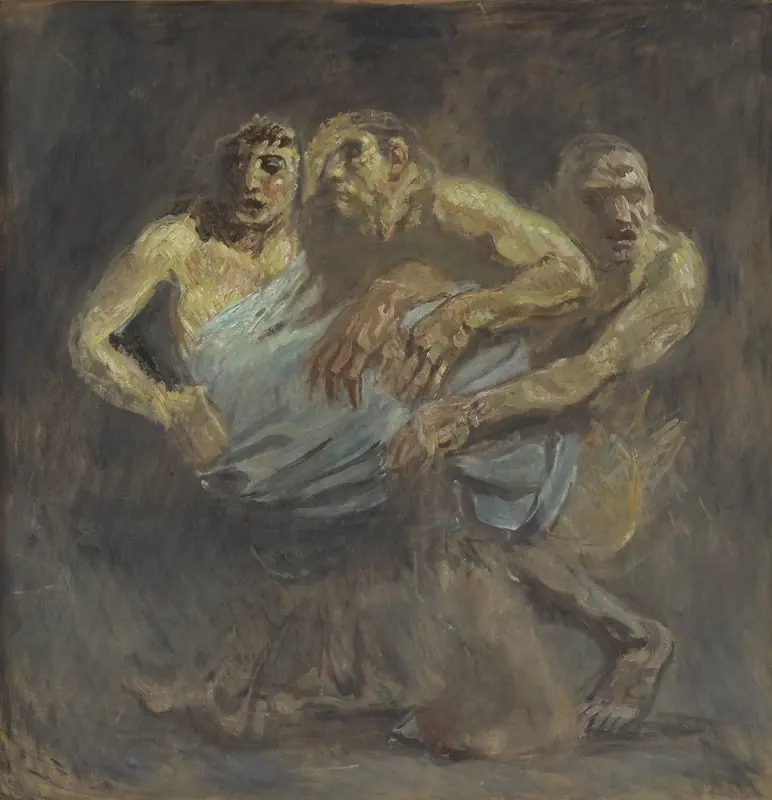
Bearing of the Cross is an oil painting by Max Beckmann. It dates from 1911 and is held in the collection of the Hamburger Kunsthalle.
About this work
Overview
The painting resides in the Hamburger Kunsthalle, where it stands as an early example of his distinctive approach to narrative and psychological weight.
Painted in 1911, *Bearing of the Cross* is an oil on canvas work by German artist Max Beckmann. It depicts a moment from the Passion of Christ, rendered with emotional intensity rather than devotional serenity. Though often associated with Expressionism, Beckmann later distanced himself from the label. The painting resides in the Hamburger Kunsthalle, where it stands as an early example of his distinctive approach to narrative and psychological weight.
Subject & Meaning
The scene portrays Christ bearing the cross amid a turbulent crowd, each figure reacting with varied agitation—some reaching, others recoiling. Beckmann avoids idealization, instead emphasizing human suffering and moral ambiguity. The religious subject is not treated as sacred spectacle but as a visceral, communal moment of burden and confusion, reflecting broader anxieties of the early 20th century.
Technique & Style
Beckmann employs thick, forceful brushwork and heightened color to amplify emotional tension. Forms are distorted, limbs elongated, and spatial depth flattened, creating a sense of claustrophobia. The use of impasto adds texture and physicality to the figures, reinforcing their psychological strain. His style here anticipates his later New Objectivity phase, blending expressive distortion with a stark, almost clinical observation of human behavior.
History & Provenance
Completed in 1911, the painting entered the collection of the Hamburger Kunsthalle in the early 20th century and has remained there since. It was acquired during a period when the museum actively expanded its holdings of contemporary German art. Unlike many of Beckmann’s later works, this piece was not confiscated or destroyed during the Nazi era, allowing it to survive intact as a key early work in his oeuvre.
Context
Created on the eve of World War I, the painting reflects a cultural climate marked by instability and spiritual questioning. Beckmann, then in his late twenties, was absorbing influences from medieval altarpieces and contemporary avant-garde movements. His reinterpretation of religious iconography diverged from traditional piety, instead mirroring the fractured psyche of modern society and the erosion of certainties in pre-war Europe.
Legacy
Though less known than his later wartime paintings, *Bearing of the Cross* established core themes in Beckmann’s career: psychological depth, social alienation, and the reimagining of mythic narratives. It foreshadowed his mature style and influenced postwar German artists seeking to confront trauma through symbolic, non-idealized imagery. The work remains a critical link between early Expressionism and the emergence of New Objectivity.
Artist & collection
Artist
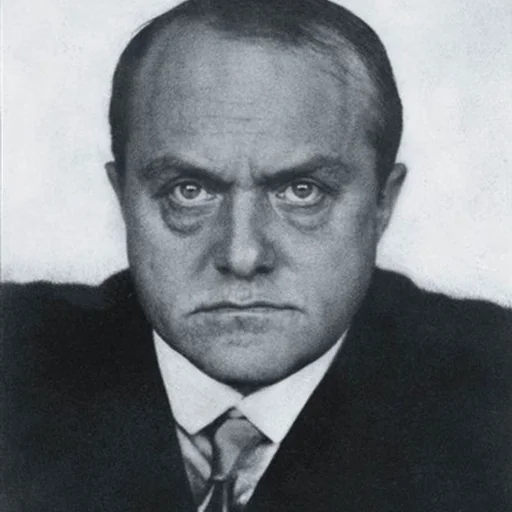
Max Carl Friedrich Beckmann (February 12, 1884 – December 27, 1950) was a German painter, draftsman, printmaker, sculptor, and writer.