Artwork
Happy New Year 1917
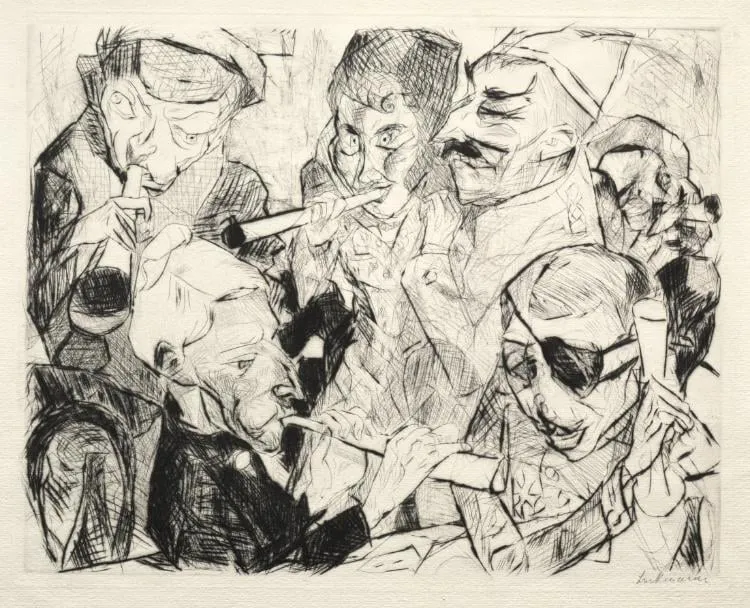
Happy New Year 1917 is a print by Max Beckmann. It dates from 1917 and is held in the collection of the Cleveland Museum of Art.
About this work
Overview
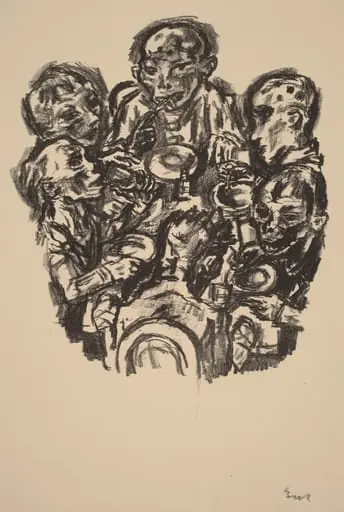
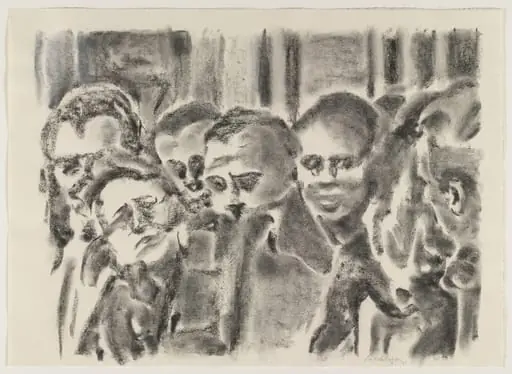
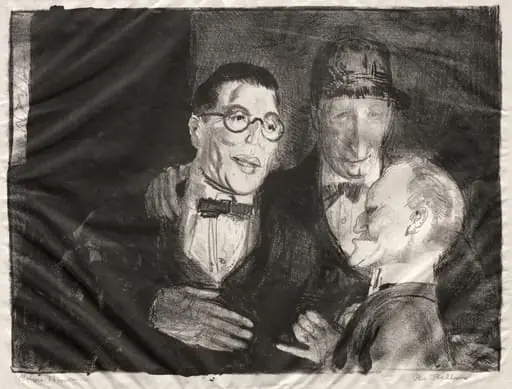
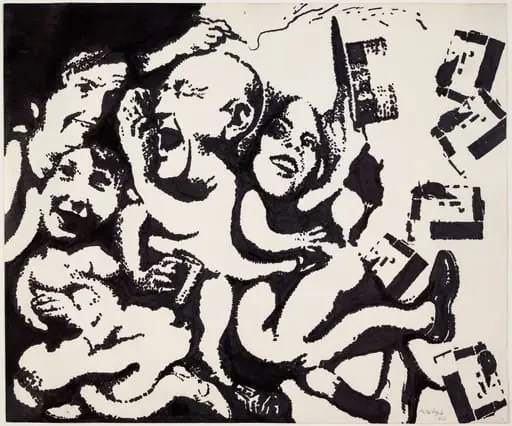
‘Happy New Year 1917’ is a drypoint print that captures a densely populated New Year’s gathering. The composition is filled with figures in formal attire, yet their expressions convey disquiet and excess. Central among them is a gaunt, skeletal veteran with a patched eye, surrounded by other inebriated revelers, suggesting a scene of collective escapism.
Subject & Meaning
The work juxtaposes celebration with the lingering trauma of war. By placing a wounded soldier amid drunken merrymakers, the artist comments on the absurdity of festive indulgence in a society still bearing the scars of conflict. The portrayal implies that the revelry is a hollow distraction, a folly masking deeper social unease.
Technique & Style
Created through drypoint, the image was produced by incising lines directly onto a copper plate. The process leaves a characteristic soft, velvety burr along each line, giving the print a spontaneous, sketch‑like quality. This method allowed the artist to render the crowded scene with immediacy, emphasizing texture and tonal variation without the precision of etching.
Context
The print emerged in the final year of World War I, a period marked by hardship and uncertainty in Germany. Public gatherings such as New Year’s parties offered brief respite, yet the pervasive presence of a war‑injured veteran reflects the omnipresent impact of the conflict on everyday life. The work thus serves as a visual document of the era’s social climate.
Artist & collection
Artist
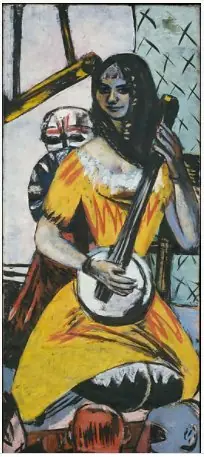
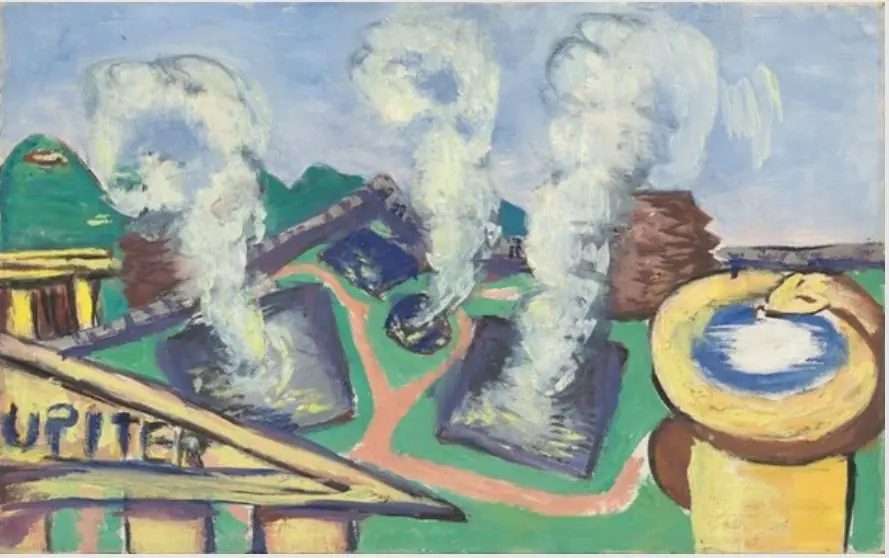
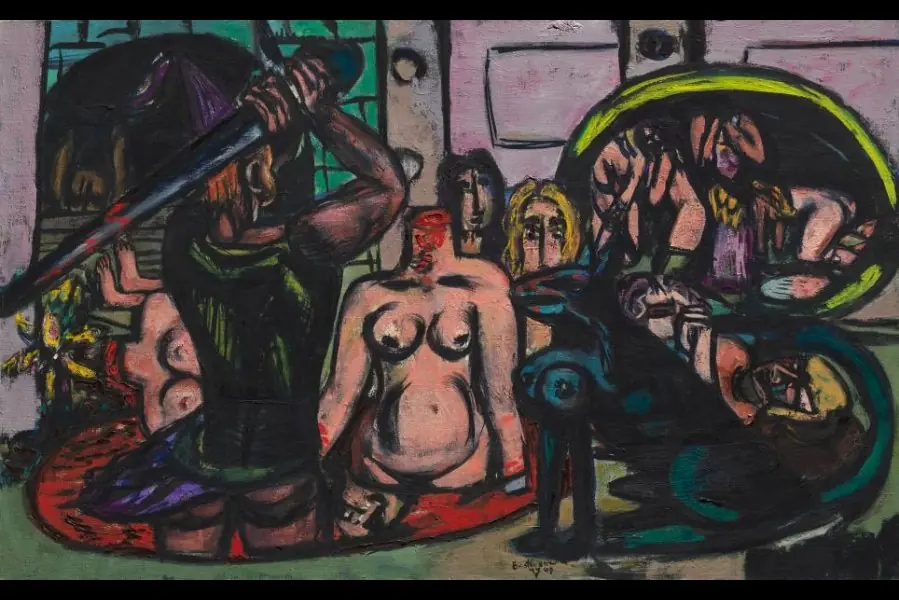
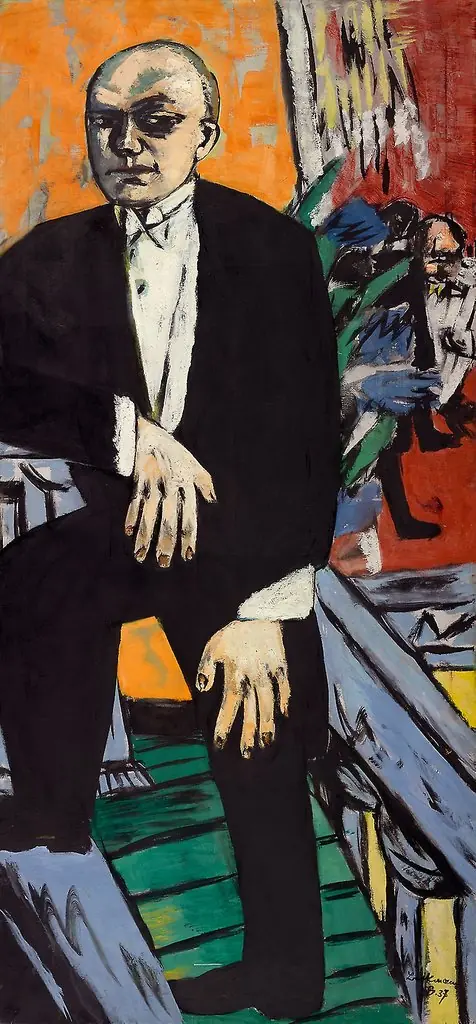
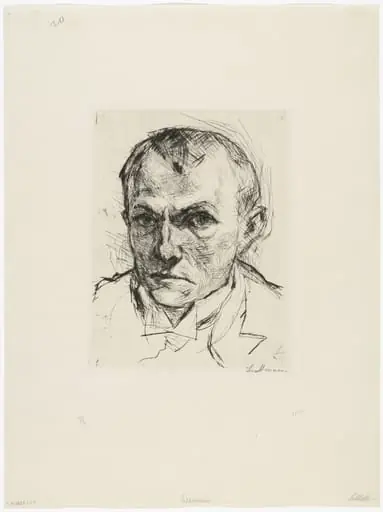
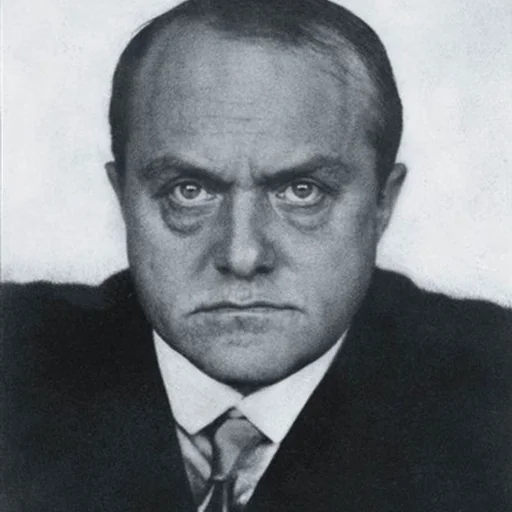
Max Carl Friedrich Beckmann (February 12, 1884 – December 27, 1950) was a German painter, draftsman, printmaker, sculptor, and writer.