Artwork
Untitled
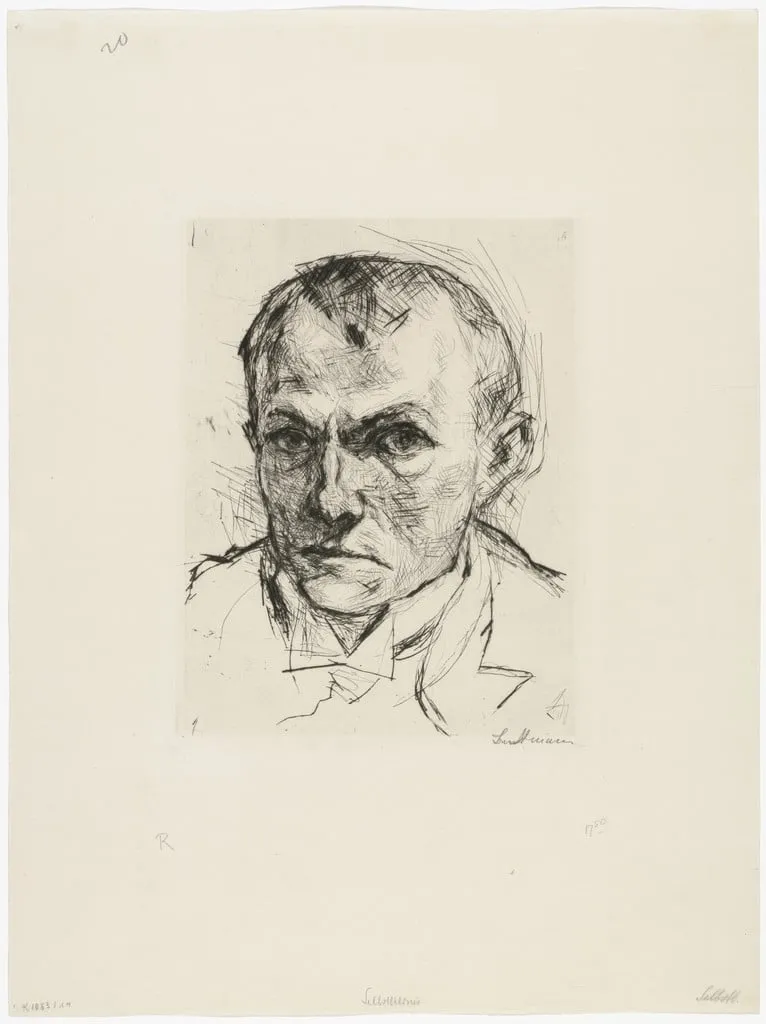
Untitled is an ink print by Max Beckmann. It dates from 1914 and is held in the collection of the Museum of Modern Art.
About this work
Overview
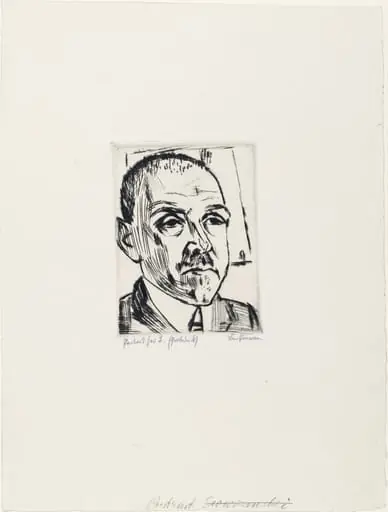
Created in 1914, this drypoint print by Max Beckmann is one of many graphic works from his early career. Unlike his later, more structured compositions, this piece captures a moment of psychological stillness. The technique—drypoint—allows for rich, velvety lines that emphasize texture and form, reflecting Beckmann’s interest in the human presence as a site of quiet complexity.
Subject & Meaning
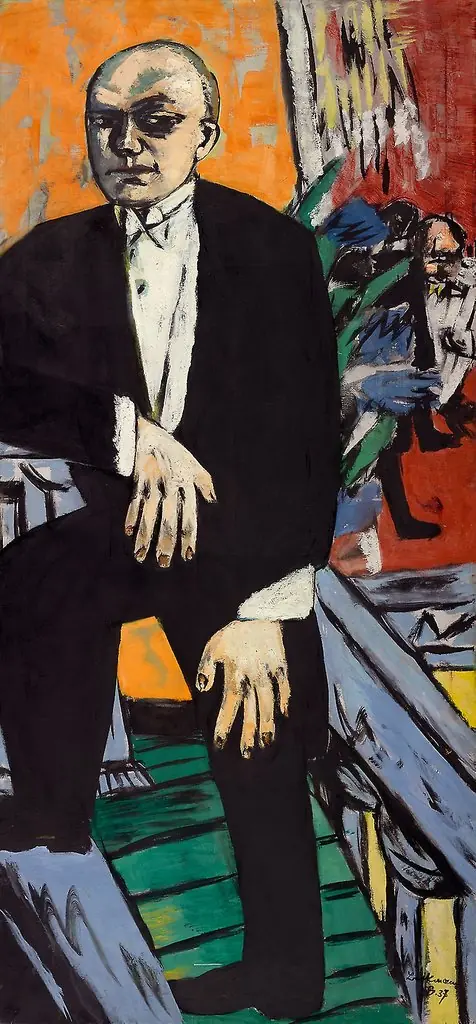
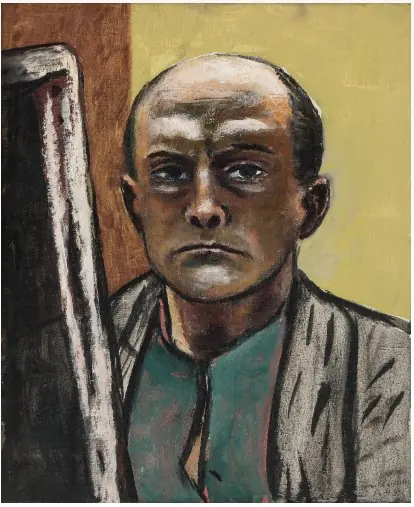
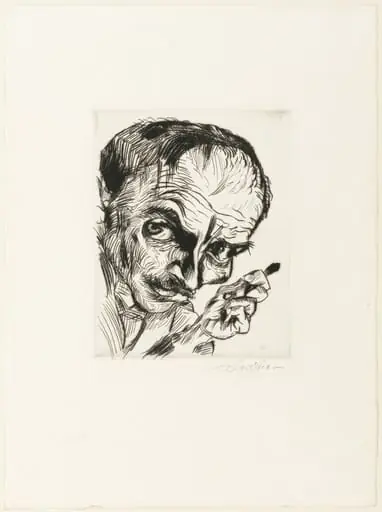
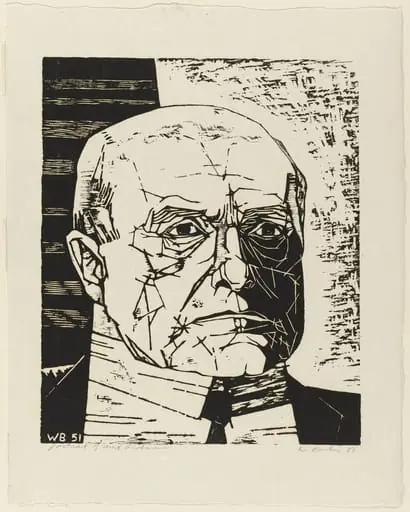
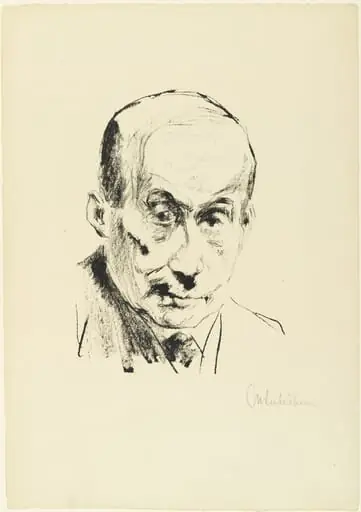
The portrait depicts a man with a direct, unsmiling gaze, his features rendered with sharp clarity. There is no narrative context—no setting, no props—only the figure and his intense gaze. The absence of external detail focuses attention on the psychological weight of the subject, suggesting an inner tension that resists easy interpretation, a hallmark of Beckmann’s early portraiture.
Technique & Style
The brushwork is deliberate, not decorative; the shading builds volume through accumulation rather than gradation, lending the image a sculptural gravity.
Beckmann employed drypoint to carve fine, incised lines directly into the plate, creating deep, expressive strokes that hold ink densely. The contrast between the dark, heavy contours of the face and the pale, unmodulated background enhances the figure’s presence. The brushwork is deliberate, not decorative; the shading builds volume through accumulation rather than gradation, lending the image a sculptural gravity.
History & Provenance
This print dates from a transitional period in Beckmann’s career, before his formal association with New Objectivity. It was made during his time in Berlin, when he was refining his graphic practice alongside painting. While the specific provenance of this impression is not widely documented, it aligns with a group of early drypoints produced between 1912 and 1916, many of which were privately circulated or exhibited in small print circles.
Context
In 1914, Germany stood on the brink of war, and artistic expression was shifting away from romantic idealism toward psychological realism. Beckmann, though often grouped with Expressionists, avoided ideological labels. His focus on the individual’s inner state—without overt symbolism or emotional exaggeration—foreshadowed the cooler, more analytical tone of New Objectivity that would emerge later in the decade.
Legacy
This print exemplifies Beckmann’s enduring interest in the human face as a vessel of unspoken emotion. Though less known than his large-scale paintings, his graphic works like this one influenced postwar German artists seeking to reconcile formal precision with psychological depth. The quiet intensity of his drypoints remains a quiet counterpoint to the more flamboyant styles of his contemporaries.
Artist & collection
Artist
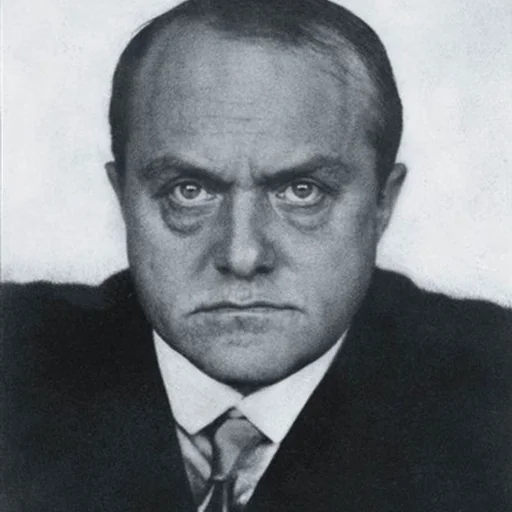
Max Carl Friedrich Beckmann (February 12, 1884 – December 27, 1950) was a German painter, draftsman, printmaker, sculptor, and writer.