Artwork
Still Life with Fallen Candles
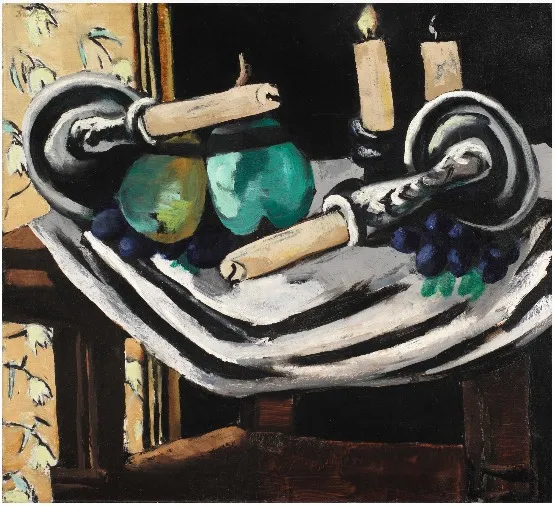
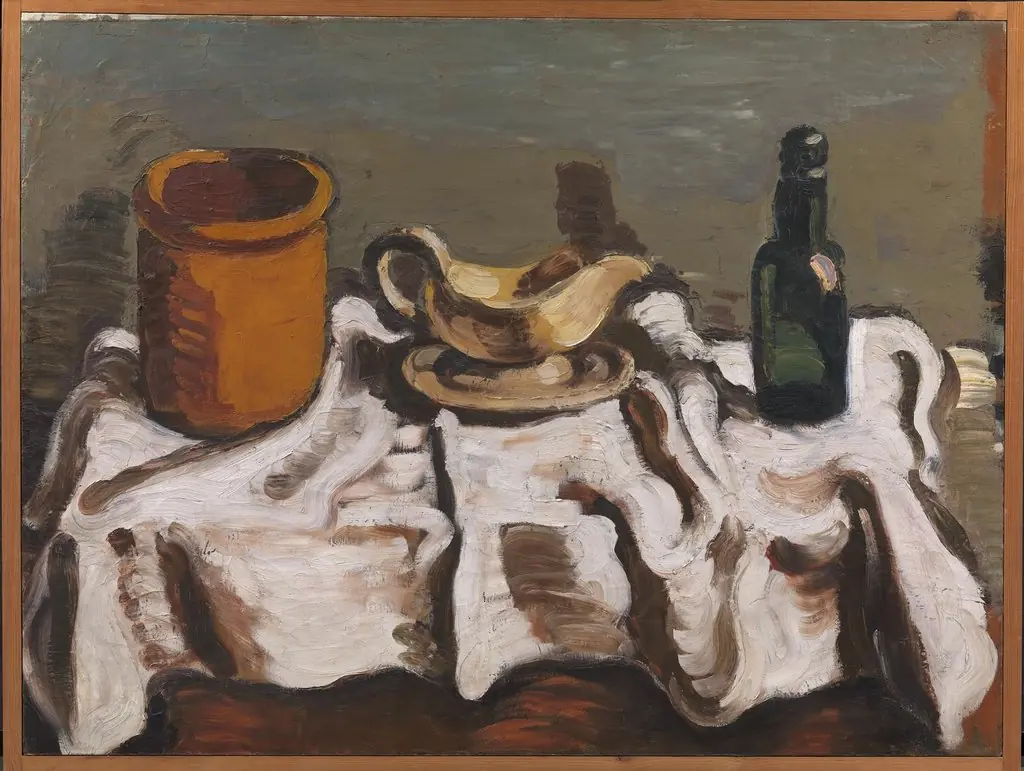
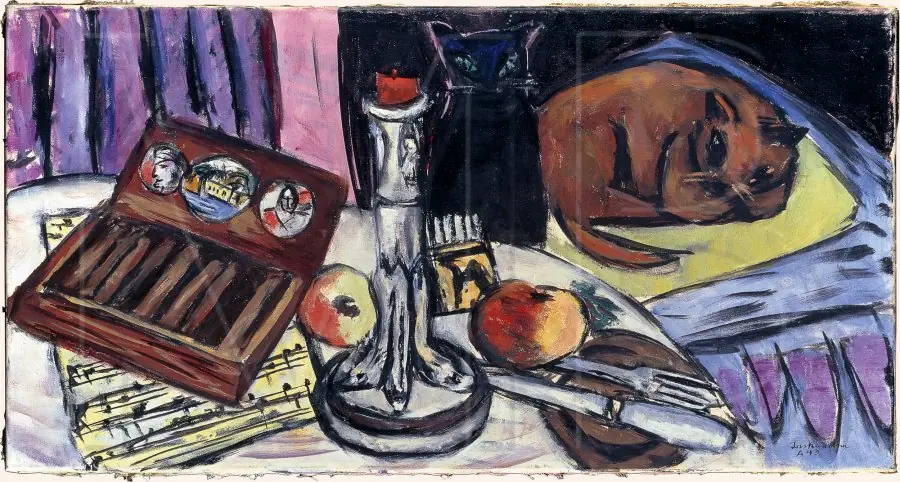
Still Life with Fallen Candles is an oil painting by Max Beckmann. It dates from 1929 and is held in the collection of the Detroit Institute of Arts.
About this work
Overview
It belongs to a series of still lifes he produced during his time in Frankfurt, reflecting his engagement with the New Objectivity movement.
Painted in 1929, *Still Life with Fallen Candles* is an oil on canvas work by German artist Max Beckmann. It belongs to a series of still lifes he produced during his time in Frankfurt, reflecting his engagement with the New Objectivity movement. Unlike traditional still lifes, this composition avoids serene order, instead presenting everyday objects in a state of disarray that suggests psychological undercurrents.
Subject & Meaning
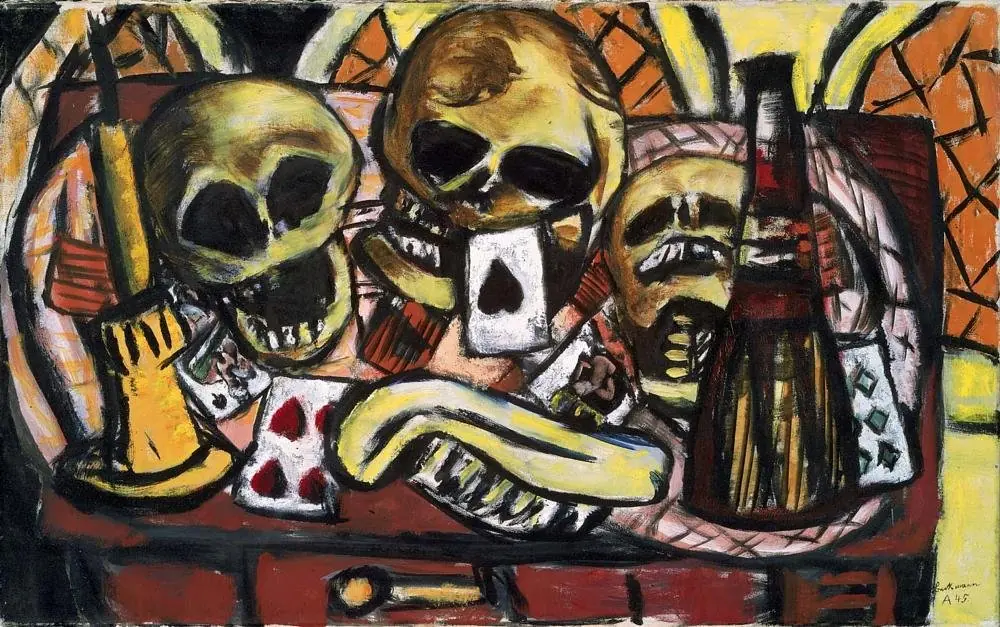
The painting depicts a table setting with two extinguished candles, their wax pooled and deformed, alongside a bowl of fruit and a small green object, possibly a pear or apple. The fallen candles imply sudden interruption or loss, while the fruit, rendered with unnatural clarity, feels both present and alien. These elements together evoke a quiet unease, hinting at transience and disruption without explicit narrative.
Technique & Style
Beckmann employs thick, deliberate brushwork and heightened color contrasts—deep shadows against pale linen, vivid fruit against muted tones—to amplify emotional tension. Forms are slightly distorted, not for abstraction but to intensify presence. The tablecloth’s folds and the candles’ melted shapes are rendered with precise, almost clinical detail, yet the overall composition feels unbalanced, reinforcing a sense of instability.
History & Provenance
Created during Beckmann’s tenure at the Städelschule in Frankfurt, the painting entered the collection of the Detroit Institute of Arts in the mid-20th century. It was acquired alongside other works from his German period, reflecting institutional interest in New Objectivity. Its provenance remains largely unaltered since its acquisition, preserving its historical context within Beckmann’s oeuvre.
Context
In the late 1920s, Beckmann moved away from Expressionist intensity toward a cooler, more analytical style aligned with New Objectivity. This shift reflected broader cultural anxieties in Weimar Germany. His still lifes, though seemingly mundane, became vessels for psychological weight—echoing societal fragility, personal dislocation, and the erosion of certainty after World War I.
Legacy
Though less known than his large-scale figurative works, *Still Life with Fallen Candles* exemplifies Beckmann’s ability to infuse ordinary scenes with latent tension. It influenced later artists interested in psychological realism and the symbolic potential of domestic objects. The painting remains a quiet but persistent testament to his unique synthesis of observation and inner disturbance.
Artist & collection
Artist
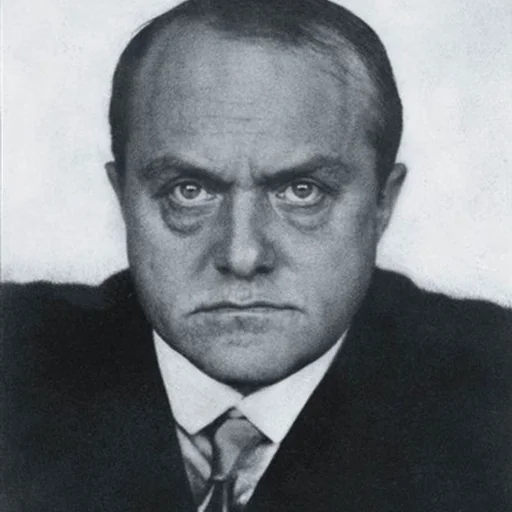
Max Carl Friedrich Beckmann (February 12, 1884 – December 27, 1950) was a German painter, draftsman, printmaker, sculptor, and writer.