Artwork
Untitled
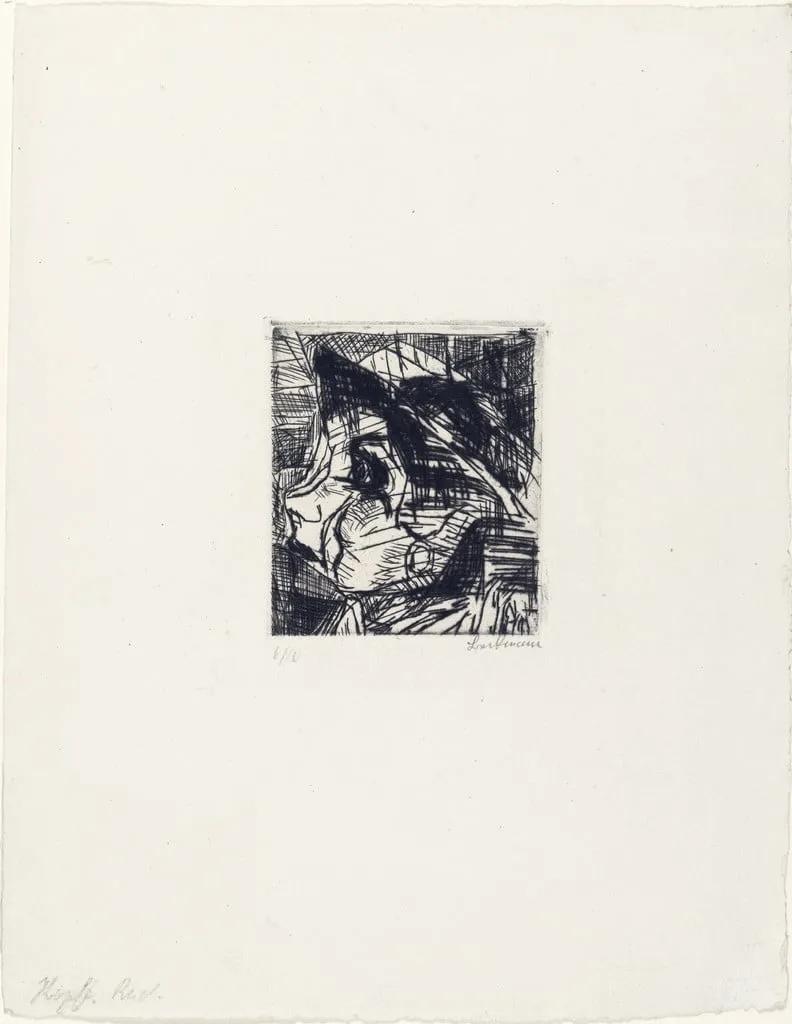
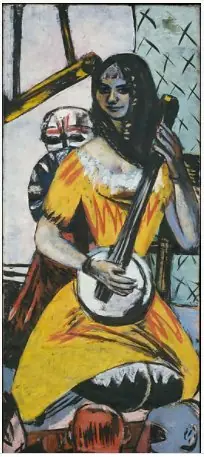
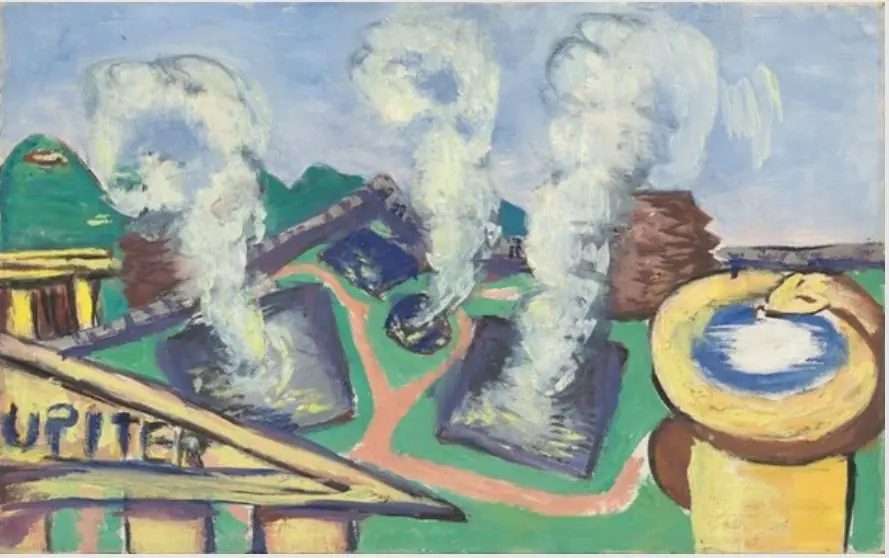
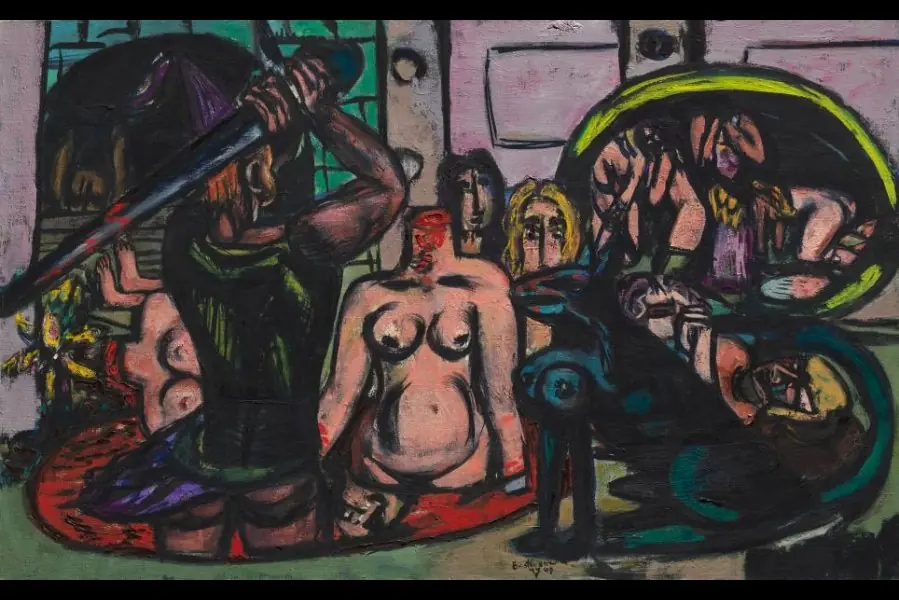
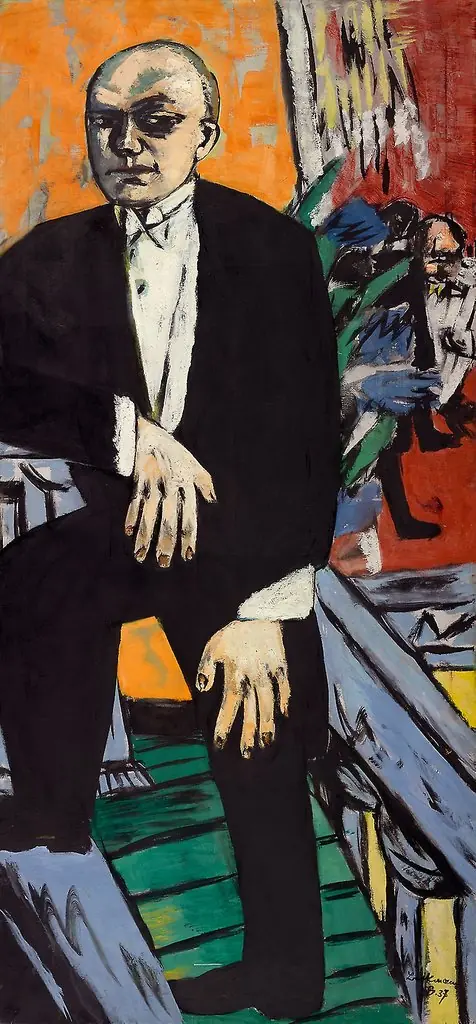
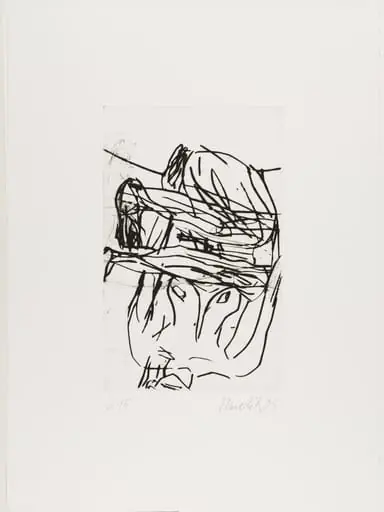
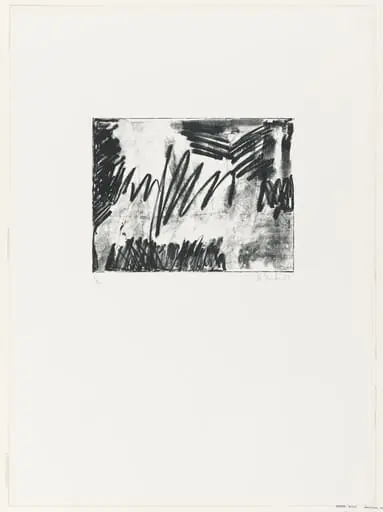
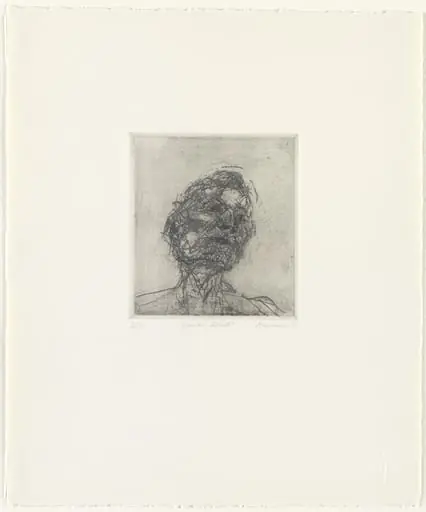
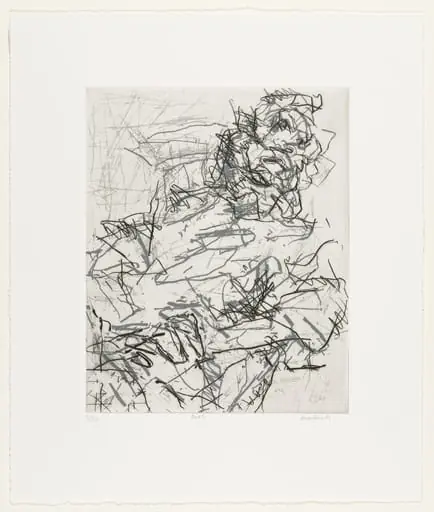
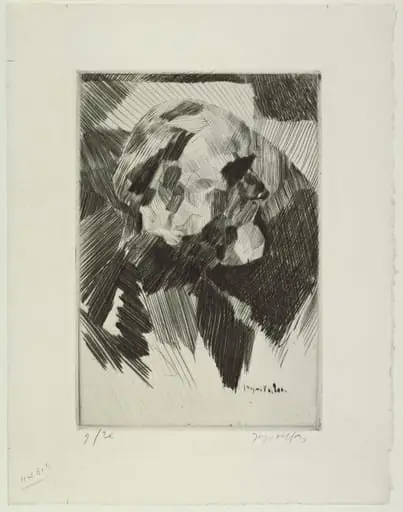
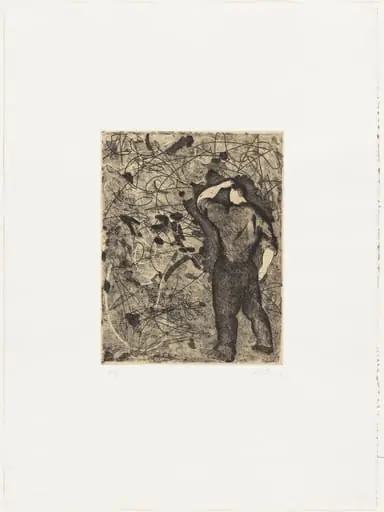
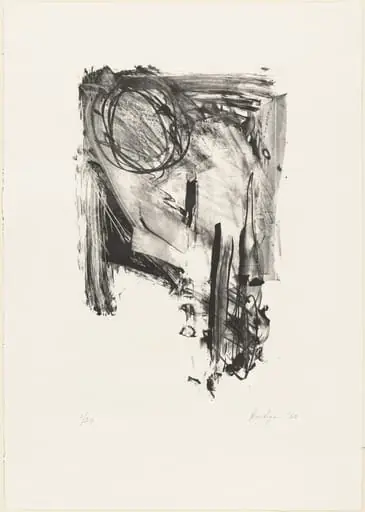
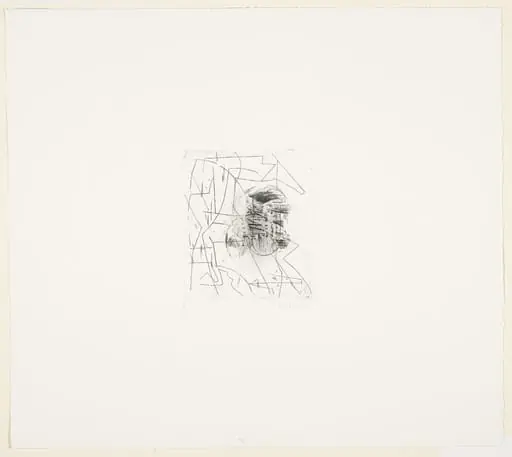
Untitled is an ink print by Max Beckmann. It dates from 1916 and is held in the collection of the Museum of Modern Art.
About this work
Overview
Created around 1916, this small square drypoint print by Max Beckmann is one of many graphic works from his early career.
Created around 1916, this small square drypoint print by Max Beckmann is one of many graphic works from his early career. Executed with fine, incised lines, the image avoids clear representation, favoring abstract interplay of form and shadow. Though often grouped with Expressionist artists, Beckmann distanced himself from the movement’s emotional rhetoric, seeking instead a more restrained, observational approach that would later define New Objectivity.
Subject & Meaning
The print presents no identifiable figure or scene, instead offering a dense composition of overlapping lines and irregular shapes. A central cluster of darker marks suggests a possible form—perhaps a figure or object—but remains ambiguous. Beckmann’s intent seems less about depiction than about evoking tension through visual ambiguity, hinting at underlying unease even in the absence of narrative.
Technique & Style
Drypoint was chosen for its capacity to produce rich, velvety blacks and fine, irregular lines. Beckmann scratched directly into the plate, creating textures that vary in density and depth. The resulting image relies on contrast and layered marks rather than tonal gradation, emphasizing materiality and process. The abstraction reflects his interest in structure and psychological undercurrents over literal representation.
History & Provenance
This work dates from a transitional period in Beckmann’s career, shortly before his service in World War I and his subsequent artistic shift toward New Objectivity. It was likely produced in his studio in Berlin, among numerous prints made during his early experimentation with printmaking. No specific ownership history is documented for this particular impression, but it aligns with his broader body of graphic work from the era.
Context
In 1916, Germany was entrenched in war, and many artists responded with heightened emotion or political critique. Beckmann, however, turned inward, using abstraction to explore psychological states without overt symbolism. His rejection of Expressionist dogma positioned him apart from contemporaries like Kirchner or Nolde, laying groundwork for a more detached, analytical aesthetic that would mature in the 1920s.
Legacy
This print exemplifies Beckmann’s early commitment to formal rigor and psychological subtlety. Though less known than his later figurative works, such drypoints influenced postwar German printmakers who valued precision over sentiment. His refusal to conform to prevailing movements underscored a lifelong focus on individual vision, shaping his enduring reputation as a quiet but incisive observer of modern experience.
Artist & collection
Artist
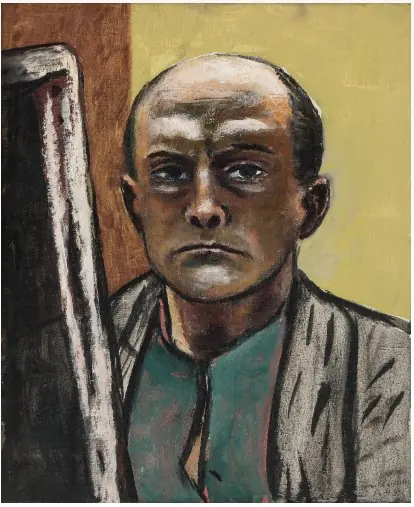
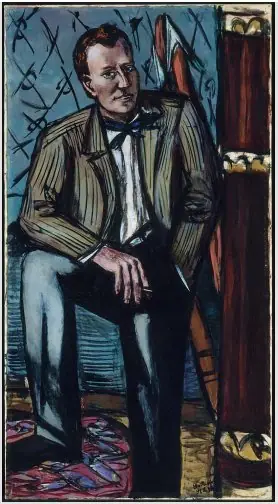
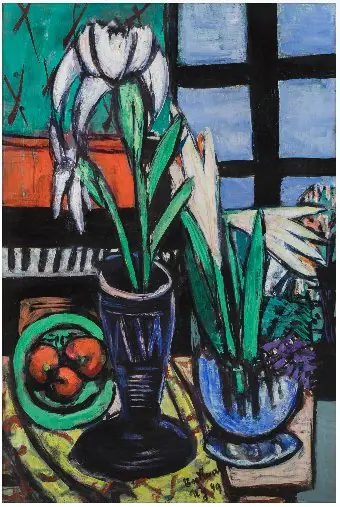
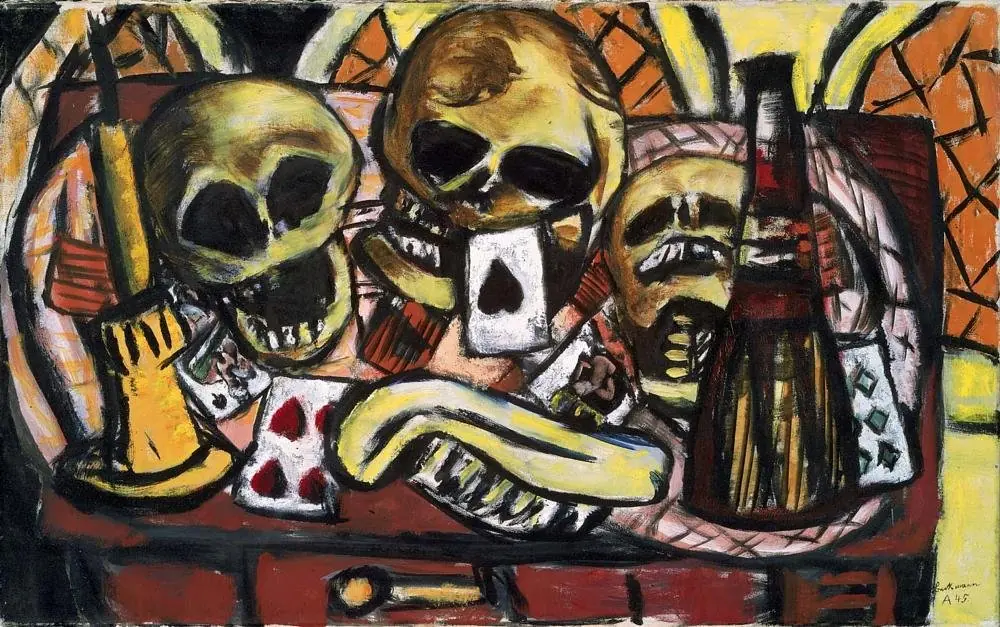
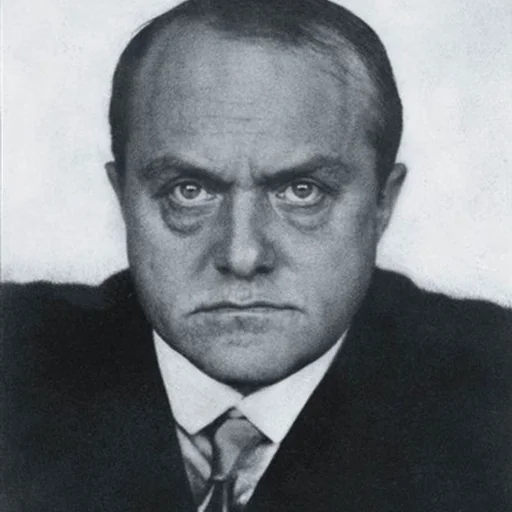
Max Carl Friedrich Beckmann (February 12, 1884 – December 27, 1950) was a German painter, draftsman, printmaker, sculptor, and writer.