Artwork
Lucy
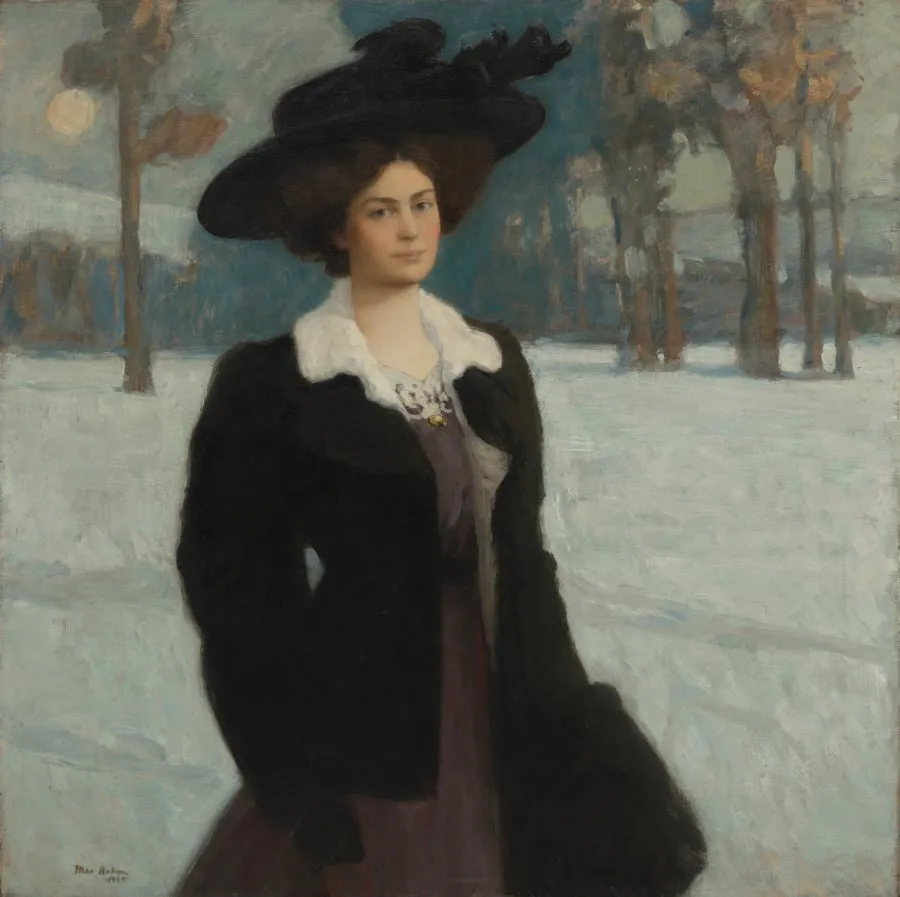
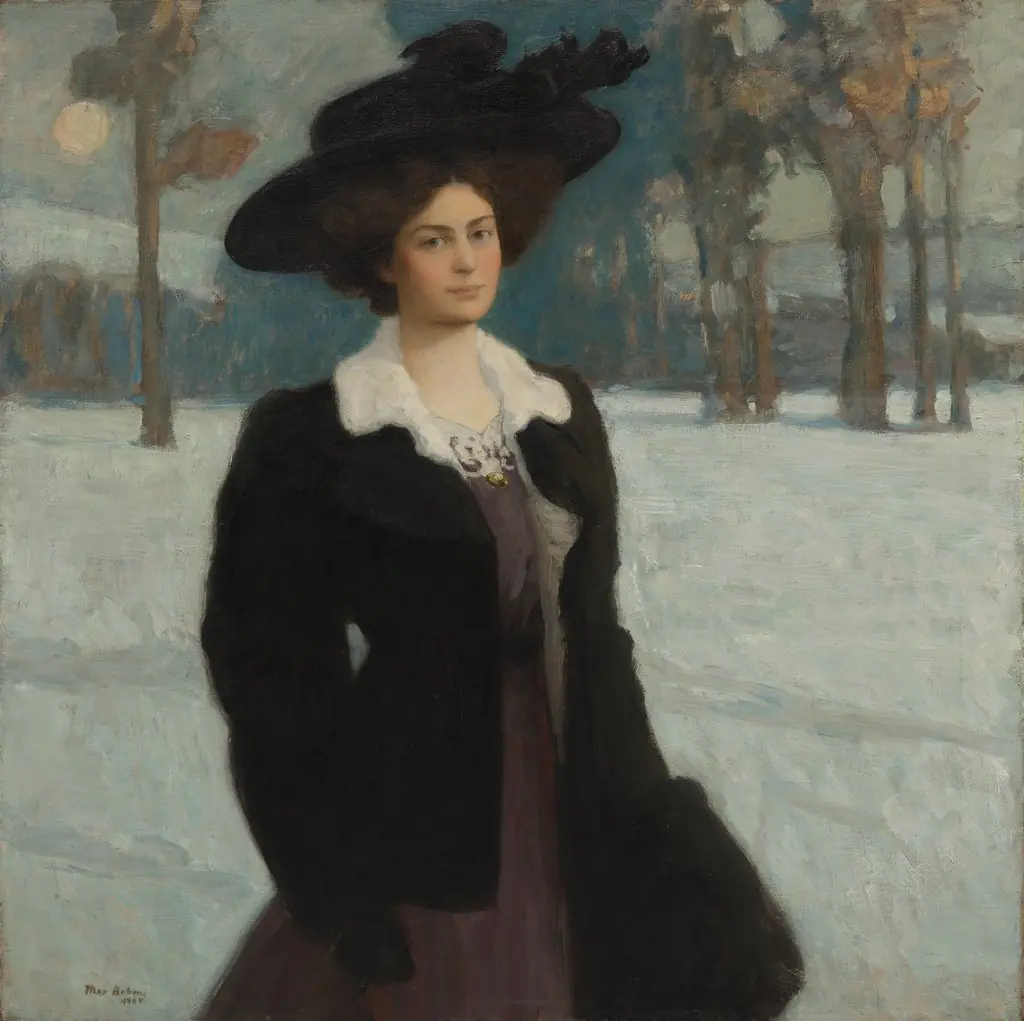
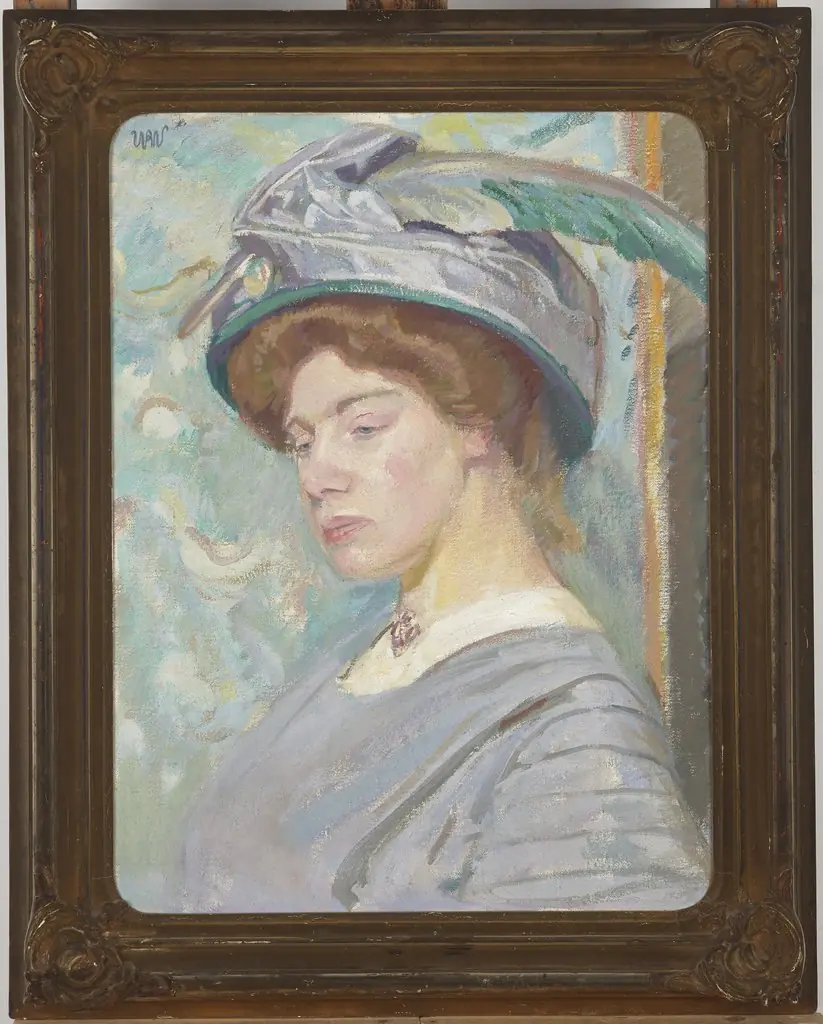
Lucy is an unspecified painting by the American Impressionist artist Max Bohm. It dates from 1909 and is held in the collection of the Cleveland Museum of Art.
About this work
Overview
Max Bohm painted Lucy during a return visit to Cleveland, capturing a figure from his past after achieving recognition as an artist in Europe.
Max Bohm painted Lucy during a return visit to Cleveland, capturing a figure from his past after achieving recognition as an artist in Europe. The portrait reflects a personal history marked by rejection and eventual professional success. Though Bohm had married another and built a career abroad, he chose to depict Lucy in a moment of stillness, suggesting a quiet reckoning with what might have been.
Subject & Meaning
Lucy was the woman who declined Bohm’s marriage proposal years earlier, citing his uncertain financial prospects. By the time he painted her, he had established himself as a successful painter in France and England. The portrait does not convey bitterness but rather a contemplative distance, as if the act of painting was an attempt to reconcile past choices with present reality.
Technique & Style
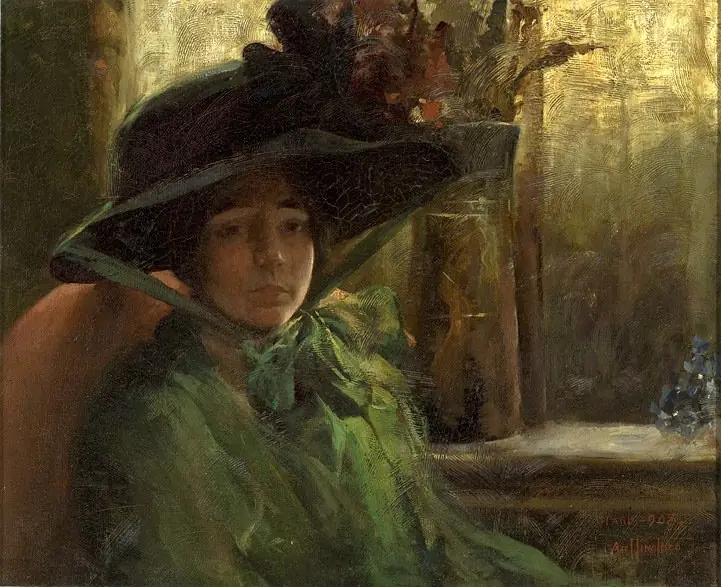
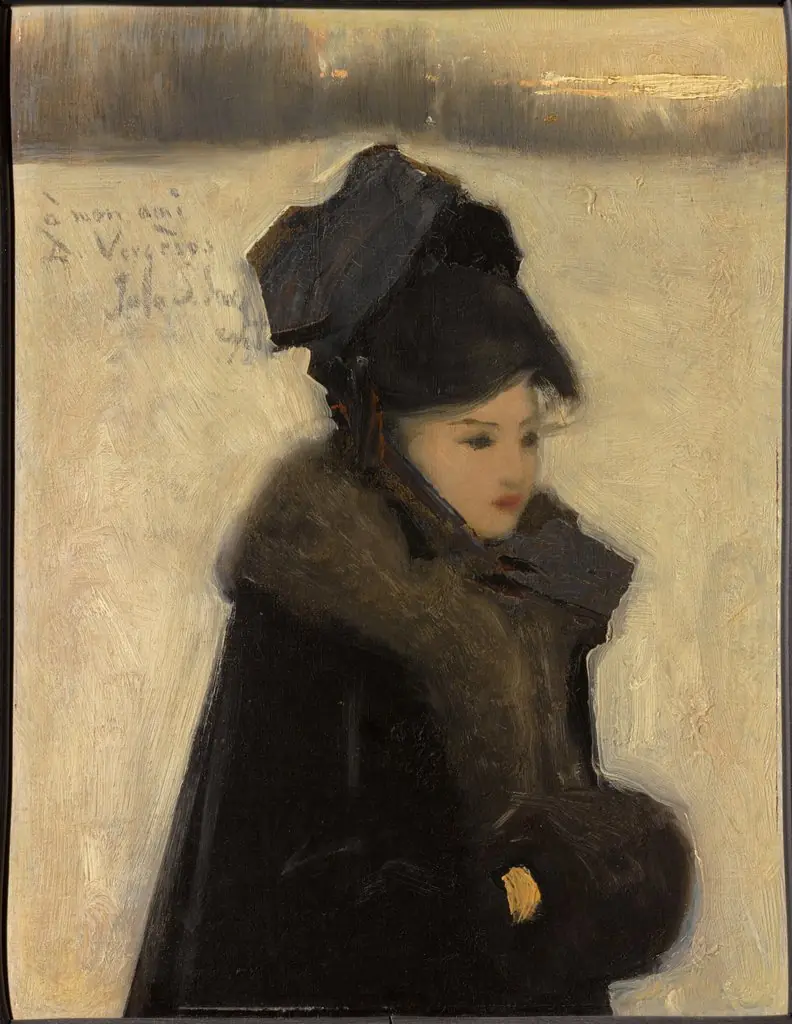
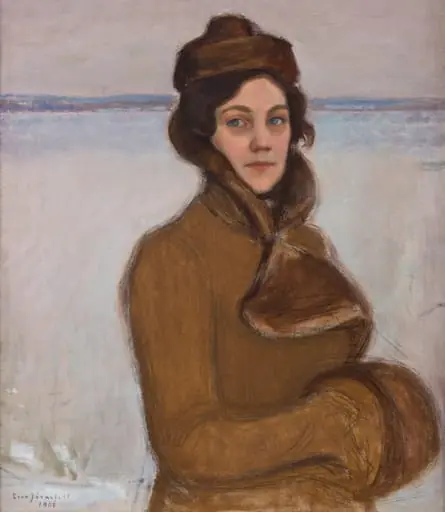
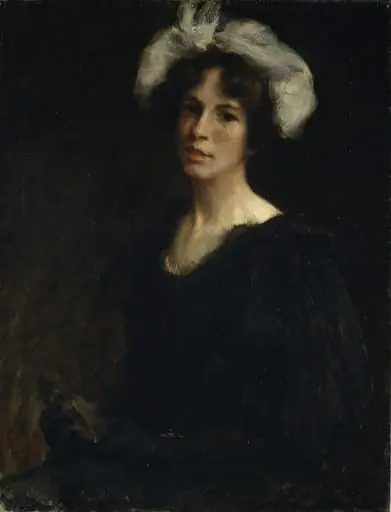
Bohm rendered Lucy in a subdued palette, with her dark dress and high collar anchoring the composition. Light falls gently across her face, leaving one side in soft shadow, enhancing the sense of introspection. The brushwork is restrained, avoiding dramatic flourishes, and the quiet atmosphere suggests a psychological rather than a narrative focus.
History & Provenance
The painting was completed during Bohm’s visit to Cleveland, where he had grown up and where Lucy still lived. It remained in private hands for decades, likely within the artist’s circle or among local collectors familiar with the story. Its later acquisition by a public institution preserved a personal episode within the broader context of American expatriate art.
Context
In the late 19th and early 20th centuries, many American artists sought validation abroad, particularly in France and England, where artistic communities were more established. Bohm’s success overseas contrasted with the modest expectations of his hometown, making Lucy’s earlier refusal a poignant counterpoint to his later achievements.
Legacy
Lucy stands as a quiet testament to the emotional undercurrents often present in portraiture. Though not widely exhibited, the painting offers insight into the personal stakes behind artistic identity and the ways memory can shape representation. It remains a subtle example of how private histories inform public art.
Artist & collection