Artwork
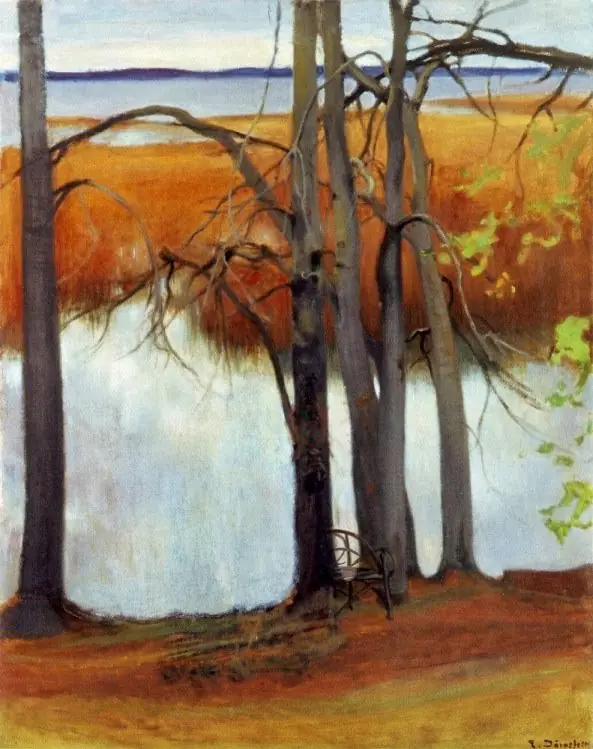
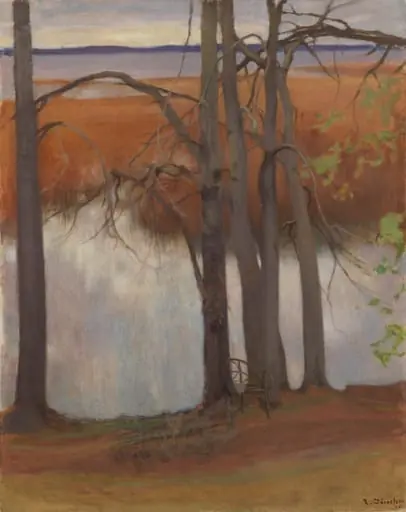
Nelma Sibelius Tuusulan järven rannalla
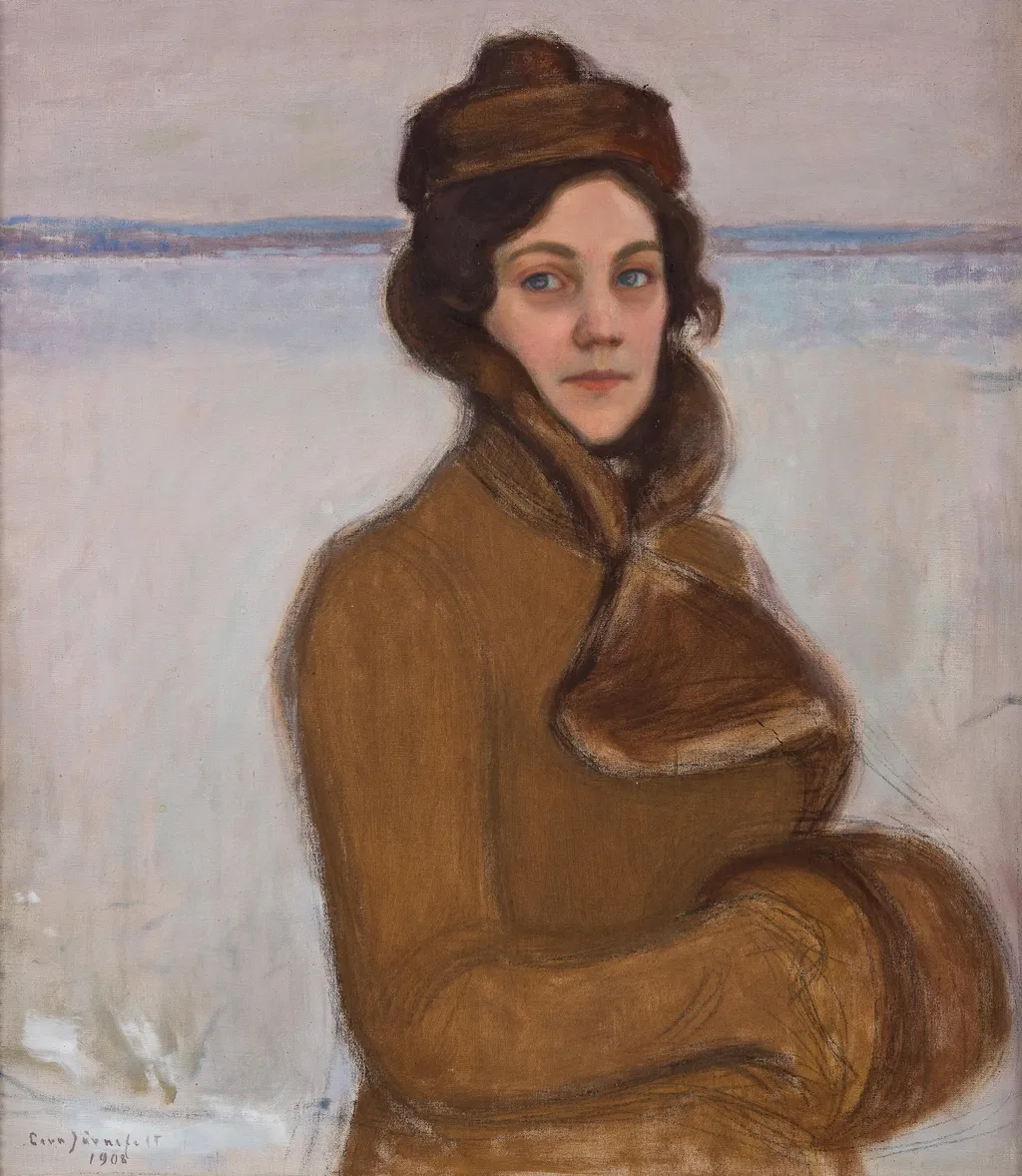
Nelma Sibelius Tuusulan järven rannalla is a photography by Eero Järnefelt. It dates from 1910 and is held in the collection of the Järvenpää Art Museum.
About this work
Overview
The composition centers on the figure, rendered with loose, tactile brushwork that emphasizes texture over detail.
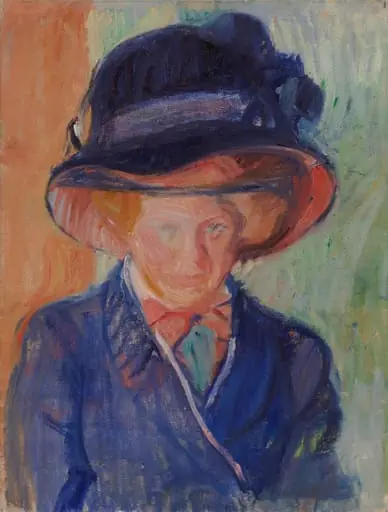
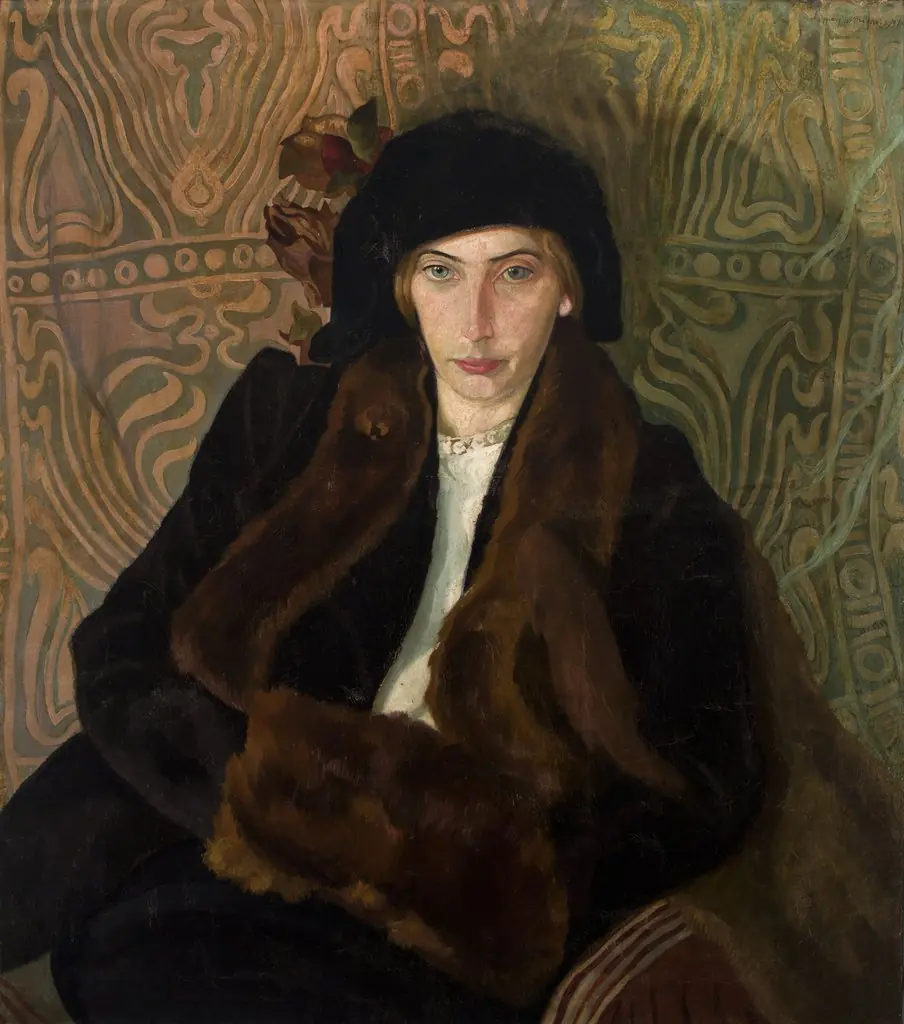
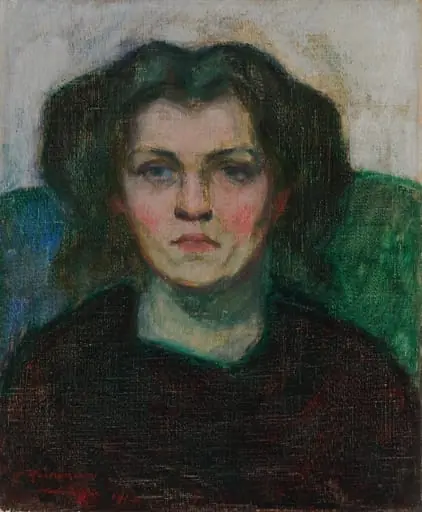
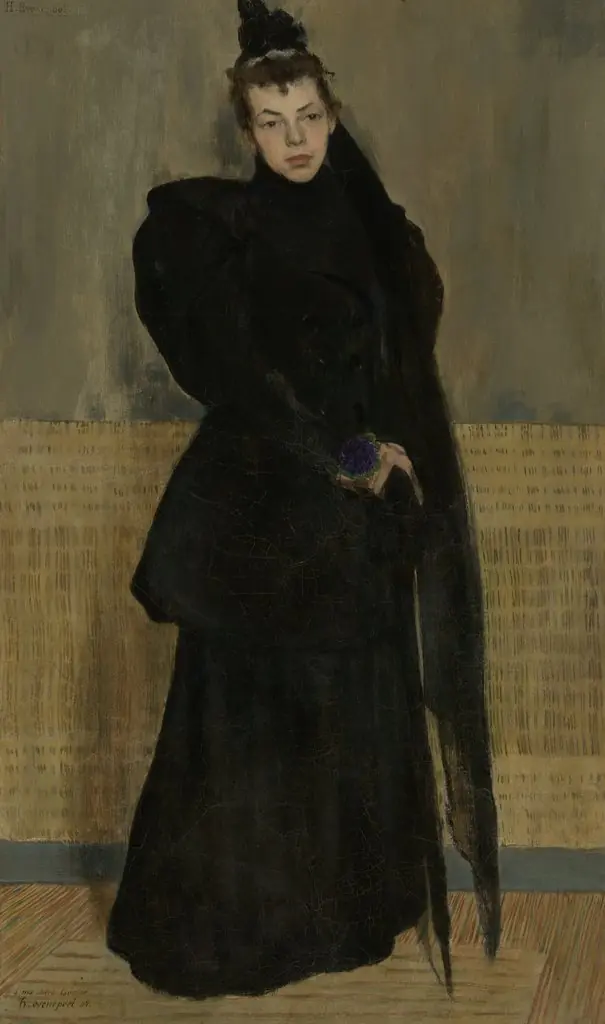
Painted around 1910 by Eero Järnefelt, this portrait captures Nelma Sibelius on the shore of Lake Tuusula. The composition centers on the figure, rendered with loose, tactile brushwork that emphasizes texture over detail. The background dissolves into soft tones, suggesting a quiet lakeside environment without defining it precisely. The focus remains on the subject’s presence, conveyed through subtle modeling and restrained color.
Subject & Meaning
Nelma Sibelius, wife of composer Jean Sibelius, is depicted in quiet contemplation. Her high-collared coat and neatly pinned hair reflect modest, practical attire common among Finnish women of her social circle. Her steady gaze and still posture convey introspection rather than narrative action. The painting avoids theatricality, instead offering a private, unembellished moment that reflects personal dignity and calm resilience.
Technique & Style
Järnefelt employs loose, visible brushstrokes to suggest the weight and weave of the coat, creating a sense of material warmth without precise definition. Light falls gently across the face, using soft chiaroscuro to model features—shadows under the eyes and along the cheekbones add depth without harsh contrast. The background is rendered in muted, blurred tones, allowing the figure to emerge organically from the environment rather than being isolated against it.
History & Provenance
The painting was created during a period when Järnefelt frequently portrayed members of Finland’s cultural elite, including the Sibelius family. It likely originated from a private commission or intimate gathering at the Sibelius home in Järvenpää. The work remained within family or close circles until entering public collections, where it is now recognized as part of Finland’s early 20th-century portrait tradition.
Context
In early 1900s Finland, portraiture often served as a quiet assertion of national identity amid Russian imperial rule. Artists like Järnefelt favored naturalism and emotional restraint, aligning with broader cultural movements that valued sincerity over ornament. This portrait reflects those values, presenting its subject not as a symbol but as a person embedded in the landscape and ethos of Finnish life.
Legacy
Though not widely exhibited, the painting endures as a representative example of Finnish intimate portraiture from the era. Its understated technique and psychological nuance influenced later generations of Finnish artists seeking to capture inner life without melodrama. It remains a quiet testament to the dignity of everyday presence in a nation shaping its cultural voice.
Artist & collection

Artist
Erik "Eero" Nikolai Järnefelt was a Finnish painter and art professor. He is best known for his portraits and landscapes of the area around Koli National Park, in the North Karelia region of Finland. He was a medal…