Artwork
Mother and Child (recto)
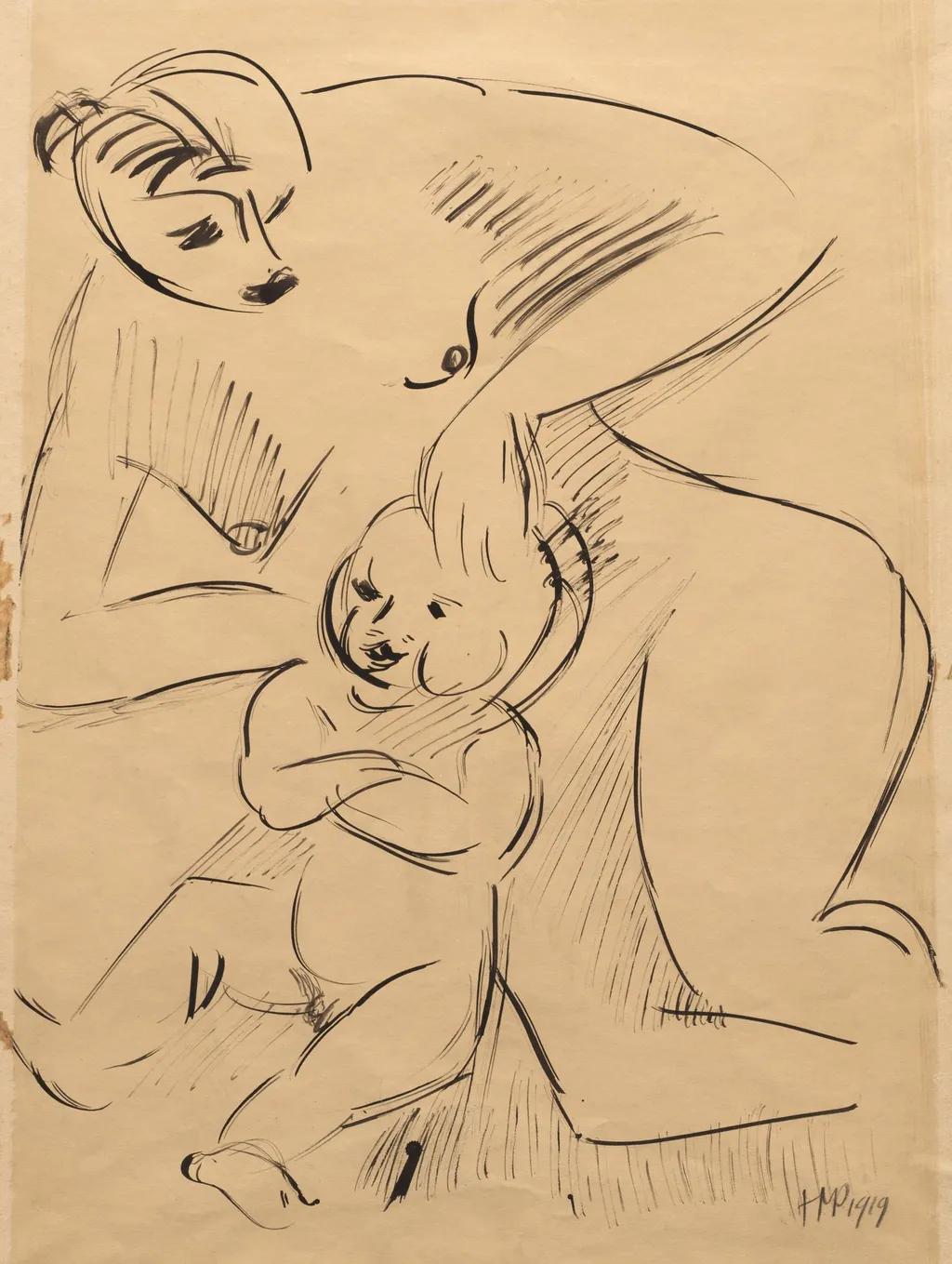
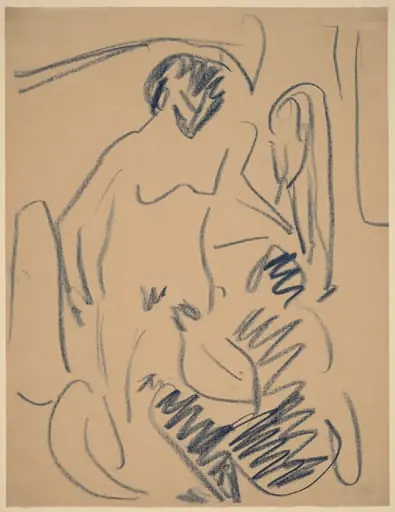
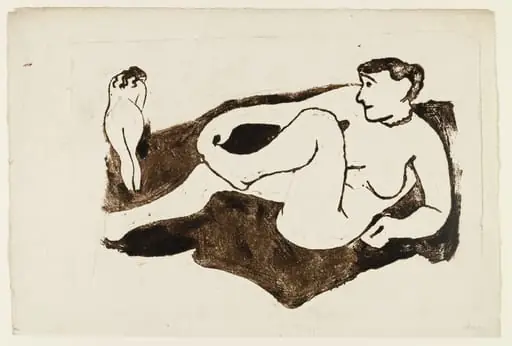
Mother and Child (recto) is a drawing by Max Pechstein. It dates from 1919 and is held in the collection of the Cleveland Museum of Art.
About this work
Overview
Its sketch-like quality suggests it was made quickly, possibly as a study or personal observation rather than a finished piece.
Created in 1919 by German artist Max Pechstein, this drawing captures a mother and child in a spontaneous, unrefined manner. Executed with rapid, uneven strokes, the work lacks finish and deliberately leaves large areas of the paper exposed. Its sketch-like quality suggests it was made quickly, possibly as a study or personal observation rather than a finished piece. Pechstein, a member of the Die Brücke group, often prioritized emotional immediacy over formal polish.
Subject & Meaning
The subject is a quiet, intimate moment between a mother and infant, rendered without idealization. The mother’s turned posture and the child’s direct gaze create a subtle tension between connection and separation. The lack of detailed facial features or background elements focuses attention on the physical closeness and vulnerability of the figures. This simplicity reflects a broader Expressionist interest in raw human experience over narrative or decorative detail.
Technique & Style
Pechstein employed loose, gestural lines that appear hurried and uncorrected, with minimal shading and no contour precision. Areas of the figure are lightly filled with wash or hatching, while others remain entirely open. The unevenness of the strokes and the absence of refinement align with Expressionist principles that valued emotional authenticity over technical polish. The drawing’s unfinished state enhances its sense of immediacy and personal observation.
History & Provenance
The drawing was made during a period when Pechstein was actively engaged with Expressionist circles in Germany, shortly after the end of World War I. Though its specific ownership history is not widely documented, it aligns with the body of work Pechstein produced before the Nazi regime condemned his art as 'Degenerate' in the 1930s. Many such drawings were preserved by private collectors or institutions that resisted state censorship.
Context
In postwar Germany, artists like Pechstein turned to domestic and natural subjects as a response to societal upheaval. The emphasis on intimate, unadorned scenes reflected a search for stability and emotional truth. Expressionism, as a movement, rejected academic conventions and embraced distortion and spontaneity to convey inner states. This drawing fits within that framework, prioritizing feeling over realism.
Legacy
Though less celebrated than Pechstein’s paintings, such drawings reveal the foundation of his expressive language. Their rawness influenced later generations of artists interested in the emotional potential of sketching. The work survives as a quiet testament to the personal, unpolished side of Expressionism — a counterpoint to the more monumental works that dominated public memory.
Own this work as a print
Artist & collection
Artist
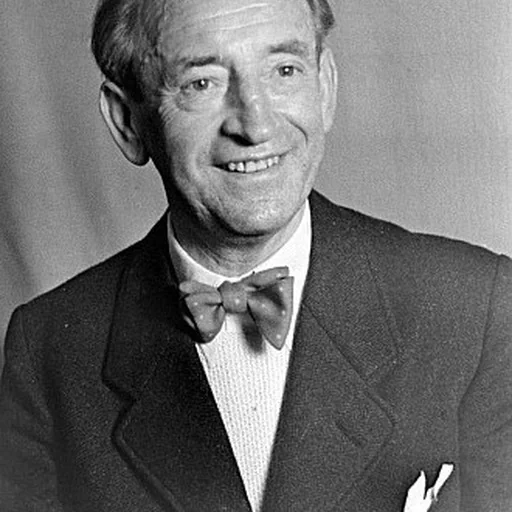
Hermann Max Pechstein (German pronunciation: ; 31 December 1881 – 29 June 1955) was a German expressionist painter and printmaker and a member of the Die Brücke group.