Artwork
Blossoming Lilac
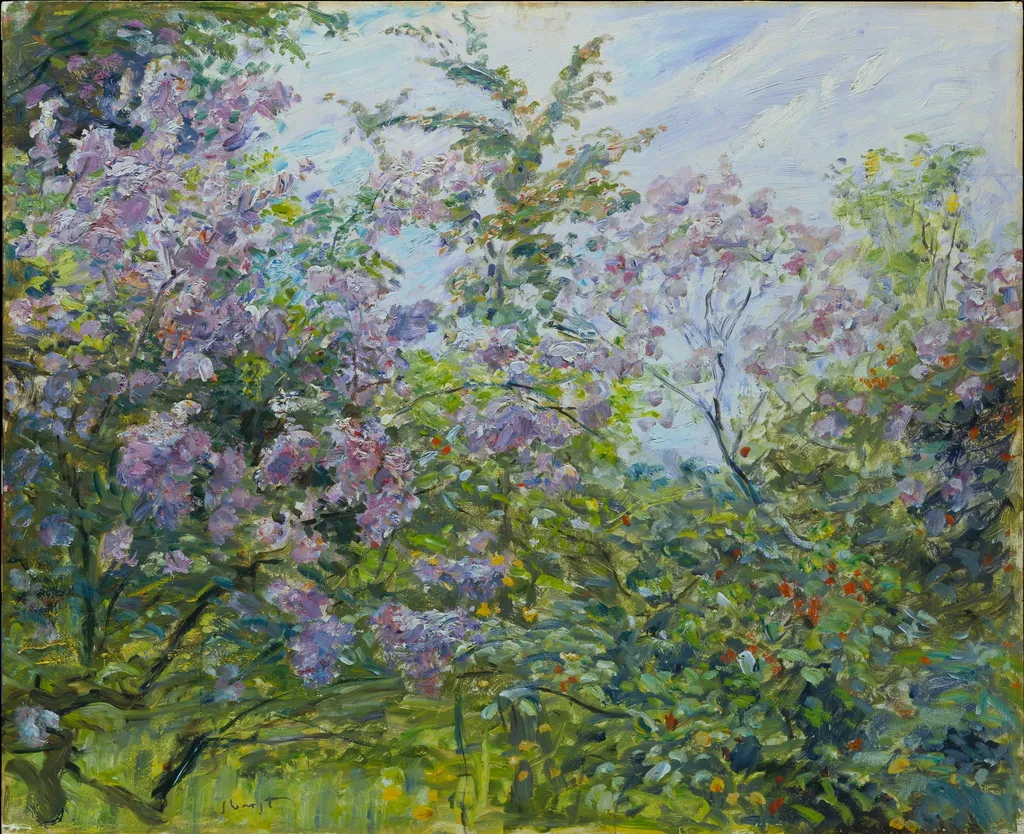
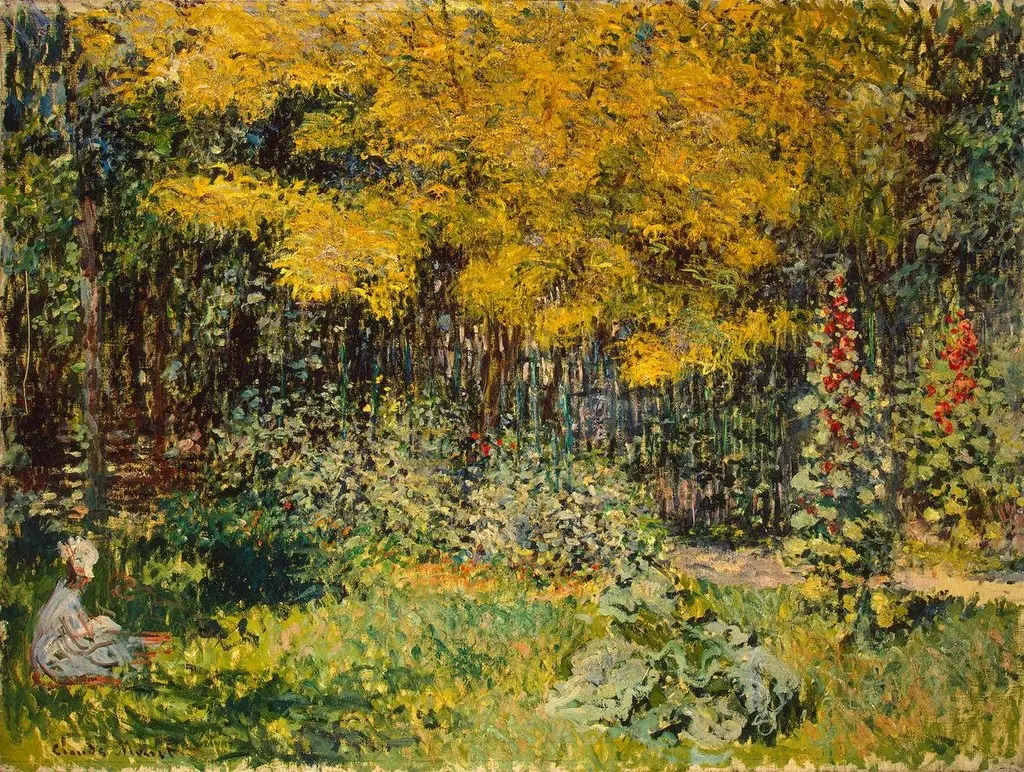
Blossoming Lilac is an unspecified painting by the Impressionist artist Max Slevogt. It dates from 1921 and is held in the collection of the Städel Museum.
About this work
Overview
Painted in 1921 by Max Slevogt, *Blossoming Lilac* is a landscape work rooted in the principles of German Impressionism. It captures a moment in nature with immediacy, emphasizing light and atmosphere over detailed realism. The painting is part of the Städel Museum’s collection, reflecting Slevogt’s role in advancing modern German painting through direct observation of the natural world.
Subject & Meaning
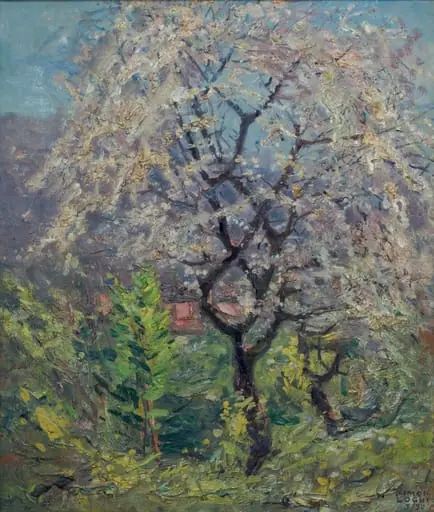
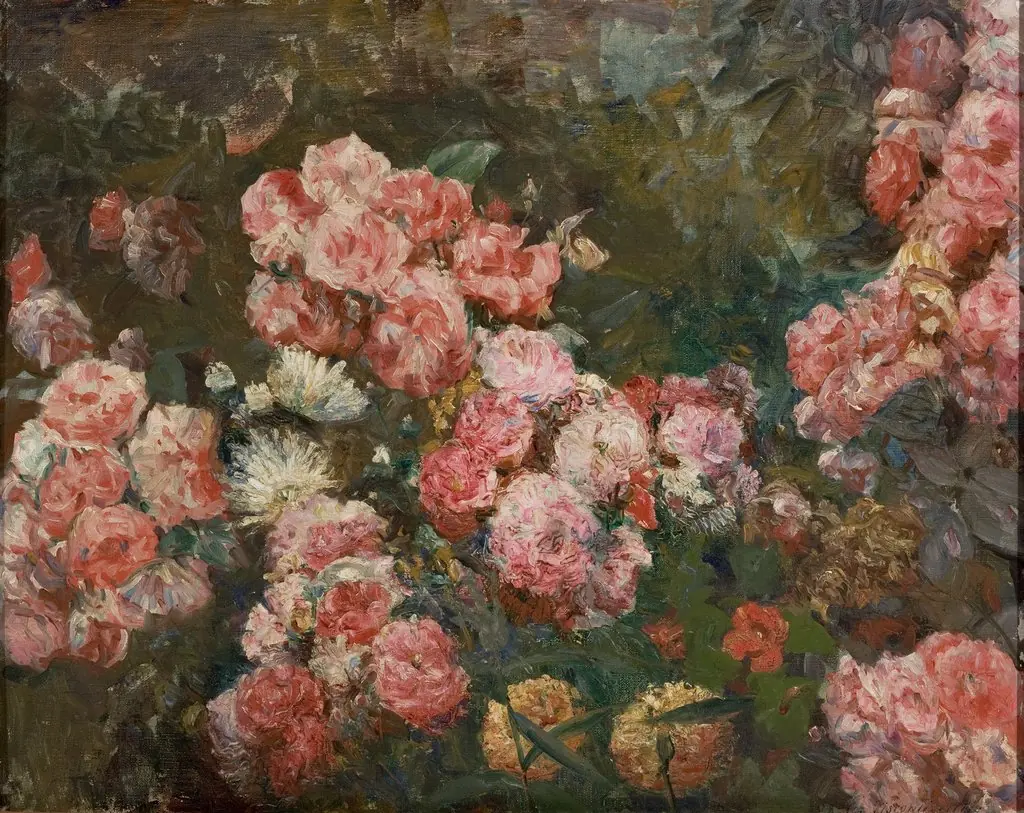
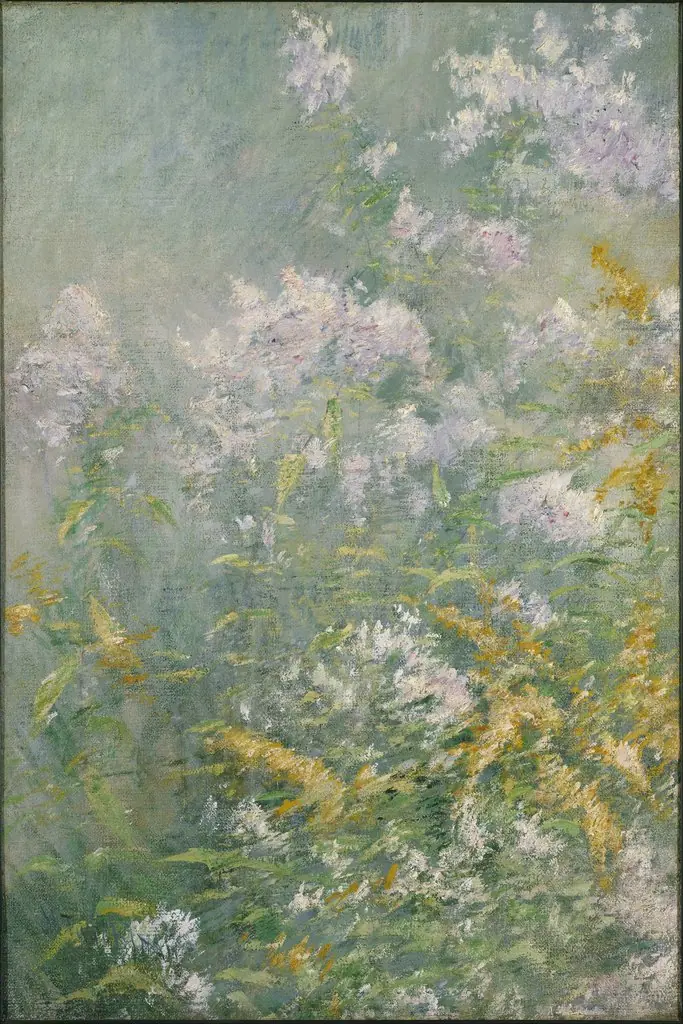
The painting centers on a dense lilac bush in full bloom, its clusters of pale purple and white flowers spilling outward.
The painting centers on a dense lilac bush in full bloom, its clusters of pale purple and white flowers spilling outward. Green foliage peeks through, grounding the composition. There is no human presence or narrative; the focus is purely on the transient beauty of the plant in sunlight. The work conveys a quiet reverence for seasonal renewal, typical of Impressionist interest in fleeting natural phenomena.
Technique & Style
Slevogt employed loose, energetic brushwork to suggest form rather than define it. Colors are applied in quick, layered strokes, allowing the underlying hues to interact optically. The background’s hazy blue evokes atmospheric perspective, while the lilacs shimmer with varied tones of violet, white, and faint green. This technique captures the effect of sunlight filtering through petals and leaves, enhancing the sense of movement and light.
History & Provenance
Created during Slevogt’s mature period, *Blossoming Lilac* was painted after his travels and wartime experiences, reflecting a return to serene natural subjects. It entered the Städel Museum’s collection in the early 20th century, likely through direct acquisition or donation. The painting has remained in the museum’s holdings since, preserving its connection to German Impressionist practice of the era.
Context
In post-World War I Germany, many artists turned to nature as a refuge from social upheaval. Slevogt, influenced by French Impressionism and his own plein air practice, focused on everyday botanical scenes like this one. His work stood apart from Expressionist intensity, favoring luminous color and observational truth. *Blossoming Lilac* exemplifies this quieter, light-centered approach within the broader German art scene of the 1920s.
Legacy
Though less widely known than his contemporaries, Slevogt’s botanical studies like this one contributed to the evolution of German Impressionism. *Blossoming Lilac* remains a representative example of how artists translated fleeting natural moments into painterly language. Its continued presence in the Städel Museum underscores its value as a quiet but significant document of early 20th-century German landscape painting.
Artist & collection
Artist
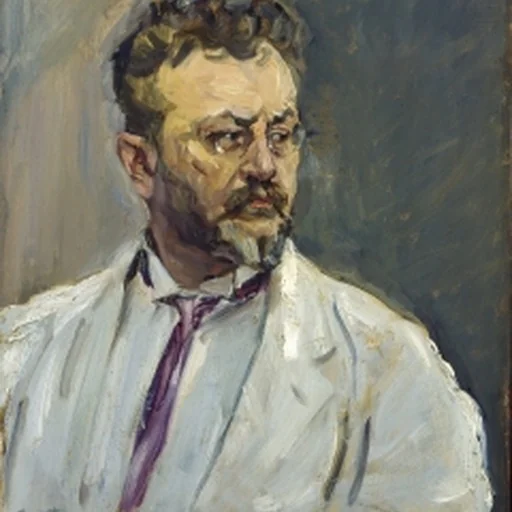
Max Slevogt (8 October 1868 – 20 September 1932) was a German Impressionist painter and illustrator, best known for his landscapes.