Artwork
Self-Portrait (sketching in his studio)
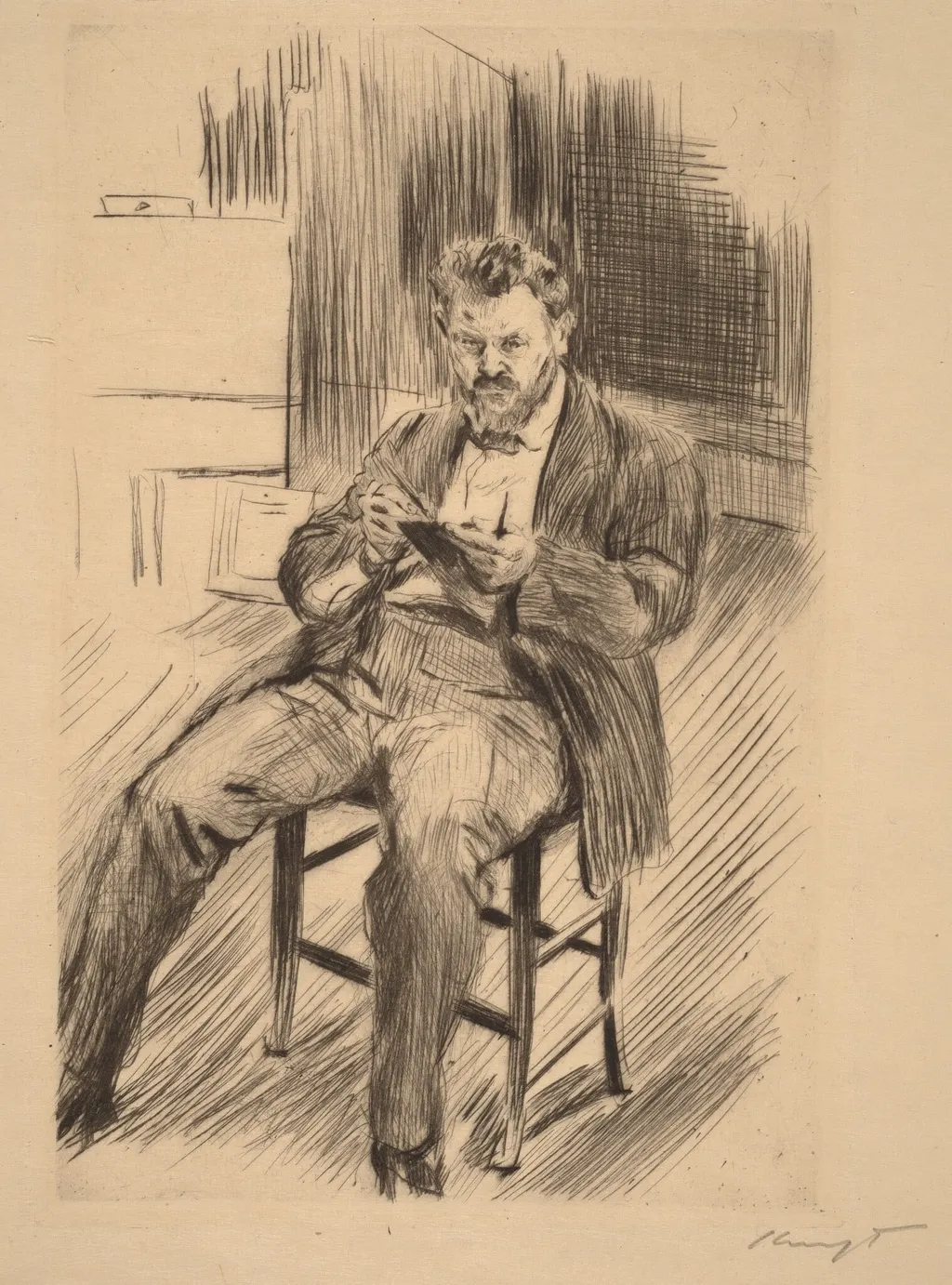
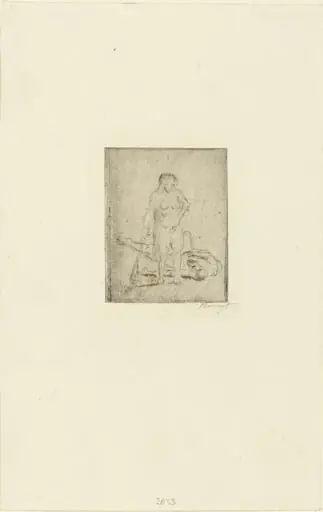
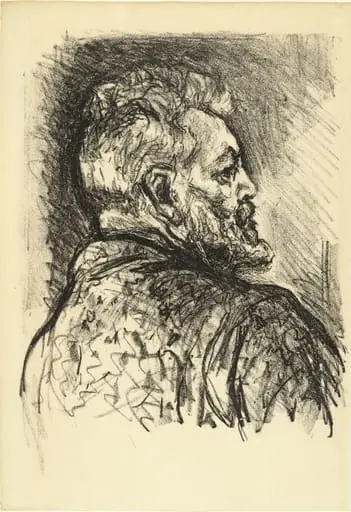
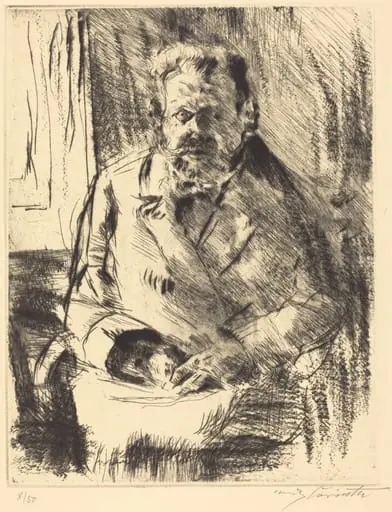
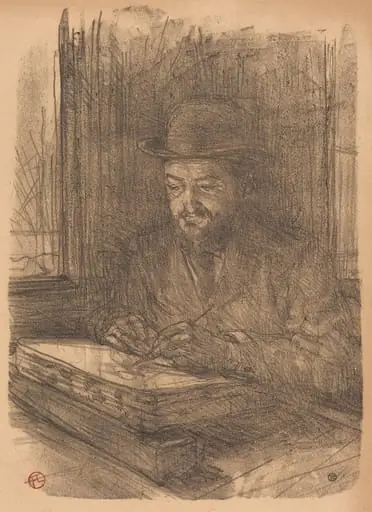
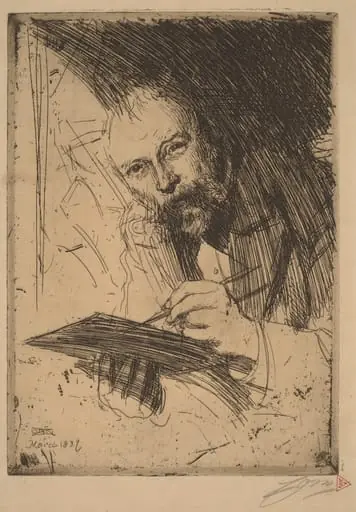
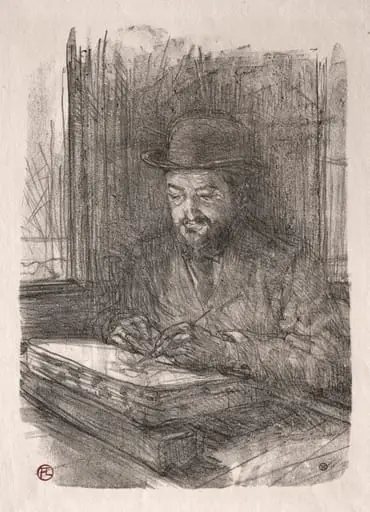
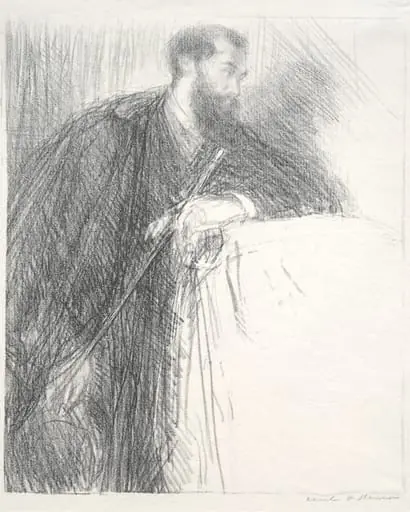
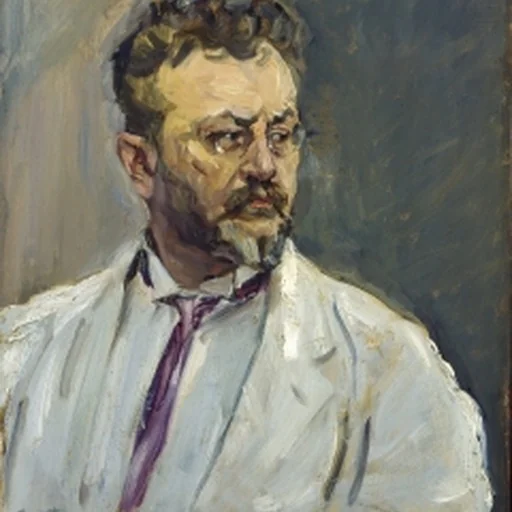
Self-Portrait (sketching in his studio) is an ink print by Max Slevogt. It dates from 1911 and is held in the collection of the National Gallery of Art. Created in 1911, the print titled *Self‑Portrait (sketching in his studio)* presents the artist at his easel.
About this work
Overview
Created in 1911, the print titled *Self‑Portrait (sketching in his studio)* presents the artist at his easel. Executed on wove paper with a combination of etching and drypoint, the work measures the intimate setting of Slevogt’s own workspace, offering a direct glimpse of his creative process.
Subject & Meaning
The image shows Max Slevogt himself engaged in drawing, emphasizing the act of making art rather than a conventional posed likeness. By portraying himself in the act of sketching, the piece underscores the artist’s dedication to observation and the immediacy of visual capture, themes central to his broader oeuvre.
Technique & Style
Slevogt employed both traditional etching and drypoint, allowing for fine line work alongside richer, velvety burr marks characteristic of drypoint. The resulting tonal range conveys a soft, atmospheric quality that aligns with the German Impressionist aesthetic, balancing precise draftsmanship with a fleeting, light‑filled ambience.
Context
While Slevogt is chiefly remembered for his plein‑air landscapes, this self‑portrait reflects his versatility within the German Impressionist movement, where he worked alongside figures such as Lovis Corinth and Max Liebermann. The work illustrates his engagement with printmaking as a medium for personal expression during a period of artistic experimentation.
Artist & collection
Artist
Max Slevogt (8 October 1868 – 20 September 1932) was a German Impressionist painter and illustrator, best known for his landscapes.