Artwork
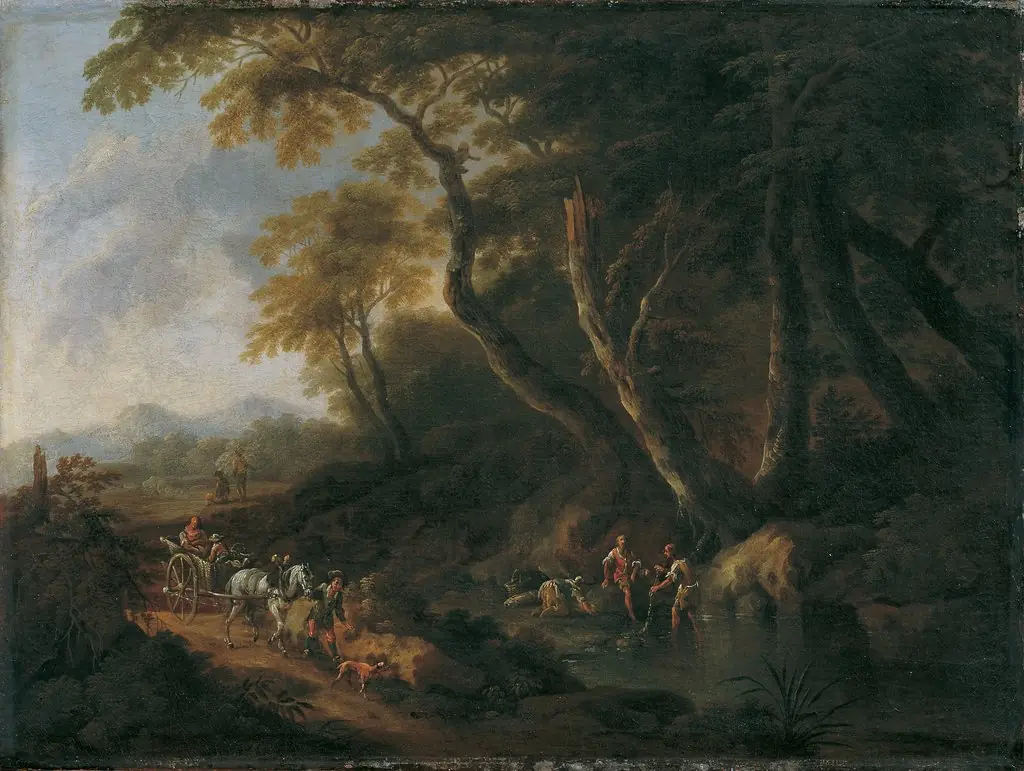
Waldlandschaft mit Gewässer links
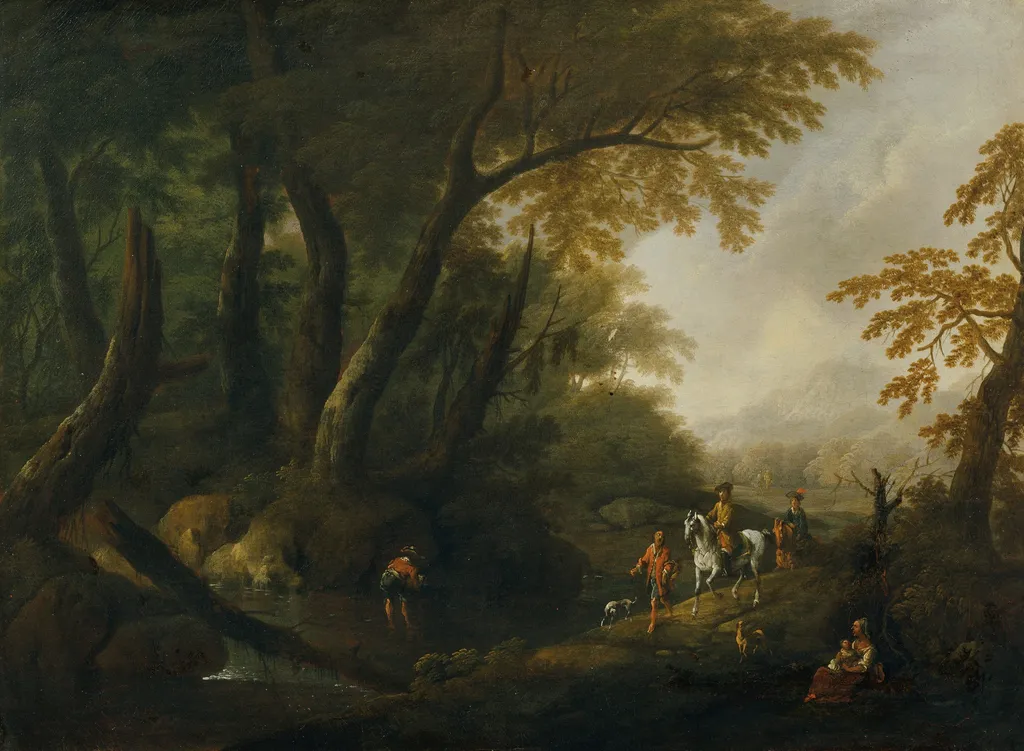
Waldlandschaft mit Gewässer links is an oil painting by Maximilian Joseph Schinnagl. It is held in the collection of the Kunsthistorisches Museum.
About this work
Overview
The work presents a quiet woodland scene with a body of water to the left, capturing a moment of stillness between two figures and their animal companions.
Waldlandschaft mit Gewässer links is an oil painting by Maximilian Joseph Schinnagl, created in the 19th century. It resides in the collection of the Kunsthistorisches Museum in Vienna. The work presents a quiet woodland scene with a body of water to the left, capturing a moment of stillness between two figures and their animal companions. The composition emphasizes natural harmony over narrative drama.
Subject & Meaning
A man in a red jacket and blue trousers, alongside a woman in a white dress and red apron, stand calmly near a body of water. A white horse and a dog accompany them, suggesting a pastoral or rural setting. The figures are not engaged in overt action, reinforcing a mood of quiet contemplation. The scene evokes an idealized connection between humans and nature, without clear symbolic or religious overtones.
Technique & Style
Schinnagl employs layered oil paint to build texture in the forest floor and foliage, using subtle shifts in green and brown to suggest depth. The sky is rendered in soft, muted blues, contrasting gently with the warmer tones of the figures’ clothing. Brushwork is deliberate but unobtrusive, favoring atmospheric cohesion over detailed realism. The water’s surface reflects ambient light with restrained precision.
History & Provenance
The painting entered the Kunsthistorisches Museum’s collection in the 19th century, likely acquired during a period of expanded holdings in Austrian landscape painting. Its provenance before museum acquisition remains undocumented. It has been consistently cataloged under Schinnagl’s name and has not been the subject of major scholarly reattribution or controversy.
Context
Schinnagl worked during a time when Austrian artists increasingly turned to domestic landscapes as subjects, moving away from grand historical or mythological themes. This painting aligns with a broader trend of quiet, observational nature scenes favored in regional academies. It reflects a local aesthetic preference for tranquil, unidealized rural environments rather than dramatic Romantic vistas.
Legacy
Though not widely exhibited beyond Vienna, the painting remains a representative example of 19th-century Austrian landscape painting. Schinnagl’s restrained approach to nature influenced lesser-known regional contemporaries but did not enter mainstream art historical discourse. The work endures as a quiet testament to the period’s domesticated vision of the natural world.
Artist & collection
Artist
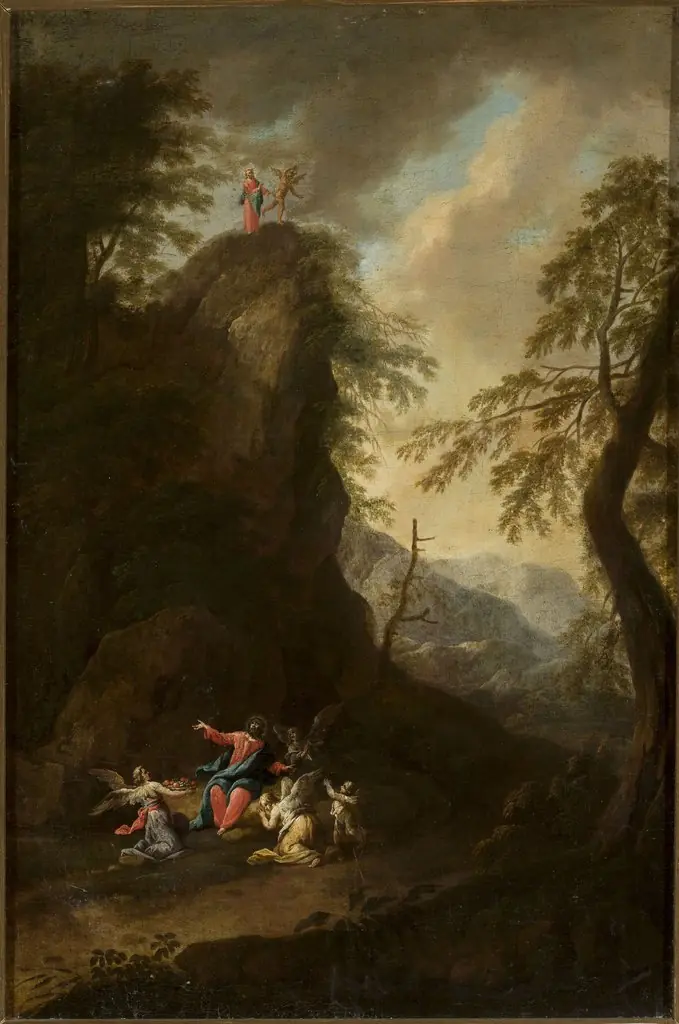
This German artist painted religious scenes in oil. Two works in the bundle are “Temptation of Christ and attending angels” and the 1729 painting Q28002375. The rest of the pieces in this small set—Q28009630, Q29940157,…

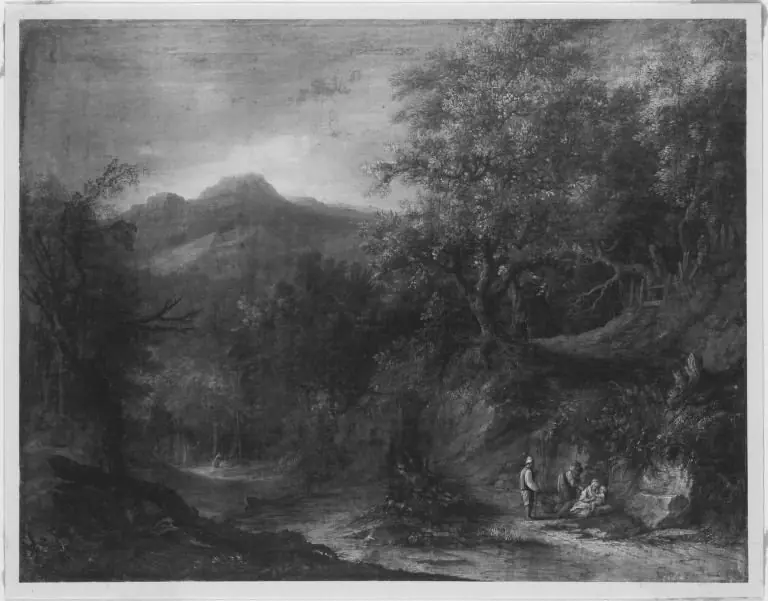
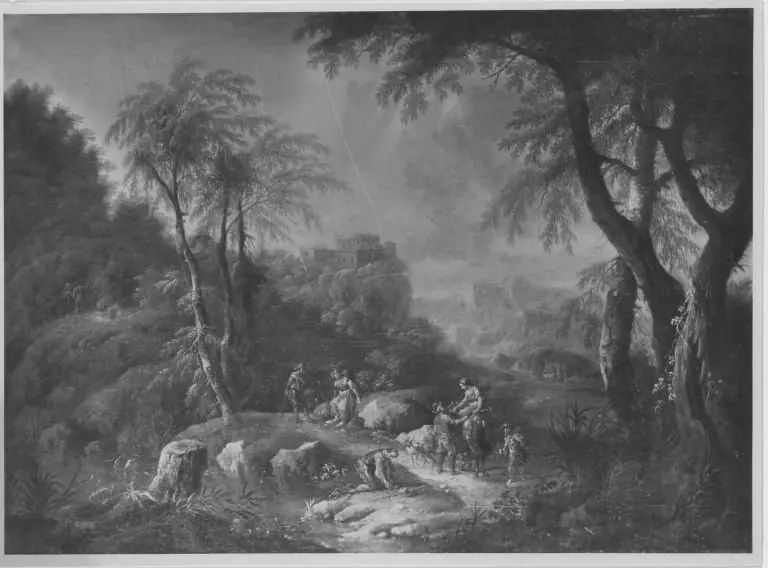
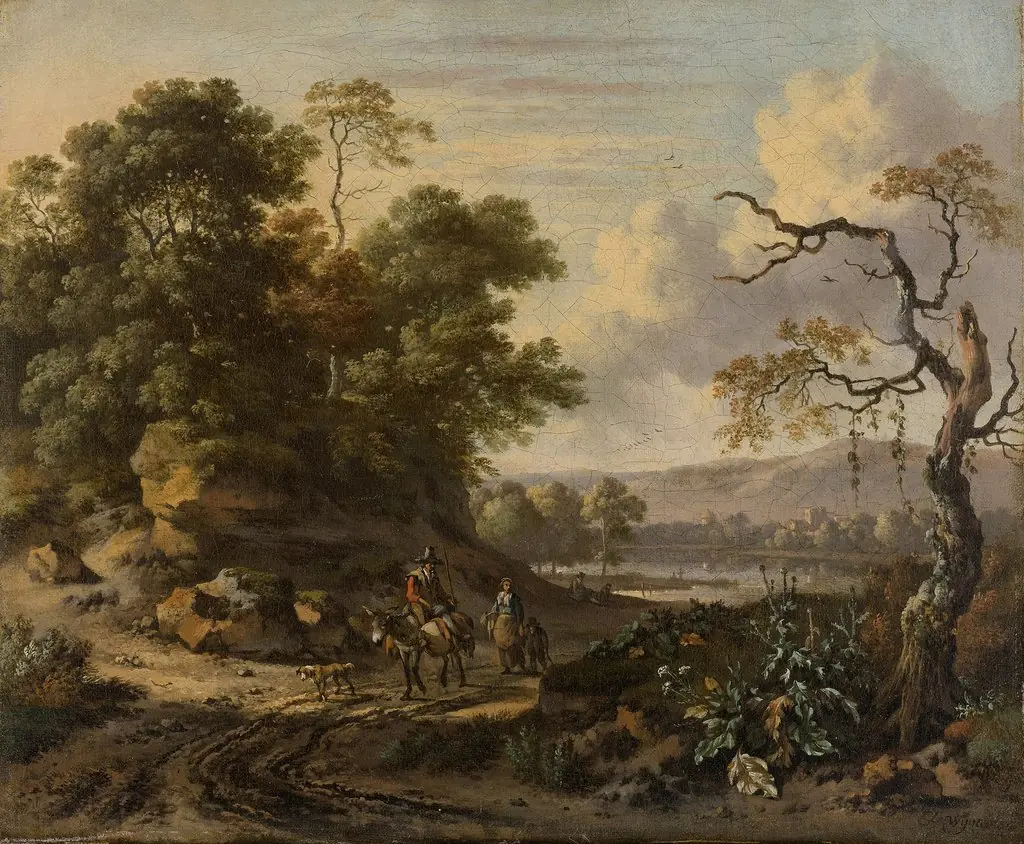 Landscape with donkey rider
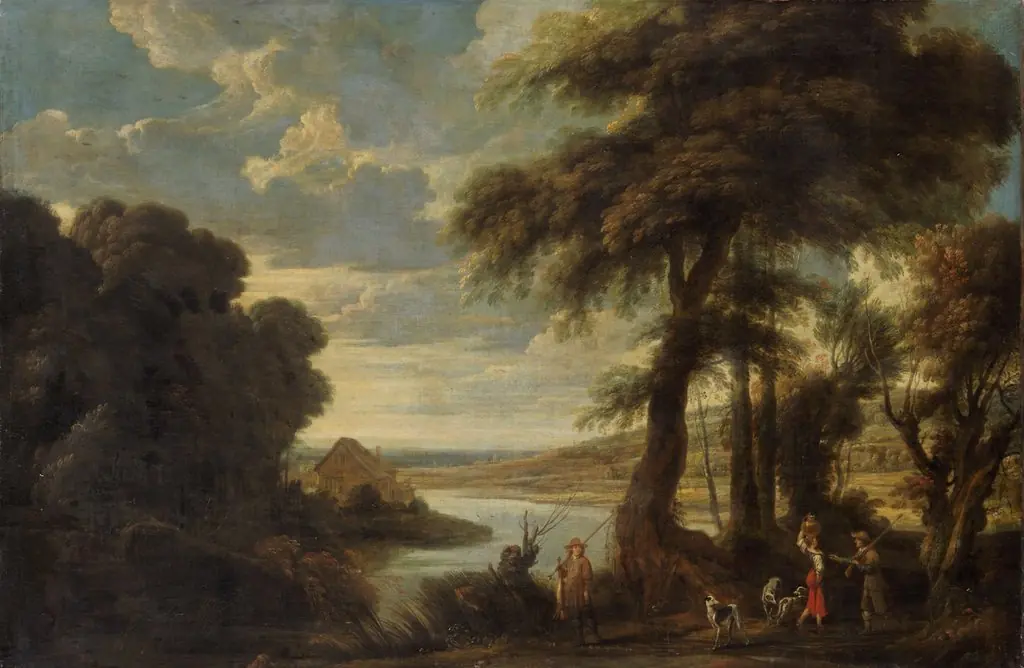 Landscape with hunters
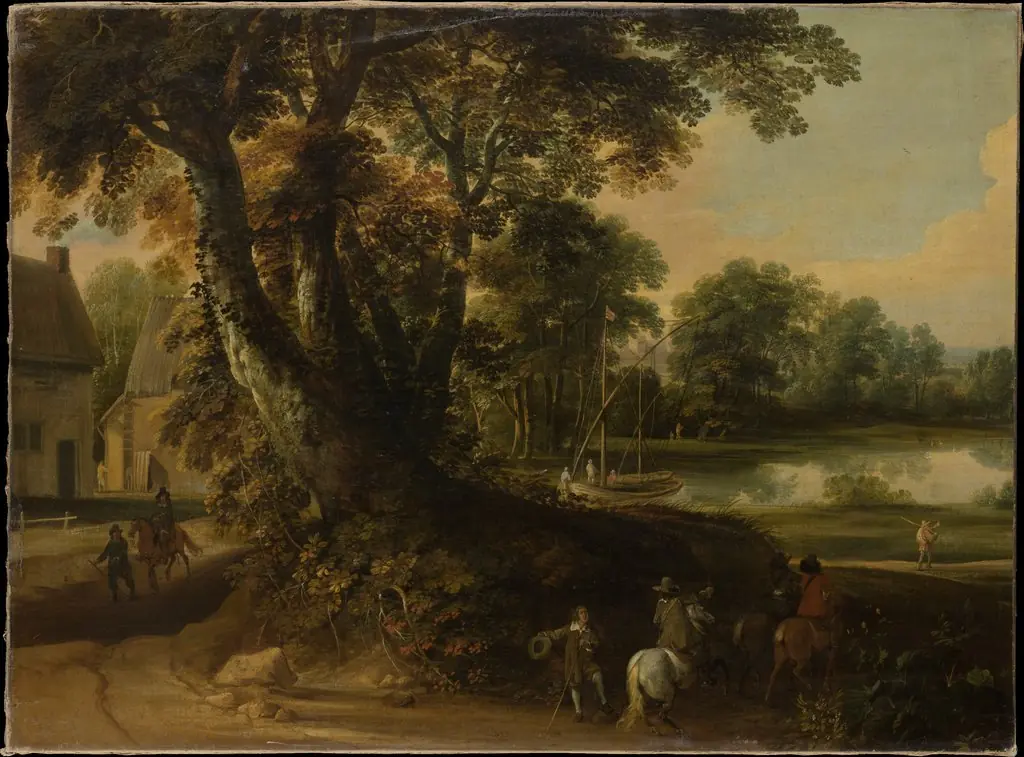 Landscape with a Group of Trees at the Shore of a Lake, Three Riders on the Road in the Foreground
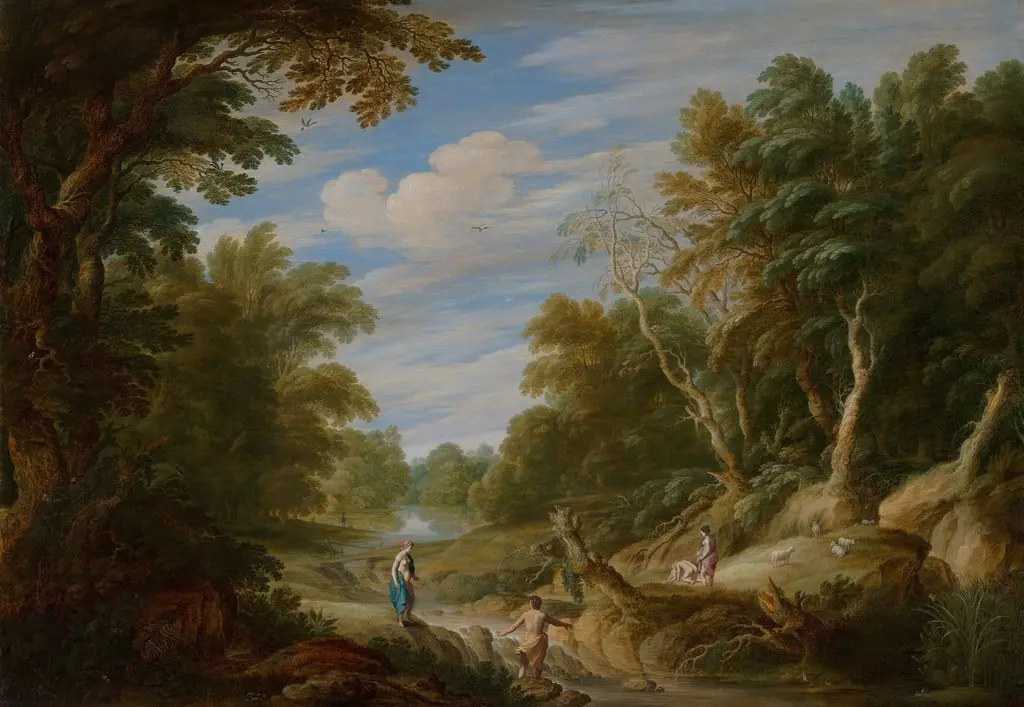 Wooded Landscape with Figures
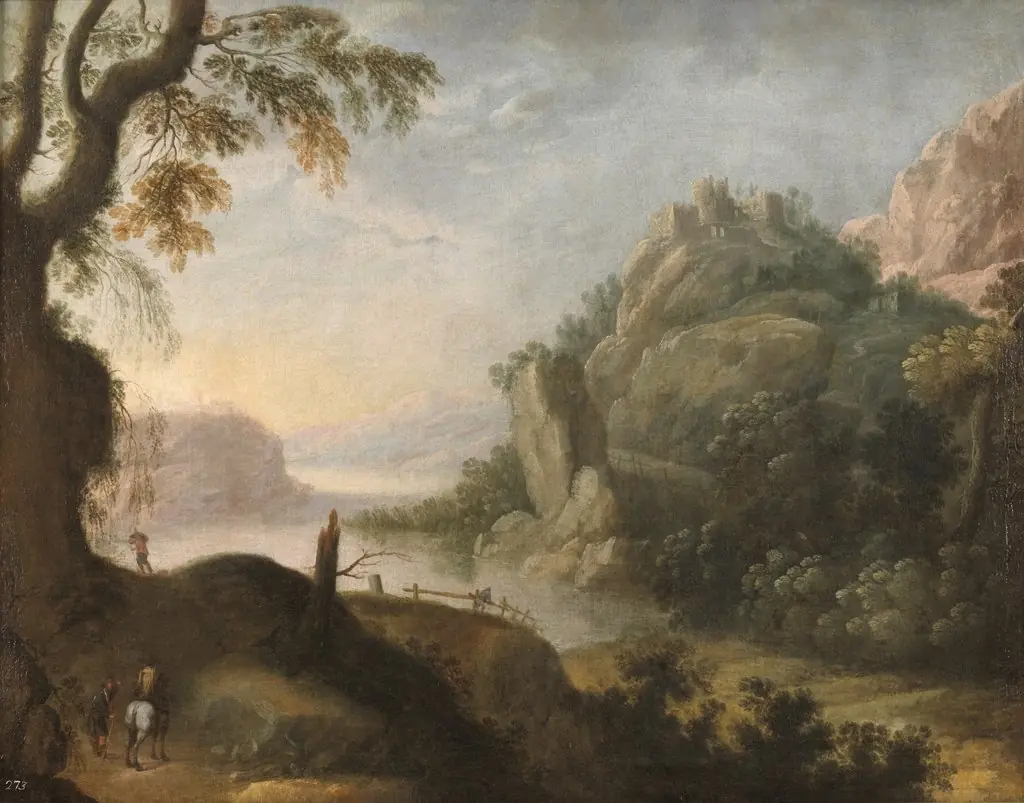 Paisaje
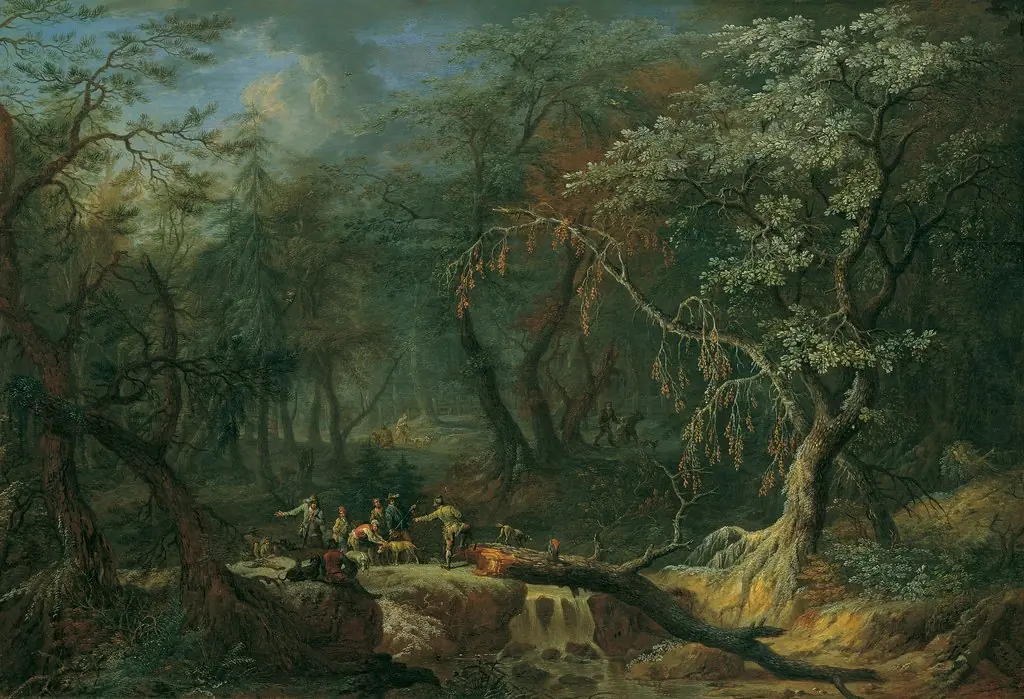 Waldlandschaft mit gestürztem Baum und Jägern
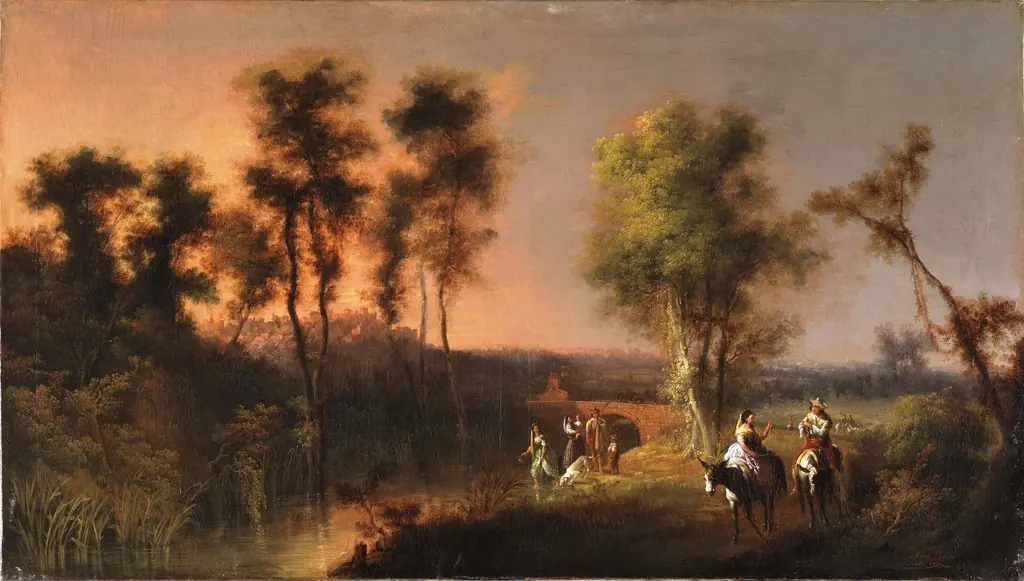 Paisaje fluvial con figuras
 Wooded Landscape with Bathing Nymps
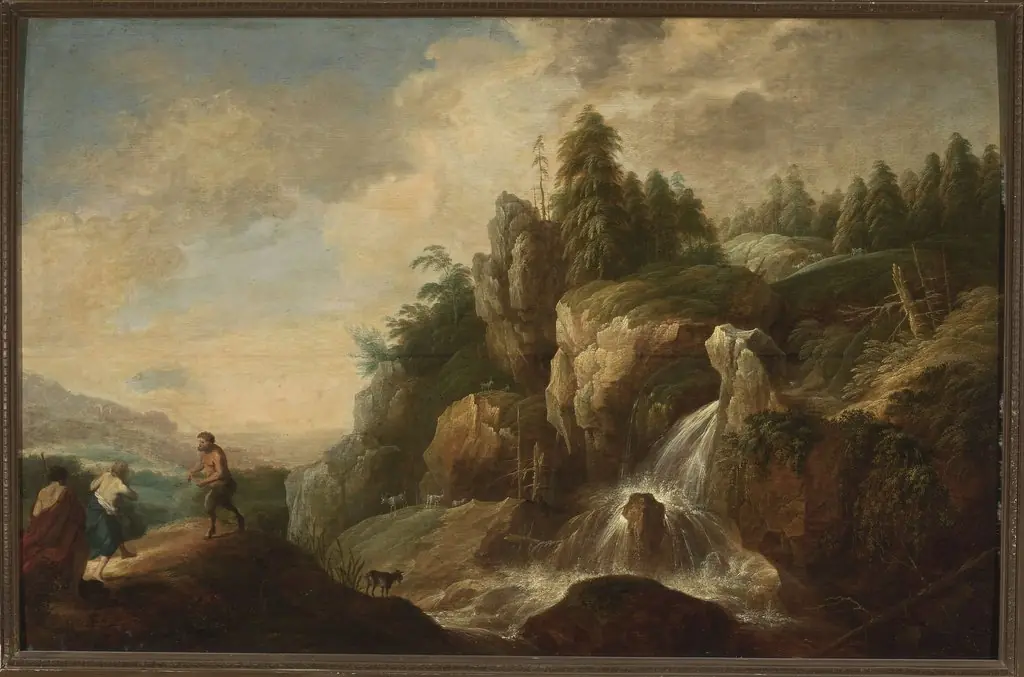 Landscape at a waterfall
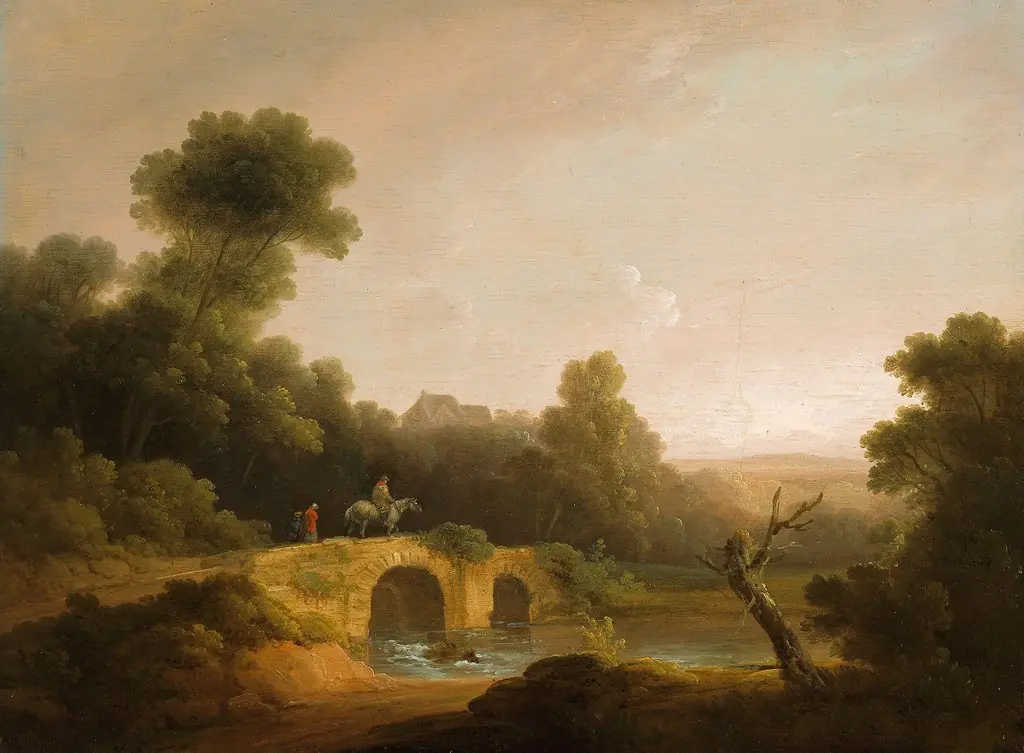 Landscape with Figures Crossing a Bridge
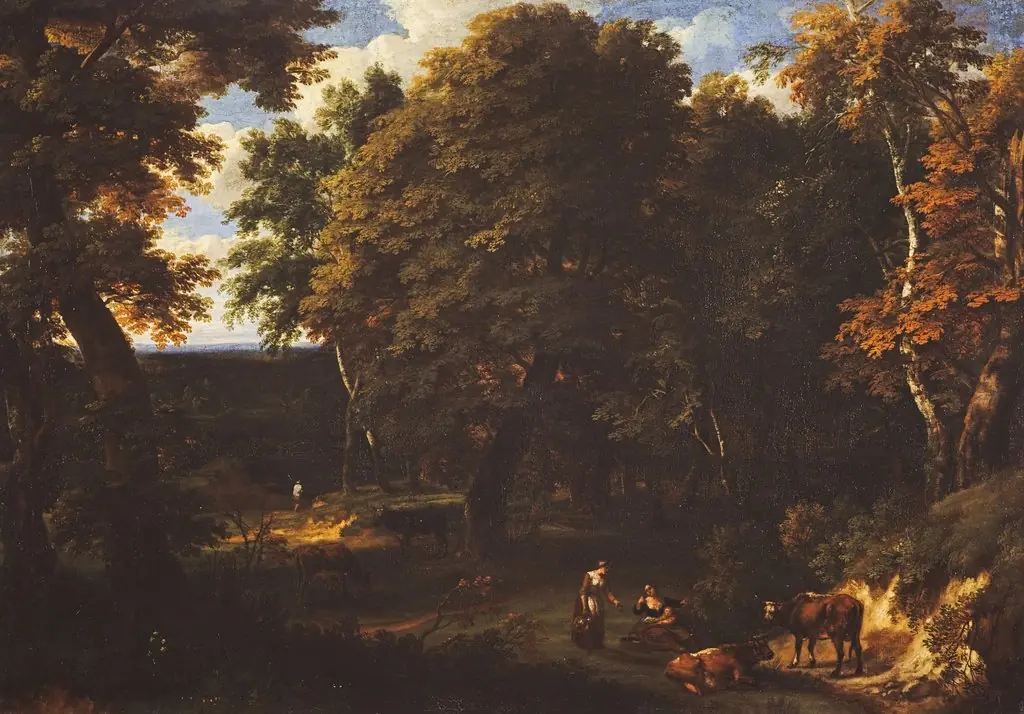 Landscape with Cattle and Figures