Artwork
Wooded Landscape with the Castle of Bentheim
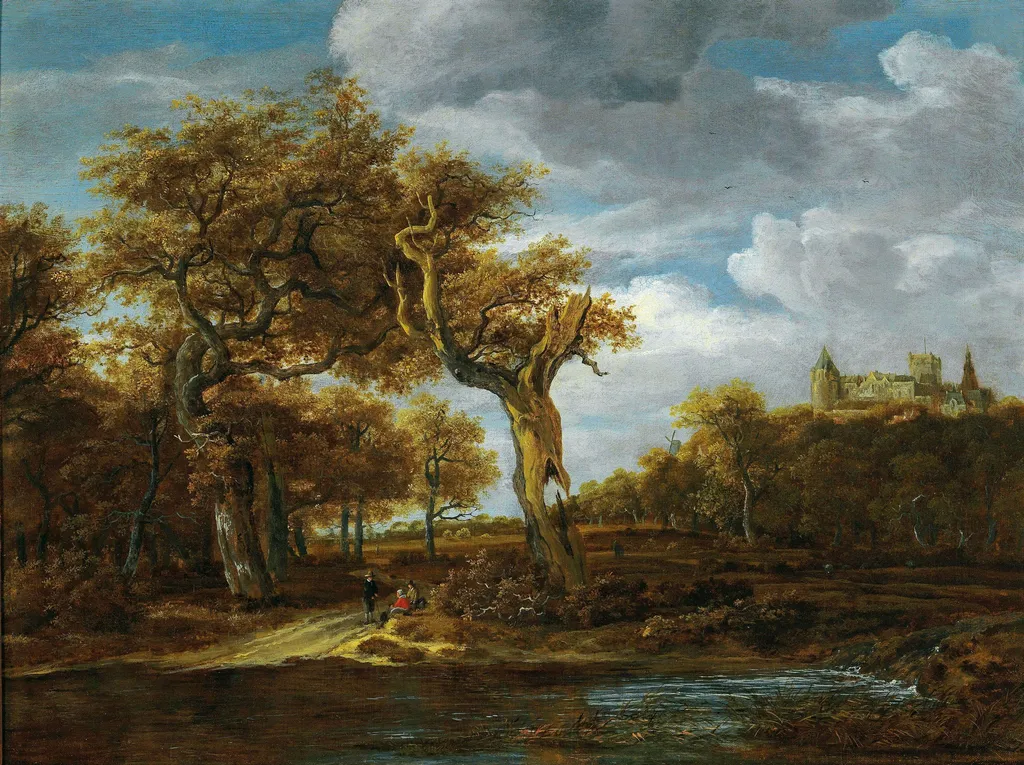
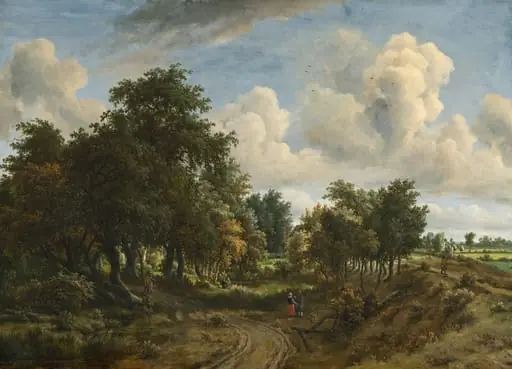
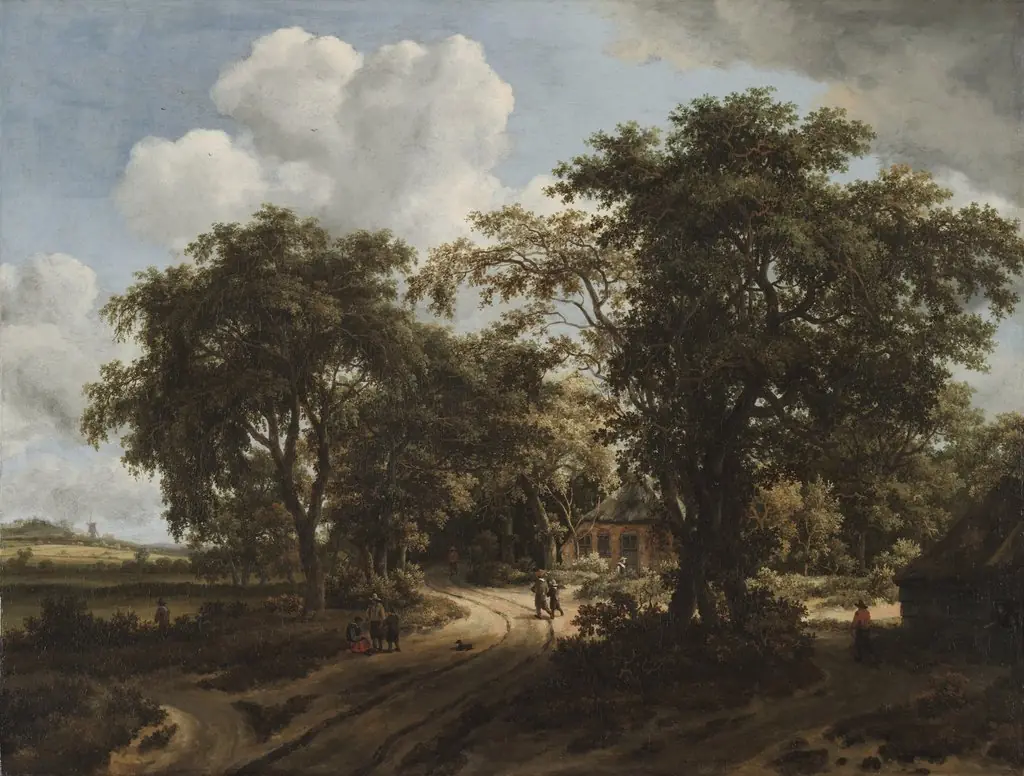
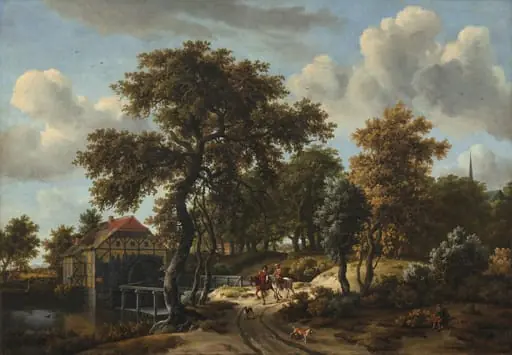
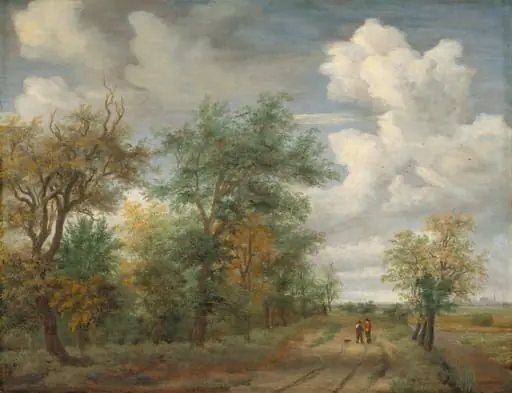
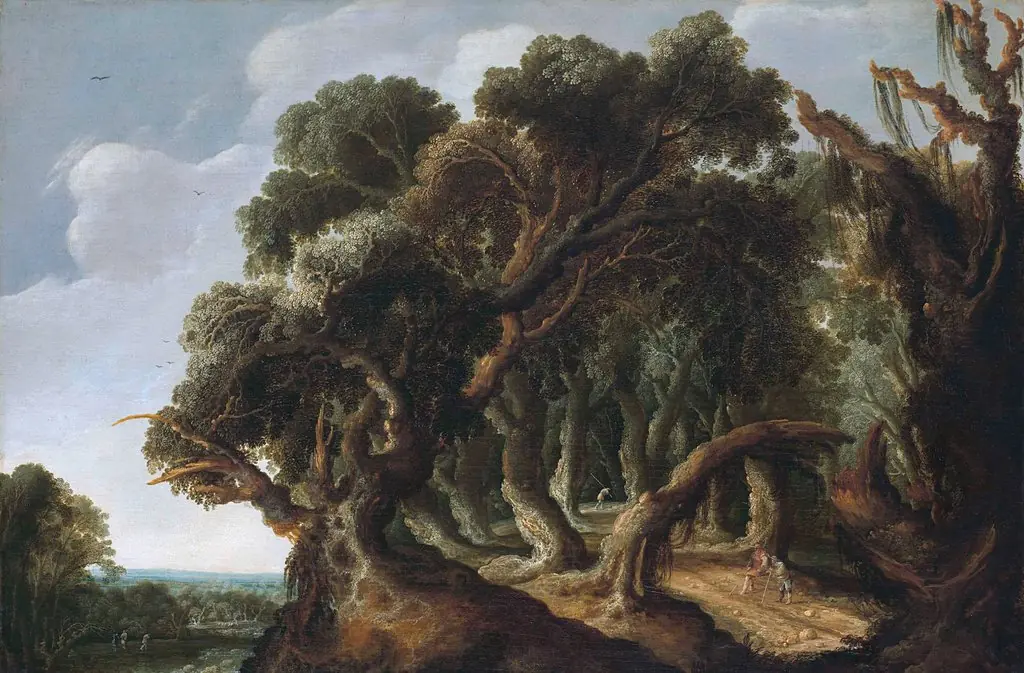
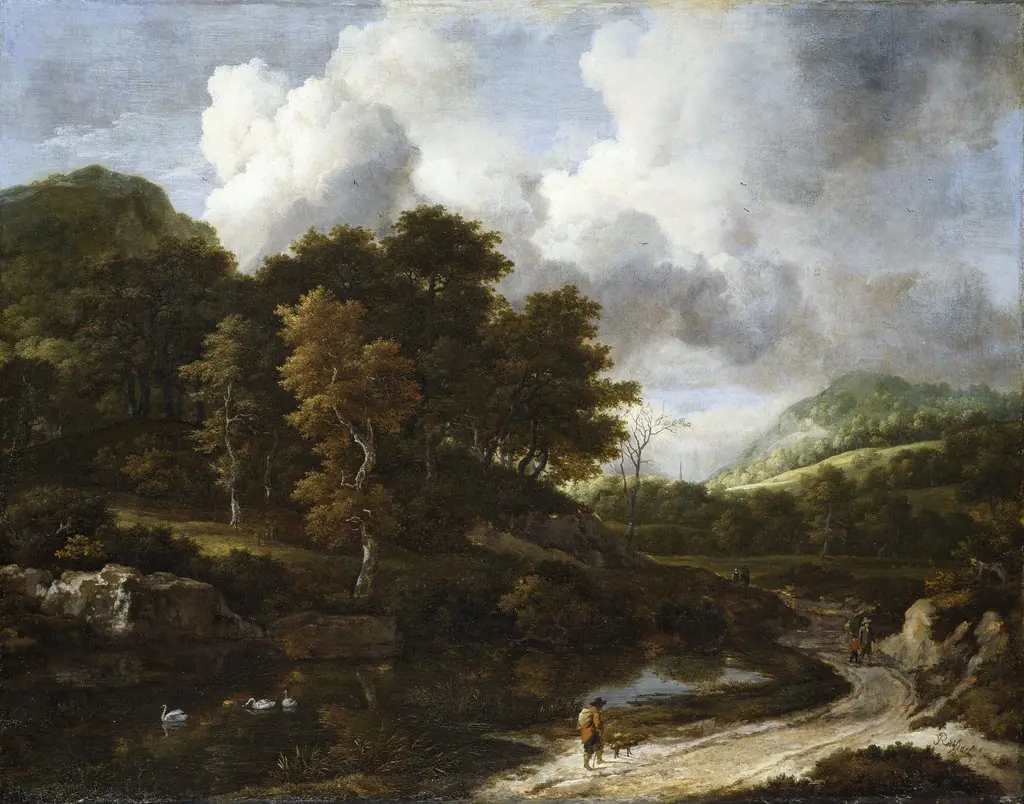
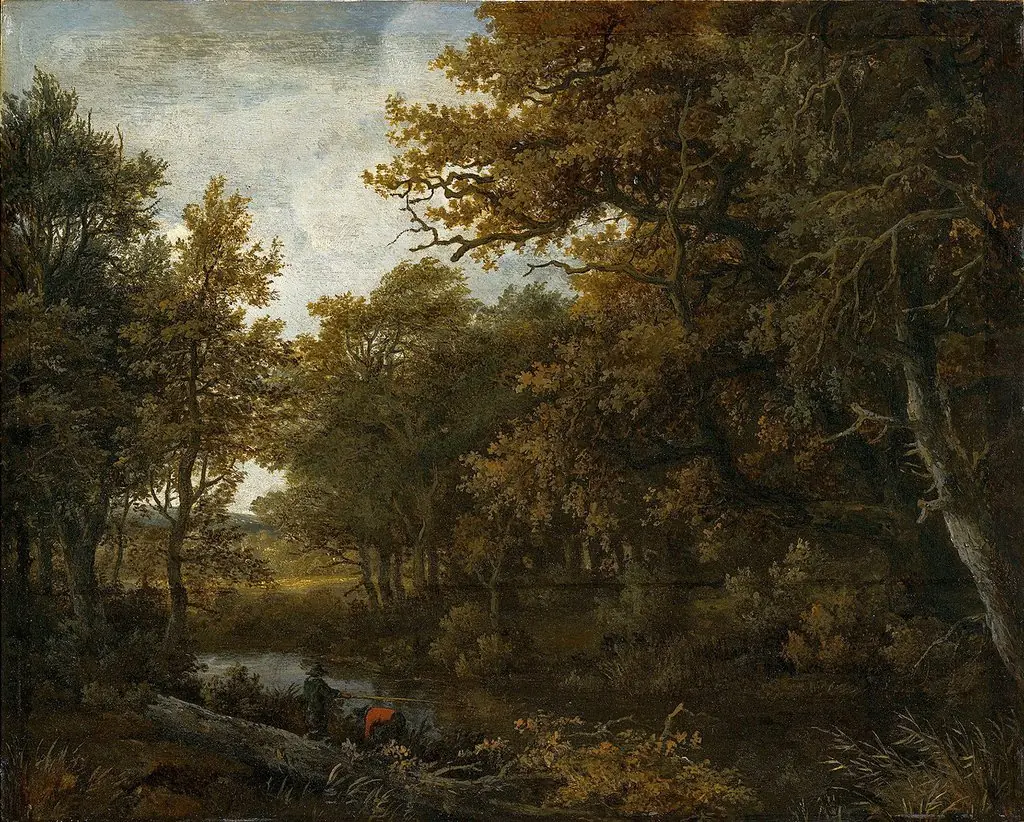
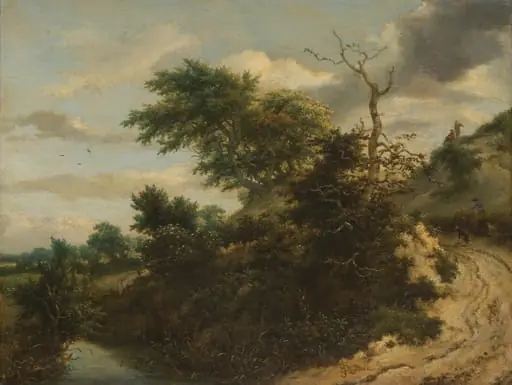
Wooded Landscape with the Castle of Bentheim is an oil painting by Meindert Hobbema. It dates from 1655 and is held in the collection of the Hermitage Museum.
About this work
Overview
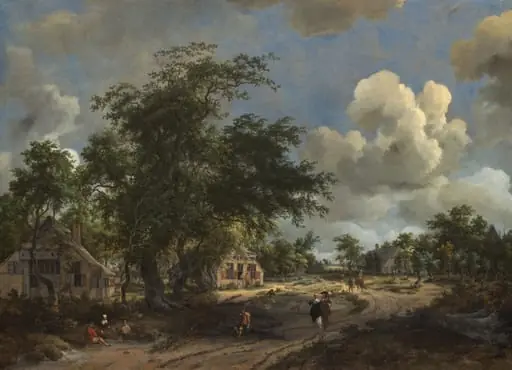
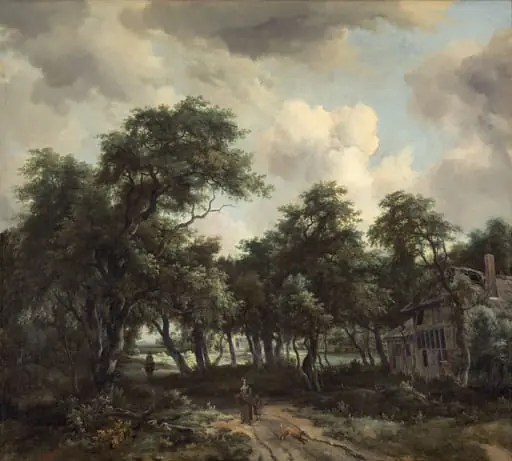
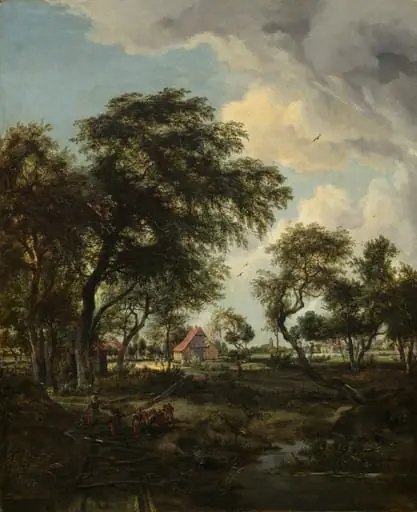
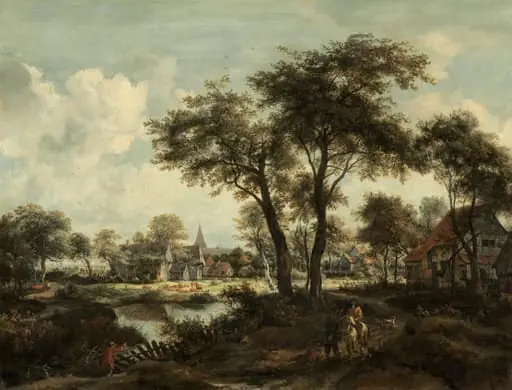
The composition balances a dense canopy of green‑brown foliage with a clear sky, while two small figures near an artificial pond add a narrative touch.
Meindert Hobbema’s 1655 oil painting *Wooded Landscape with the Castle of Bentheim* presents a tranquil forest scene dominated by a winding path, a modest stream and a distant hilltop fortress. The composition balances a dense canopy of green‑brown foliage with a clear sky, while two small figures near an artificial pond add a narrative touch. The work is part of the State Hermitage Museum’s collection.
Subject & Meaning
The canvas foregrounds a sun‑lit woodland where towering trees frame a quiet clearing. In the middle distance, Burg Bentheim rises on a hill, its towers rendered with precise detail against a partly clouded sky. The inclusion of two individuals—one holding an object, the other gesturing—suggests a moment of observation, inviting viewers to contemplate the harmony between nature and the built environment.
Technique & Style
Hobbema employs a restrained palette of greens, browns and muted blues, allowing subtle shifts in light to define form. Soft, diffused shadows under the canopy convey a realistic atmosphere, while the delicate handling of foliage demonstrates his mastery of texture. The distant castle is painted with fine linear clarity, contrasting with the looser brushwork of the forest, a hallmark of Dutch Golden Age landscape practice.
History & Provenance
Created during Hobbema’s mature period, the painting reflects his lifelong focus on wooded settings after training with Jacob van Ruisdael. It entered the State Hermitage Museum’s holdings in the 19th century, where it has remained on public display. The work’s provenance traces back to Dutch collections before its acquisition by the Russian imperial museum.
Context
Hobbema’s oeuvre is closely linked to the Dutch Golden Age fascination with idealized rural vistas. Though the castle depicted is the real Burg Bentheim, the surrounding landscape is softened to convey an untouched, pastoral ideal. This approach aligns with contemporary trends that favored harmonious, almost theatrical representations of the countryside over strict topographical accuracy.
Own this work as a print
Artist & collection
Artist
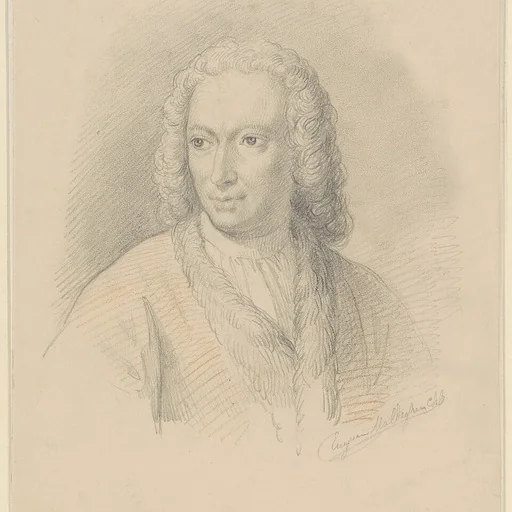
Meindert Lubbertszoon Hobbema (bapt. 31 October 1638 – 7 December 1709) was a Dutch Golden Age painter of landscapes, specializing in views of woodland, although his most famous painting, The Avenue at Middelharnis…