Artwork
Earl Spencer
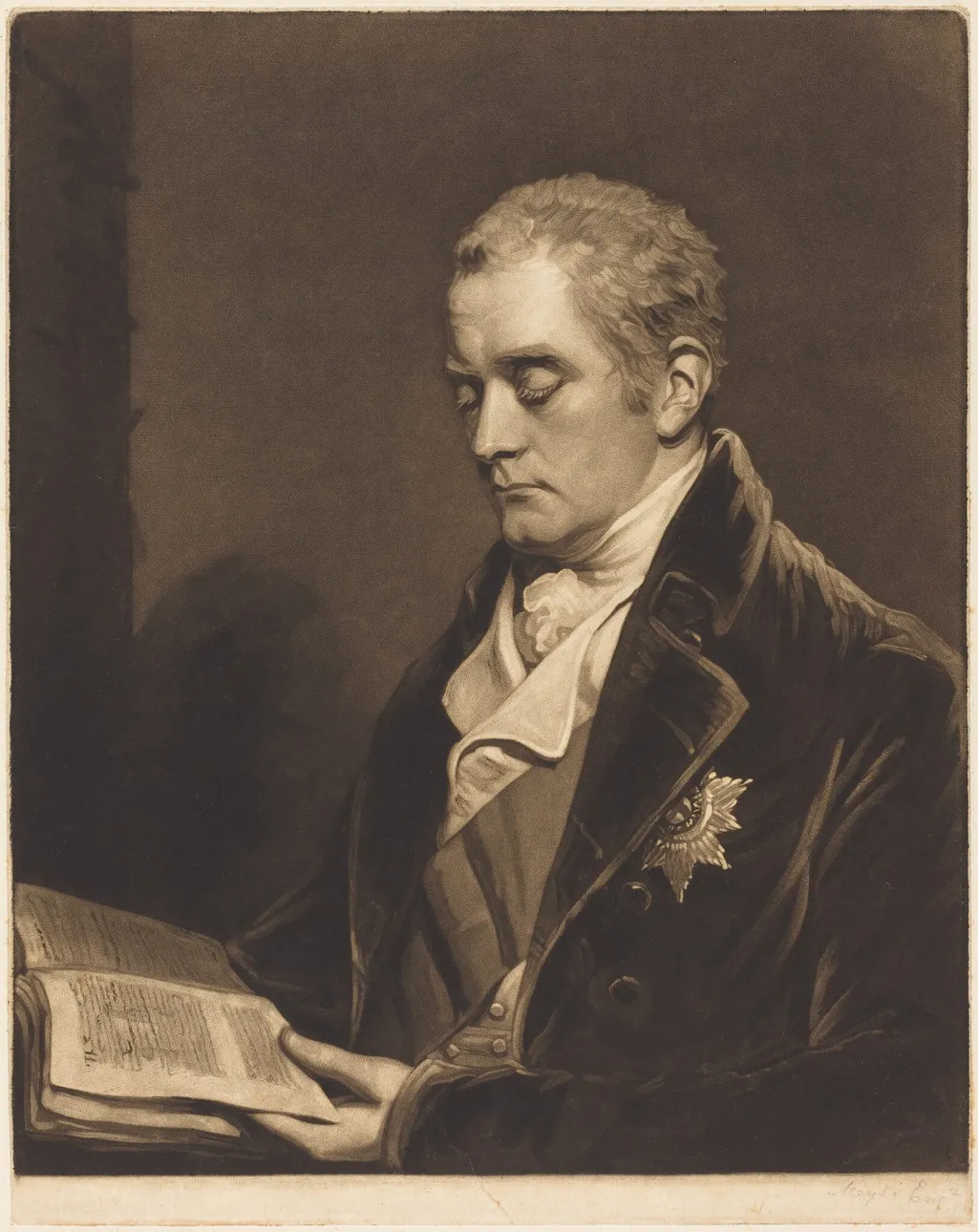
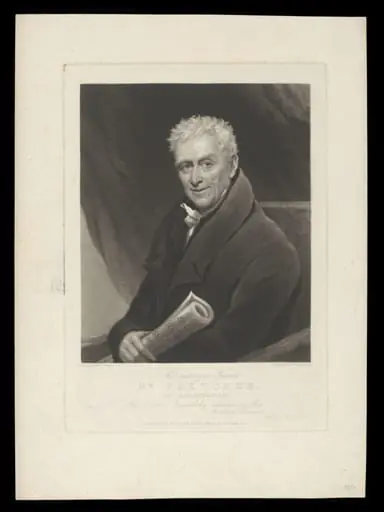
Earl Spencer is an ink print by the Romanticist artist Henry Meyer. It dates from 1814 and is held in the collection of the National Gallery of Art.
About this work
Overview
The medium’s tonal range emphasizes texture and volume, characteristic of mezzotint’s capacity for subtle gradations.
This 1814 mezzotint by Henry Meyer depicts Spencer, a British nobleman, in a trial proof state. The print captures him in formal attire, standing against a deep shadowed background that isolates his figure. The medium’s tonal range emphasizes texture and volume, characteristic of mezzotint’s capacity for subtle gradations. The work was likely produced as an experimental version before final printing.
Subject & Meaning
The subject is shown holding a closed book, his gaze lowered as if in contemplation. His attire—dark coat, white shirt, and prominent brooch—signals aristocratic status and intellectual refinement. The book, though not open, suggests erudition and private reflection, aligning the portrait with ideals of noble responsibility and cultivated demeanor rather than public display.
Technique & Style
Meyer employed mezzotint, a labor-intensive printmaking method that achieves rich blacks and delicate mid-tones by roughening a copper plate. The technique allows for smooth transitions between light and shadow, enhancing the three-dimensionality of the figure. The background’s near-black void directs focus to the subject’s form and facial expression, reinforcing the portrait’s solemn, introspective mood.
History & Provenance
Created in 1814, this trial proof predates the final edition of the print, offering insight into Meyer’s working process. Such proofs were often retained by artists or patrons for review before mass production. Its survival suggests it was valued as a unique variant, possibly held within the Spencer family circle or by the artist’s associates during the early 19th century.
Context
In early 19th-century Britain, mezzotint portraiture was widely used to disseminate images of the elite. Meyer, a German-born engraver active in London, contributed to this tradition, translating oil portraits into accessible prints. The choice of Spencer—a prominent peer—reflects the medium’s role in reinforcing social hierarchy through visual culture.
Legacy
Though not widely reproduced, this trial proof remains a significant example of mezzotint’s capacity for nuanced portraiture. It illustrates the technical precision demanded by the medium and offers a rare glimpse into the editorial phase of print production. Its preservation contributes to understanding how aristocratic identity was visually constructed in the post-Enlightenment era.
Artist & collection


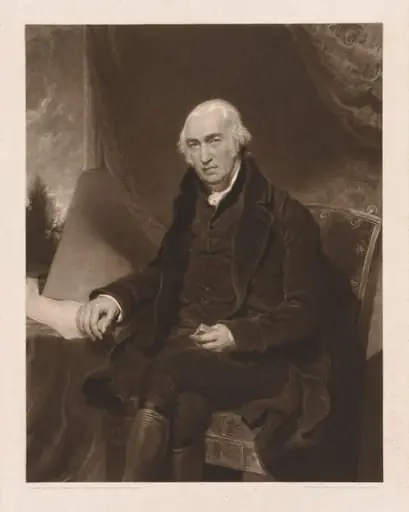 James Watt
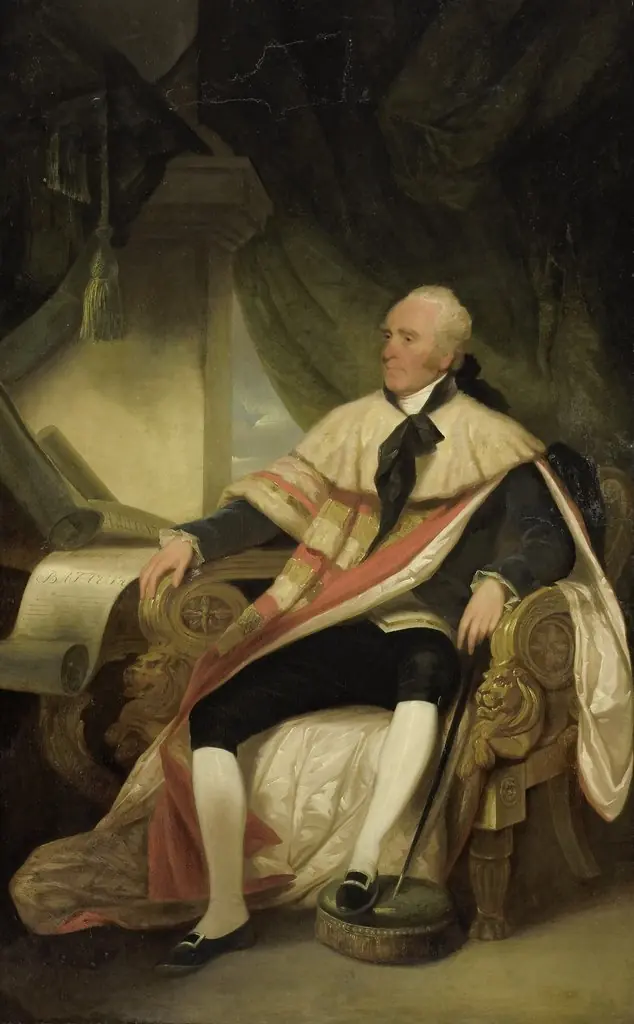 Gilbert Elliot, 1st Earl of Minto (1751-1814), Viceroy of British India and Governor General of the Dutch East Indies (1812-14)
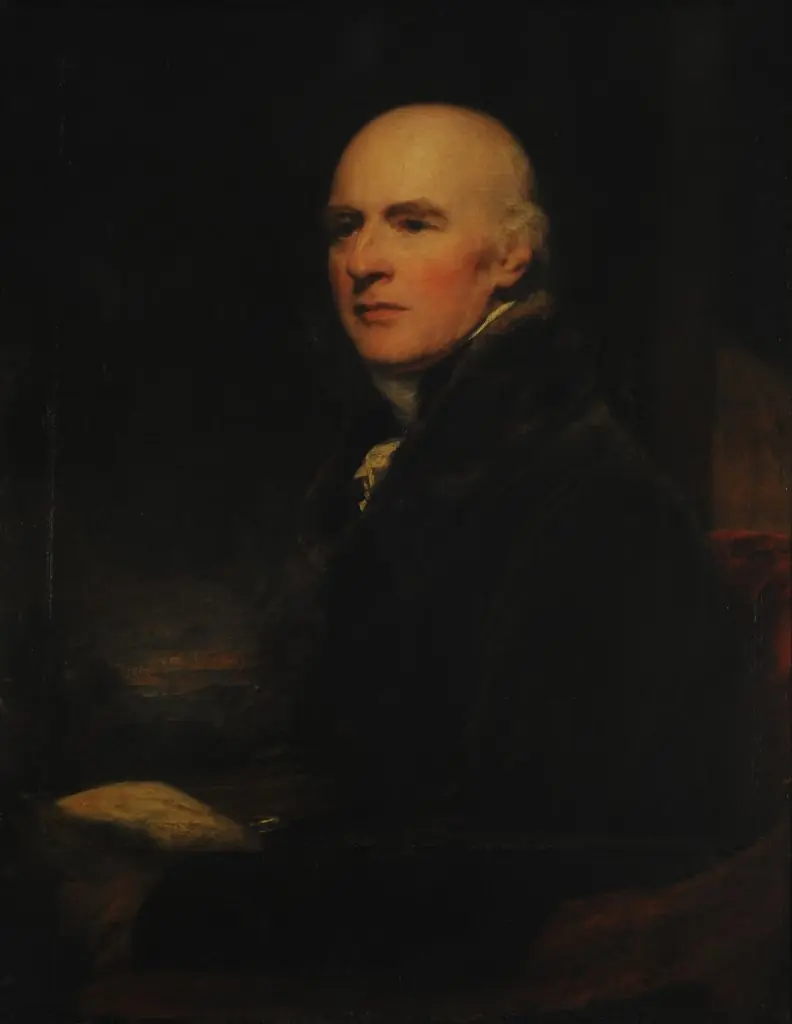 Portrait of Joseph Farington, R.A.
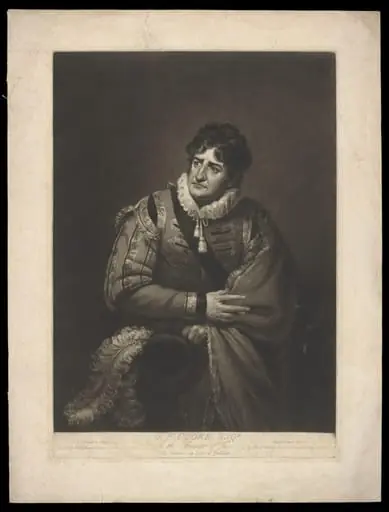 H Beard Print Collection
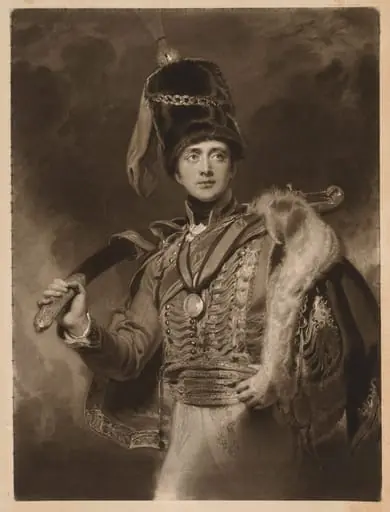 Lieutenant General Honorable C. W. Stewart
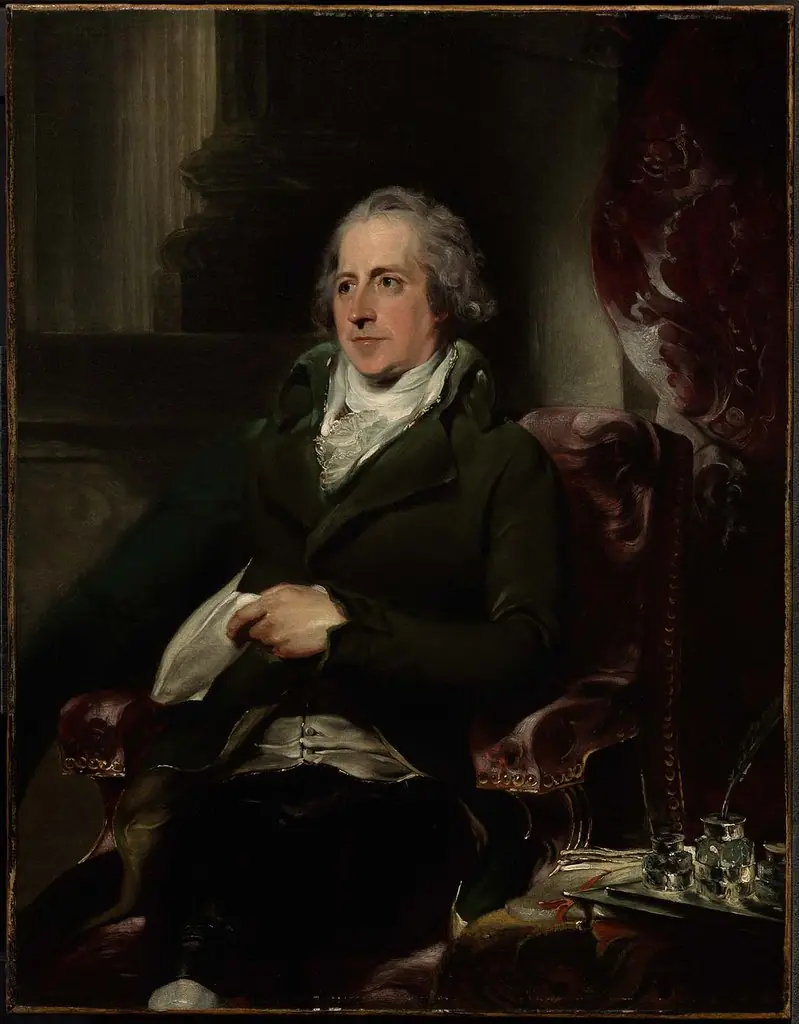 William Eden, First Lord Auckland, M. P.
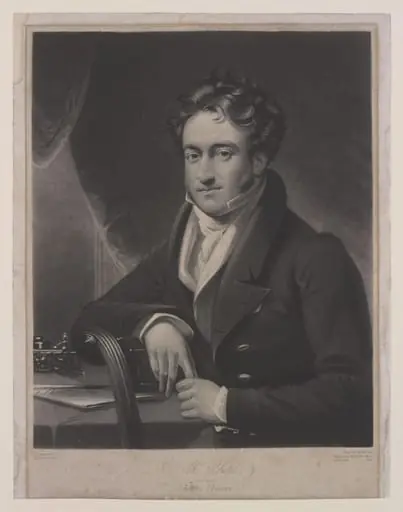 Mr Yates of the Adelphi Theatre
 Horatio Nelson
 H Beard Print Collection
 H Beard Print Collection