Artwork
The Betrothal
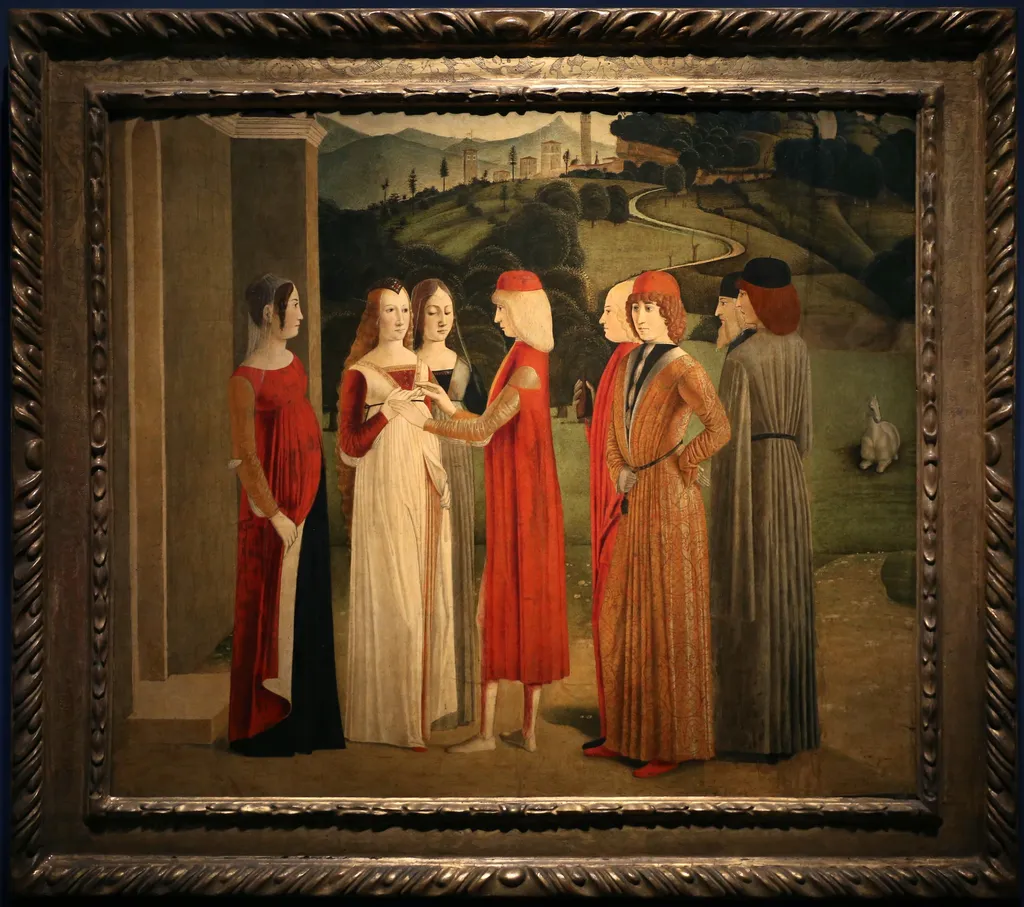
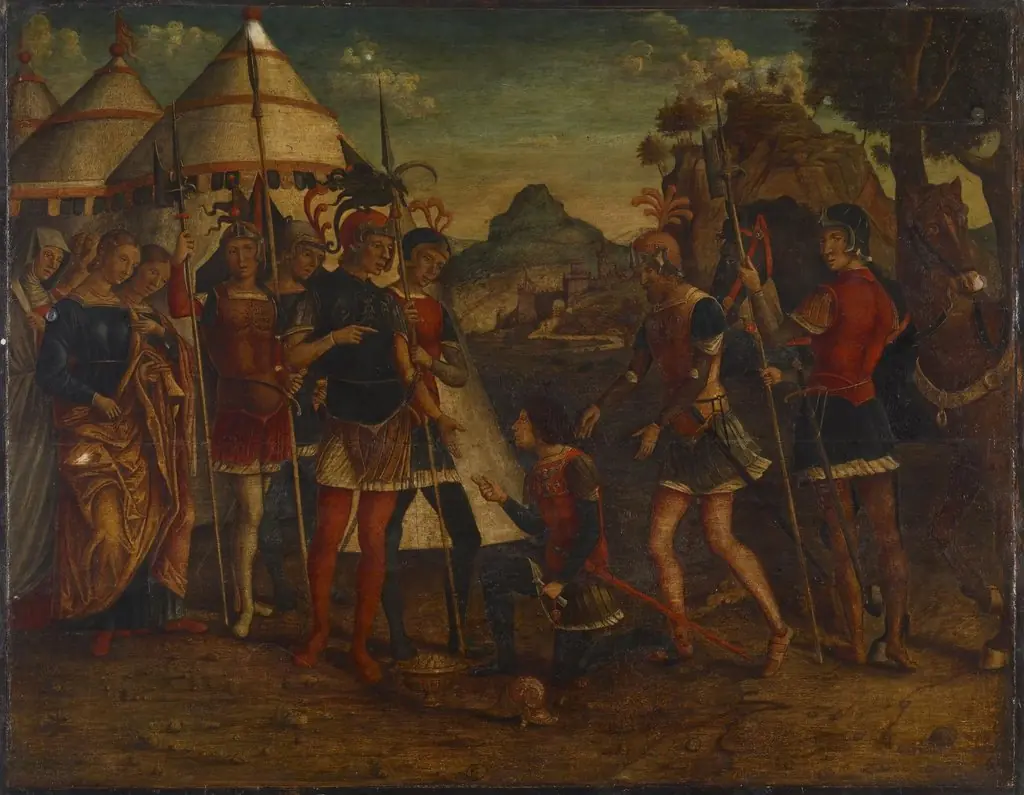
The Betrothal is a paint painting by the Early Renaissance artist Michele da Verona. It dates from 1499 and is held in the collection of the Gemäldegalerie Berlin.
About this work
Overview
The composition is restrained, avoiding dramatic gesture in favor of stillness, aligning with regional tendencies toward contemplative narrative.
Painted in 1499 by Michele da Verona, this panel work captures a moment of betrothal within a quiet rural setting. Executed in tempera or oil on wood, it reflects the transitional artistic language of late 15th-century northern Italy. The composition is restrained, avoiding dramatic gesture in favor of stillness, aligning with regional tendencies toward contemplative narrative. It resides today in the Gemäldegalerie, Berlin, as part of its early Renaissance collection.
Subject & Meaning
The scene depicts a formal engagement between two figures, flanked by family members and witnesses, likely reflecting the ritualized social contract of marriage in Renaissance Italy. No overt religious symbols are present, suggesting a secular context rooted in civic custom. The arrangement of figures—some engaged, others turned away—implies a quiet tension between public ceremony and private emotion, emphasizing the communal nature of such unions.
Technique & Style
Michele employed a muted palette of earth tones—ochres, umbers, and soft whites—to ground the scene in naturalism. Light is modeled gently across forms, creating subtle volume without harsh contrasts. The landscape recedes with soft contours, and the winding road suggests spatial depth without linear perspective’s rigidity. Robes are rendered with fluid folds, hinting at underlying structure while maintaining a lyrical, almost textile-like quality.
History & Provenance
The painting’s early ownership is undocumented, but it entered the Gemäldegalerie Berlin’s collection in the 19th century, likely through acquisitions of Italian Renaissance works by Prussian collectors. Its attribution to Michele da Verona, a lesser-known figure from Verona, was established through stylistic comparison with other regional works of the period. It has remained in the museum’s care since, with no major restorations recorded.
Context
Created during a period when Venetian and Lombard influences shaped Veronese art, the painting reflects a regional preference for calm, atmospheric storytelling over theatricality. While Florence and Rome embraced classical ideals, northern Italian painters like Michele retained a more intimate, tactile approach to composition. The absence of architectural grandeur underscores a focus on human ritual rather than institutional power.
Legacy
Though not widely exhibited outside Germany, the painting contributes to understanding the diversity of Renaissance narrative painting beyond major centers. Its quiet dignity and restrained technique offer insight into how smaller workshops interpreted social customs with emotional subtlety. It remains a quiet testament to the everyday rituals that shaped Renaissance life, preserved without fanfare but with enduring clarity.
Artist & collection
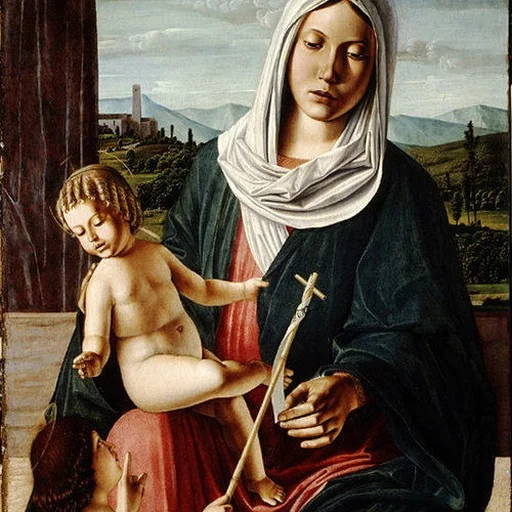
Artist
Michele da Verona (Michele di Zenone) (1470, in Verona – 1536/1544) was an Italian painter of the Renaissance period. He is different but a near contemporary of Zenone Veronese (1484 -1542).

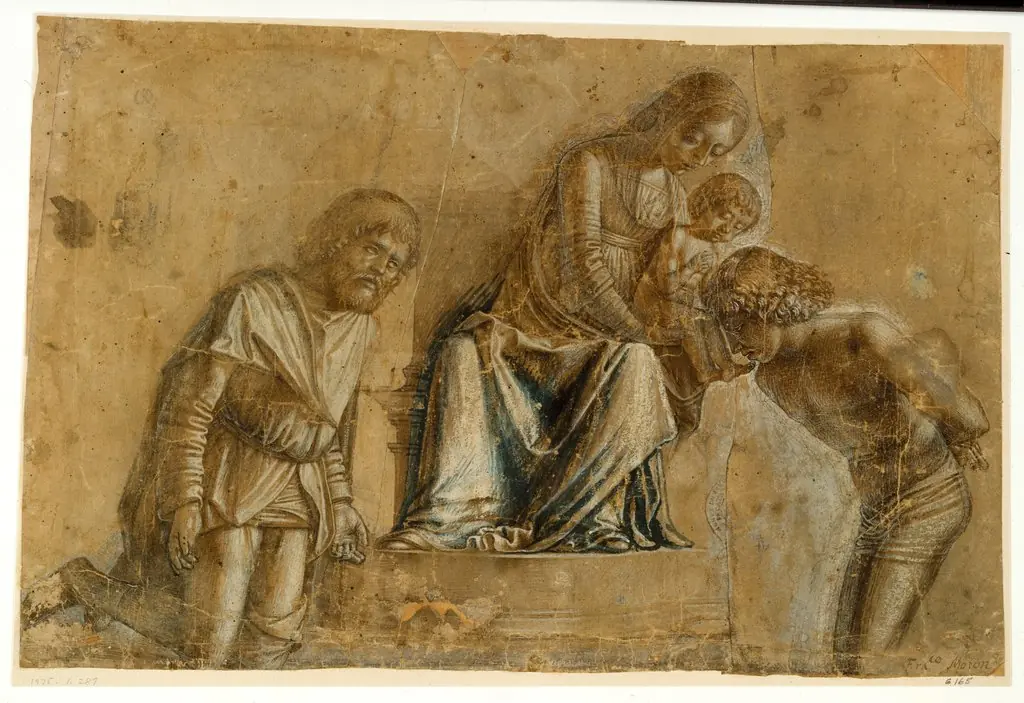
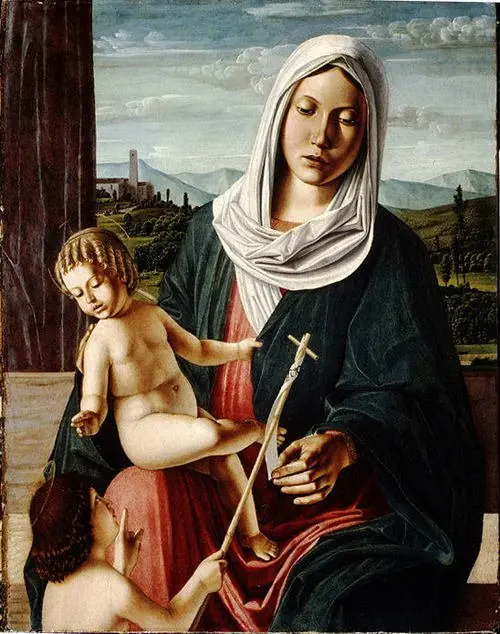
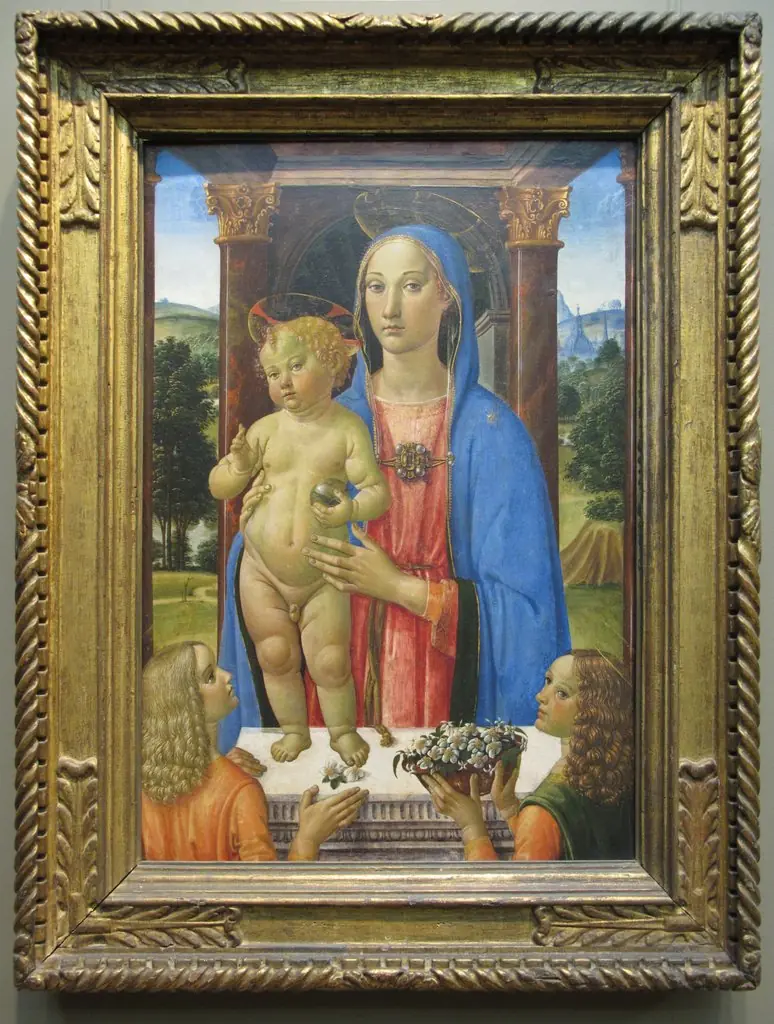 Madonna and Child with Angels
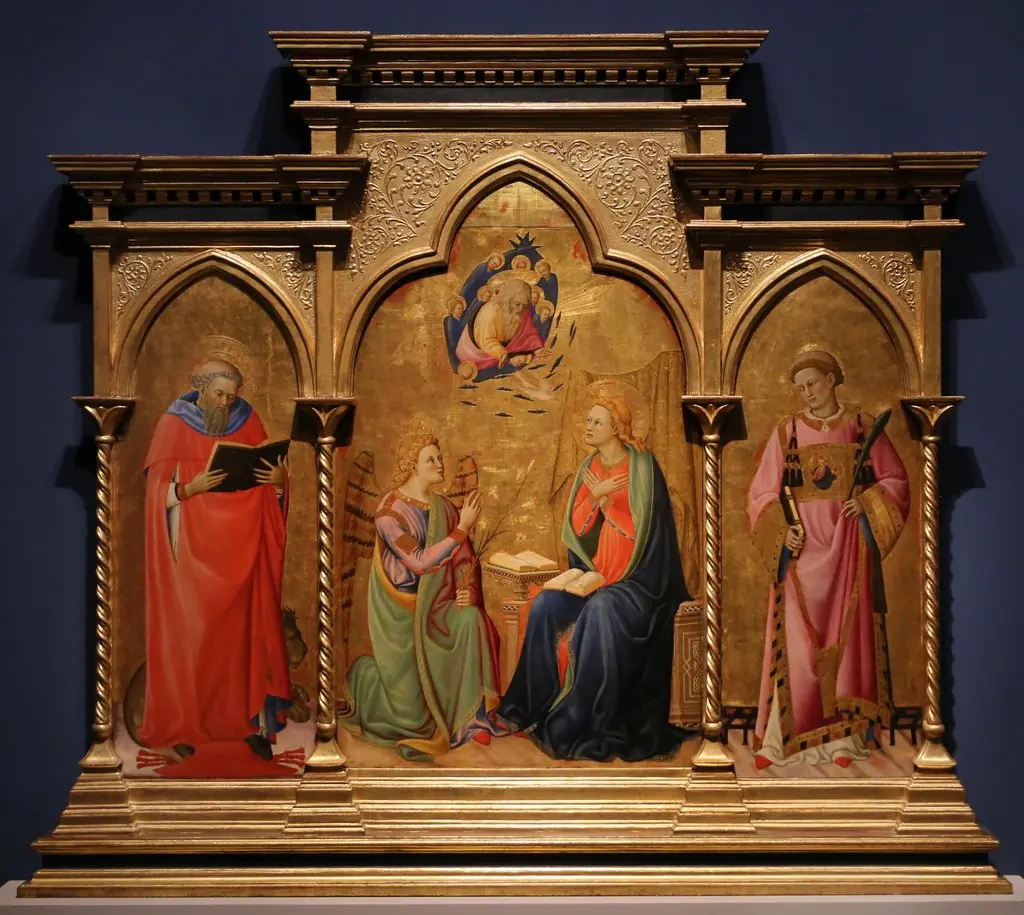 Parts of a triptych: Annunciation and saints Jerome and Lawrence
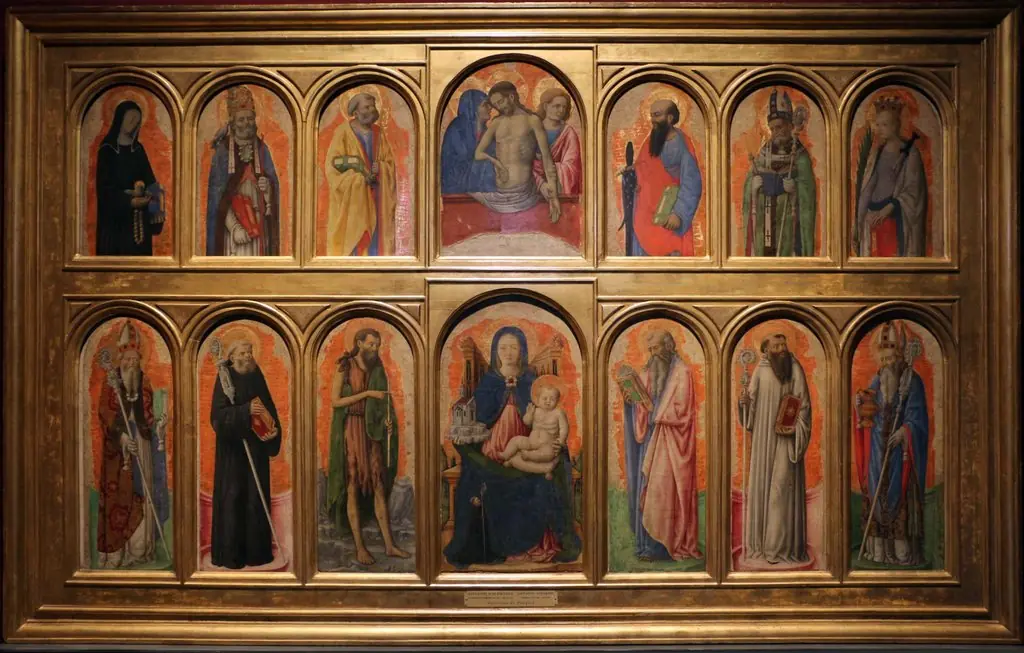 Polyptych of Praglia
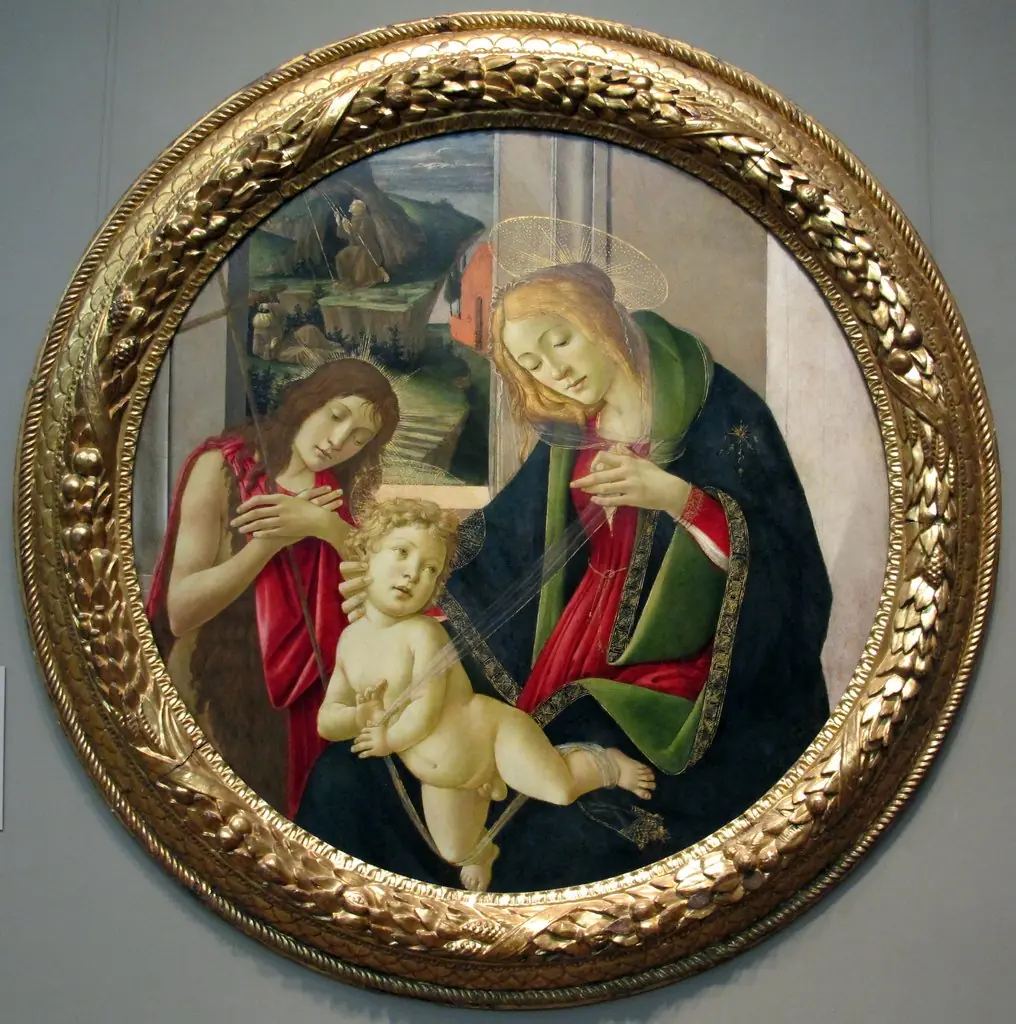 Madonna and Child with Saint John
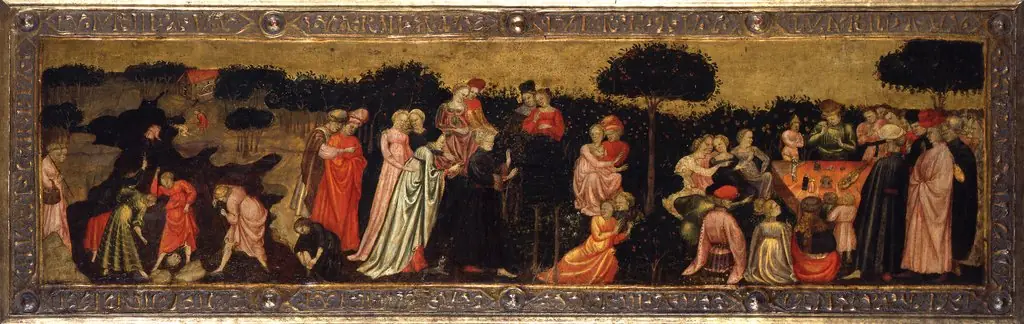 Garden of Love
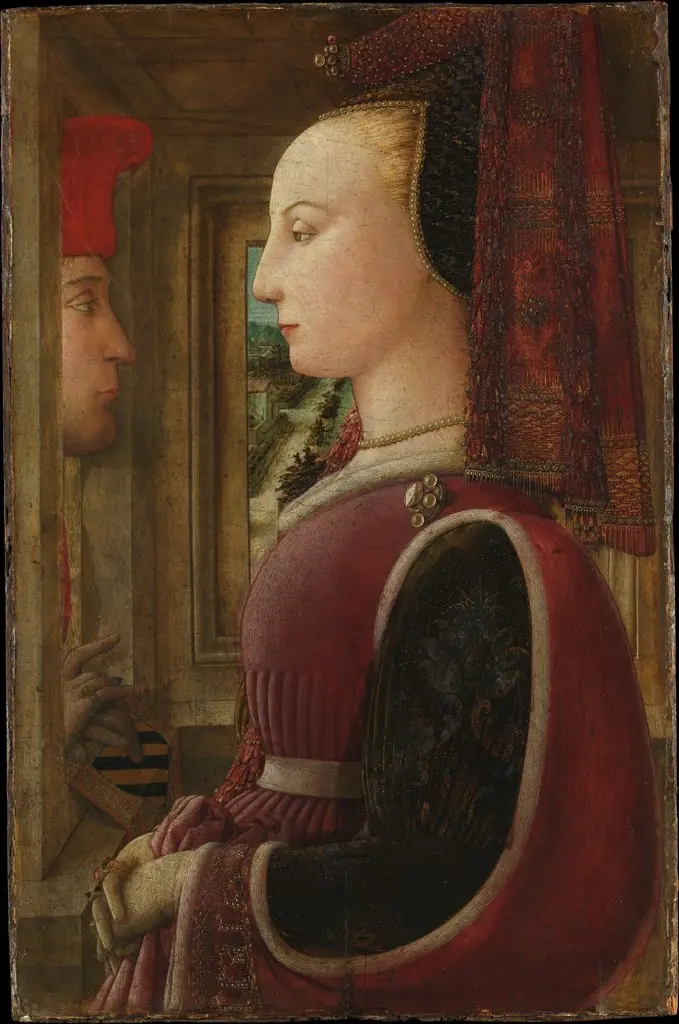 Portrait of a Woman with a Man at a Casement
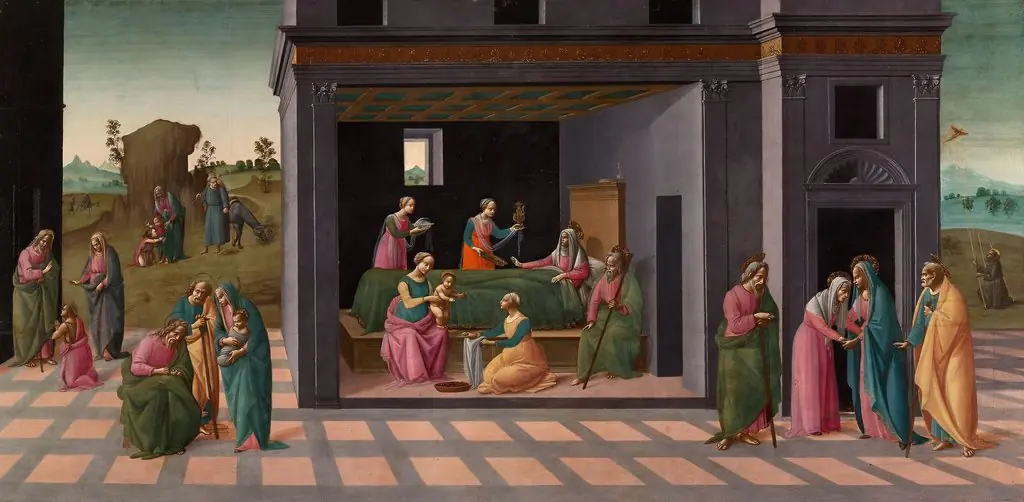 Scenes from the Life of Saint John the Baptist
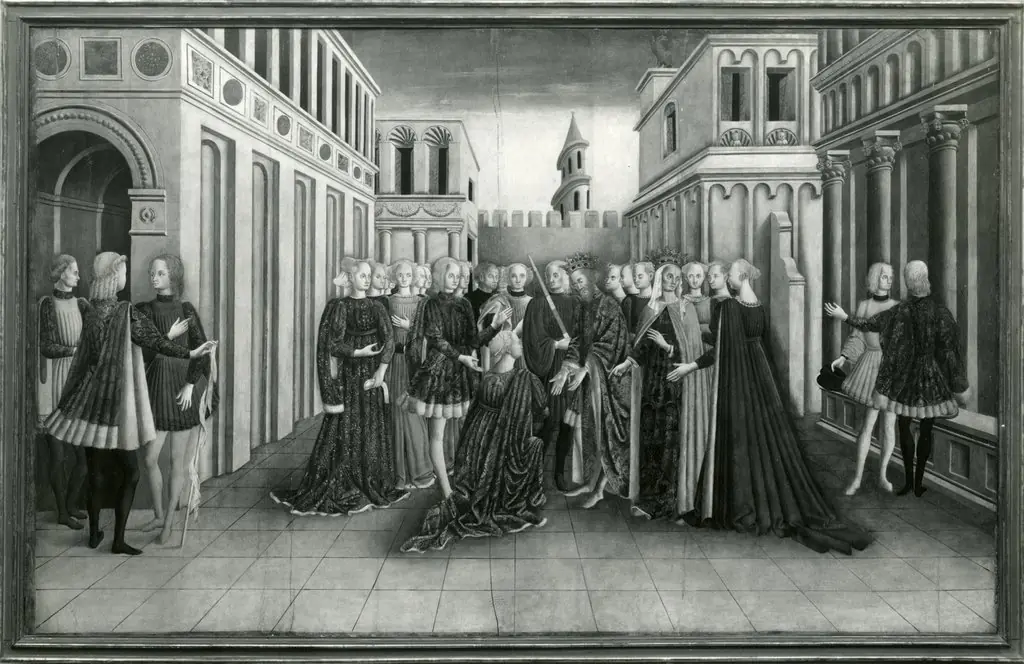 The Reception of Helen at Troy by Priam and Hecuba
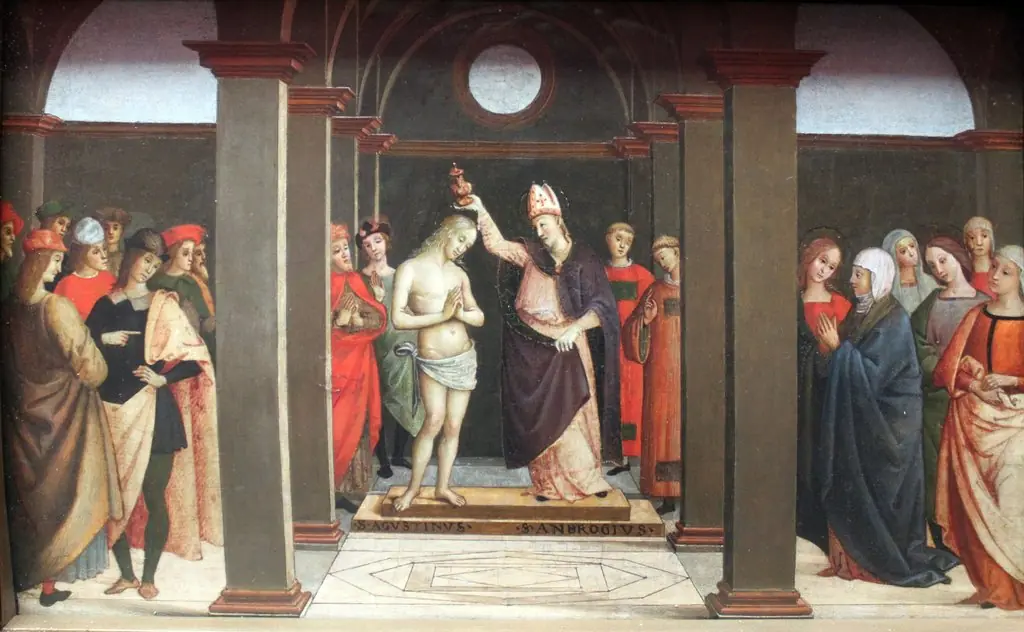 Untitled
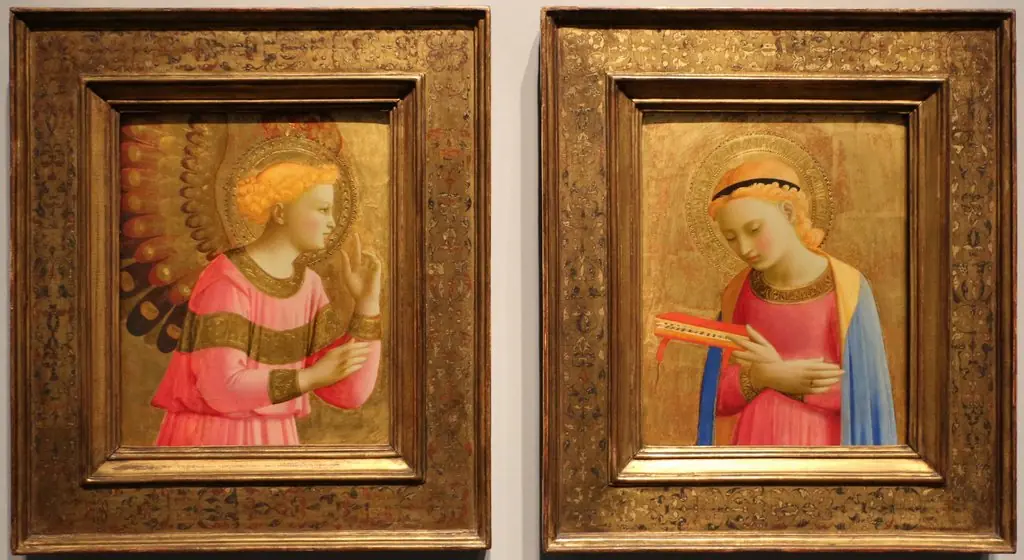 angelo annnunciante e vergine annunciata
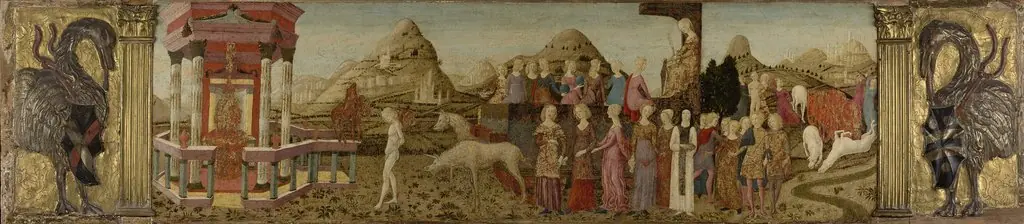 Triumph of Chastity
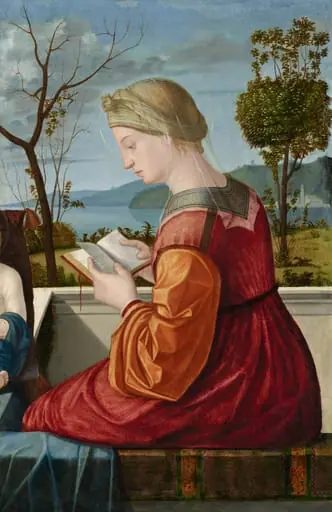 The Virgin Reading