Artwork
The Magnanimity of Scipio
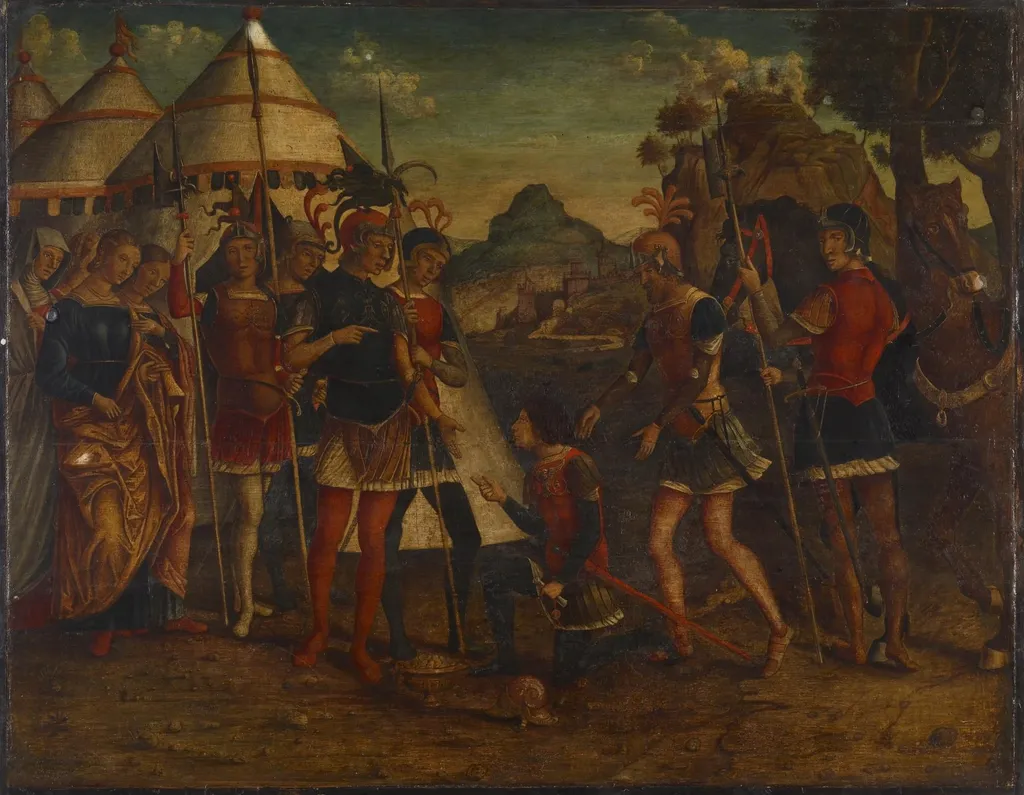
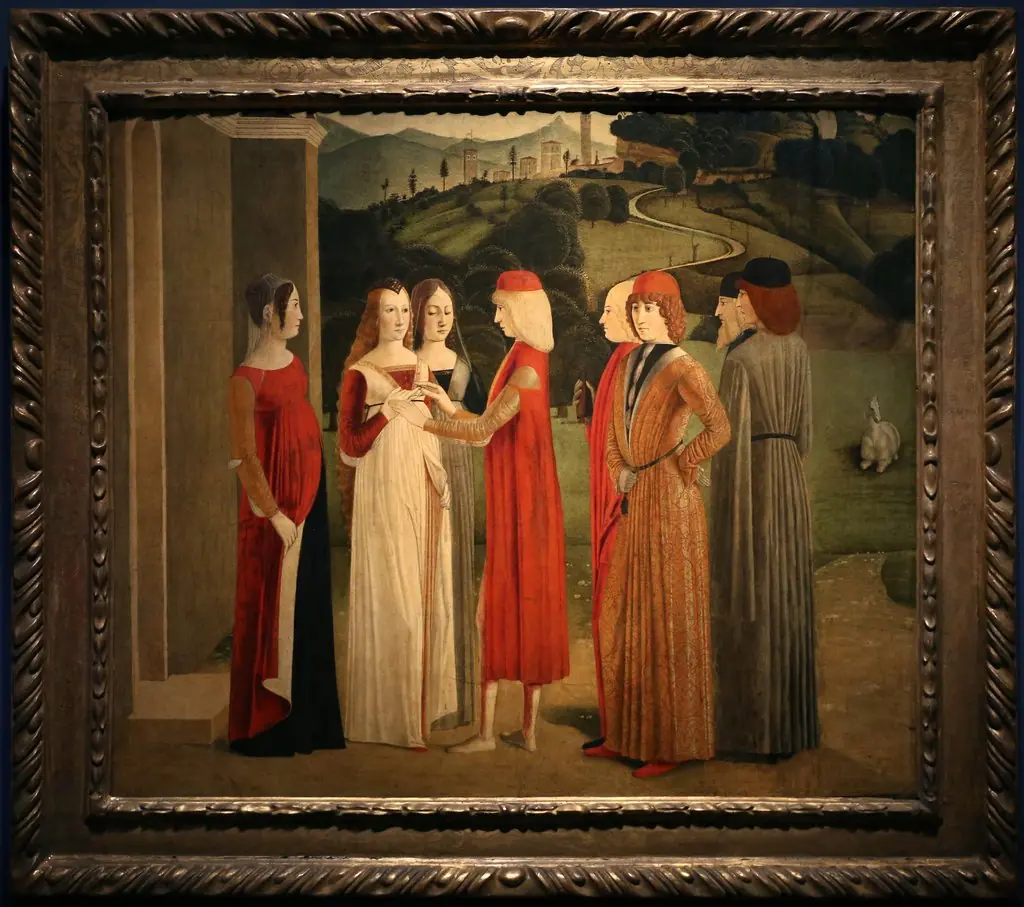
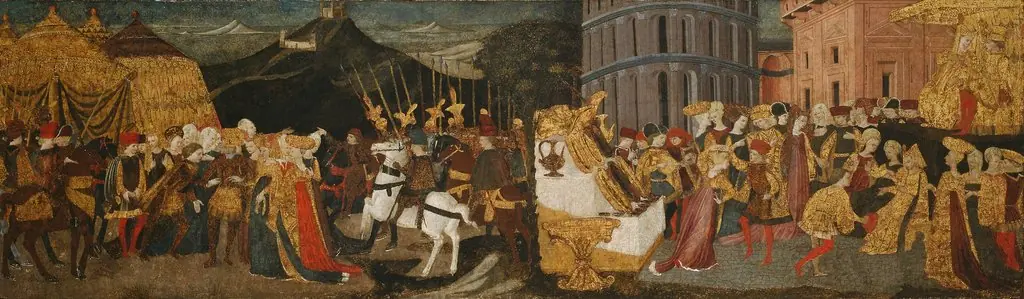
The Magnanimity of Scipio is an oil painting by the Early Renaissance artist Michele da Verona. It dates from 1500 and is held in the collection of the Walters Art Museum.
About this work
Overview
Created in 1500 by the Veronese painter Michele da Verona, this oil on canvas illustrates a moment from the legend of Scipio Africanus. The composition is held by the Walters Art Museum, where it remains a representative example of early Renaissance narrative painting.
Subject & Meaning
The scene shows a kneeling, armored figure presenting a sword to a standing man in a red tunic, whose helmet bears feathers and whose right arm is outstretched. The surrounding figures, some bearing spears, suggest a ceremonial or diplomatic encounter, echoing the historical tale of Scipio’s generosity toward a defeated foe.
Technique & Style
Executed in oil, the work employs a restrained palette of earth tones that lend a naturalistic quality to the figures and landscape. Fine modeling of armor and fabric, together with careful attention to atmospheric perspective in the distant trees and hills, reflect the early Renaissance interest in realism and spatial depth.
History & Provenance
Michele da Verona, active between roughly 1470 and the early 1540s, was a contemporary of Zenone Veronese. The painting entered the Walters Art Museum’s collection through acquisition in the early twentieth century, though earlier ownership records are scarce.
Context
The composition aligns with the period’s fascination with classical antiquity and moral exempla, using the story of Scipio’s magnanimity to convey virtues of clemency and honor. Such themes were common in Italian courts, where patrons valued depictions of historic exemplars as moral instruction.
Own this work as a print
Artist & collection
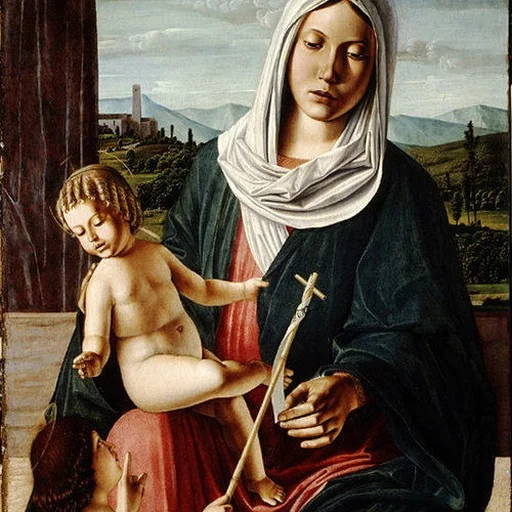
Artist
Michele da Verona (Michele di Zenone) (1470, in Verona – 1536/1544) was an Italian painter of the Renaissance period. He is different but a near contemporary of Zenone Veronese (1484 -1542).

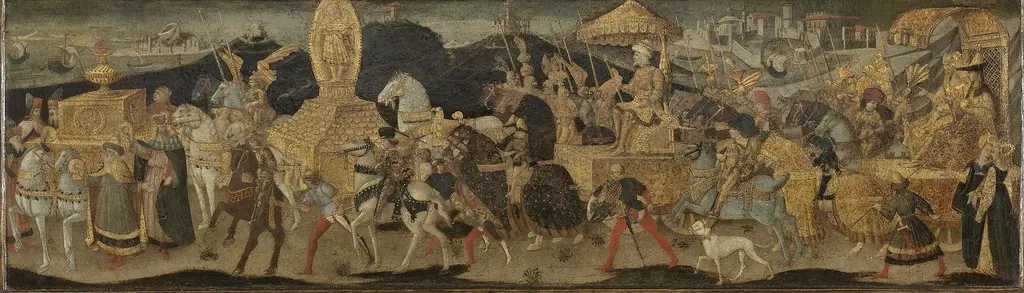 Darius Marching to the Battle of Issus
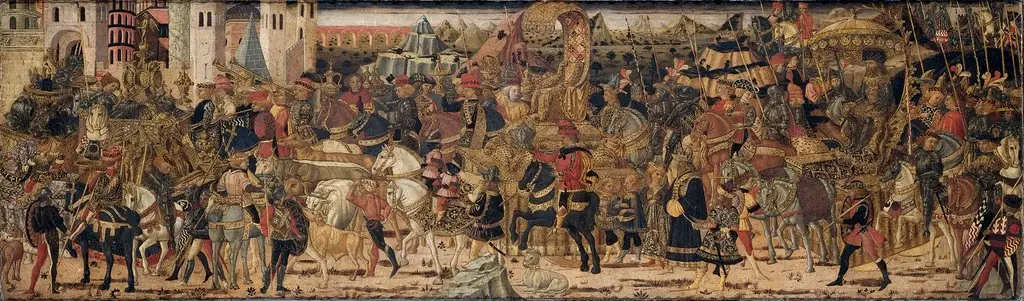 The Triumph of Aemilius Paulus after the Battle of Pydna
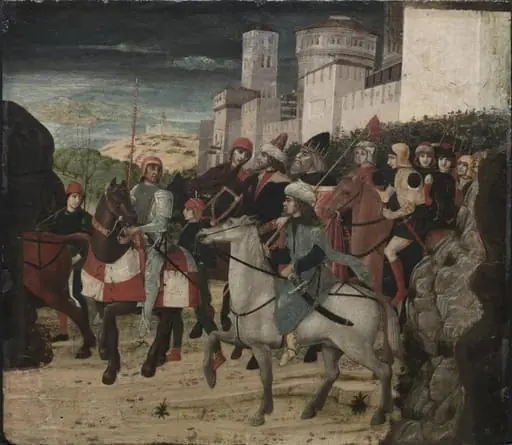 Procession of the Magi
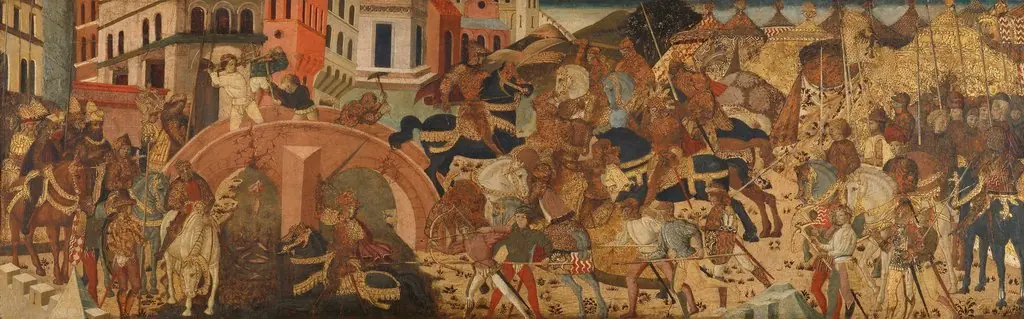 Horatius Cocles Defending the Sublician Bridge
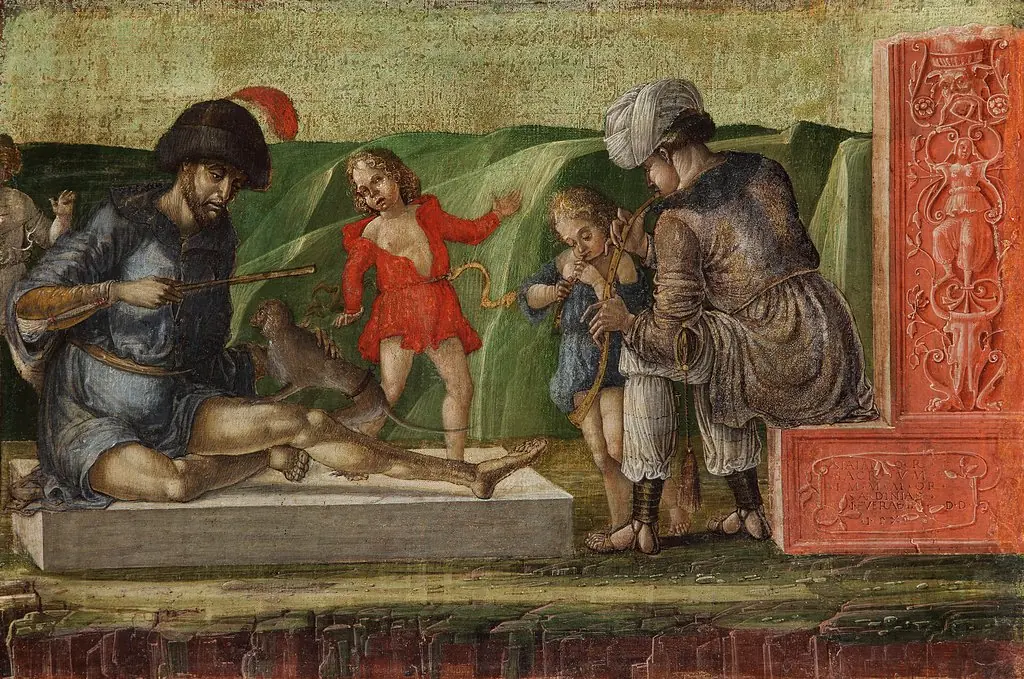 Musicians
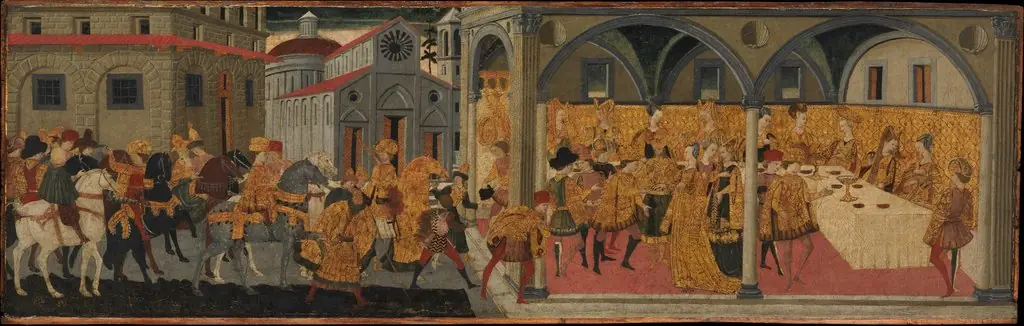 The Story of Esther
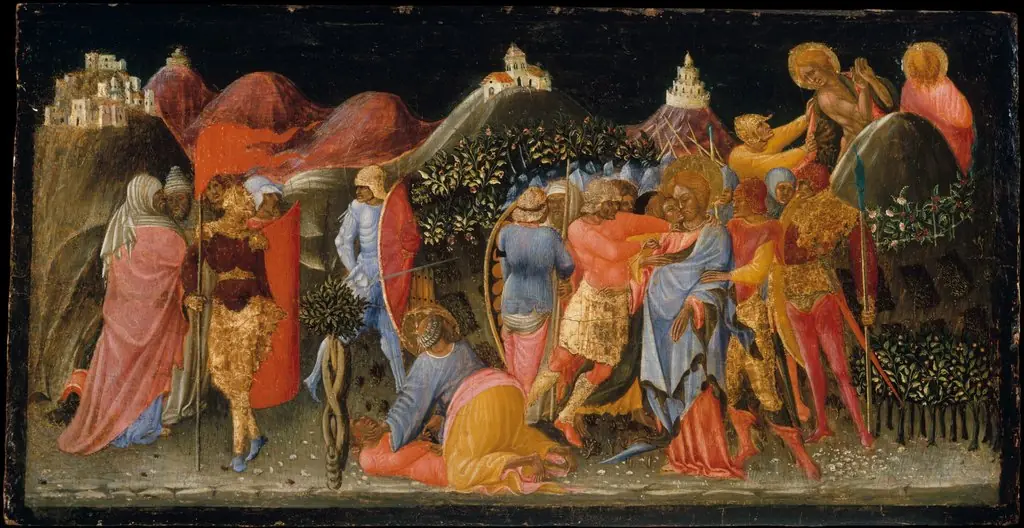 The Betrayal of Christ
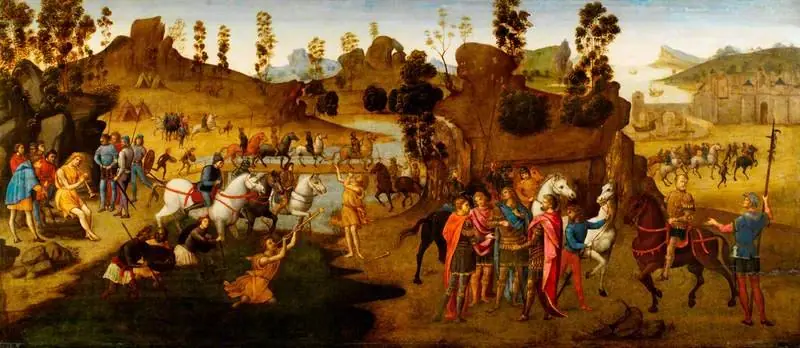 Julius Caesar and the Crossing of the Rubicon (scene from the story of Alexander the Great)
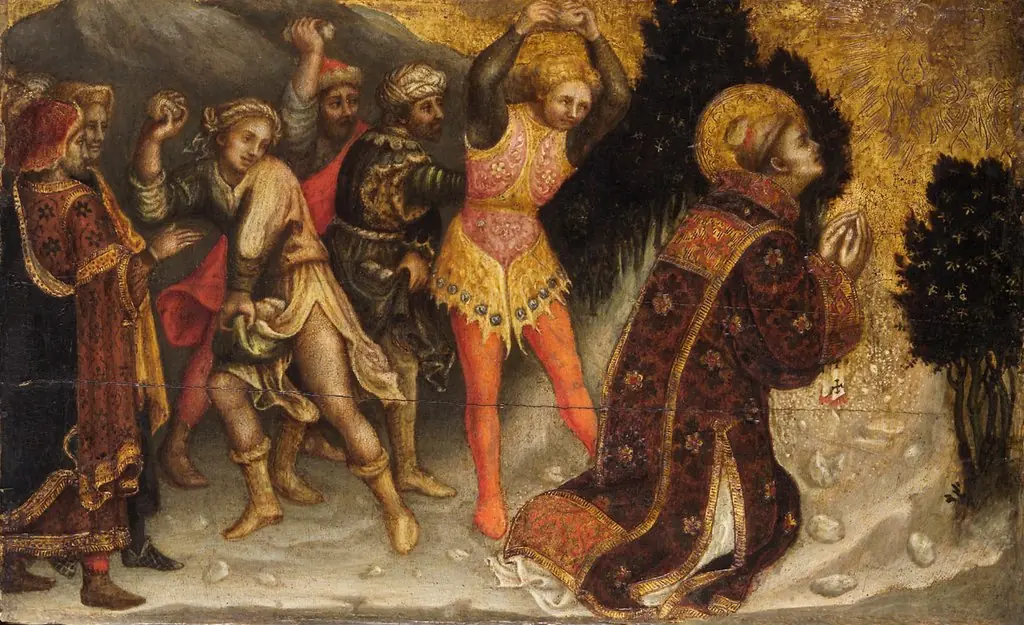 Stoning of St. Stephen
 The Triumph of Camillus
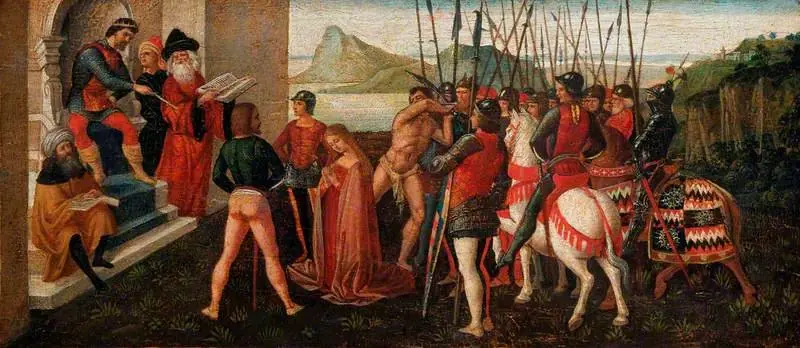 The Martyrdom of Saint Catherine
 The Continence of Scipio