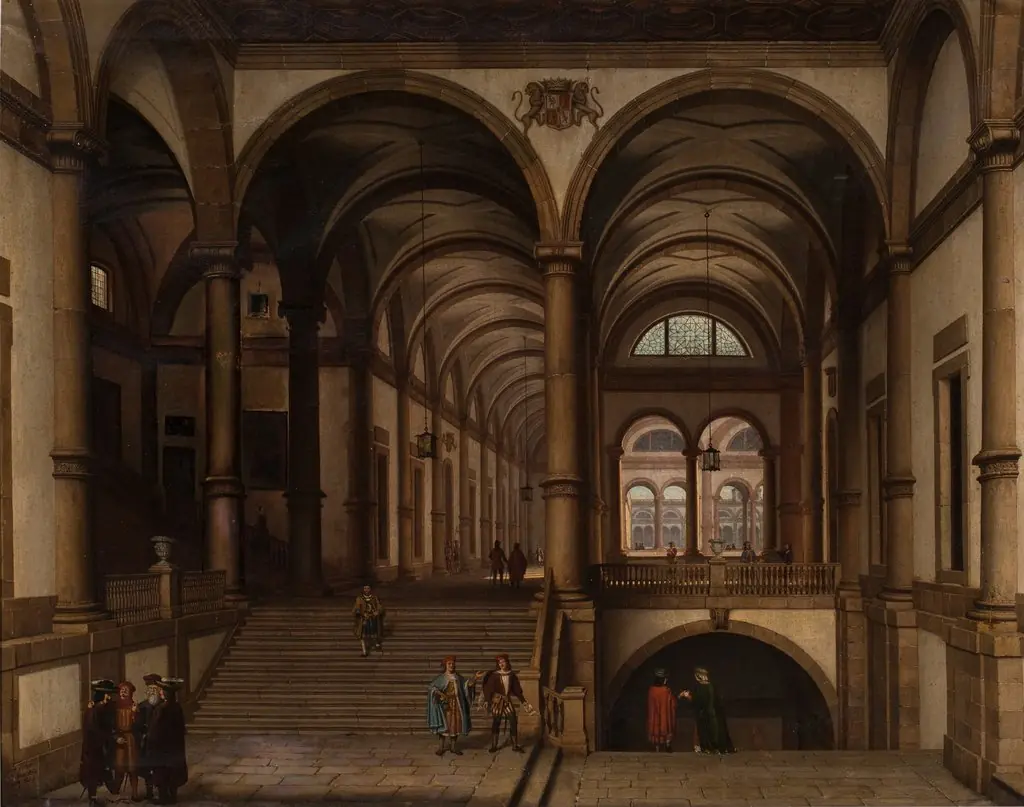
Artwork
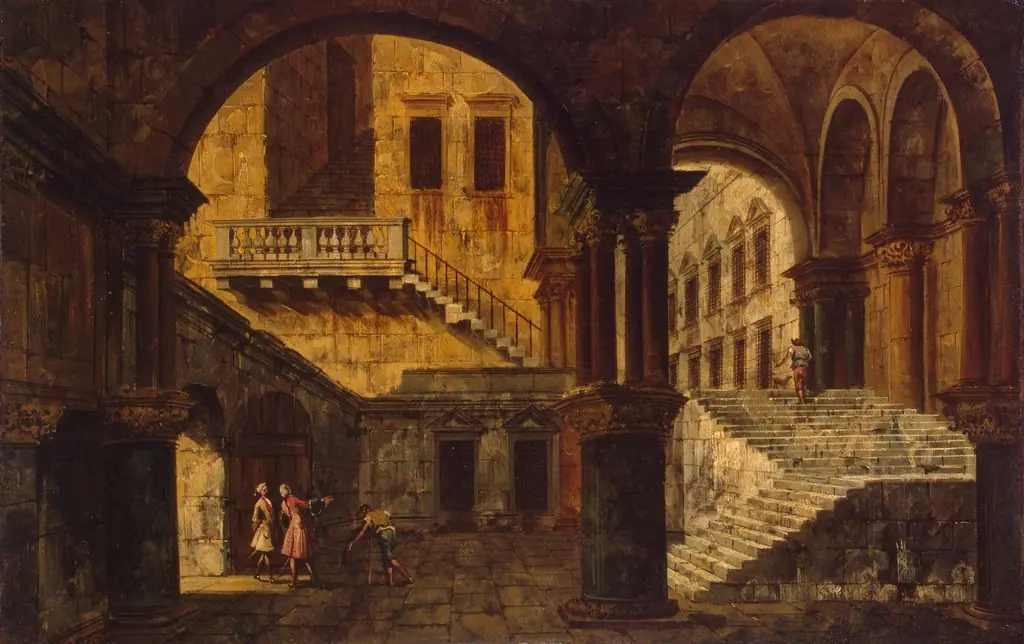
Architectural fantasy featuring a palace courtyard
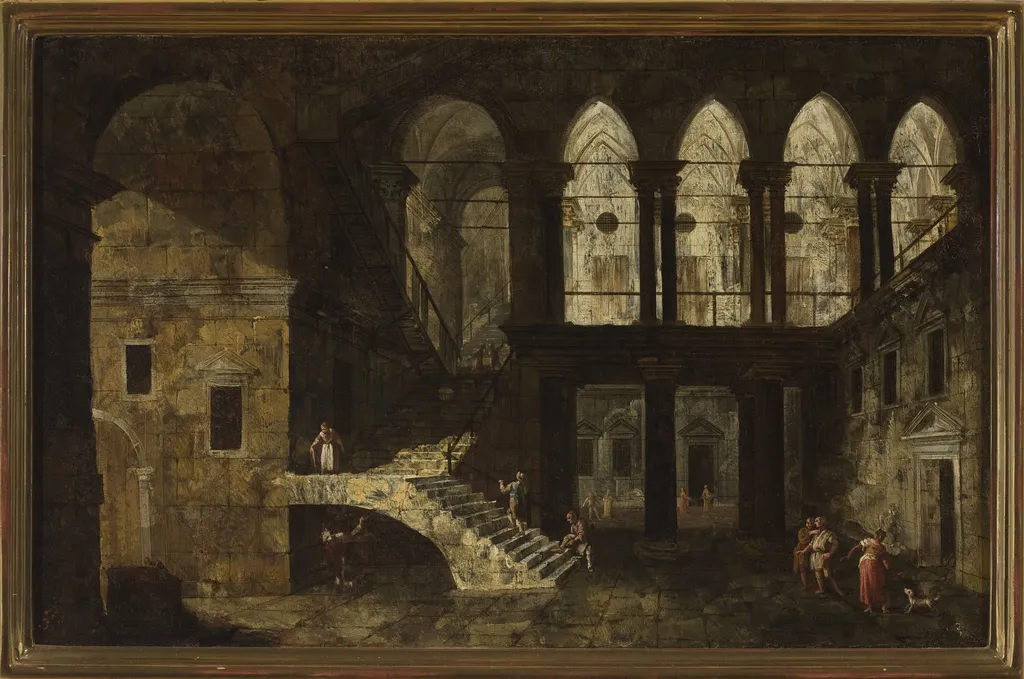
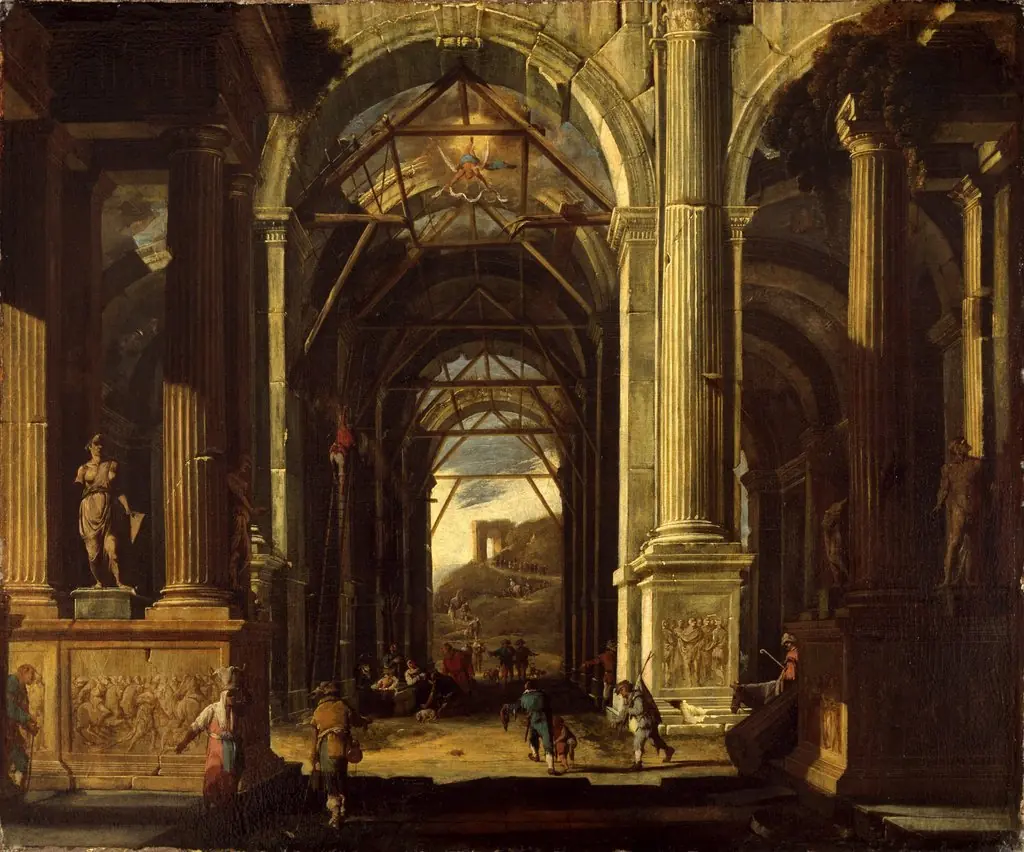
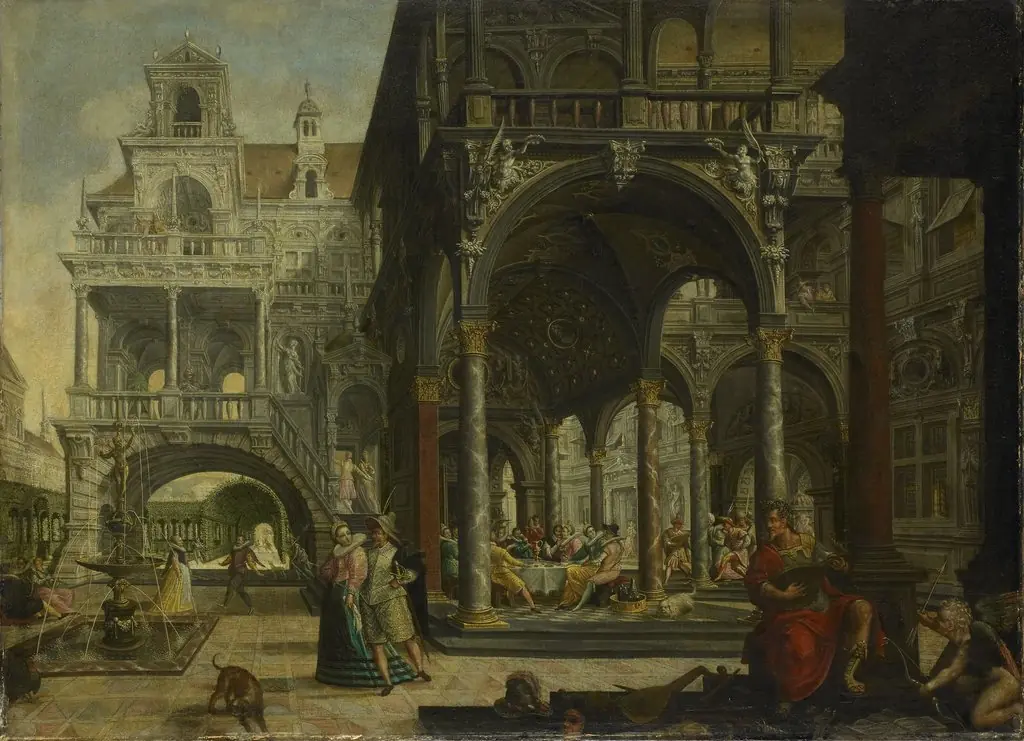
Architectural fantasy featuring a palace courtyard is an oil painting by the Rococo painting artist Michele Marieschi. It dates from 1738 and is held in the collection of the National Museum in Warsaw.
About this work
Overview
Painted in 1738 by Michele Marieschi, this oil-on-canvas work presents an imagined palace courtyard, blending real architectural elements with inventive design.
Painted in 1738 by Michele Marieschi, this oil-on-canvas work presents an imagined palace courtyard, blending real architectural elements with inventive design. Marieschi, known for Venetian views and stage-inspired compositions, constructed this scene not as a documentary record but as a theatrical vision. The painting resides in the National Museum in Warsaw, reflecting its 18th-century appeal to collectors interested in architectural imagination.
Subject & Meaning
The scene depicts a vast, shadowed courtyard dominated by monumental stone staircases and rhythmic arches. Figures are sparse and scattered—some standing, others seated—suggesting quiet, private moments rather than public ceremony. The absence of clear narrative invites contemplation, emphasizing atmosphere over action. The space feels both grand and isolated, evoking a sense of suspended time within an idealized, unreal palace.
Technique & Style
Marieschi employed chiaroscuro to model the stone surfaces and define spatial depth, using sharp contrasts between light and shadow to animate the architecture. The brushwork is precise yet atmospheric, with muted tones dominating the palette. The composition follows a Rococo sensibility in its ornamental detail and theatrical lighting, though it avoids the movement’s typical lightness, favoring instead a somber, almost dramatic mood.
History & Provenance
Created during Marieschi’s mature period, the painting aligns with his broader output of capricci—architectural fantasies popular among European patrons. It entered the National Museum in Warsaw’s collection in the 19th century, likely through acquisitions of Italian works by Polish collectors. Its survival through political upheavals underscores its enduring appeal as a study in architectural illusion.
Context
In early 18th-century Venice, artists like Marieschi responded to a demand for imaginative views that fused reality with fantasy. His training in stage design informed his command of perspective and lighting, making his canvases feel like sets. This work reflects a broader trend in Venetian painting where architecture became a vehicle for mood, not just topography, bridging the gap between landscape and theater.
Legacy
Marieschi’s architectural fantasies influenced later vedutisti and set designers, demonstrating how painted spaces could evoke emotion through structure alone. While less celebrated than Canaletto, his use of chiaroscuro and atmospheric depth contributed to a more introspective branch of Venetian painting. This work remains a quiet example of how illusion and restraint could coexist in 18th-century visual culture.
Artist & collection
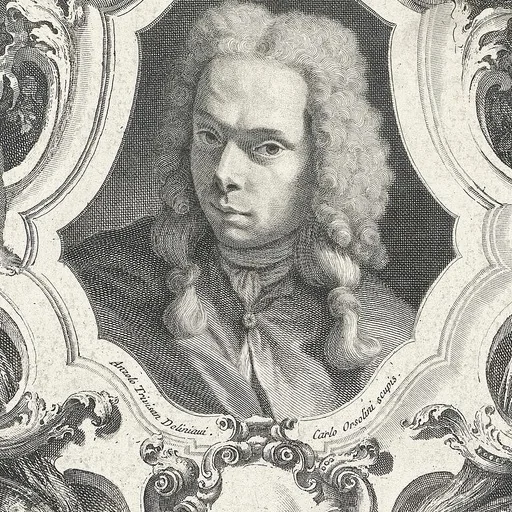
Artist
Michele Marieschi or Michele Giovanni Marieschi, also Michiel (1710 - 18 January 1744), was an Italian painter and engraver.

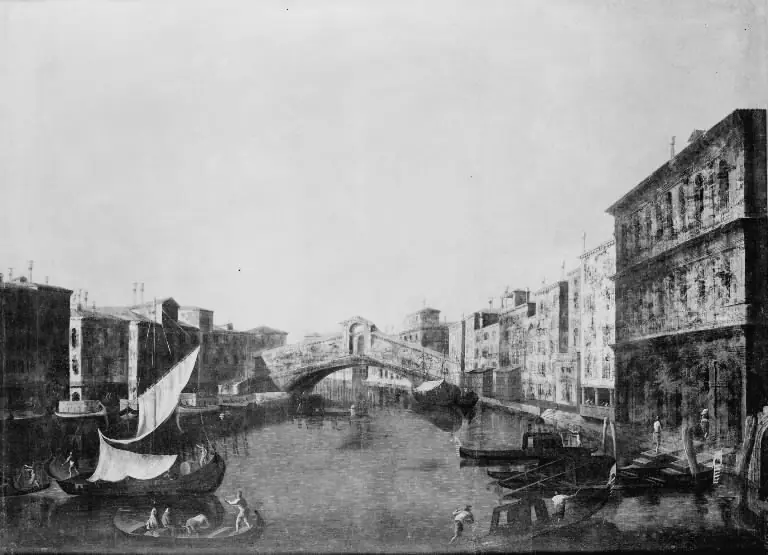 View of Canale Grande in Venice with the Rialto Bridge
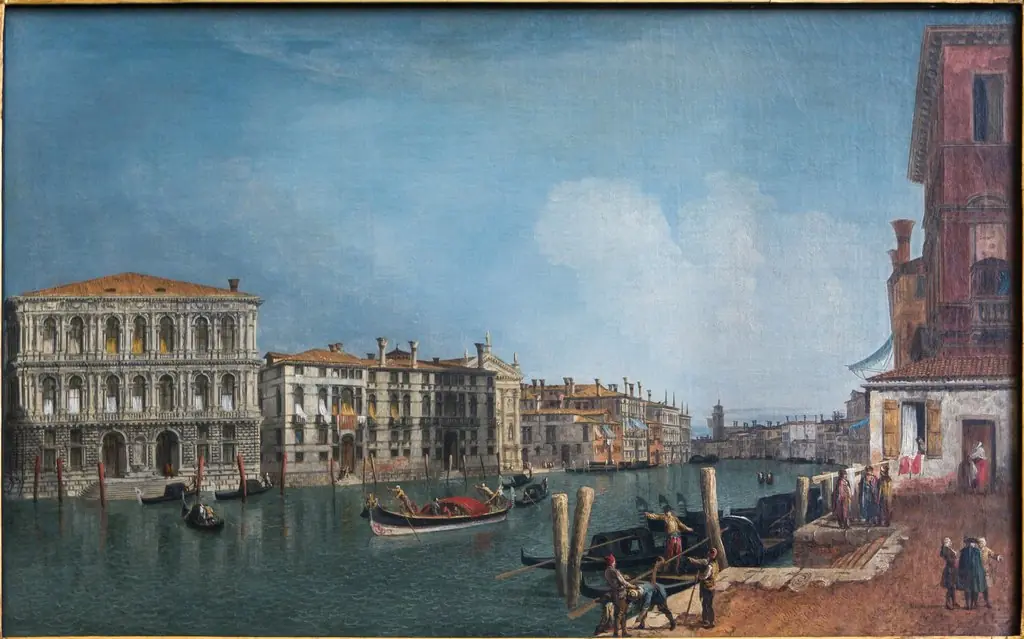 View of the Grand Canal near Cà Pesaro
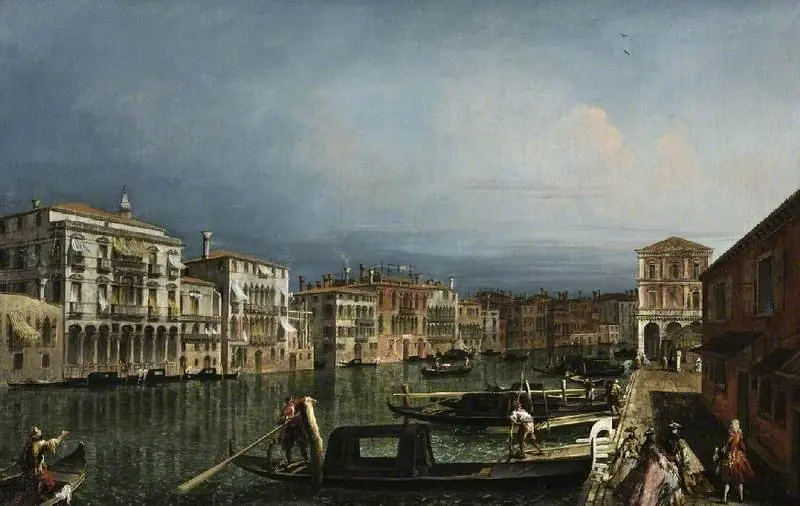 The Grand Canal, Venice, above the Rialto bridge
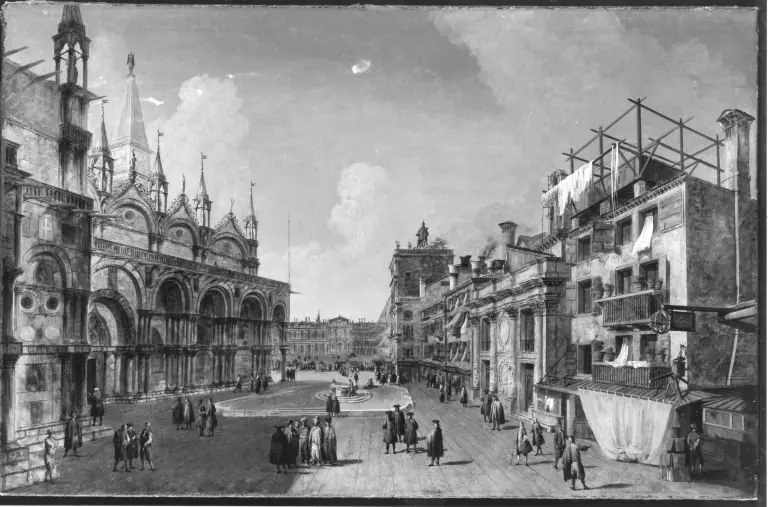 Ansicht der Piazzetta dei Leoni in Venedig
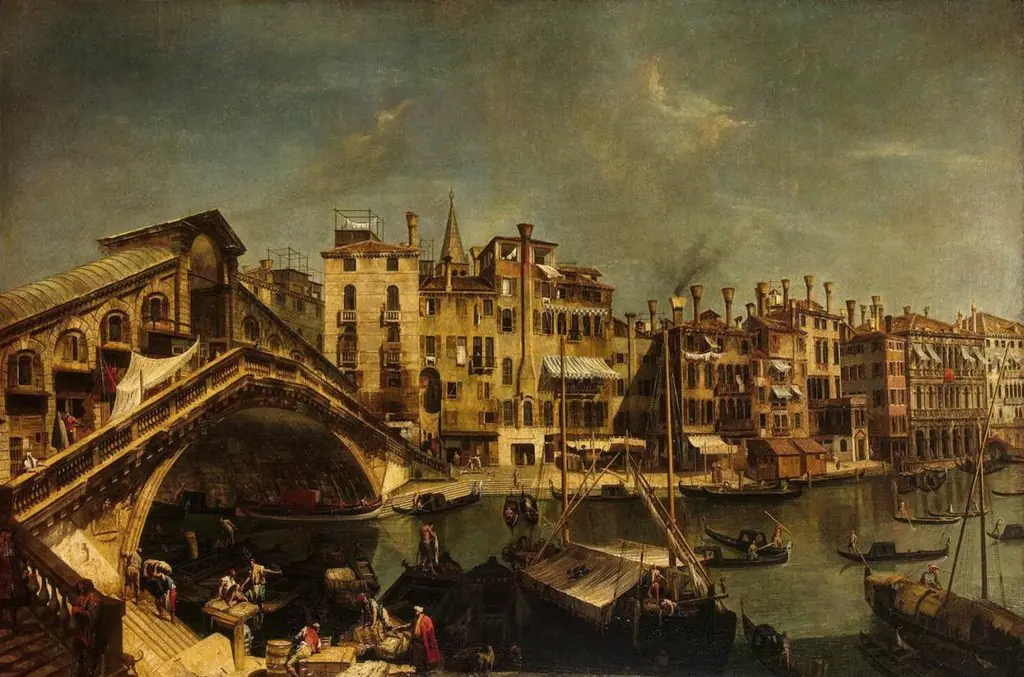 Rialto Bridge in Venice
 Courtyard with a Staircase
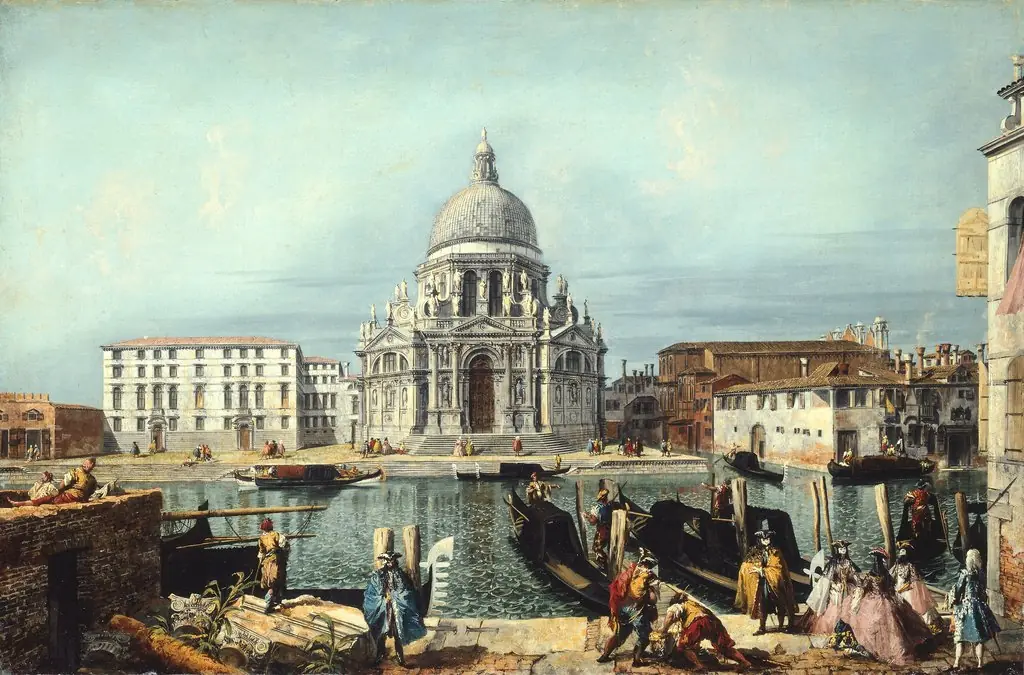 The Church of Santa Maria della Salute, Venice
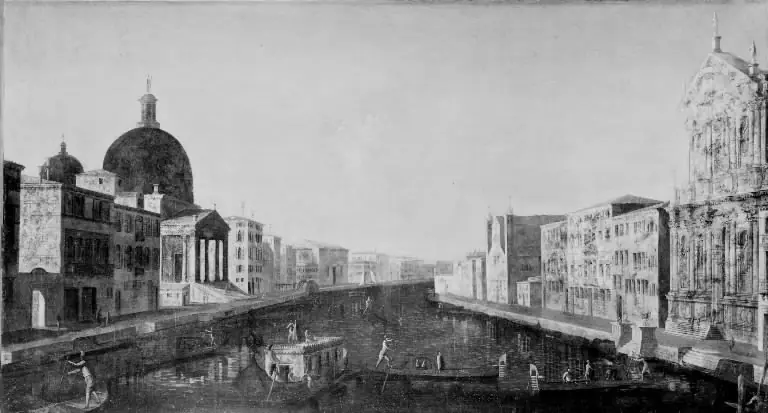 View of Canale Grande in Venice