Artwork
Penitent Magdalene
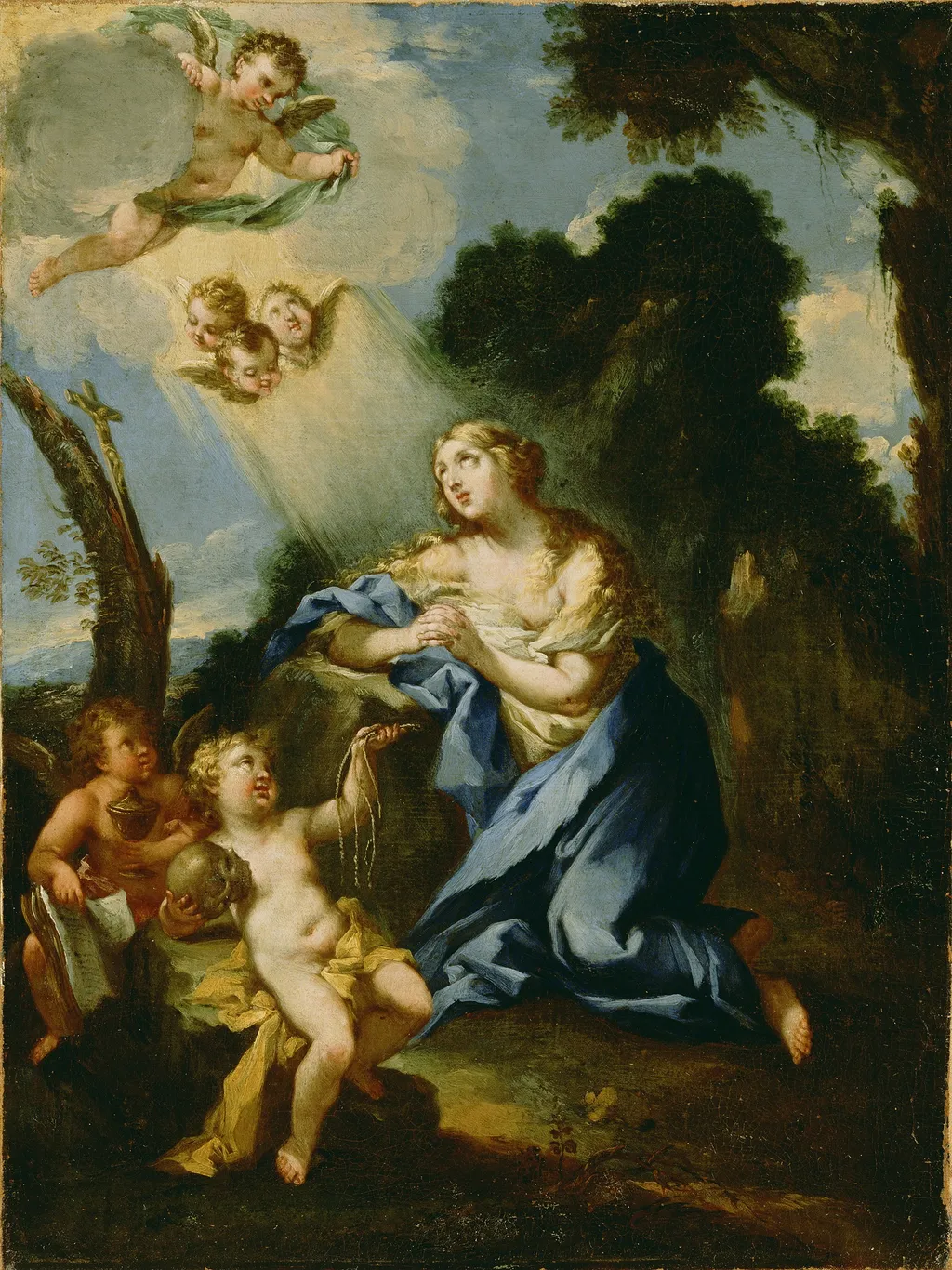
Penitent Magdalene is an oil painting by the Early Baroque Italian artist Michele Rocca. It dates from 1700 and is held in the collection of the J. Paul Getty Museum.
About this work
Overview
Penitent Magdalene, an oil painting from 1700, is a work by Italian Baroque painter Michele Rocca, active in Rome and influenced by the style of Pietro da Cortona. The piece is part of the J. Paul Getty Museum's collection.
Subject & Meaning
The painting depicts a kneeling female figure, identified as Mary Magdalene, in a state of prayer within a wooded landscape. Accompanied by three cherubs—one holding a skull (symbolizing mortality) and another a rosary (devotion)—the scene conveys themes of penitence, innocence, and spiritual purity. The figure's loose hair and clasped hands emphasize her repentant state.
Technique & Style
Rocca employed chiaroscuro to create deep emotional and spatial depth, contrasting the subject's blue robe against earthy tones. The blend of warm and cool colors, along with the dramatic lighting, reflects the early Baroque Italian style, characteristic of Rocca's adherence to Cortona's influence.
History & Provenance
Created in 1700, the painting's history prior to its acquisition by the J. Paul Getty Museum is not detailed here. It is known to have been produced during Rocca's active period in Rome.
Context
As a Baroque piece, *Penitent Magdalene* fits within the religious genre popular in early 17th-century Italy, though its creation in 1700 places it towards the end of the Baroque period. The work reflects the era's emphasis on emotional intensity and religious themes.
Legacy
While specific influences of *Penitent Magdalene* on later art are not highlighted, it contributes to the broader legacy of Italian Baroque painting, exemplifying the style's continued practice into the early 18th century.
Own this work as a print
Artist & collection
Artist
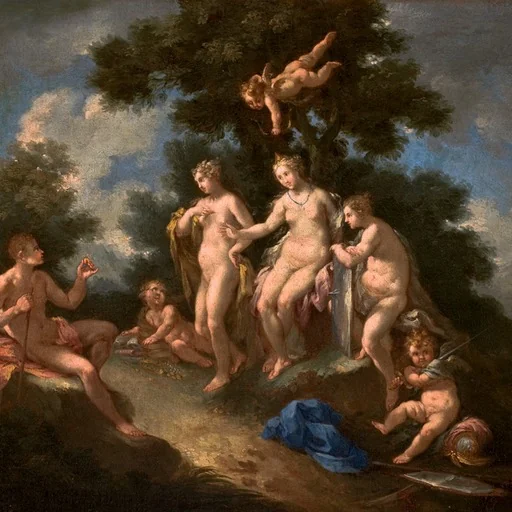
Michele Rocca (1671-died after 1751) was an Italian painter of the Baroque period.

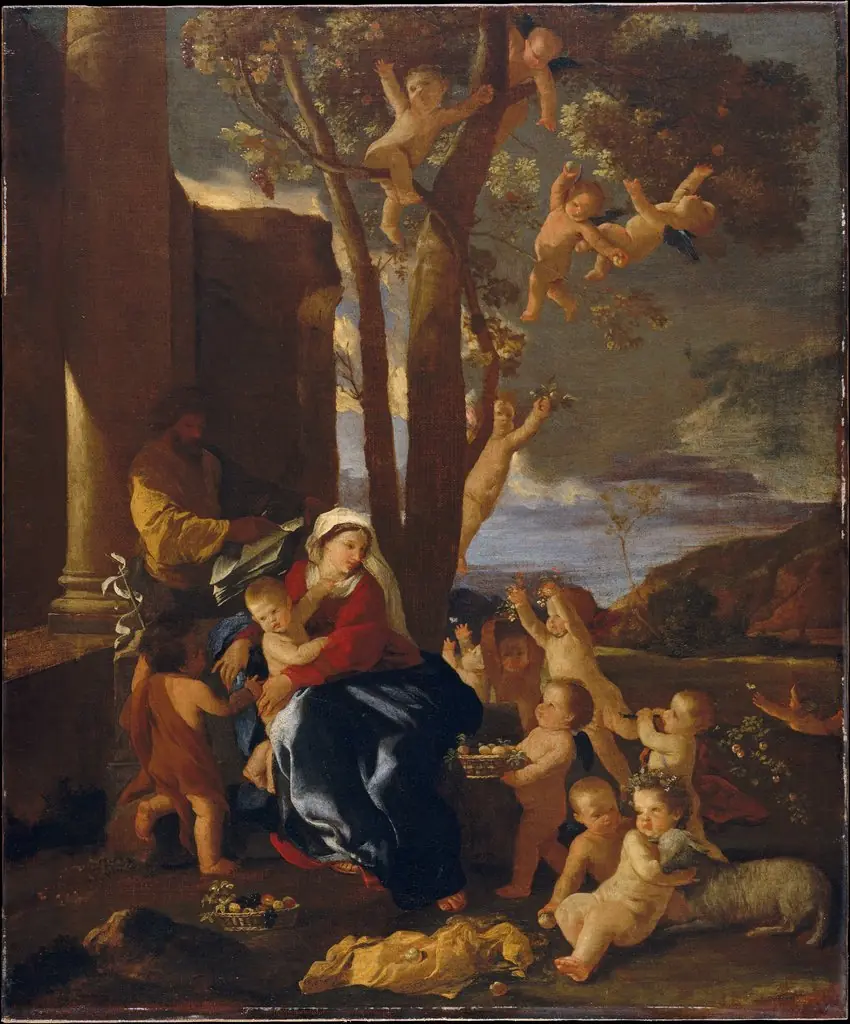 The Rest on the Flight into Egypt
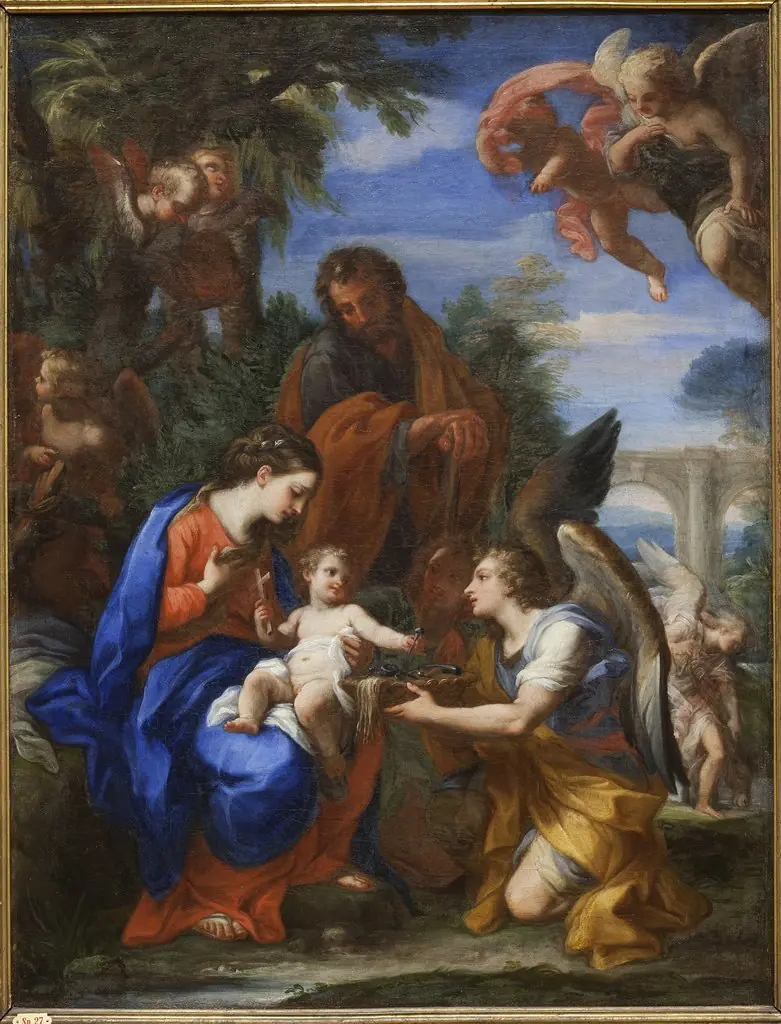 The Rest on The Flight into Egypt
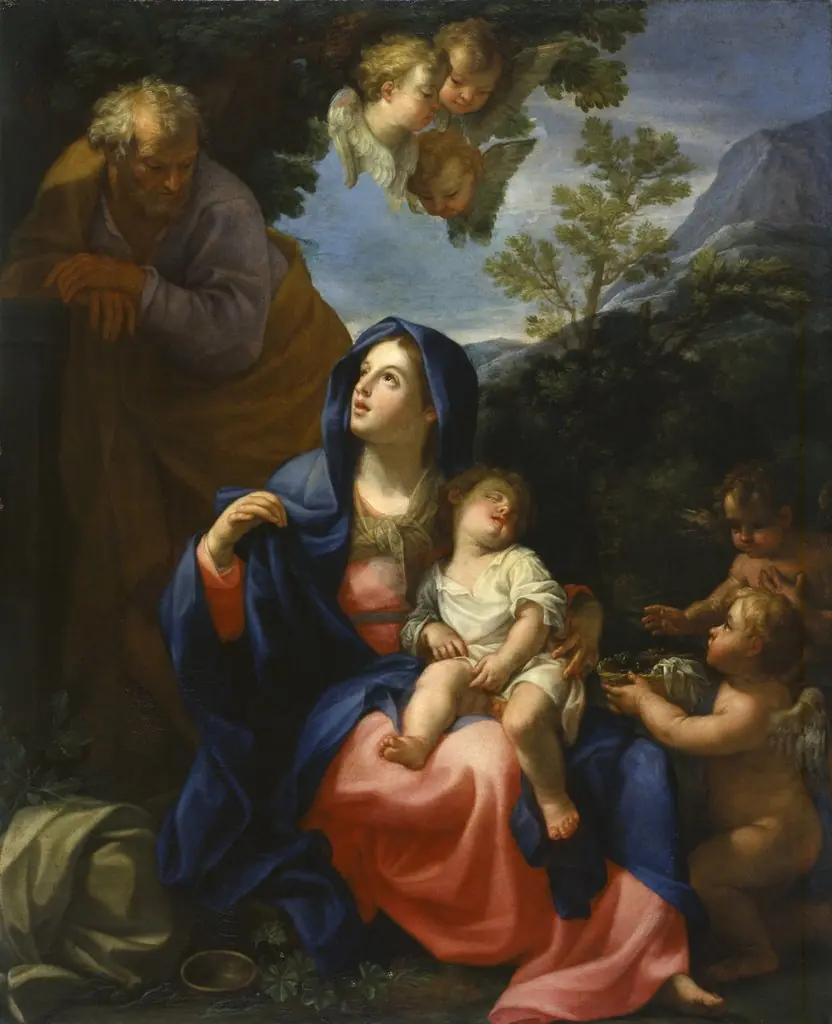 The Rest on The Flight into Egypt
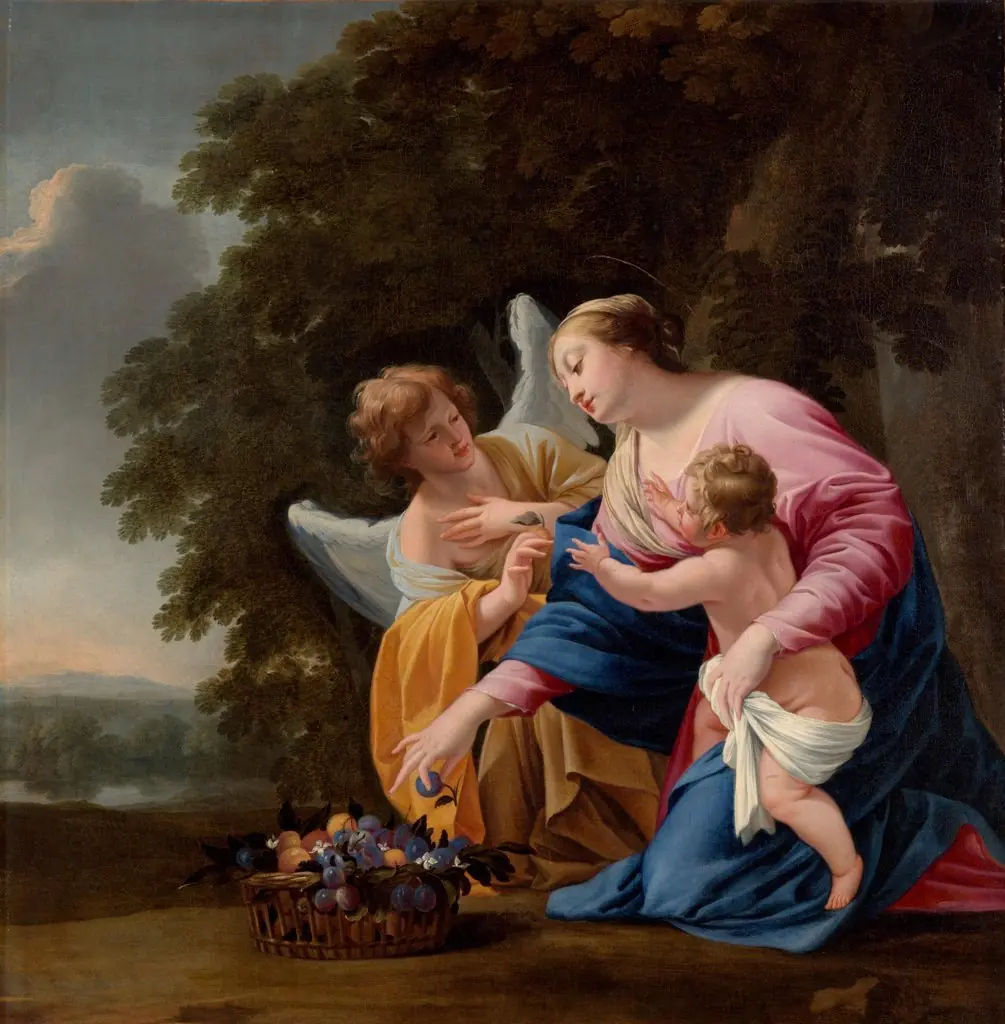 Virgin and Child, with an Angel
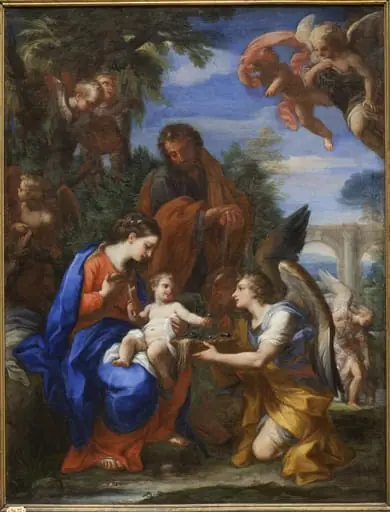 The Rest on The Flight into Egypt
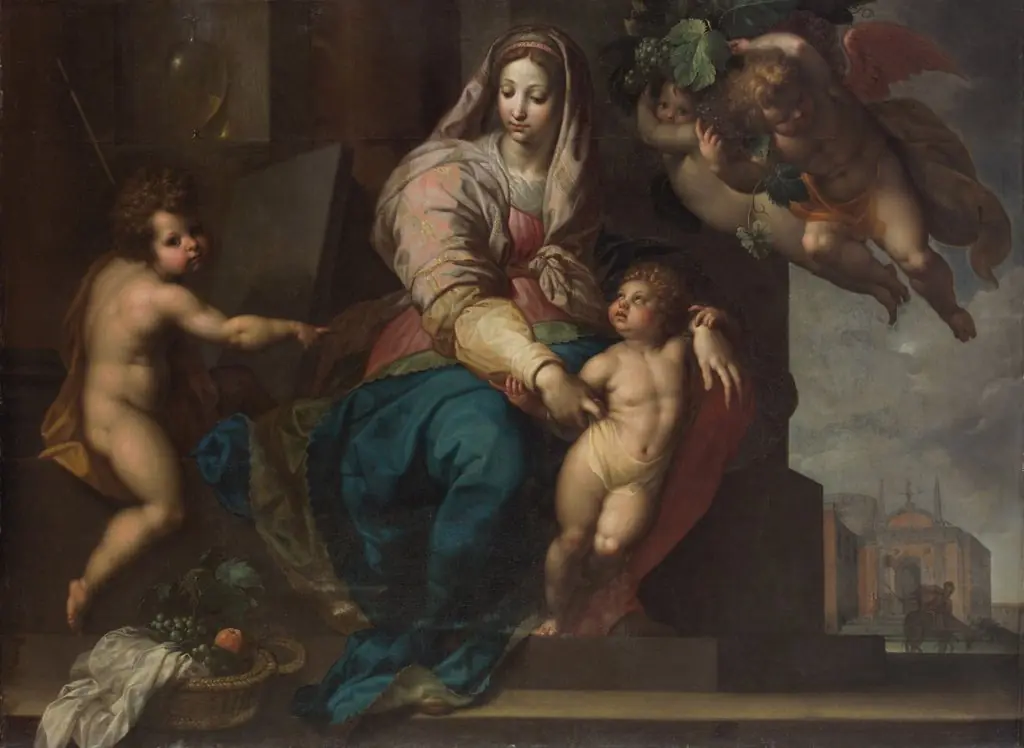 Maria mit Kind, Johannesknaben und Engeln
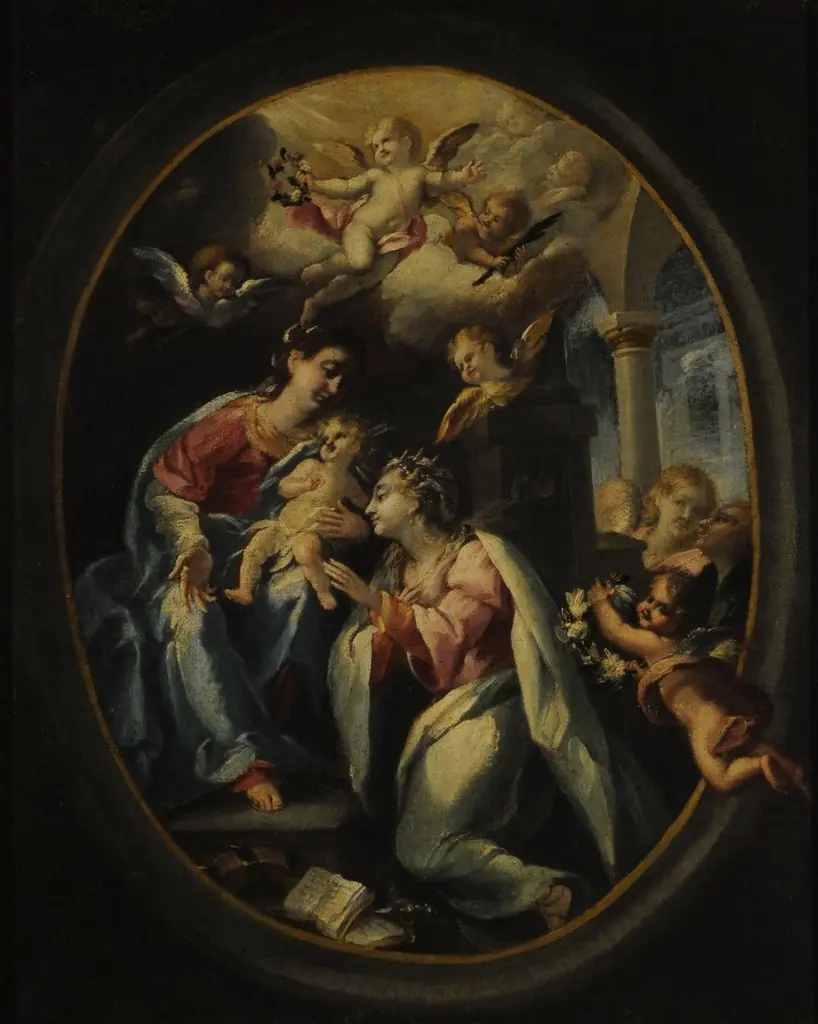 Mystical weddings of Santa Catalina
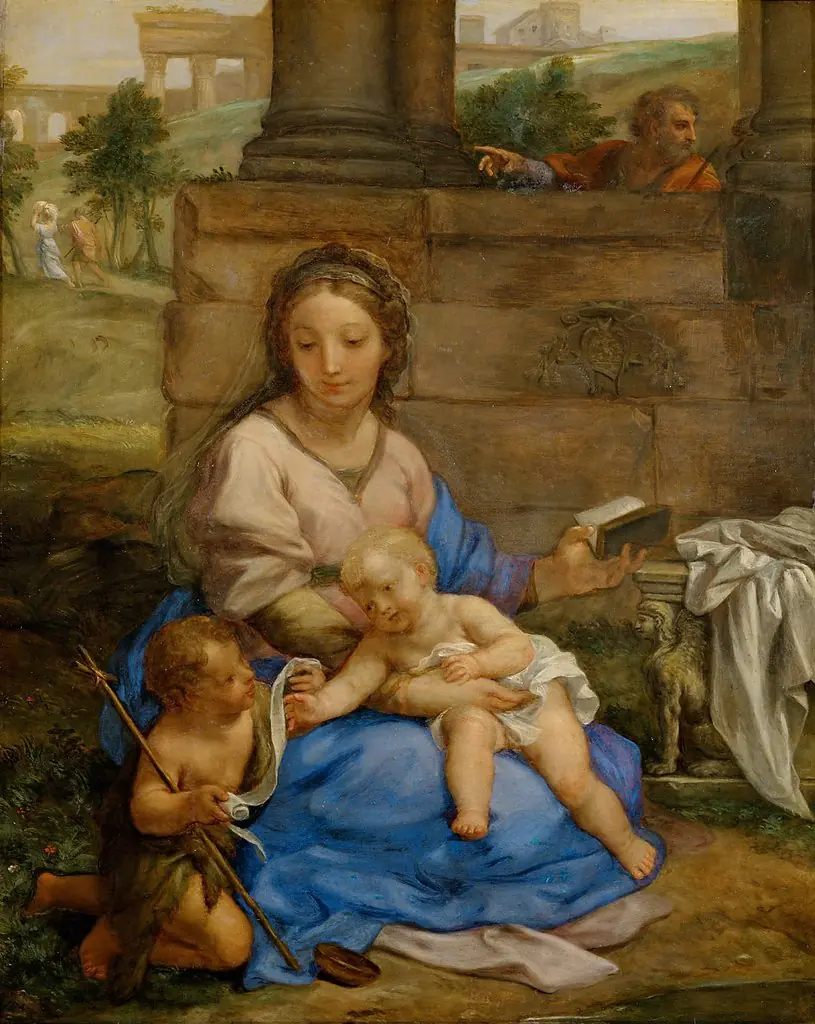 Virgin and Child with St John
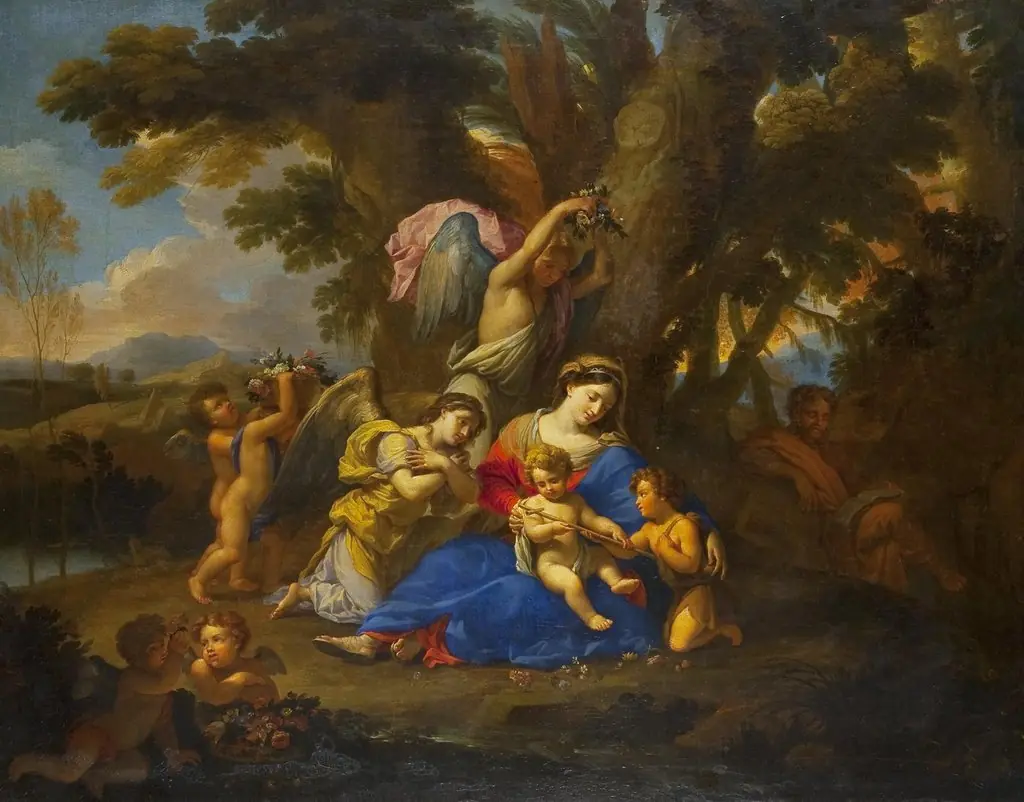 Madonna and Christ Child, with St John the Baptist and Angels
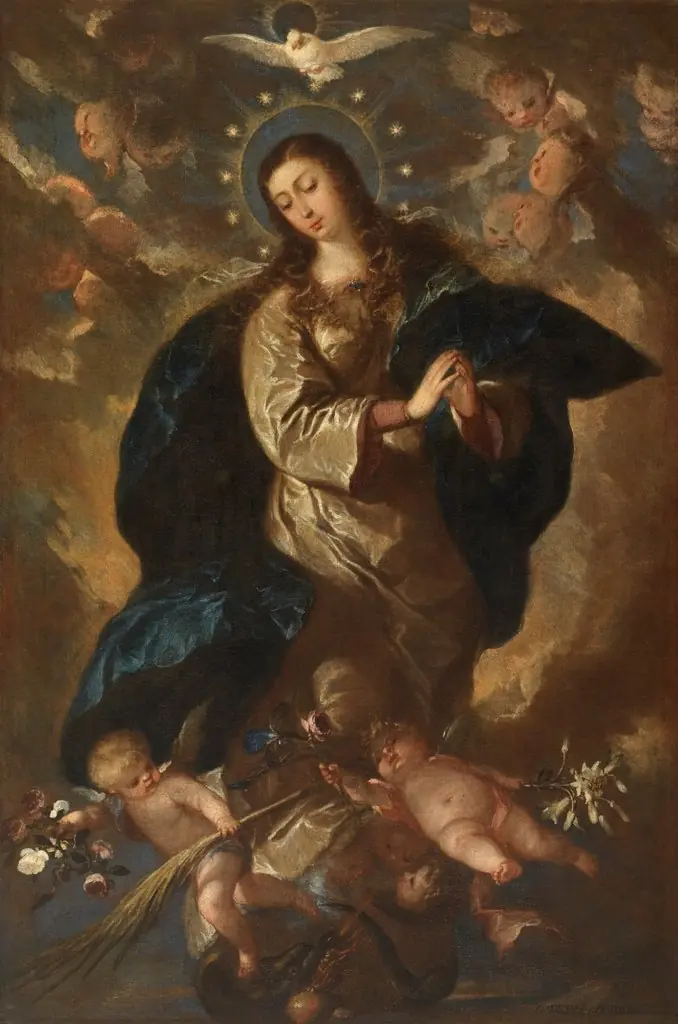 The Immaculate Conception
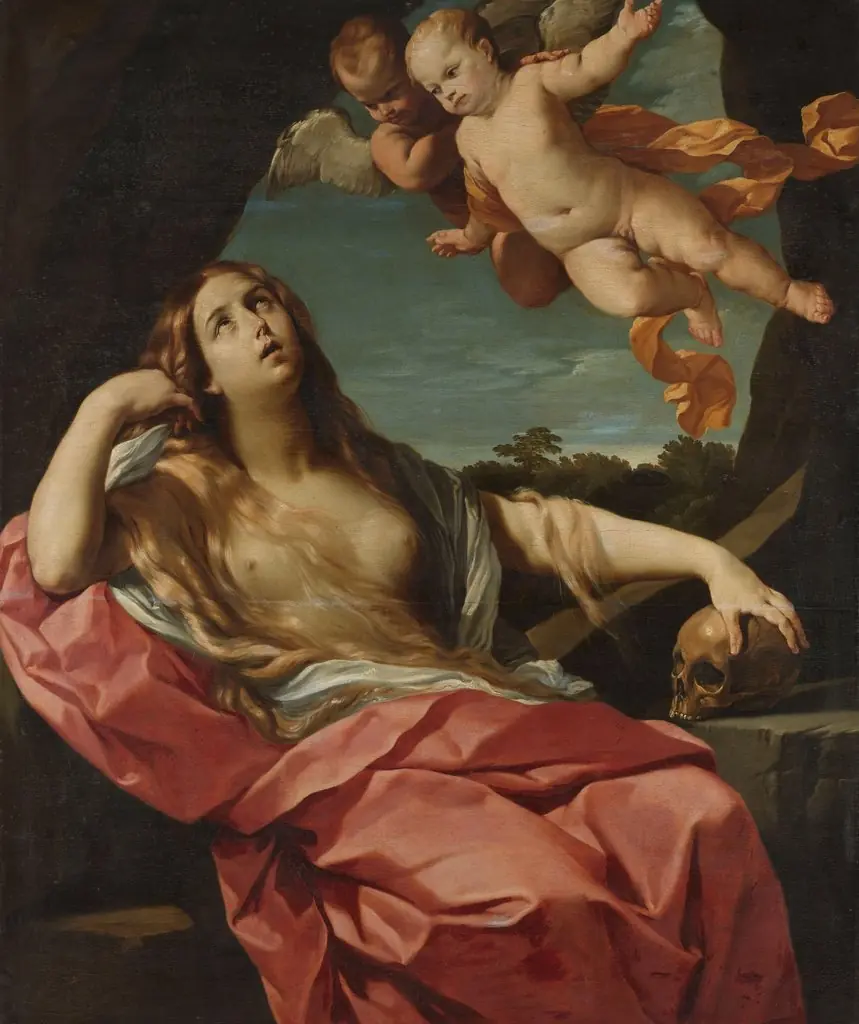 Mary Magdalene
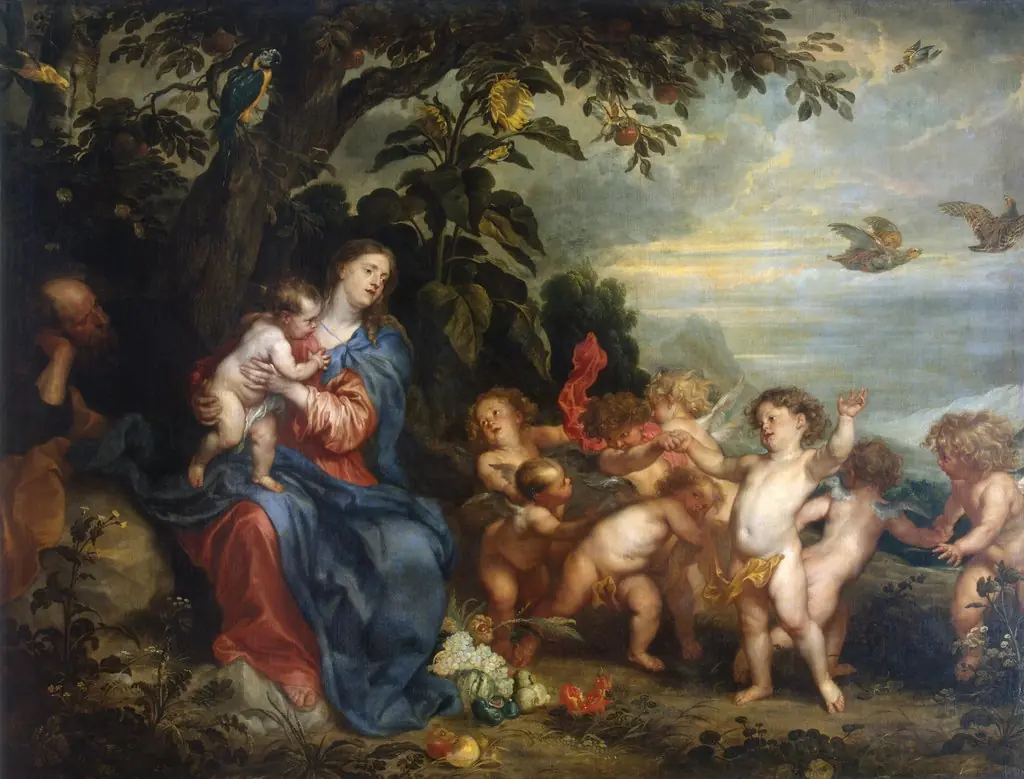 Rest on the Flight into Egypt (Madonna with Partridges)