Artwork
Portrait of a Woman
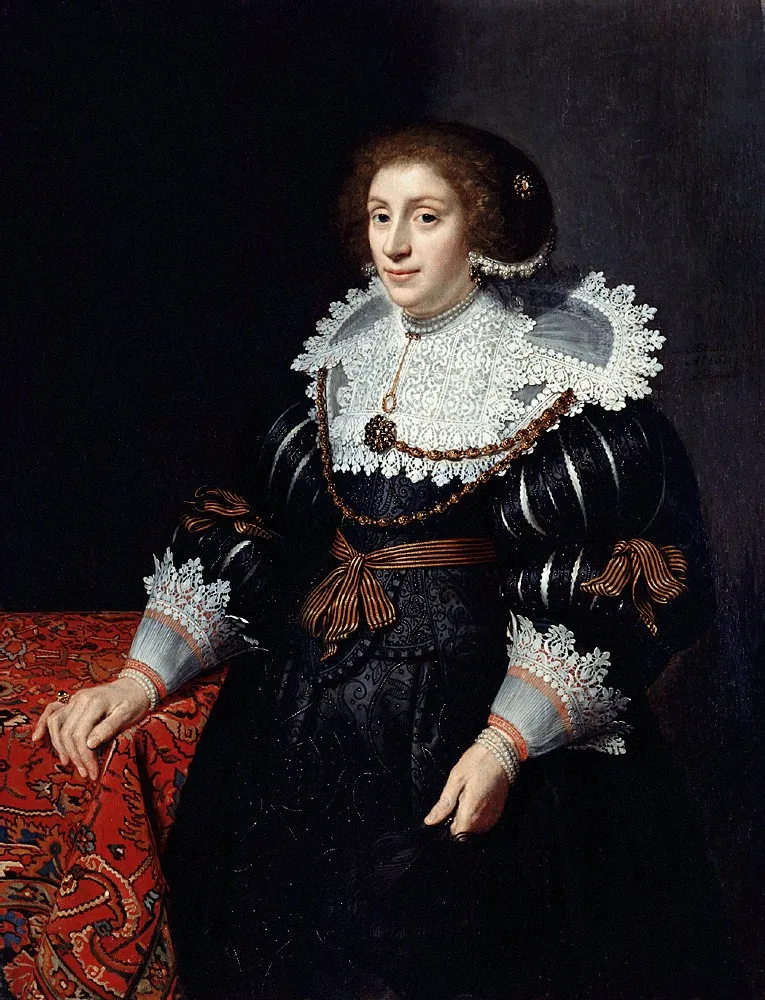
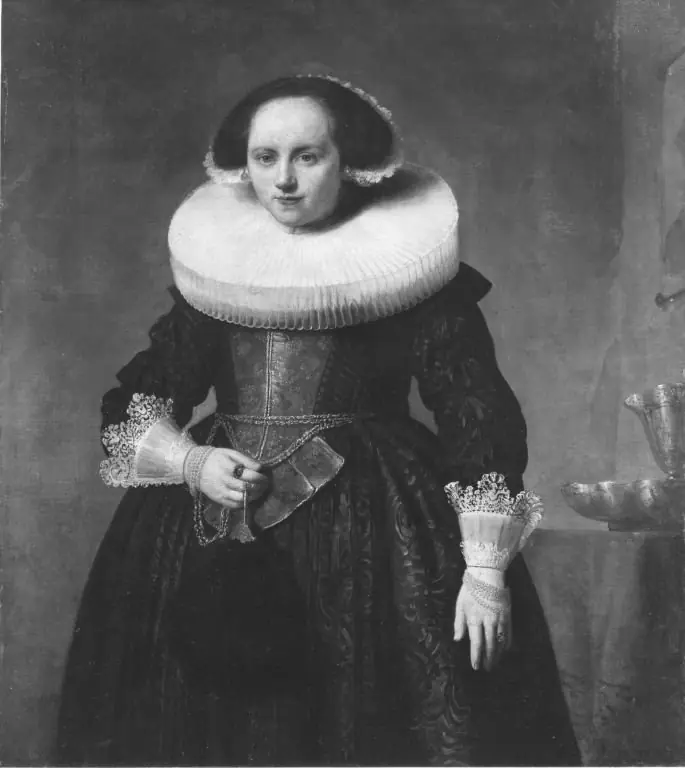
Portrait of a Woman is an oil painting by the Dutch Golden Age artist Michiel Jansz van Mierevelt. It dates from 1631 and is held in the collection of the Museum of Fine Arts of Lyon. Painted in 1631 by Michiel Jansz.
About this work
Overview
It is part of the collection at the Museum of Fine Arts of Lyon, where it remains a representative example of early 17th-century Dutch portraiture.
Painted in 1631 by Michiel Jansz. van Mierevelt, this oil portrait captures an unnamed woman in the refined style of the Dutch Golden Age. Executed with precision and restraint, the work reflects the period’s emphasis on quiet dignity and social status. It is part of the collection at the Museum of Fine Arts of Lyon, where it remains a representative example of early 17th-century Dutch portraiture.
Subject & Meaning
The sitter, though unidentified, is presented with formal composure, suggesting she belonged to the urban elite. Her attire—black dress, white lace collar, gold belt, and pearl earring—signals modest wealth and adherence to contemporary norms of decorum. The stillness of her pose and direct gaze convey a sense of inner resolve, typical of portraits meant to affirm social identity rather than express emotion.
Technique & Style
Van Mierevelt employs subtle chiaroscuro to model the woman’s face and hands, drawing attention to her features against a dark, undefined background. The lace collar and cuffs are rendered with meticulous brushwork, creating a tactile illusion of texture and depth. The contrast between the matte black fabric and the luminous white lace enhances the painting’s quiet elegance and spatial clarity.
History & Provenance
The painting has remained in institutional hands since at least the 19th century, entering the Museum of Fine Arts of Lyon’s collection through documented acquisitions. Its attribution to van Mierevelt is consistent with his known output during the 1630s, a period when he produced numerous portraits for Dutch civic and merchant families. No earlier provenance beyond the artist’s studio is currently established.
Context
In early 17th-century Holland, portraiture flourished as a means for the middle and upper classes to assert their status. Van Mierevelt, based in Delft, was among the most sought-after portraitists of his time, favored for his ability to capture likeness without embellishment. This work aligns with a broader trend favoring restrained elegance over theatricality, reflecting Calvinist values of modesty and self-discipline.
Legacy
Though not widely exhibited outside regional collections, the portrait exemplifies van Mierevelt’s enduring influence on Dutch portraiture. His method of using light to isolate the subject’s presence, combined with precise textile rendering, became a model for later artists. The work continues to serve as a reference for studies of material culture and gender representation in the Dutch Golden Age.
Artist & collection
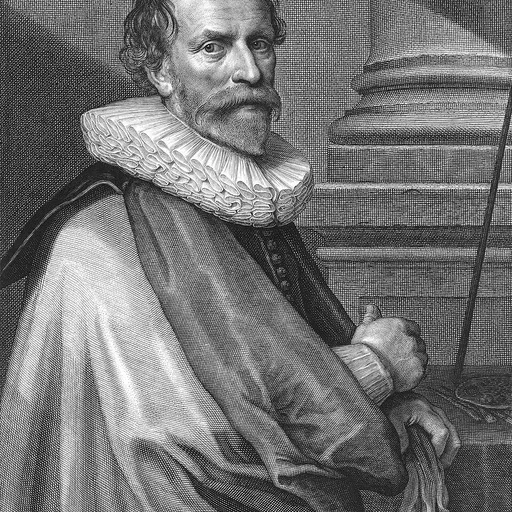
Artist
Michiel Janszoon (abbr. Jansz.) van Mierevelt (Dutch pronunciation: ; also spelled Miereveld or Miereveldt; 1 May 1566 – 27 June 1641) was a Dutch painter and draftsman of the Dutch Golden Age.

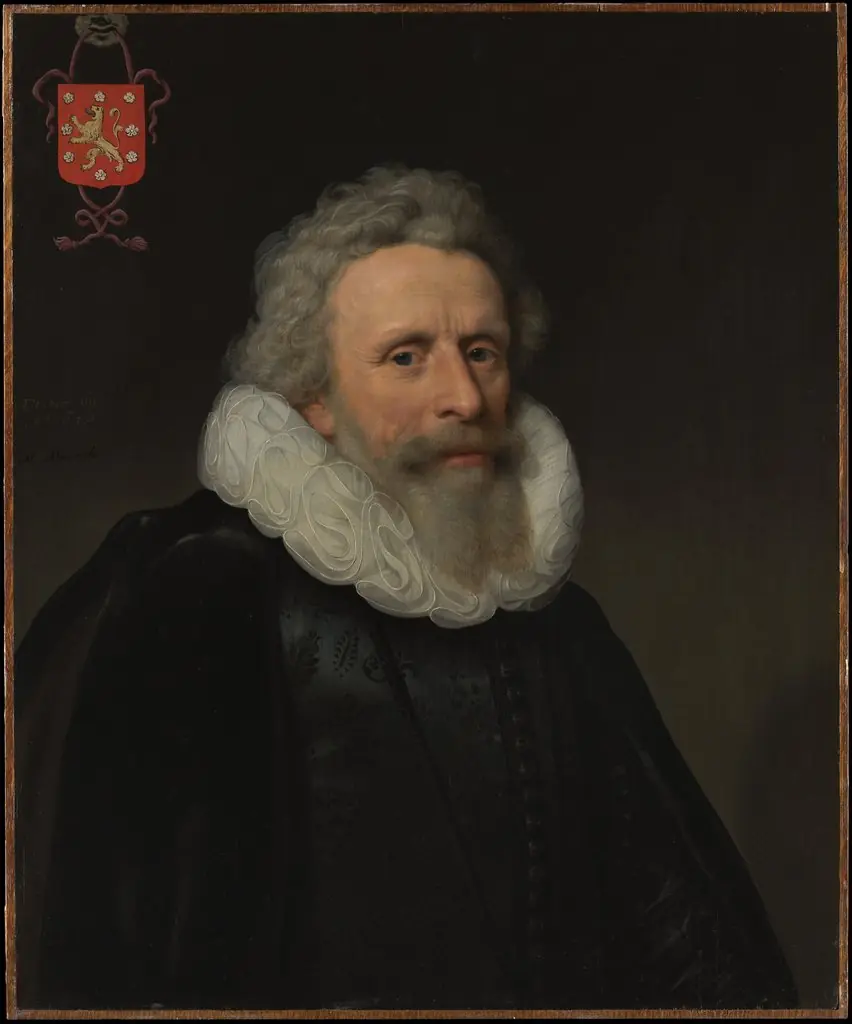 Jacob van Dalen (1570–1644), Called Vallensis
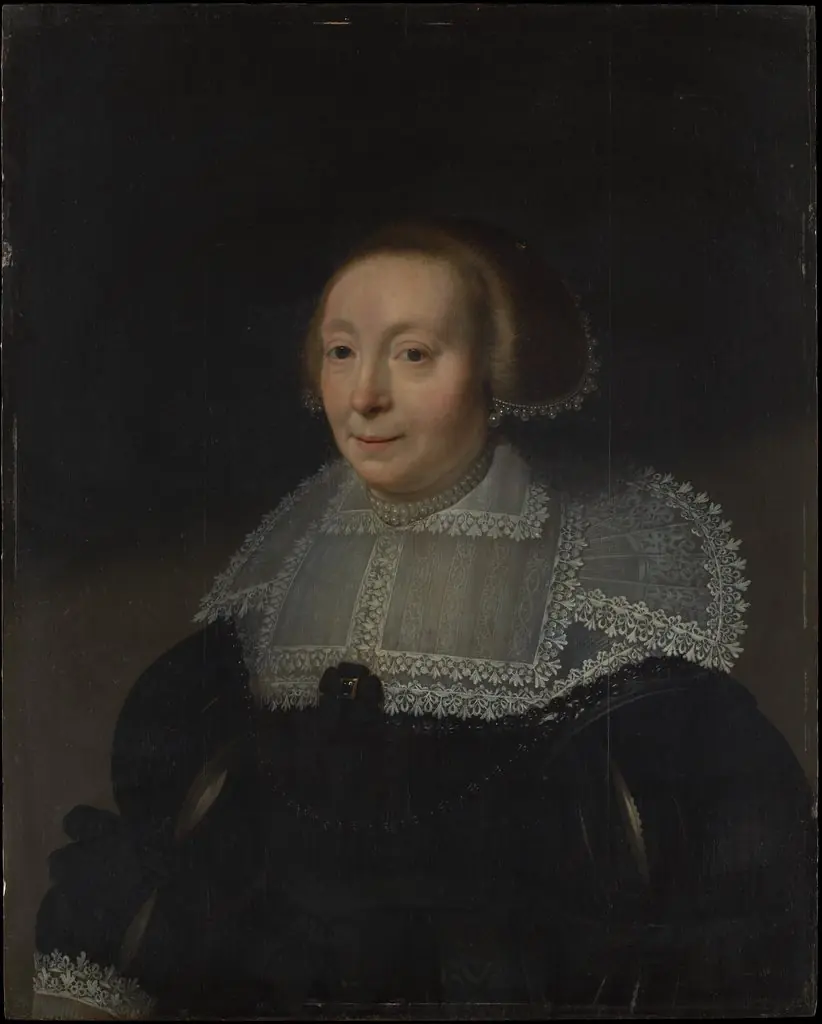 Portrait of a Woman with a Lace Collar
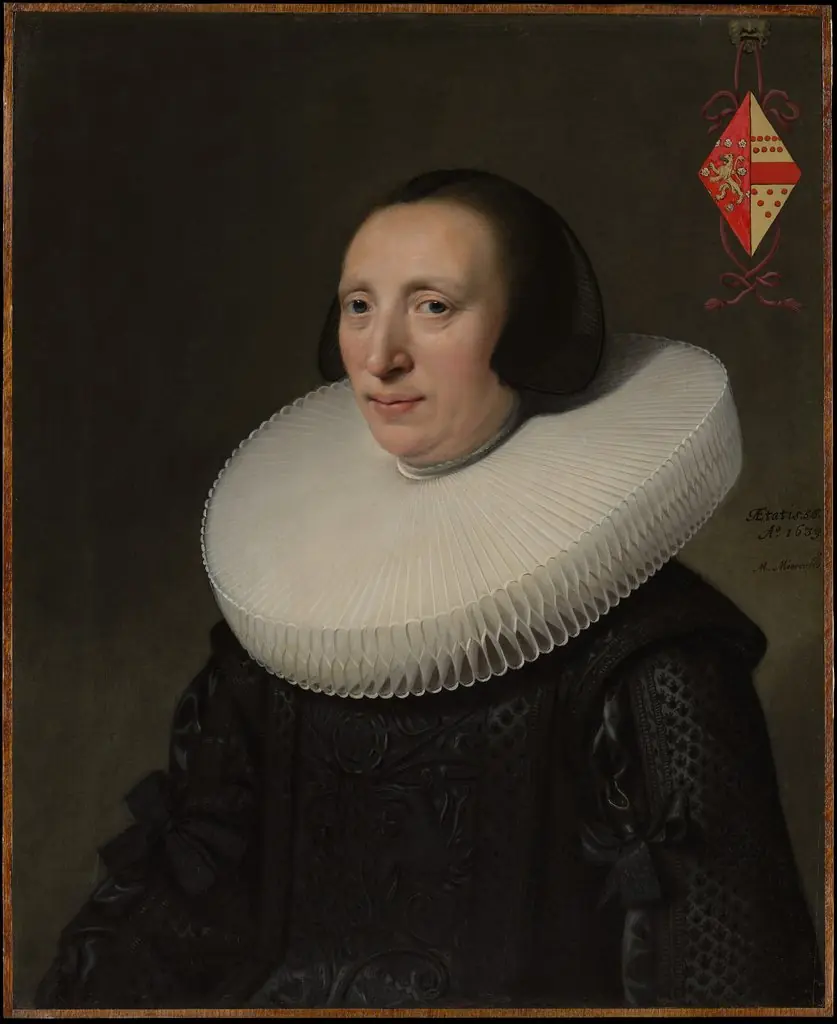 Margaretha van Clootwijk (born about 1580/81, died 1662), Wife of Jacob van Dalen
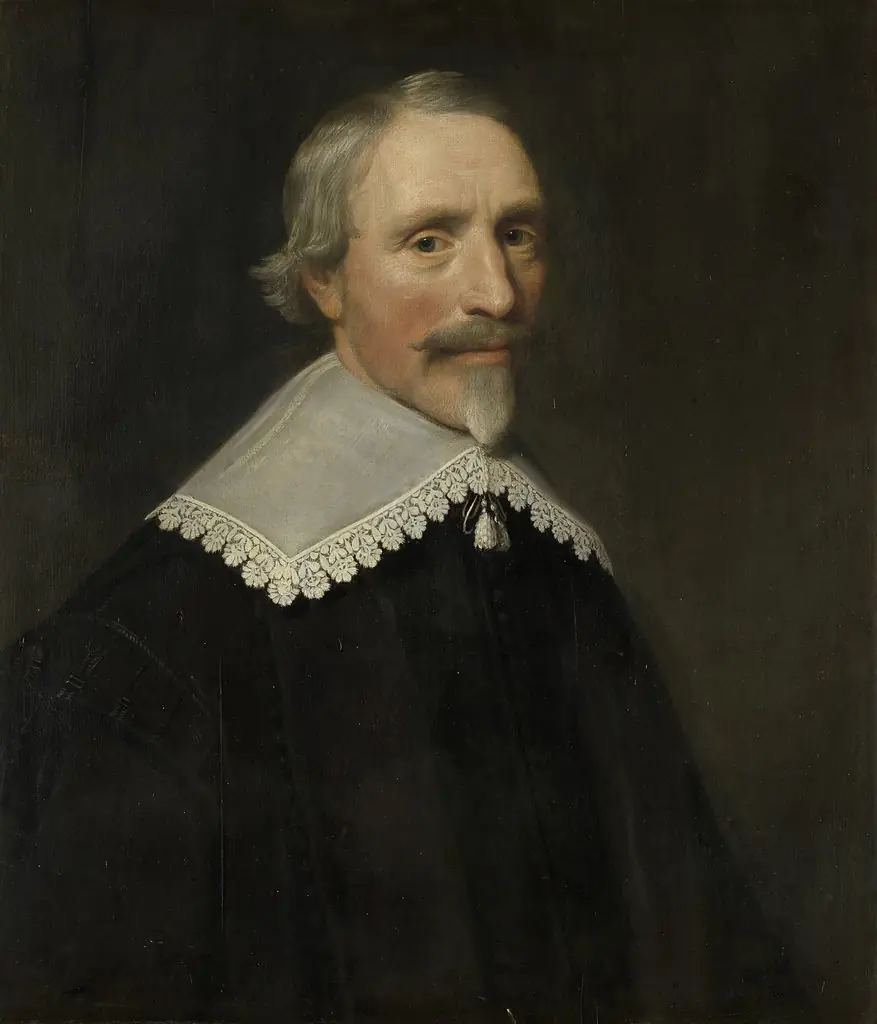 Portrait of Jacob Cats (1577-1660)
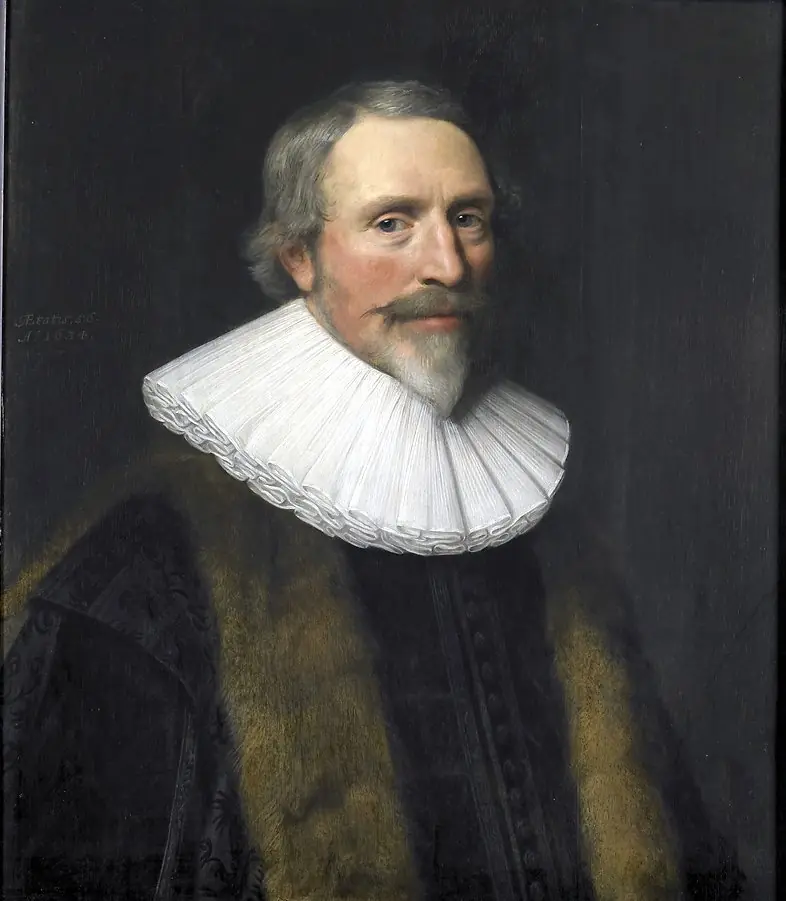 Portrait of Jacob Cats (1577-1660)
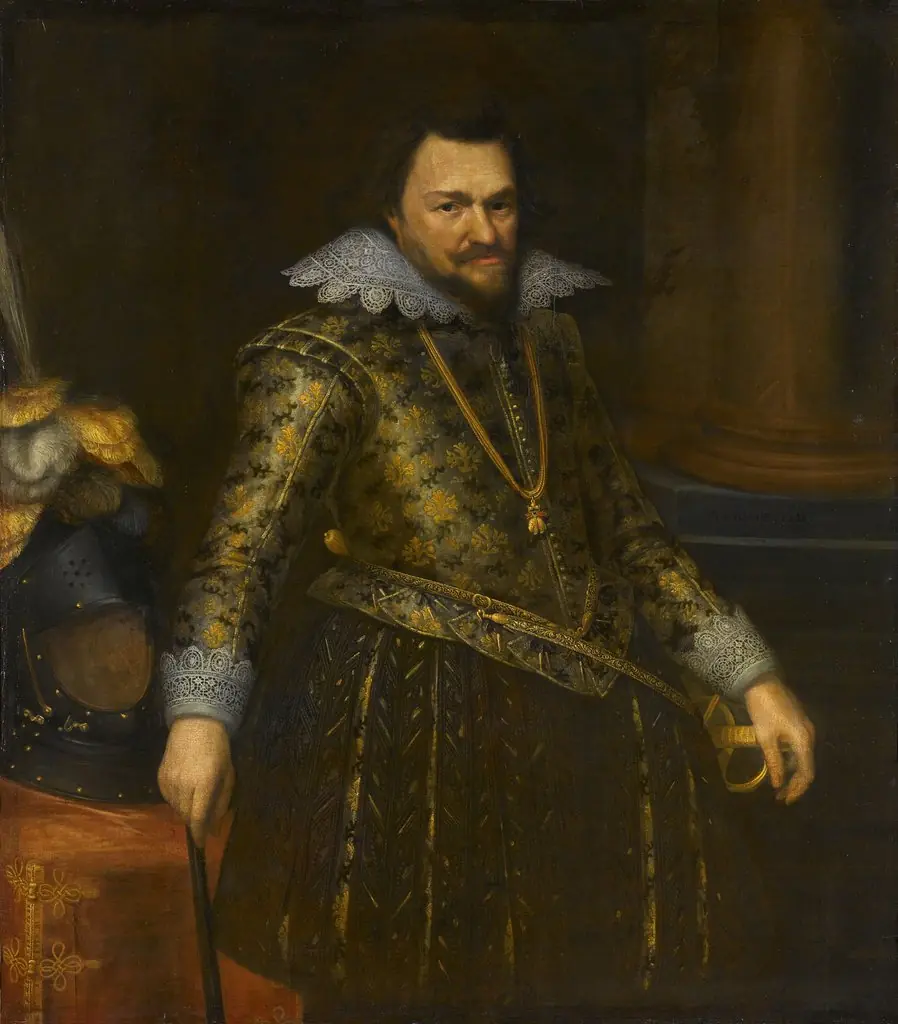 Portrait of Philip Willem (1554-1618), Prince of Orange
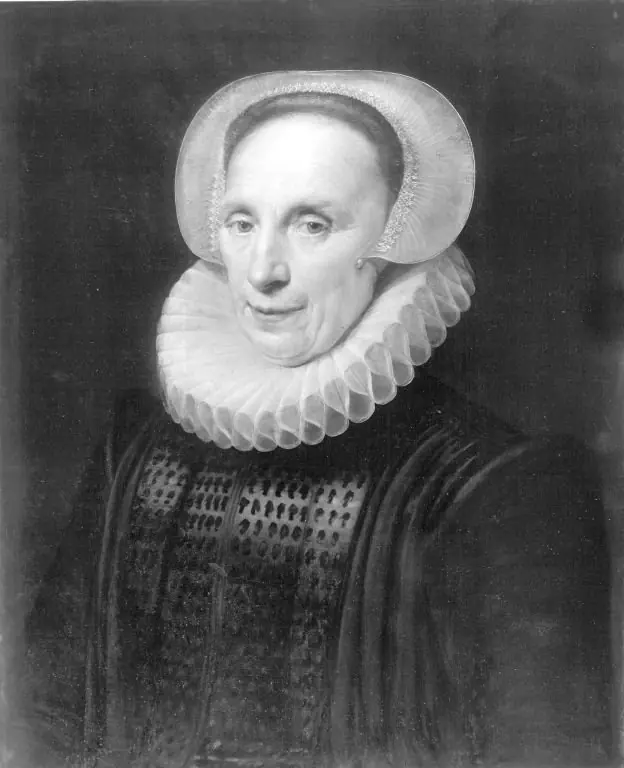 Portrait of a Woman
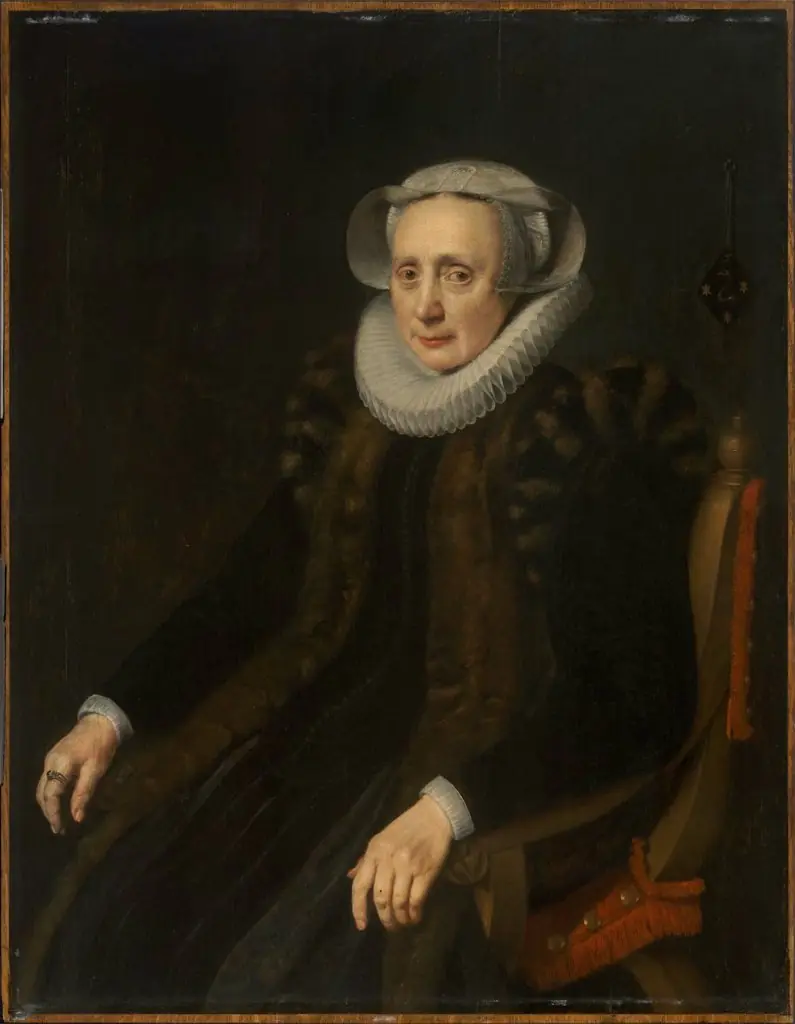 Adriana van Ijlen
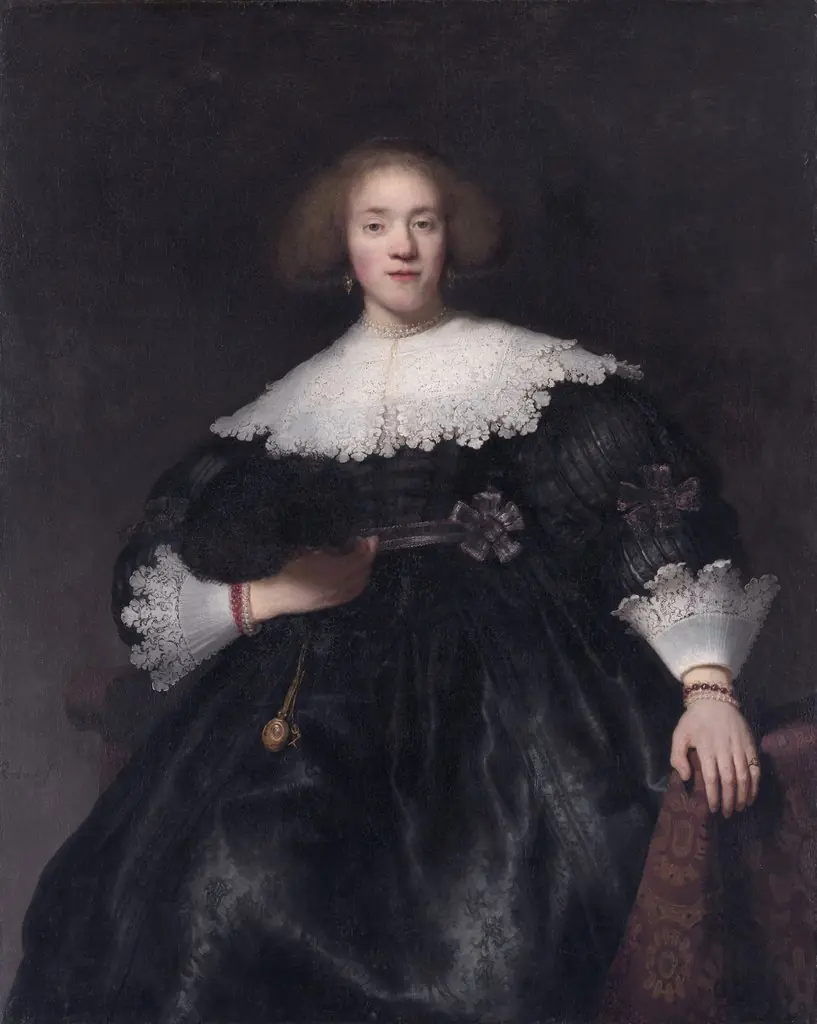 Portrait of a Young Woman with a Fan
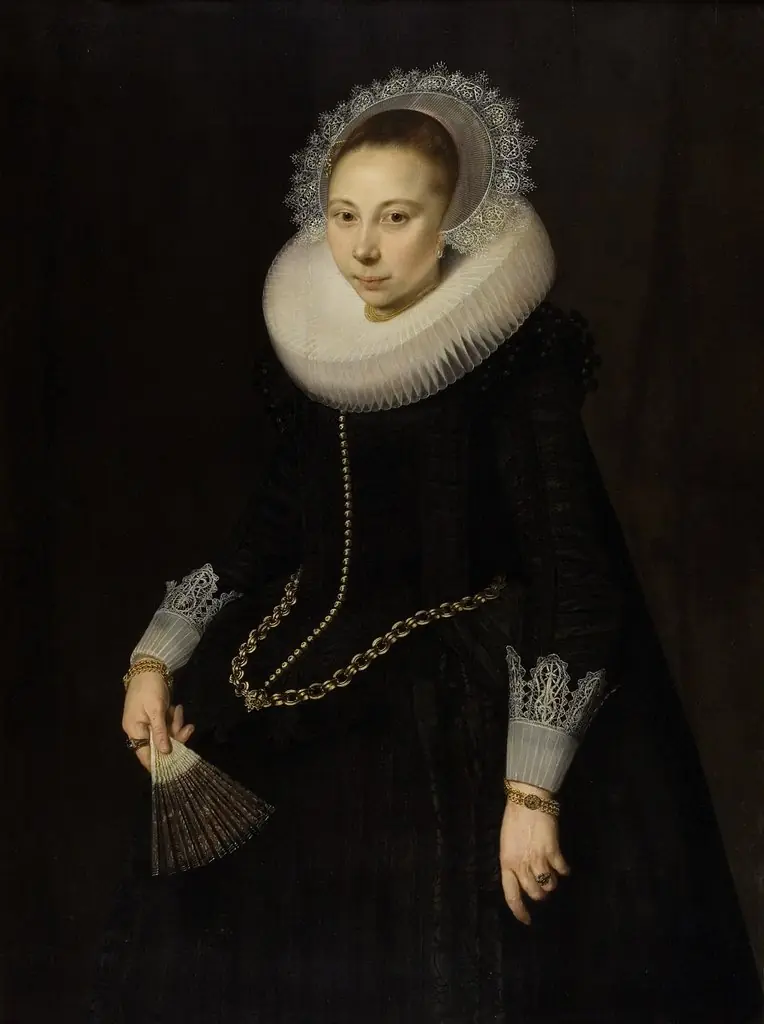 Portrait of Maria Overrijn van Schoterbosch (1599/1600-1638)
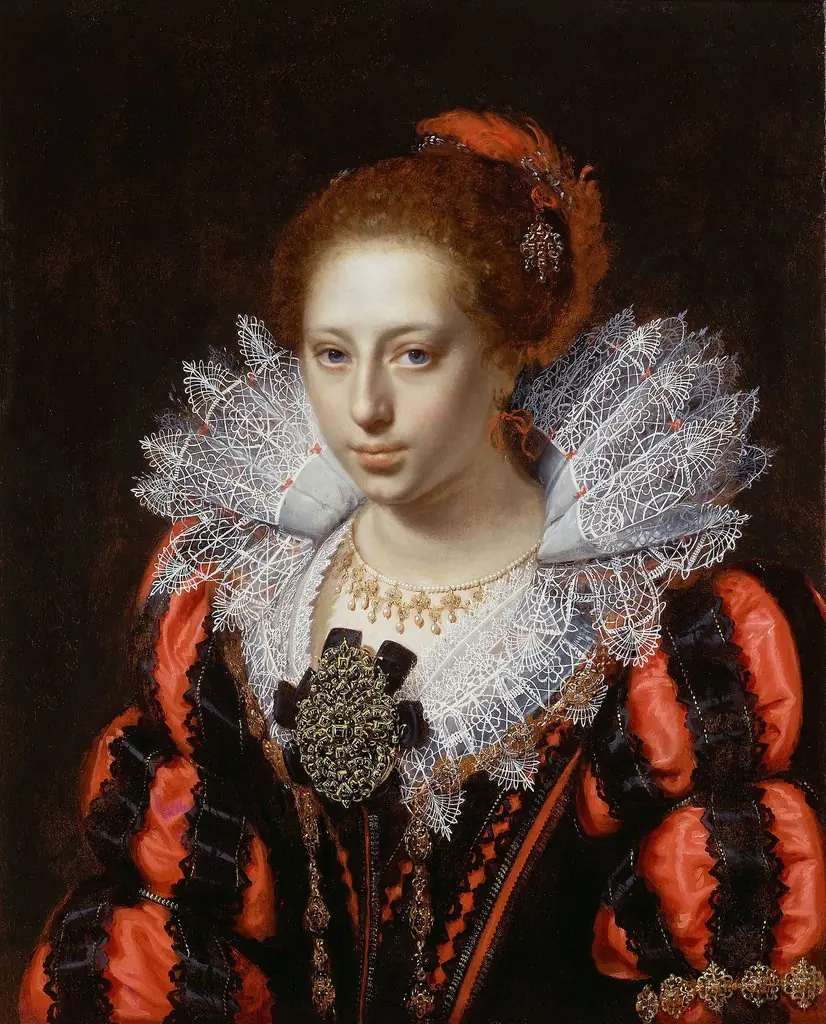 Portrait of a Young Lady
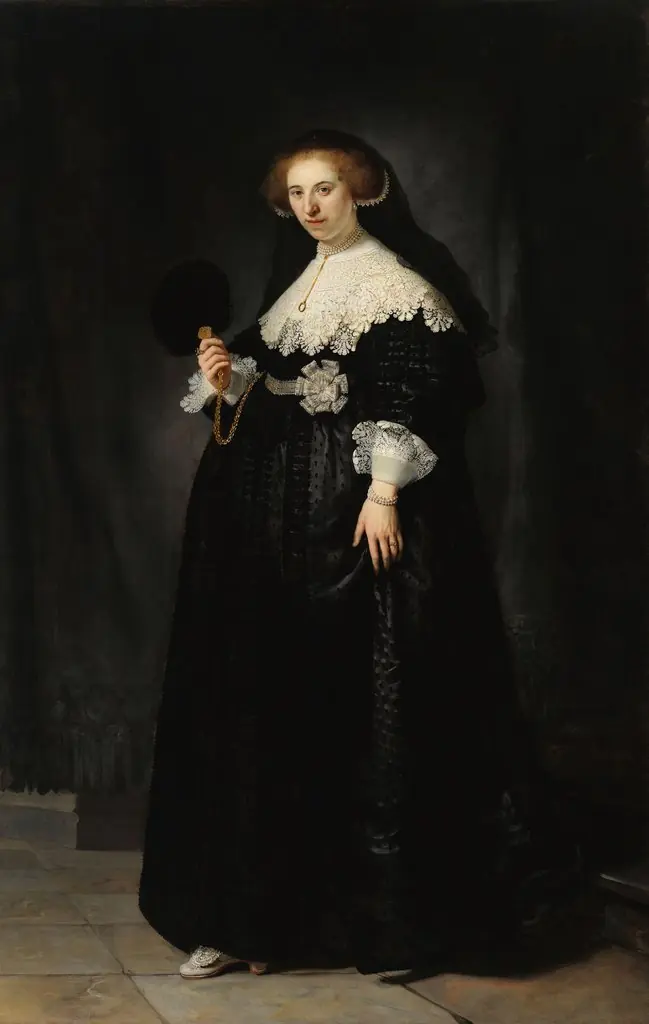 Portrait of Oopjen Coppit
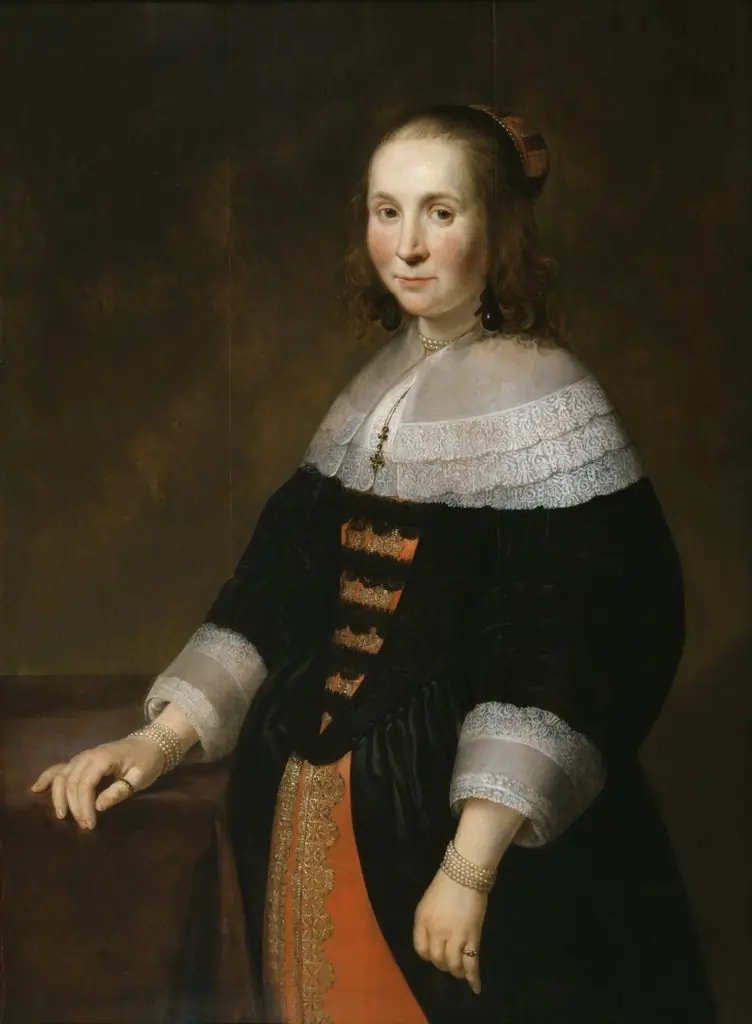 Portrait of a Wife
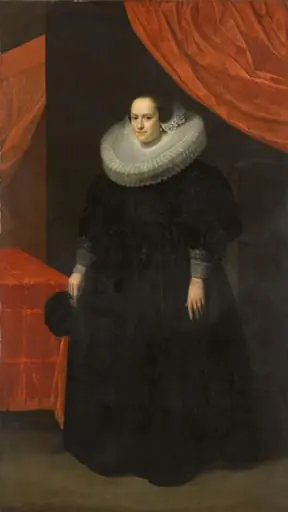 Untitled
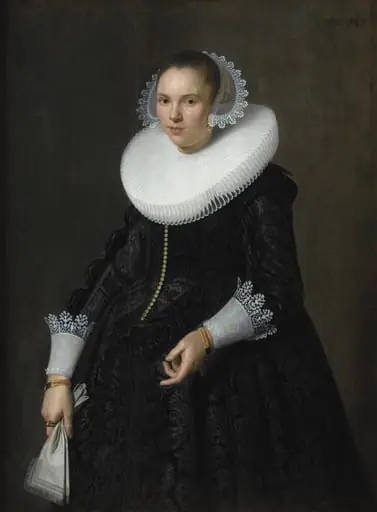 Portrait of a Lady
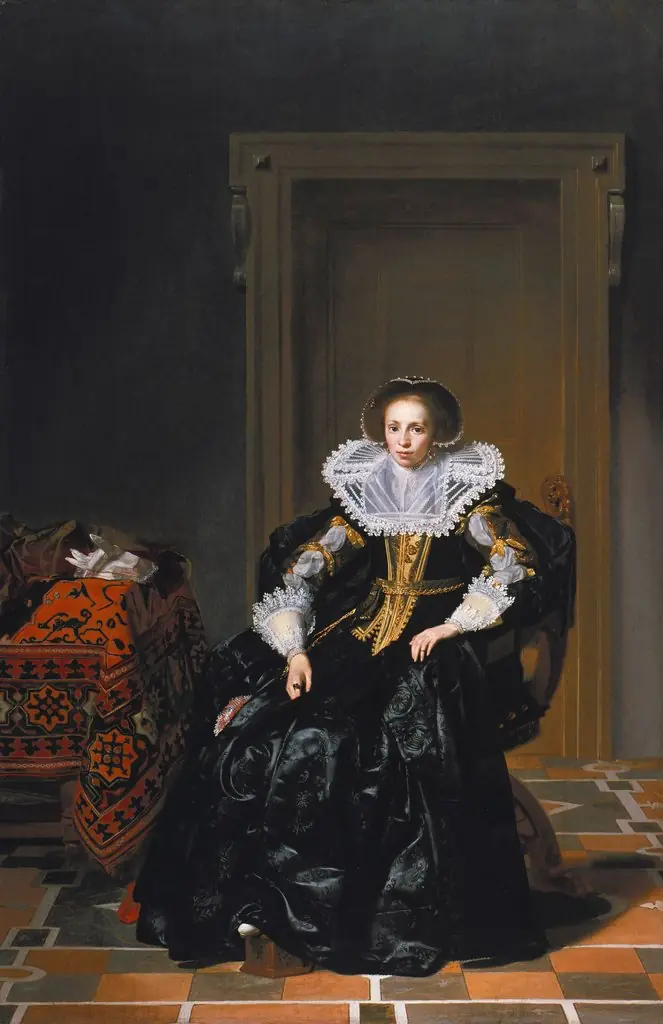 Portrait of a Lady
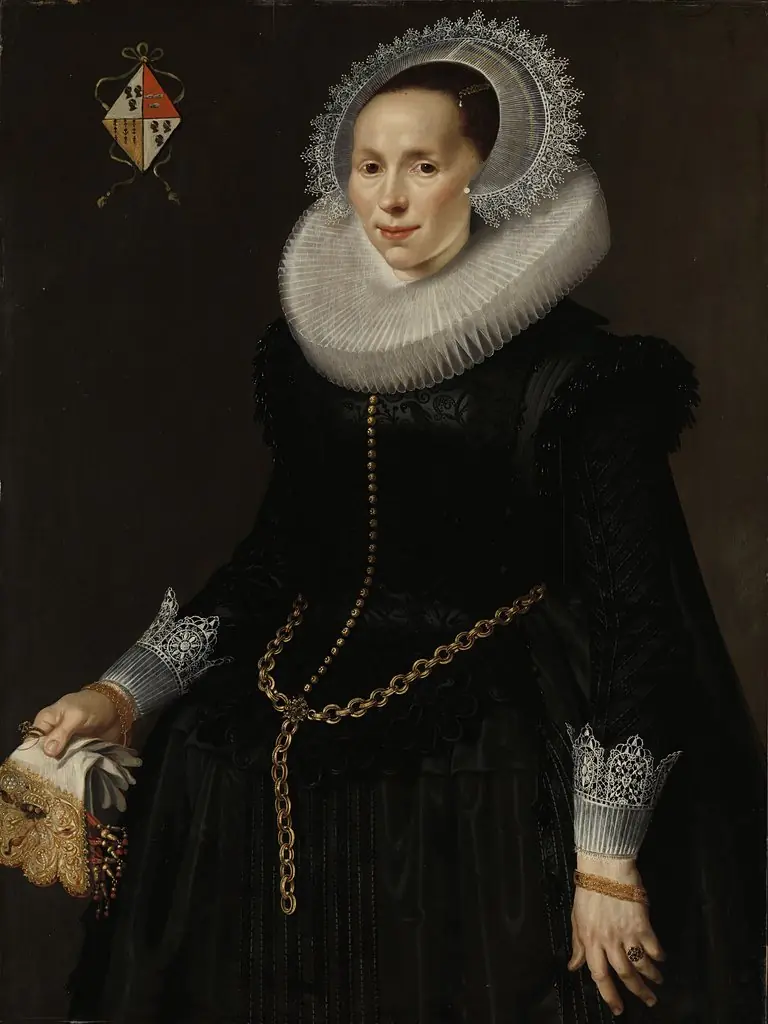 Portrait of Johanna Le Maire (c. 1601-60)
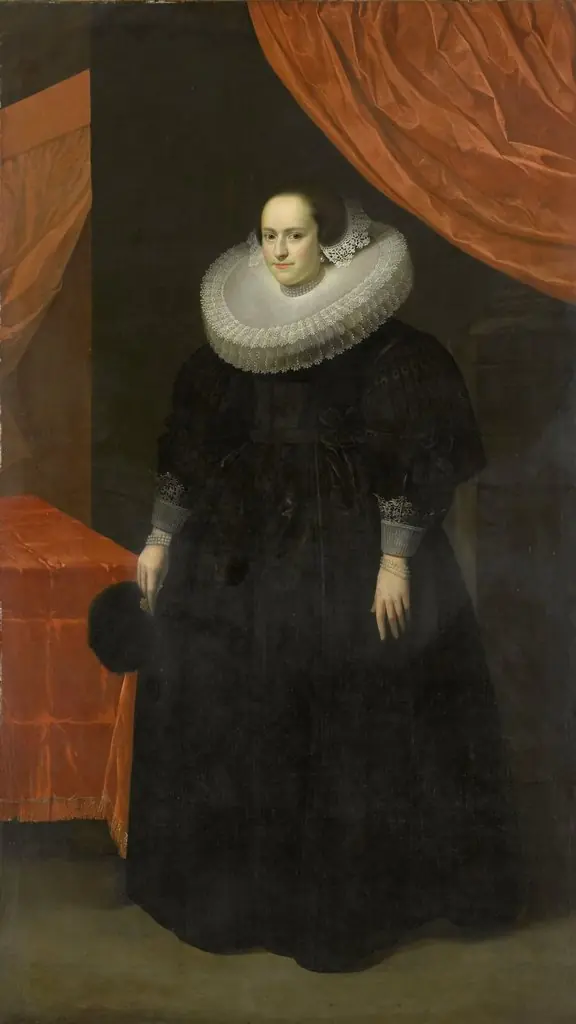 Portrait of Suzanna Moor (1608-57)
 Portrait of a woman
 Portrait of a Young Woman