Artwork
Portrait of a Wife
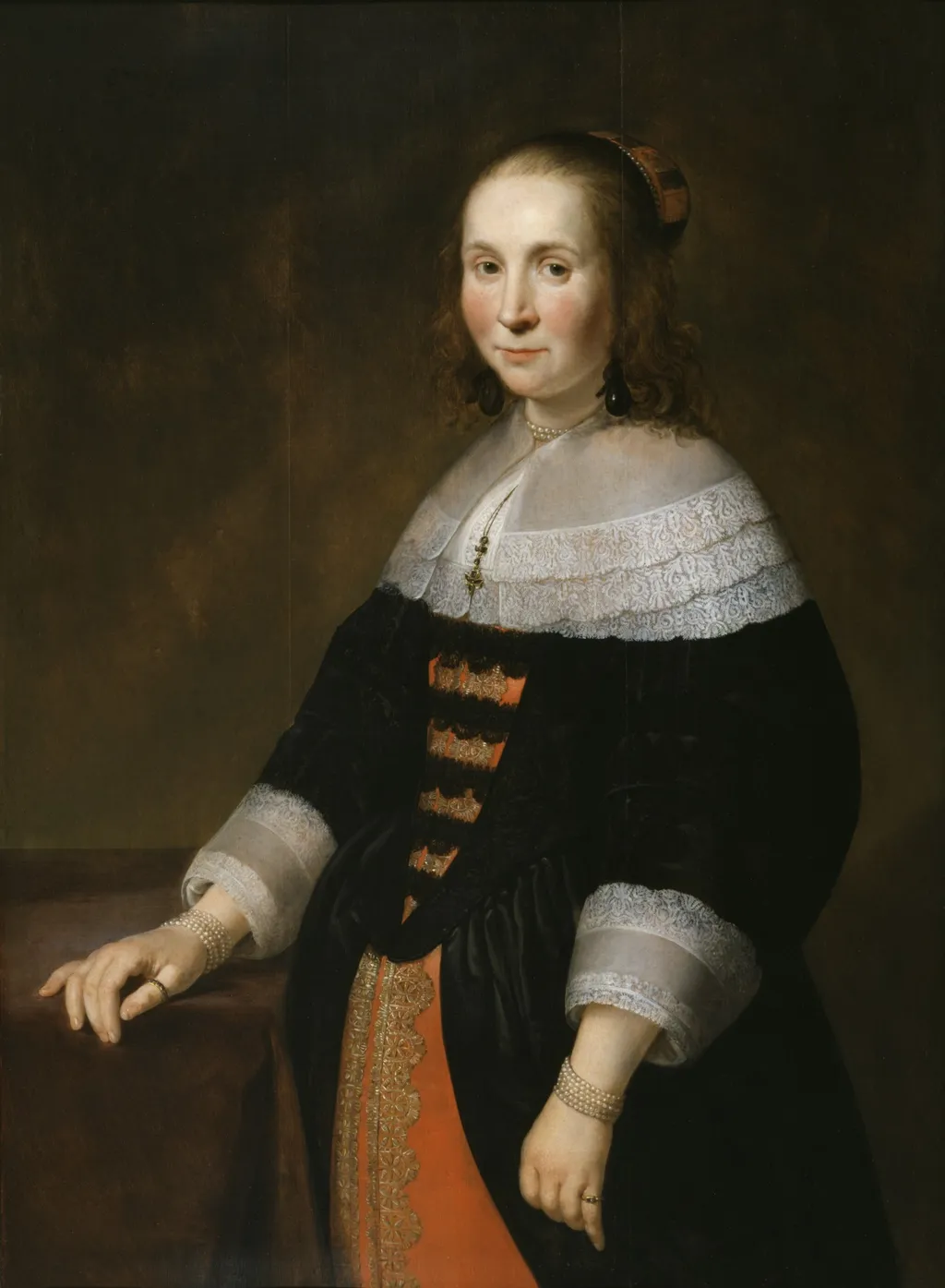
Portrait of a Wife is an oil painting by the Dutch Golden Age artist Hendrick Bloemaert. It dates from 1647 and is held in the collection of the Walters Art Museum.
About this work
Overview
The work resides in the Walters Art Museum, where it stands as a representative example of mid-17th-century Dutch portraiture.
Painted in 1647 by Hendrick Bloemaert, this oil portrait depicts a woman in formal attire, rendered with quiet precision. The work resides in the Walters Art Museum, where it stands as a representative example of mid-17th-century Dutch portraiture. Its restrained composition and subdued palette reflect the period’s emphasis on dignity and modesty, typical of middle- to upper-class sitters in the Dutch Republic.
Subject & Meaning
The sitter, likely a married woman of means, presents herself with composed solemnity. Her black dress, accented by white lace and a pearl necklace, signals both wealth and moral restraint. The visible orange lining of her gown hints at subtle personal taste, while the cross necklace suggests religious devotion. Her direct gaze and still posture convey introspection rather than theatricality, aligning with contemporary ideals of female virtue.
Technique & Style
Bloemaert employs fine brushwork to capture the texture of lace, the sheen of pearls, and the soft curl of hair. The dark background isolates the figure, drawing attention to her attire and expression. Subtle contrasts in light define the contours of her face and hands, while the orange underlayer of her dress adds a quiet chromatic note. The painting avoids dramatic lighting, favoring a calm, even illumination consistent with Dutch domestic portraiture.
History & Provenance
The painting entered the Walters Art Museum’s collection in the early 20th century, acquired as part of a broader effort to expand holdings of Northern European art. Its documented history prior to this acquisition remains limited, though its style and date align with Bloemaert’s known body of work from the 1640s. No significant alterations or restorations are recorded, preserving its original condition.
Context
In 1647, the Dutch Republic was experiencing economic prosperity and a flourishing of secular portraiture. Unlike aristocratic commissions elsewhere in Europe, Dutch portraits often emphasized personal character over social status. Bloemaert’s work reflects this trend, portraying the sitter not as a symbol of lineage but as an individual with private dignity, grounded in the values of her time.
Legacy
Though Hendrick Bloemaert is not among the most widely recognized Dutch painters, this portrait contributes to the understanding of regional portraiture beyond Rembrandt or Hals. It exemplifies the quiet, introspective mode favored by lesser-known artists who catered to a growing middle-class clientele. The work remains a valuable record of domestic aesthetics and gendered representation in 17th-century Holland.
Own this work as a print
Artist & collection

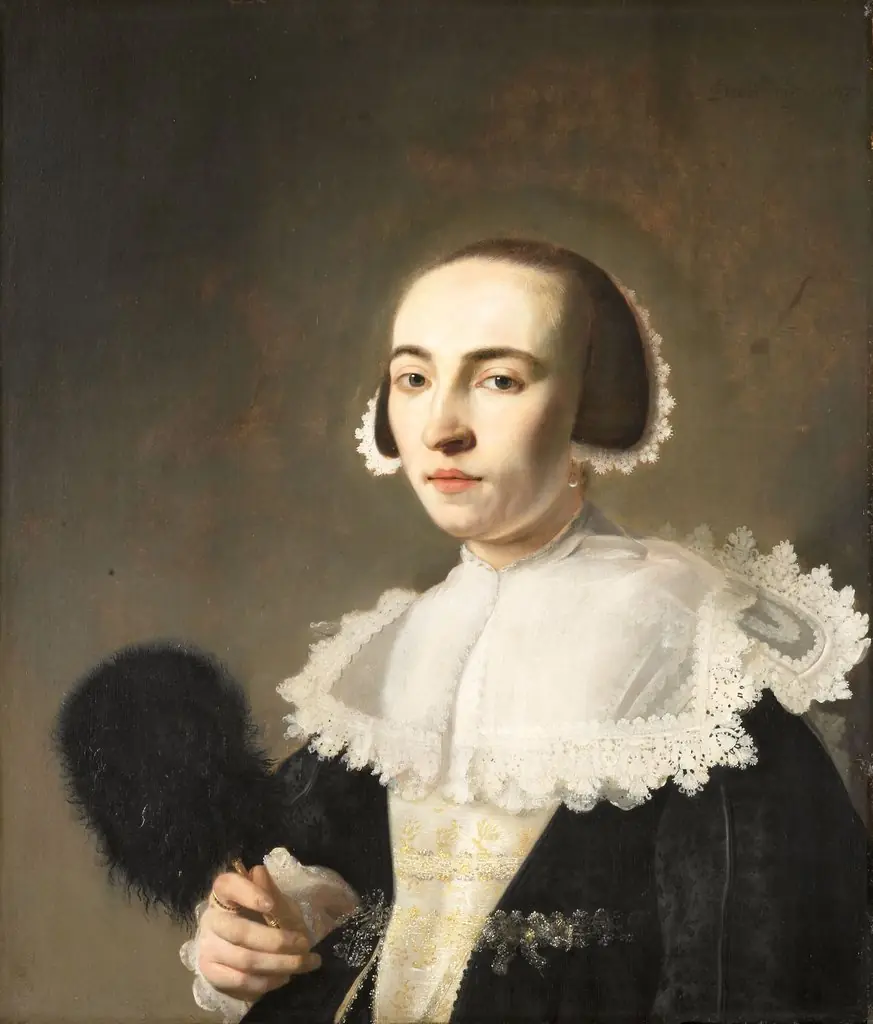 Portrait of a woman
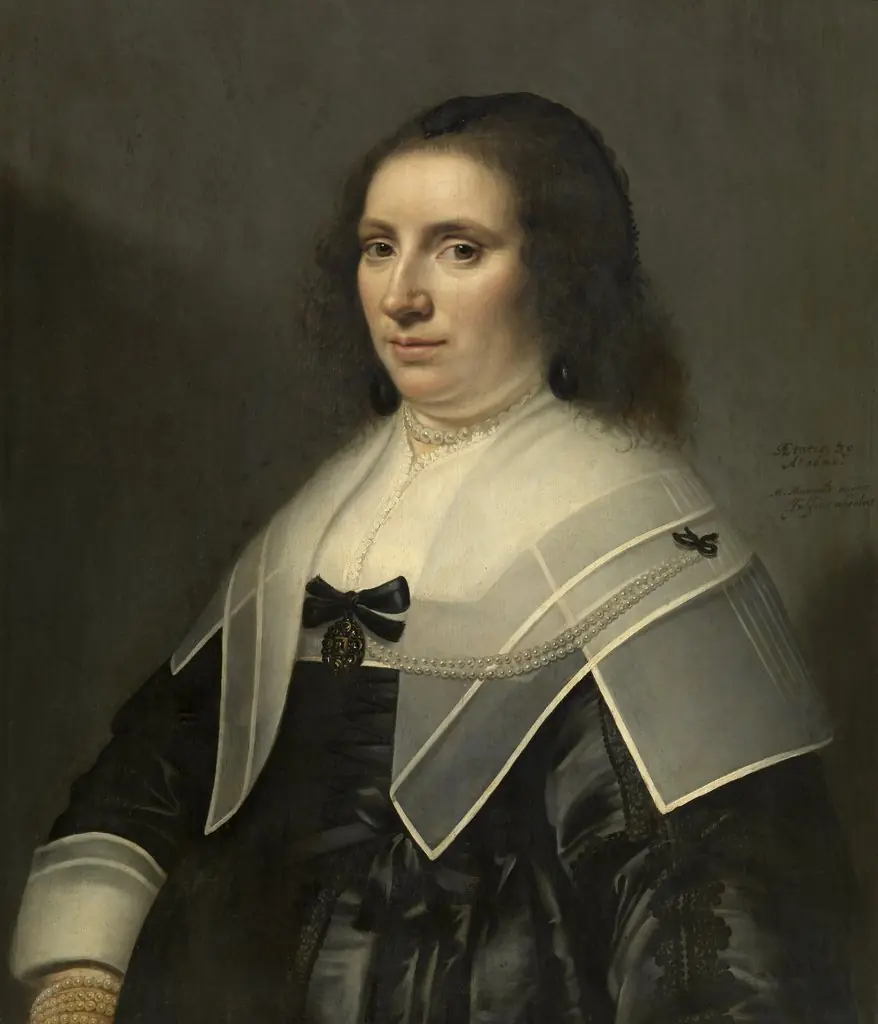 Portrait of Christina Pijll
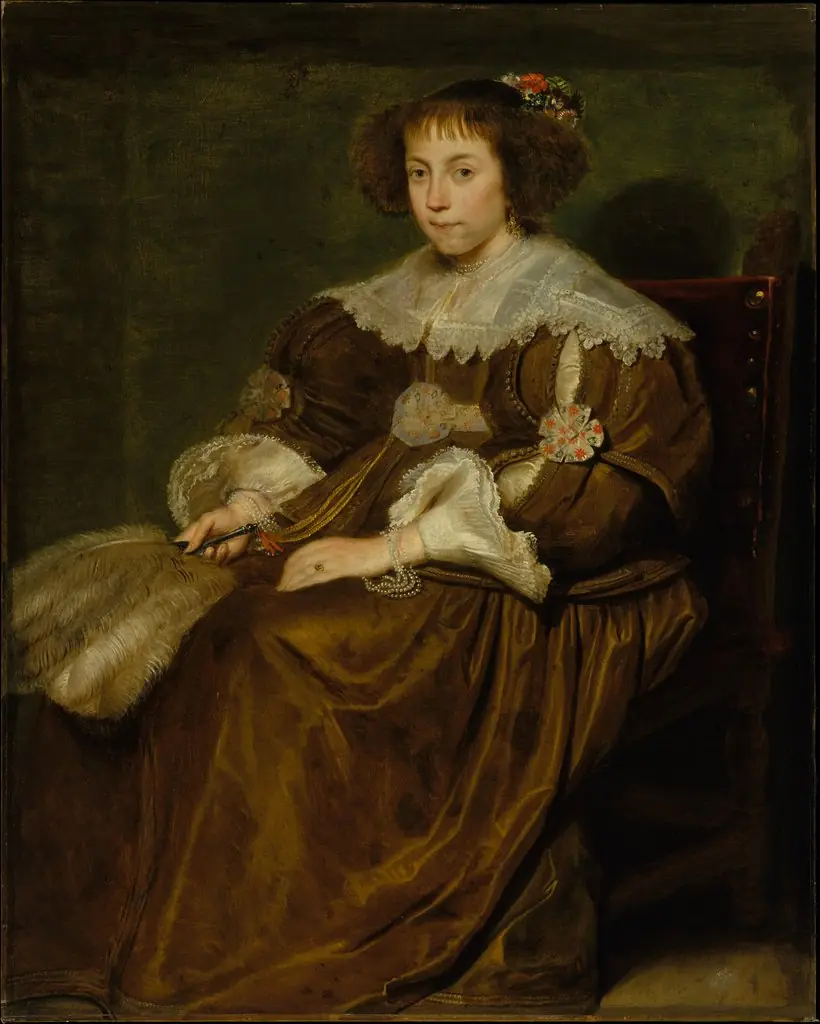 Portrait of a Young Woman
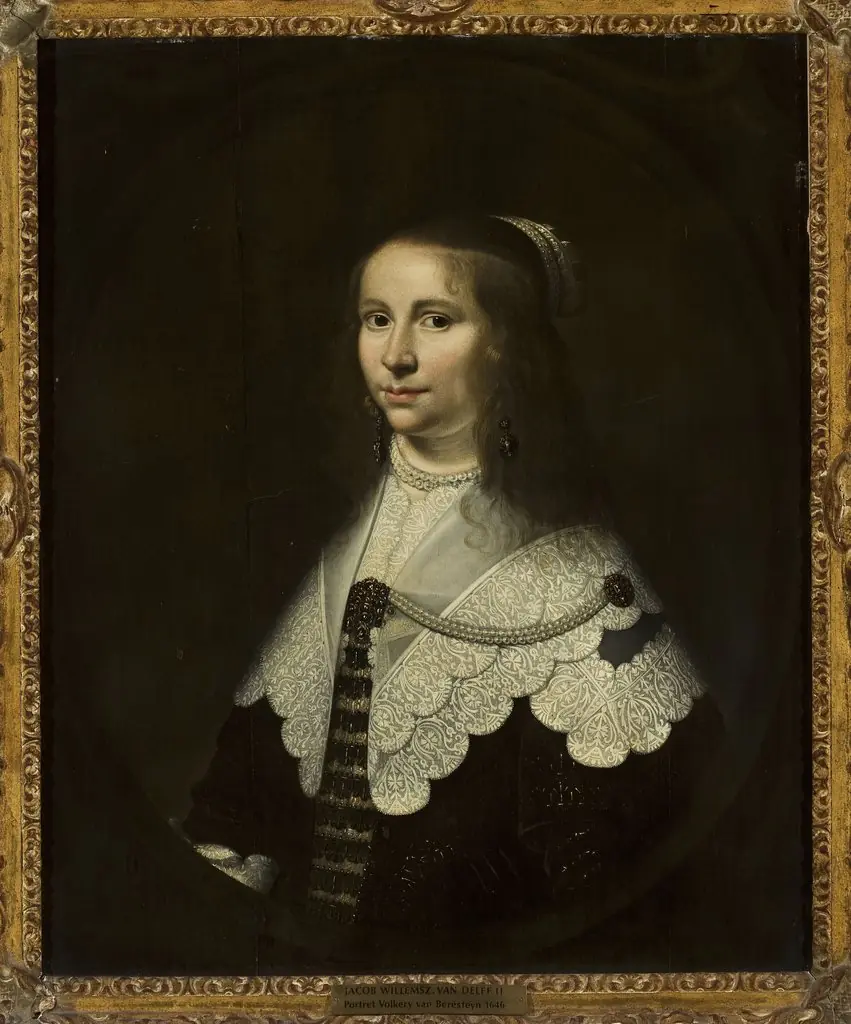 Portrait of Volkera van Beresteyn (1624–1653), wife of Salomon van Schoonhoven (1617–1653)
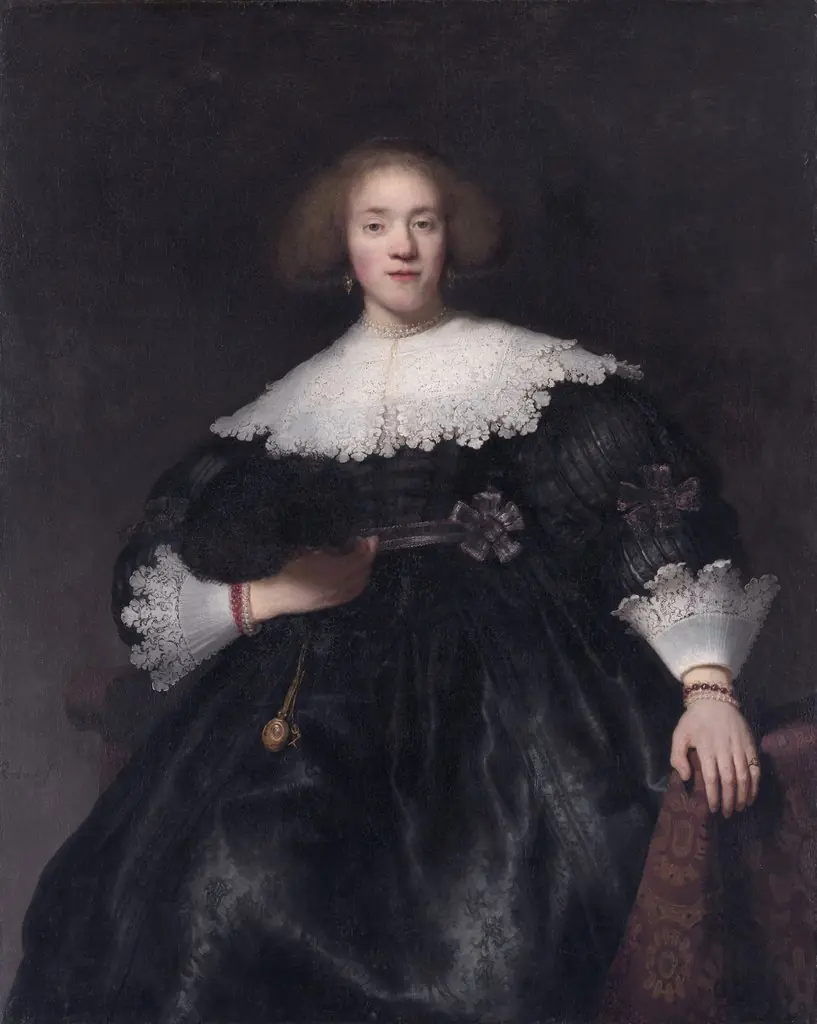 Portrait of a Young Woman with a Fan
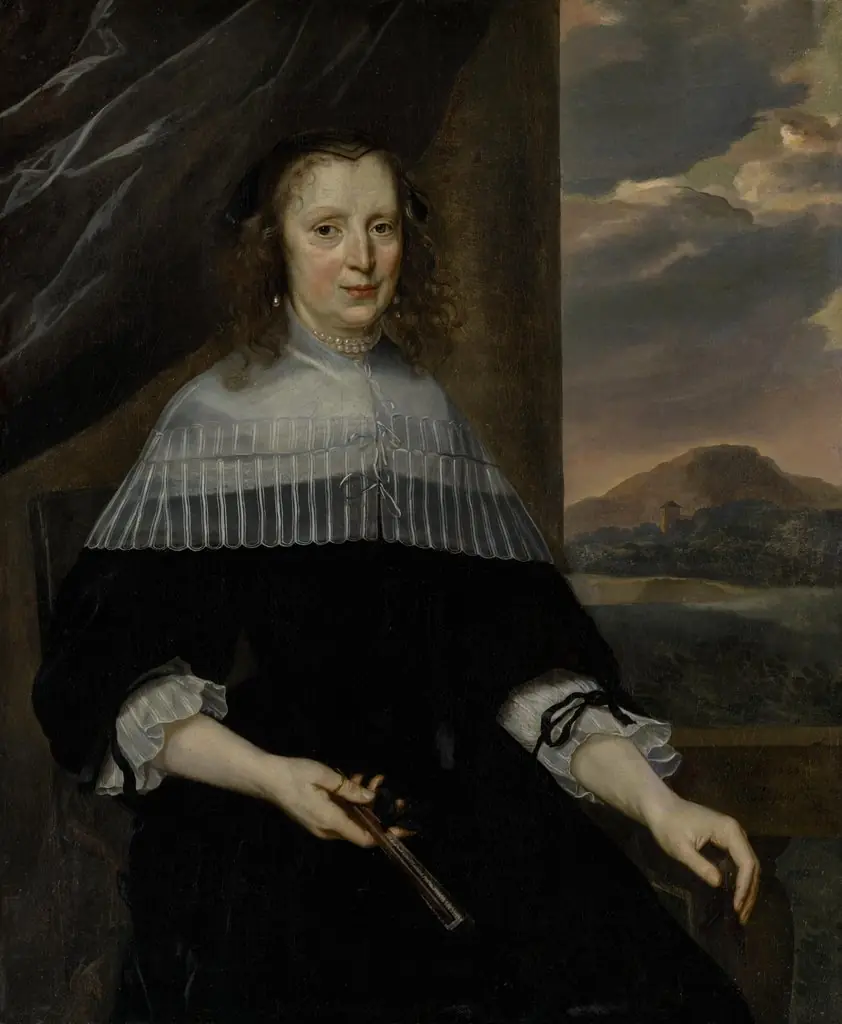 Bildnis einer Dame
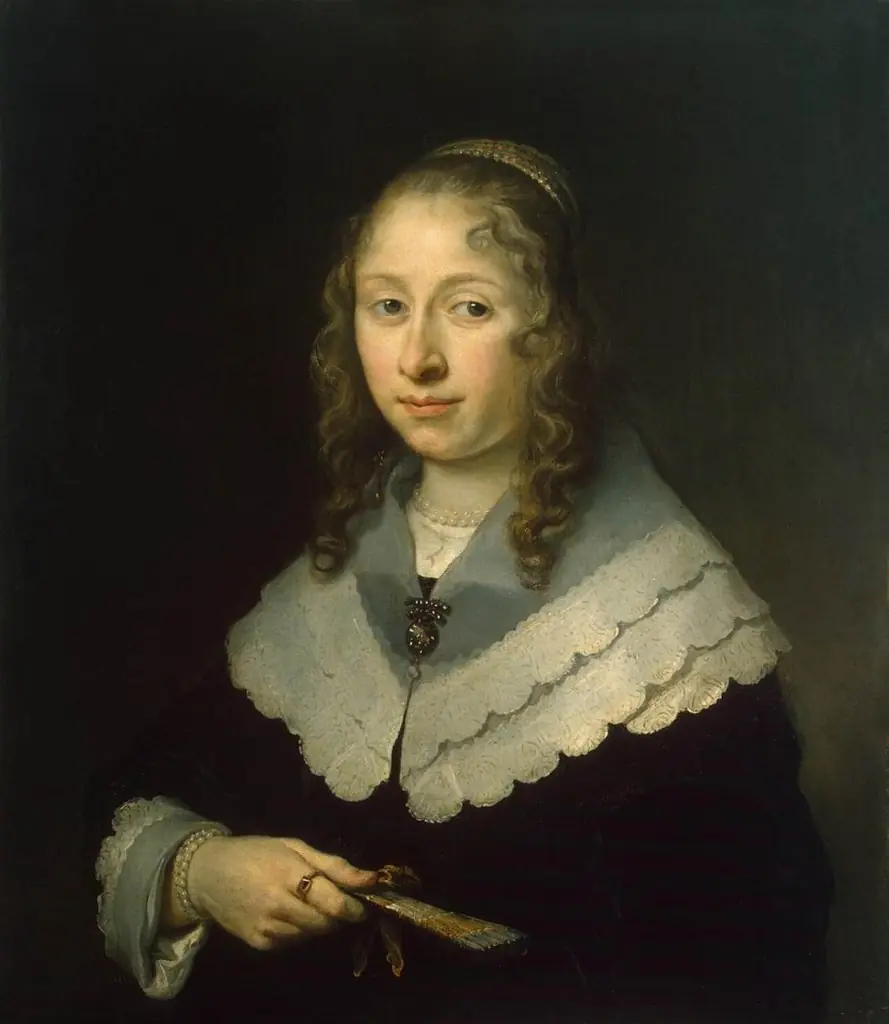 Portrait of a Woman
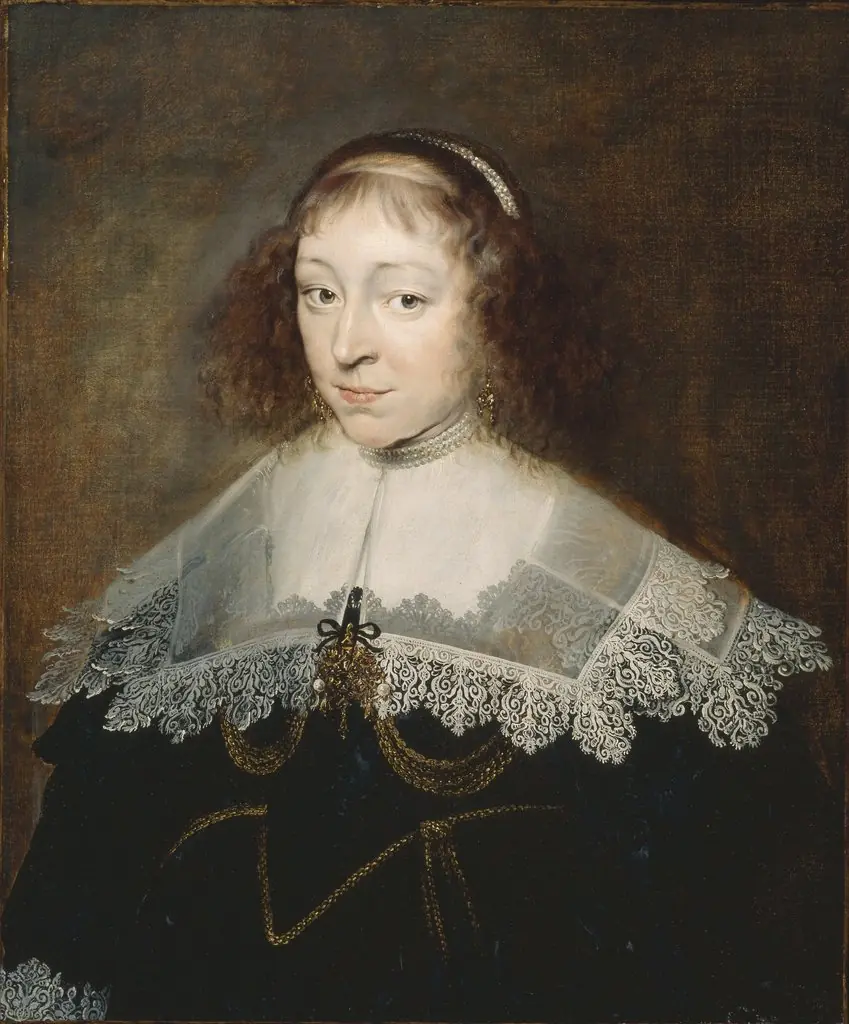 Portrait of a Young Woman
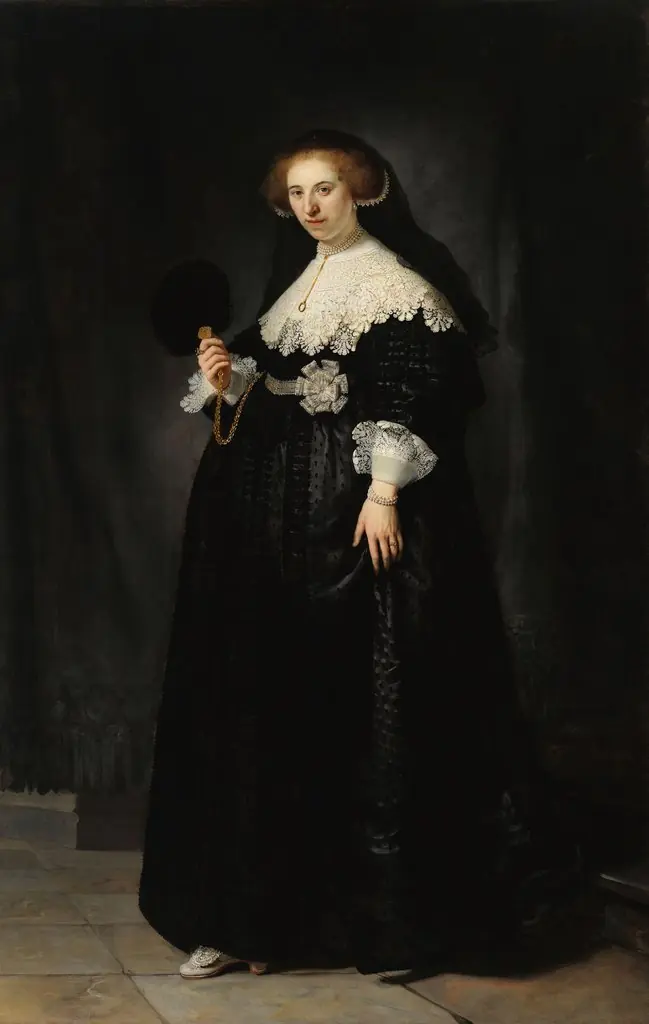 Portrait of Oopjen Coppit
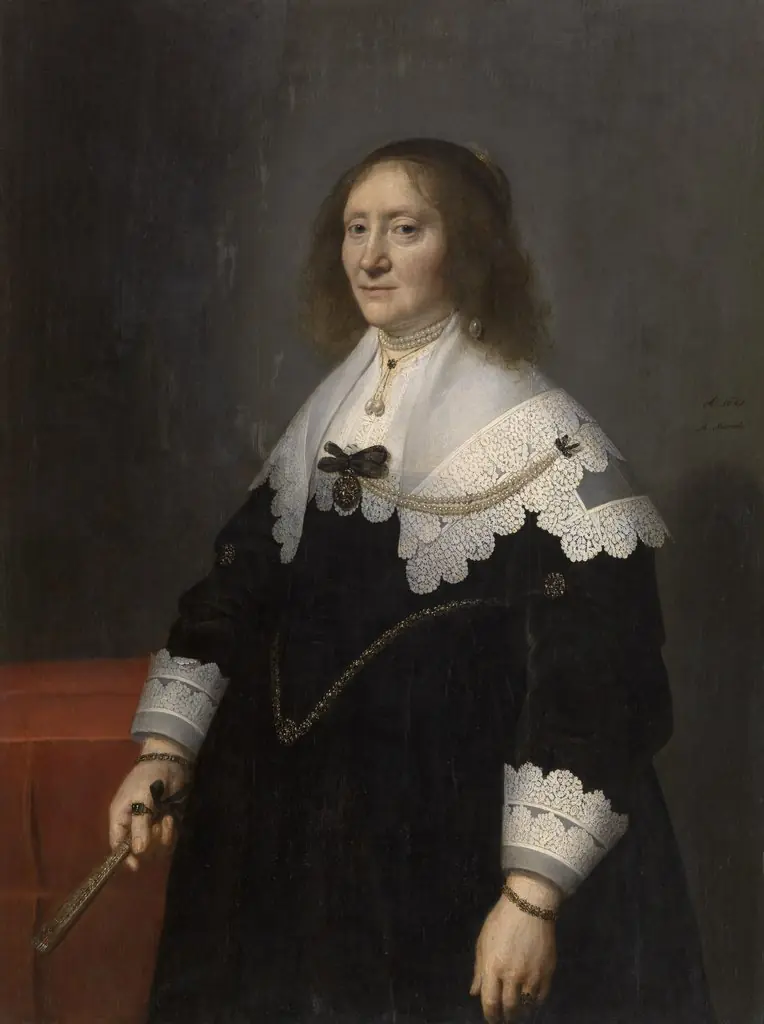 Portrait of Aletta Brasser (1579-1655)
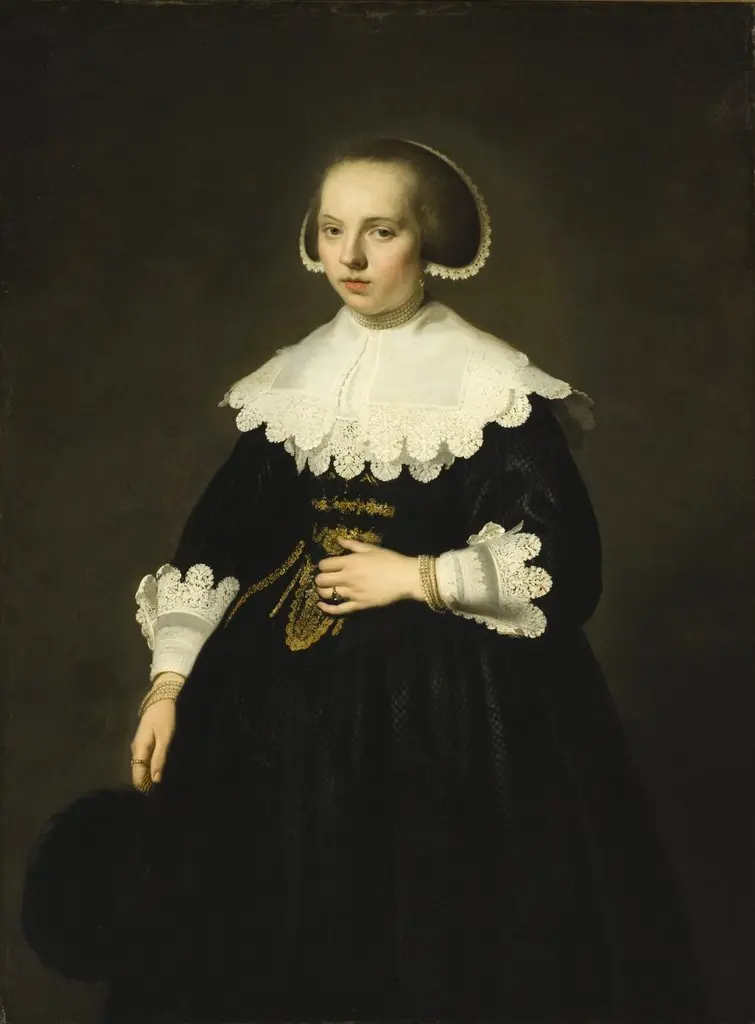 Portrait of a Young Woman
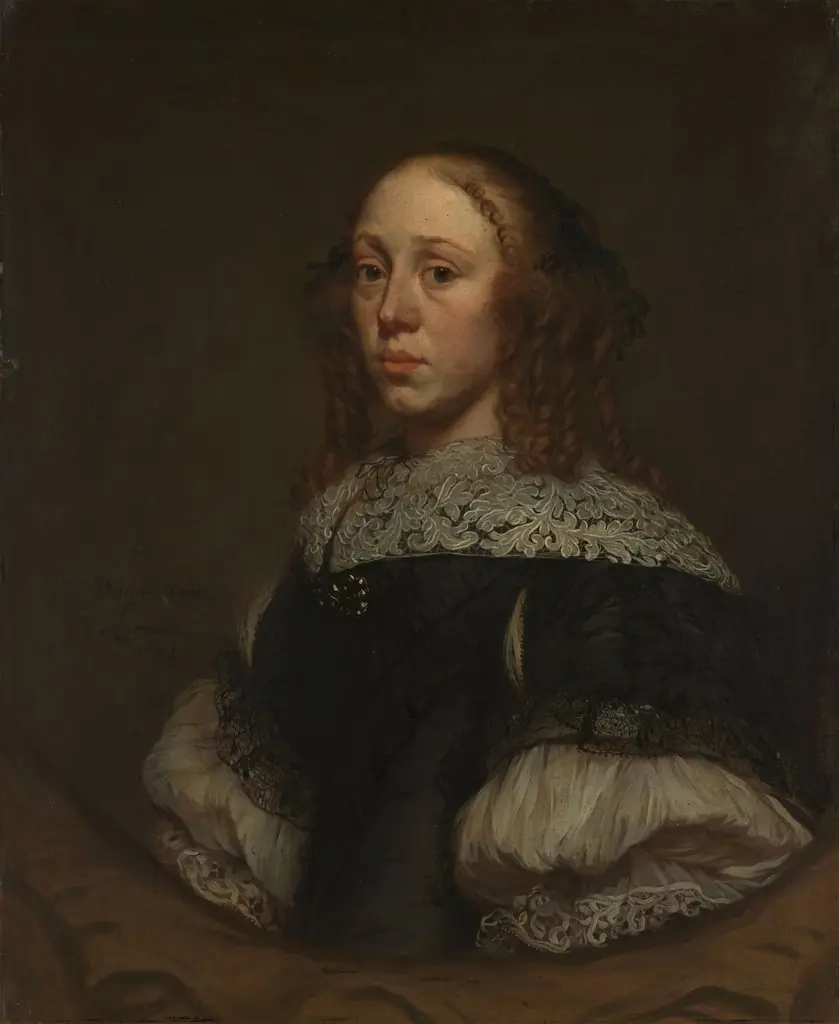 Portrait of a woman