Artwork
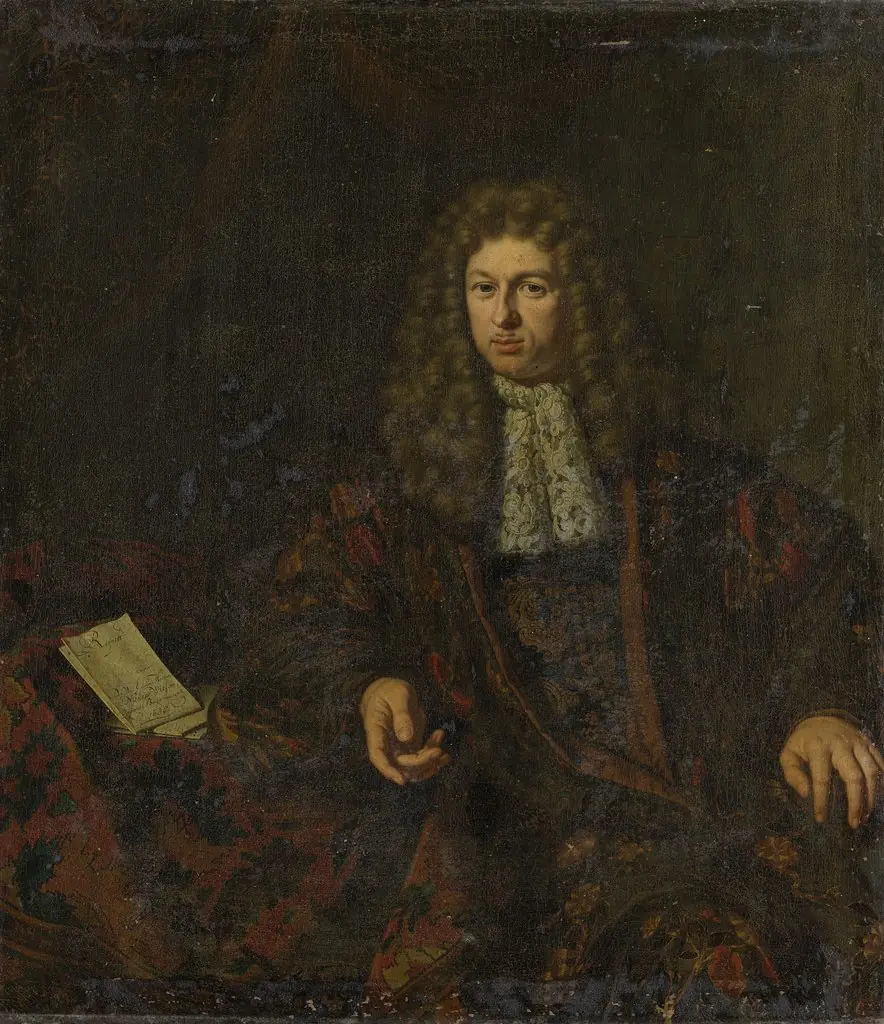
Portrait of Michiel Comans (d. 1687), calligrapher, etcher, painter and schoolmaster, with his third wife Elisabeth van der Mersche
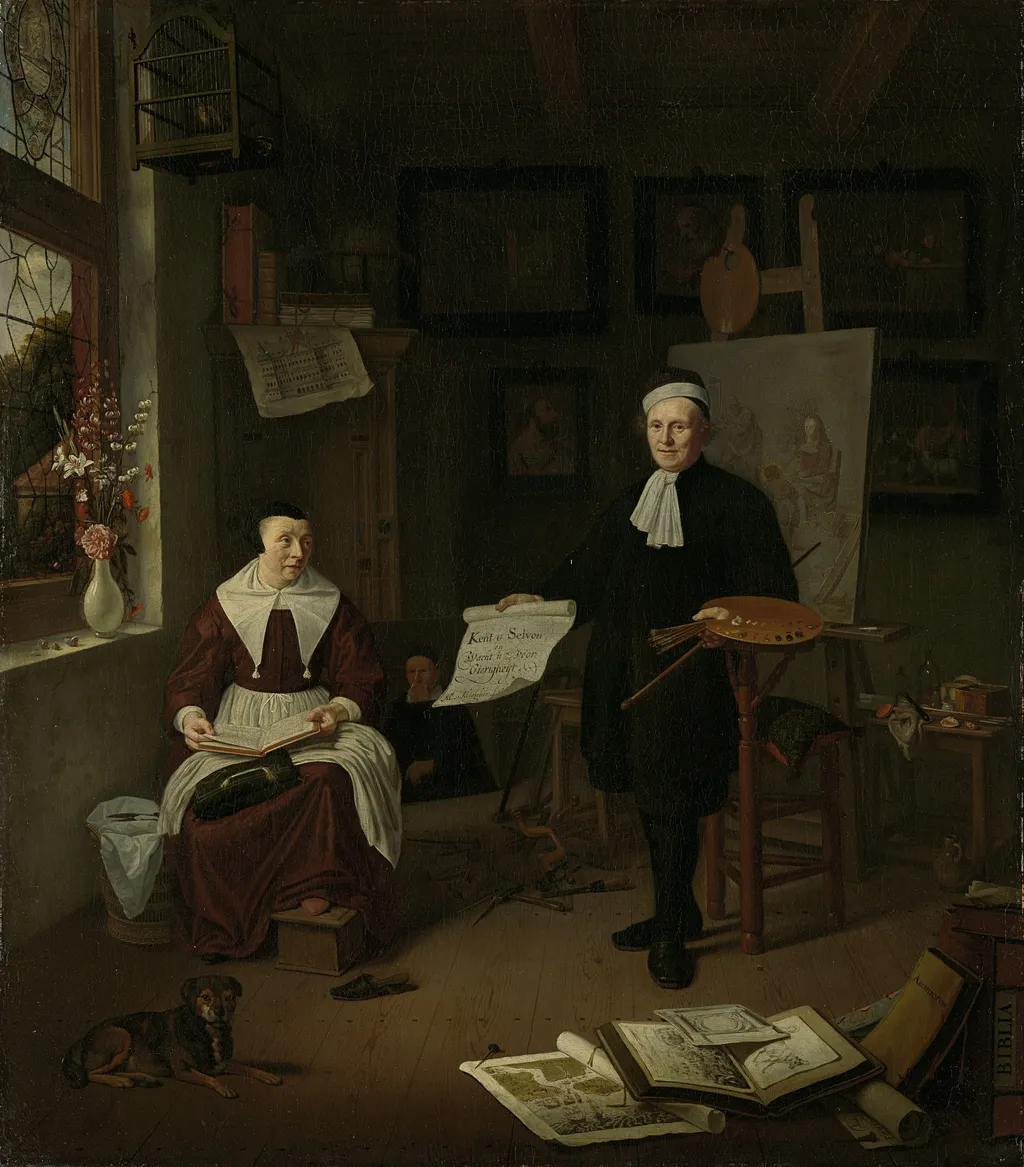
Portrait of Michiel Comans (d. 1687), calligrapher, etcher, painter and schoolmaster, with his third wife Elisabeth van der Mersche is an oil painting by the Dutch Golden Age artist Michiel van Musscher. It dates from 1669 and is held in the collection of the Rijksmuseum.
About this work
Overview
Created in 1669, this oil painting by Michiel van Musscher portrays Michiel Comans, a late‑17th‑century calligrapher, etcher, painter and schoolmaster, together with his third wife, Elisabeth van der Mersche. The work is part of the Rijksmuseum’s collection and presents the couple in a domestic interior, surrounded by books, papers and artistic tools.
Subject & Meaning
The portrait emphasizes the intellectual and creative pursuits of the pair: Comans holds a sheet of paper and a palette, indicating his artistic practice, while Elisabeth is shown reading a book, underscoring literacy and education. A small dog at their feet adds a conventional symbol of fidelity within the household setting.
Technique & Style
Executed in oil on canvas, van Musscher employs a restrained palette of dark fabrics contrasted with crisp white collars, rendering textures with fine brushwork. The composition balances the figures within a modestly lit room, using a window on the left to introduce natural light that highlights the subjects and their surroundings.
History & Provenance
The painting has remained in Dutch collections since its creation, eventually entering the Rijksmuseum’s holdings, where it is displayed as part of the museum’s representation of 17th‑century portraiture. Its attribution to van Musscher has been consistently accepted by scholars.
Context
In the Dutch Golden Age, portraiture often combined personal likeness with indicators of profession and status. This work reflects that tradition, situating Comans—a multi‑talented artist and educator—within his working environment, while also presenting his wife as an educated companion, a motif common among affluent burgher families of the period.
Own this work as a print
Artist & collection

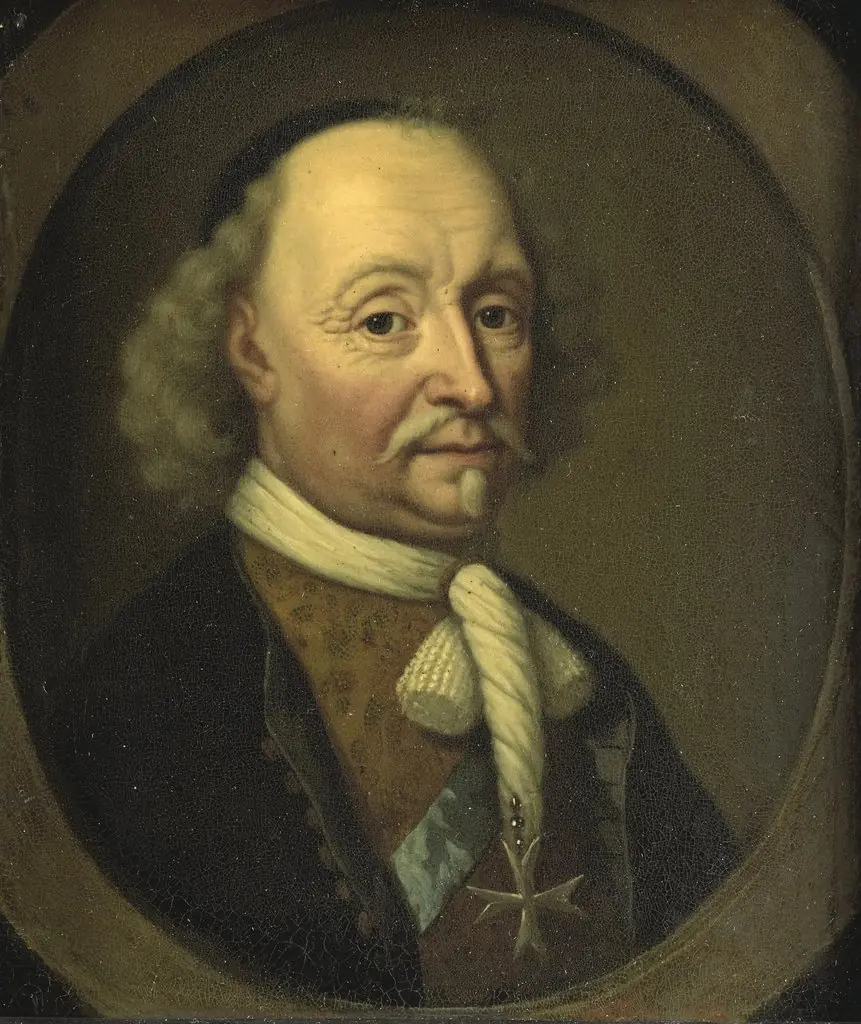 Portrait of Johan Maurits (1604-79), count of Nassau-Siegen and governor of Brazil
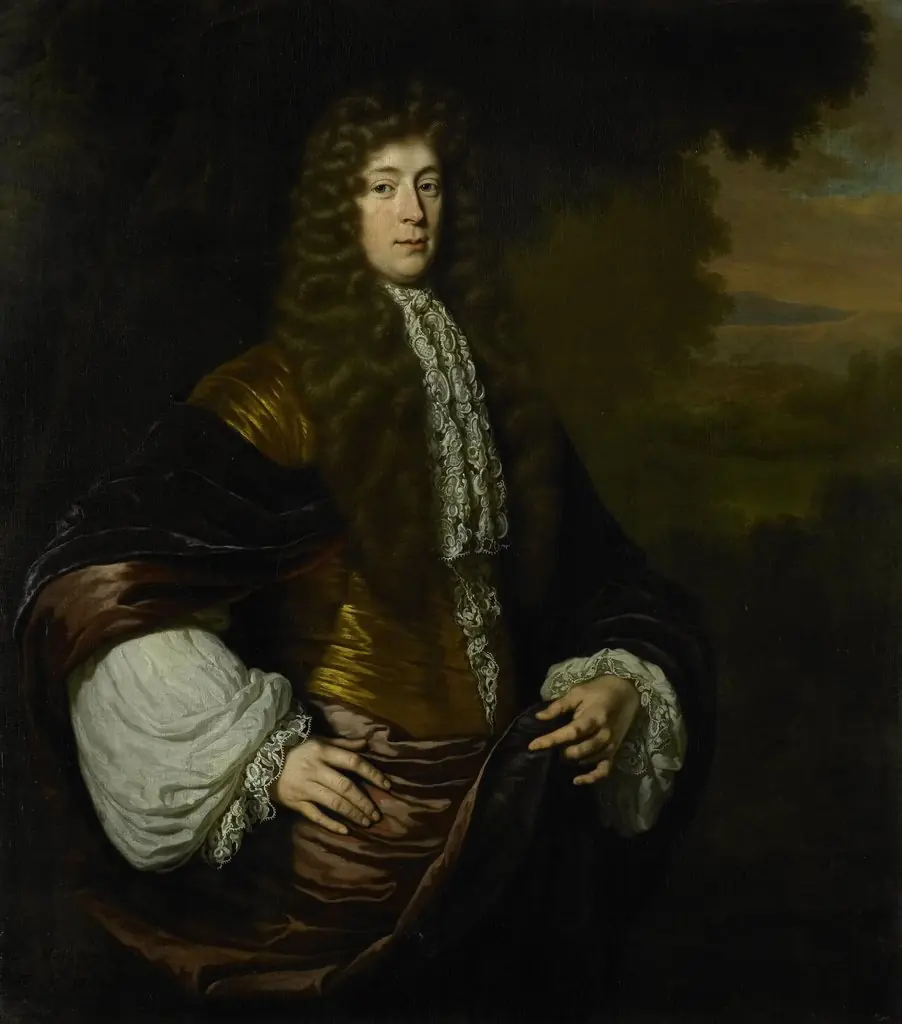 Portrait of Hendrick Bicker (1649 - 1718), burgomaster of Amsterdam
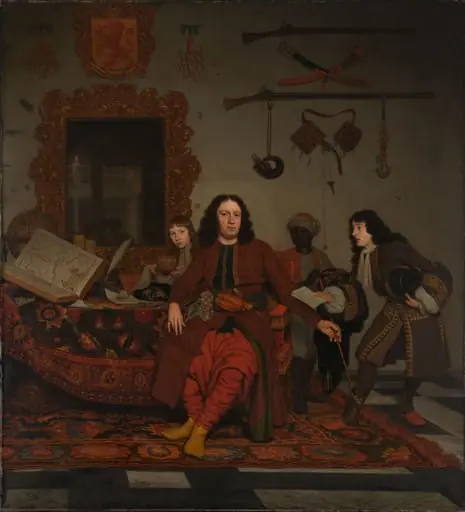 Thomas Hees and his Servant Thomas and Nephews Jan and Andries Hees
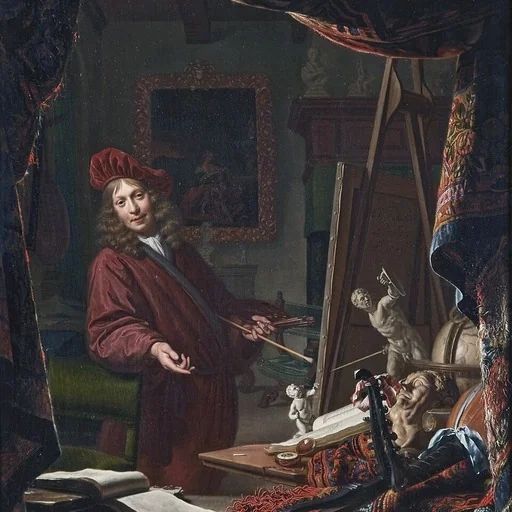
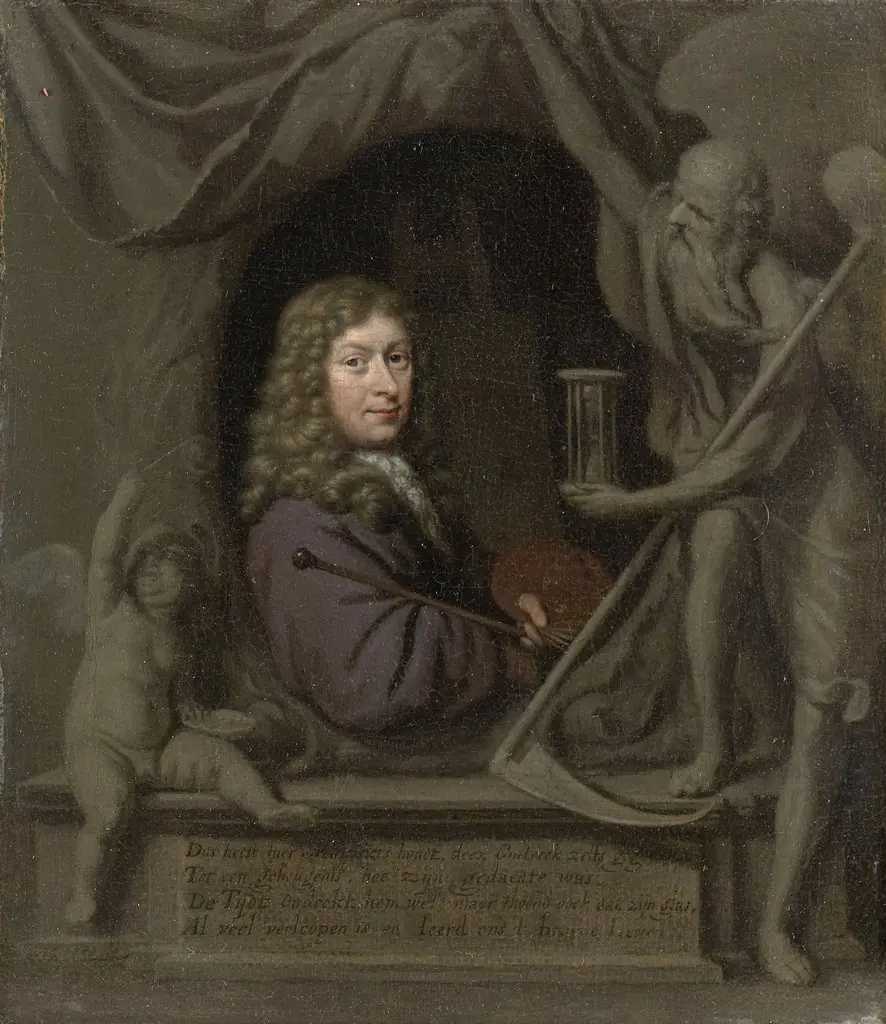 Self portrait
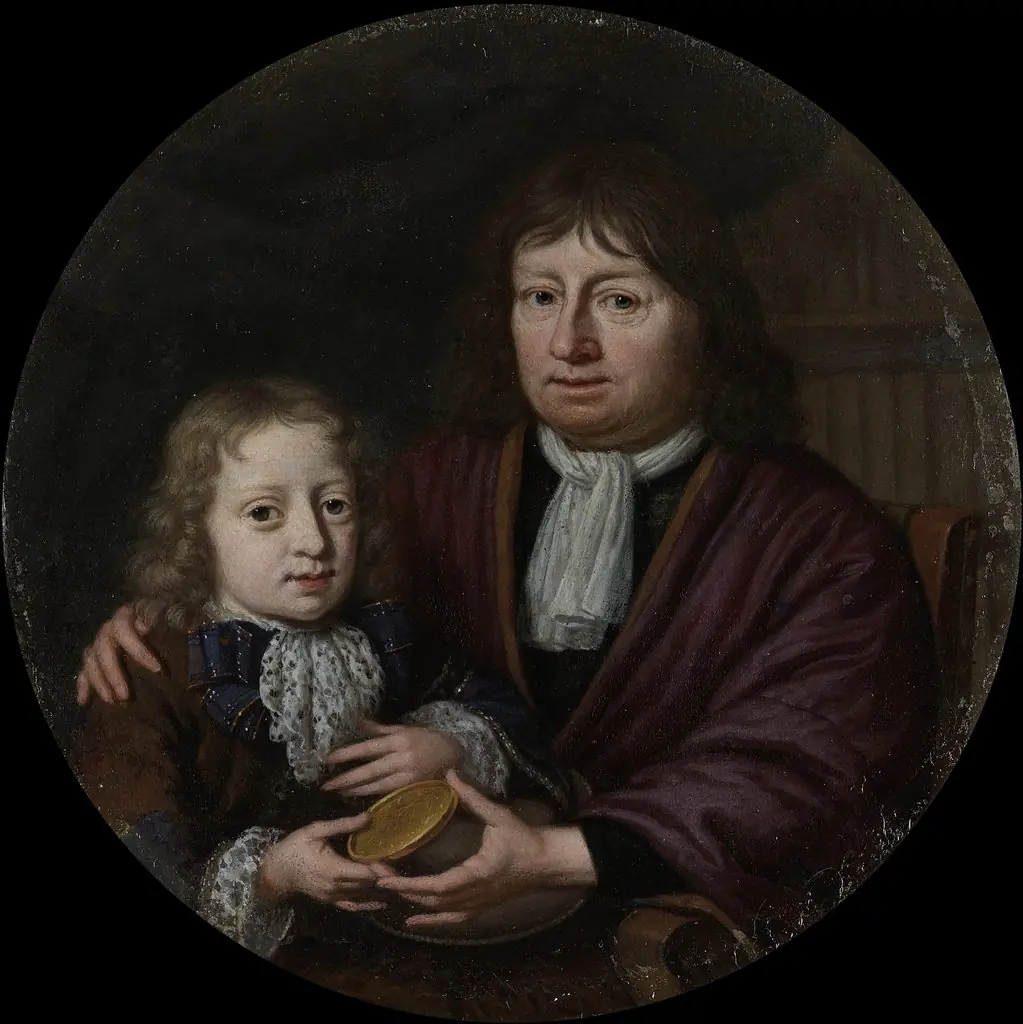 Isaac Pontanus Giving a Gold Medal to his Grandson Hendrik van Beek
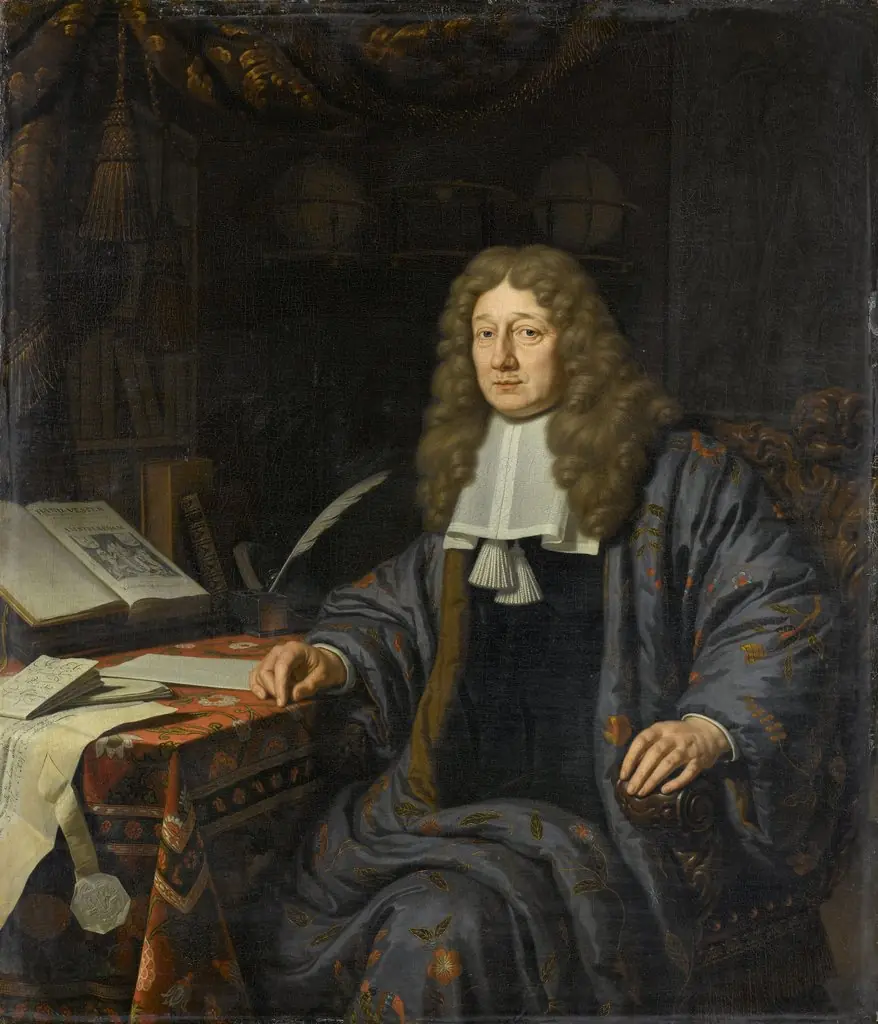 Portrait of Johannes Hudde (1628-1704), burgomaster of Amsterdam
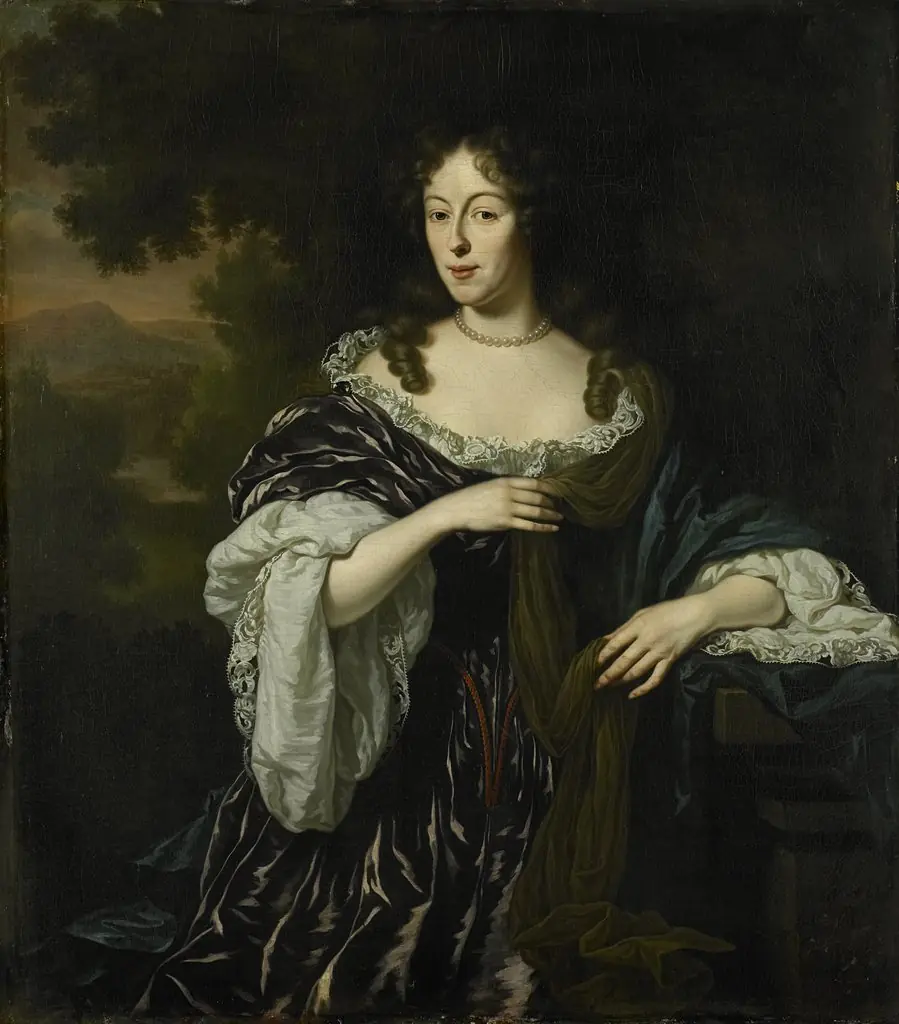 Portrait of Maria Schaep (1658-1725), wife of Hendrick Bicker
 Portret van Nicolaes Witsen (1641-1717)