Artwork
Thomas Hees and his Servant Thomas and Nephews Jan and Andries Hees
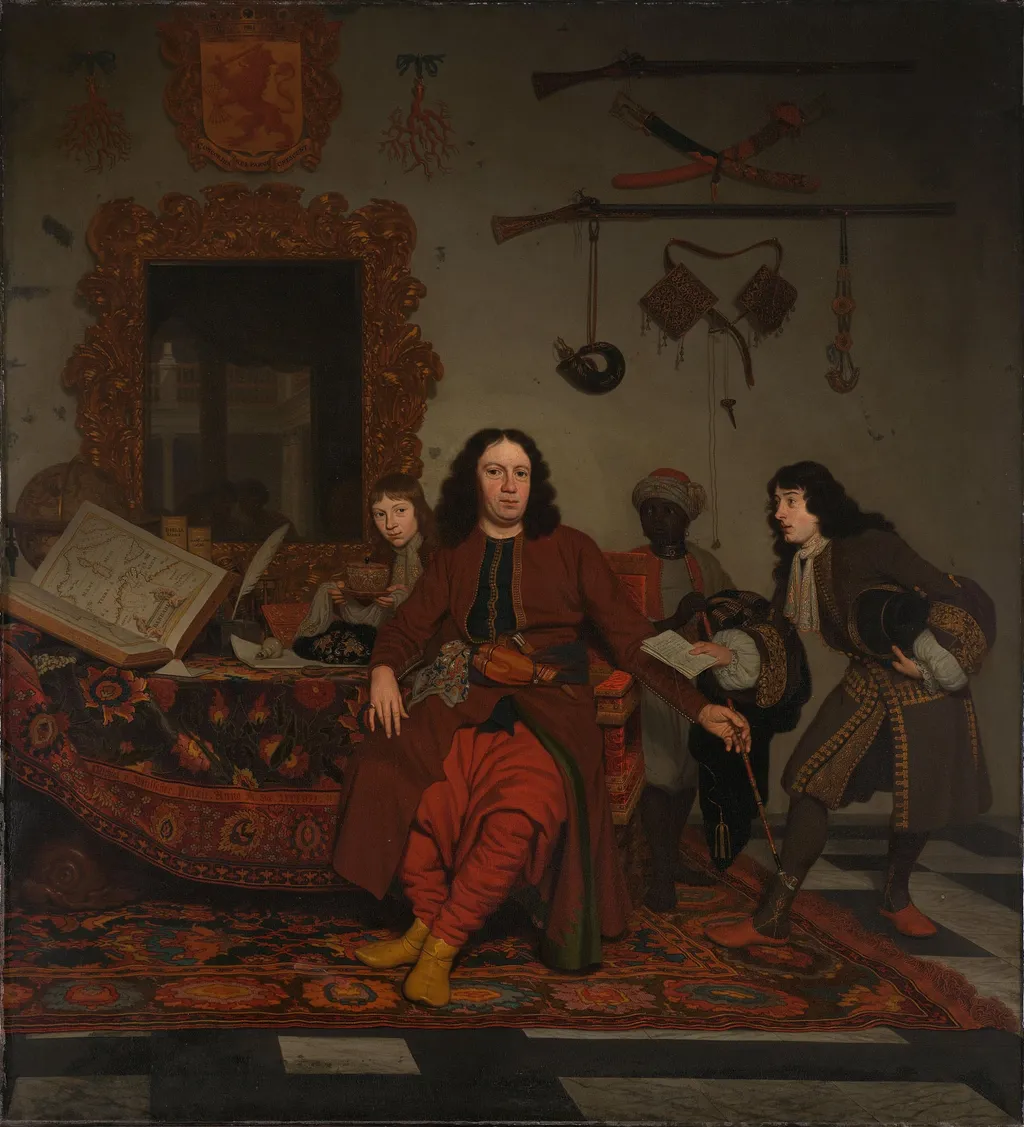
Thomas Hees and his Servant Thomas and Nephews Jan and Andries Hees is an unspecified painting by the Baroque artist Michiel van Musscher. It dates from 1687 and is held in the collection of the Rijksmuseum.
About this work
Overview
The canvas portrays Thomas Hees, a Dutch envoy active in the early 17th‑century Mediterranean, seated at a table in a red coat alongside his two nephews, Jan and Andries. A young Black adolescent stands behind them, barefoot and wearing a metal collar around his neck. The composition juxtaposes Hees’s diplomatic role with the presence of a figure whose attire signals subjugation.
Subject & Meaning
Hees is depicted as a negotiator who secured the release of Dutch sailors captured by Barbary corsairs. The adolescent, also named Thomas, was purchased by Hees during his missions; the iron band around his neck serves as a visual indicator of his status as a slave, highlighting the paradox of a liberator surrounded by an enslaved individual.
Context
During the early 1600s, the Dutch Republic maintained diplomatic and commercial contacts with the North African regencies of Algiers, Tunis and Tripoli.
During the early 1600s, the Dutch Republic maintained diplomatic and commercial contacts with the North African regencies of Algiers, Tunis and Tripoli. Envoys like Hees were tasked with ransom negotiations for Dutch seafarers taken by corsair fleets. The painting reflects these diplomatic efforts and the broader reality of Mediterranean slavery, where European powers both fought against and participated in the slave trade.
History & Provenance
The work originates from a period when portraiture often served to document personal achievements and familial ties. It remained in the Hees family collection for several generations before entering a public institution in the 19th century, where it has been displayed as a historical record of Dutch diplomatic activity in the Barbary states.
Artist & collection
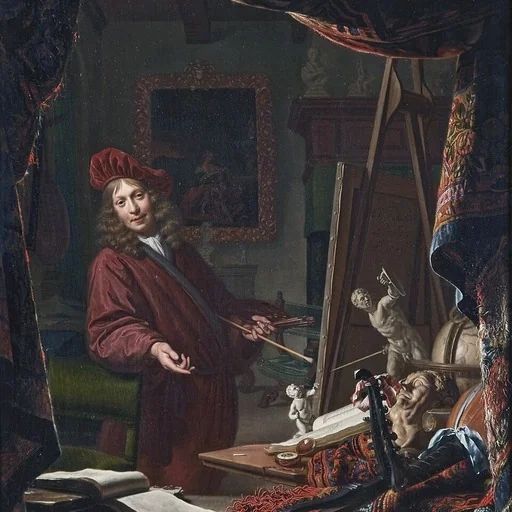

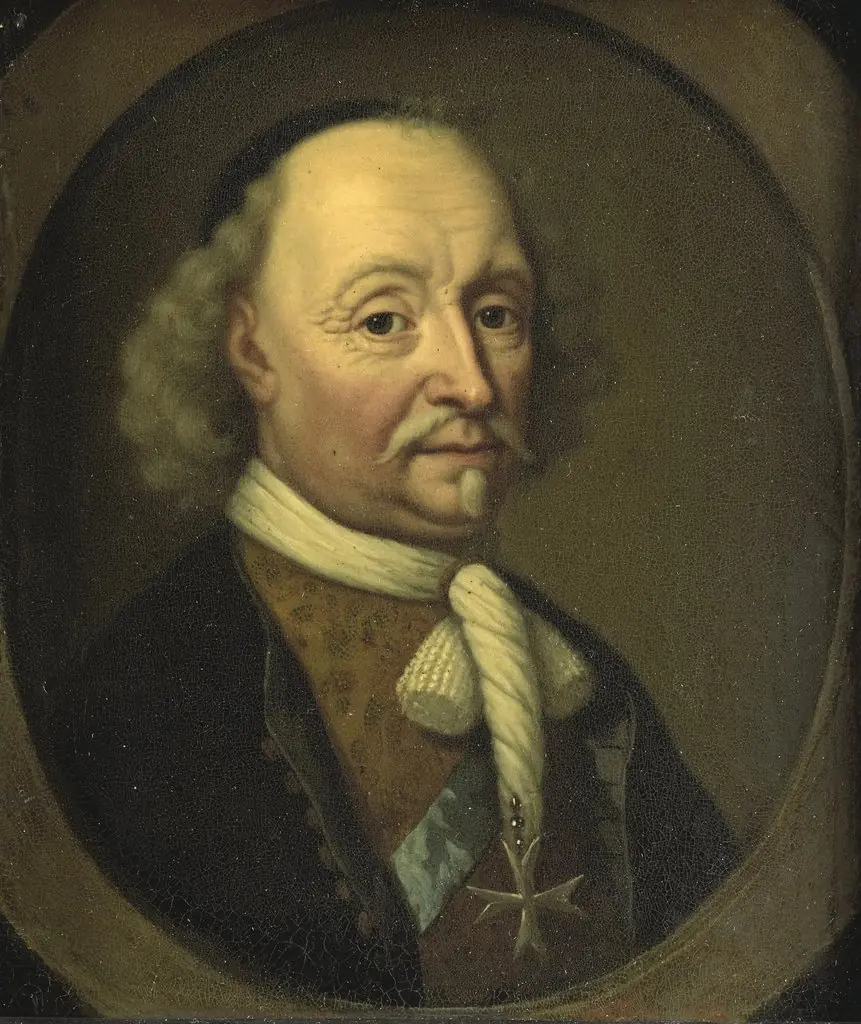 Portrait of Johan Maurits (1604-79), count of Nassau-Siegen and governor of Brazil
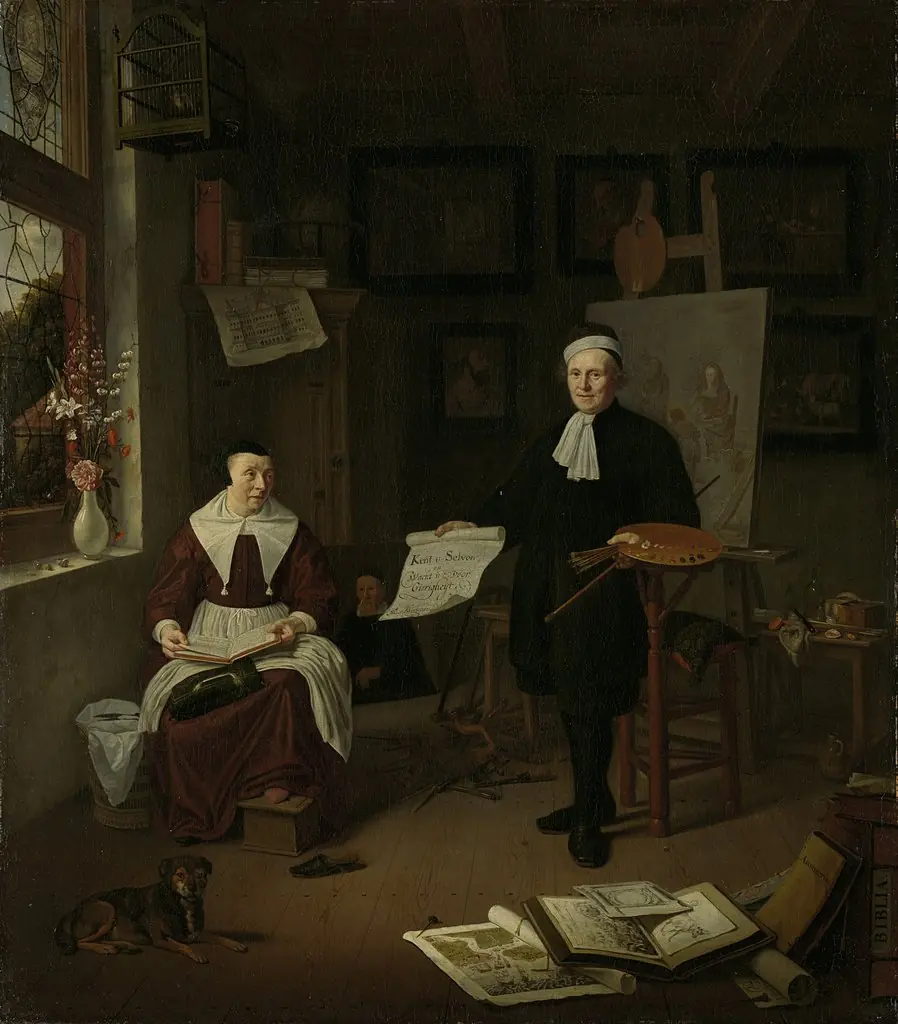 Portrait of Michiel Comans (d. 1687), calligrapher, etcher, painter and schoolmaster, with his third wife Elisabeth van der Mersche
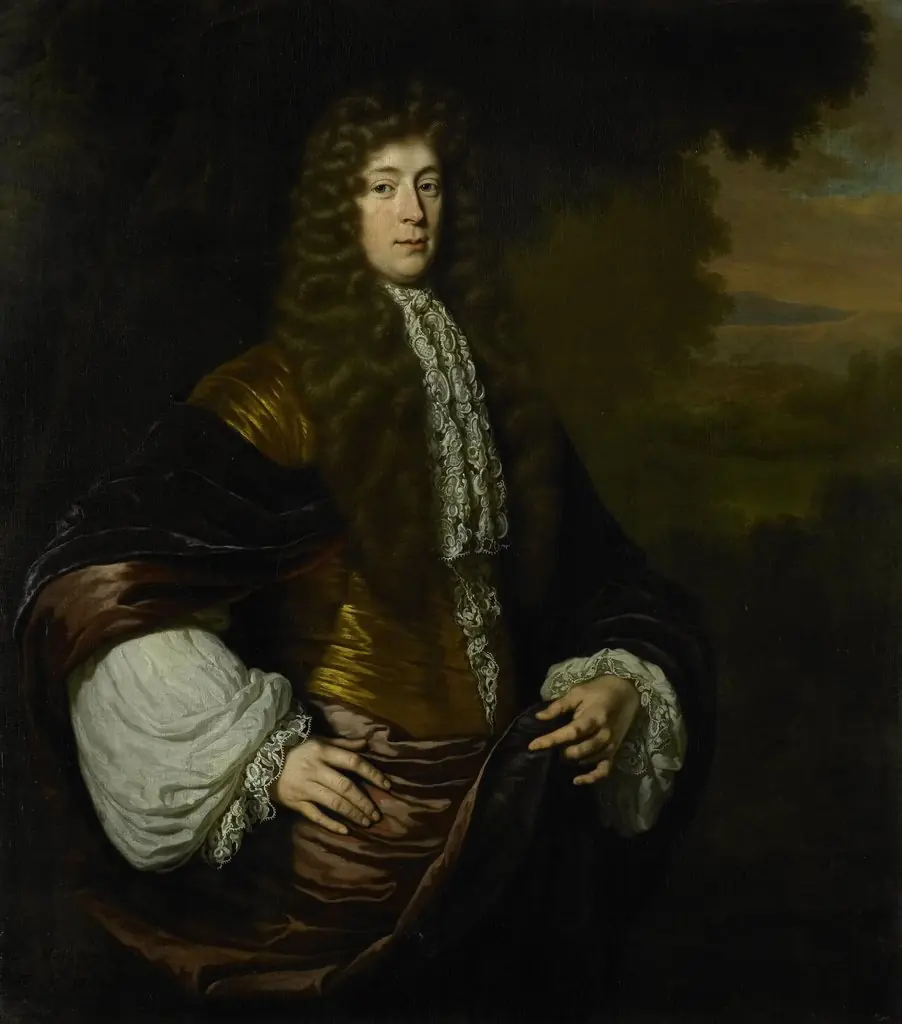 Portrait of Hendrick Bicker (1649 - 1718), burgomaster of Amsterdam
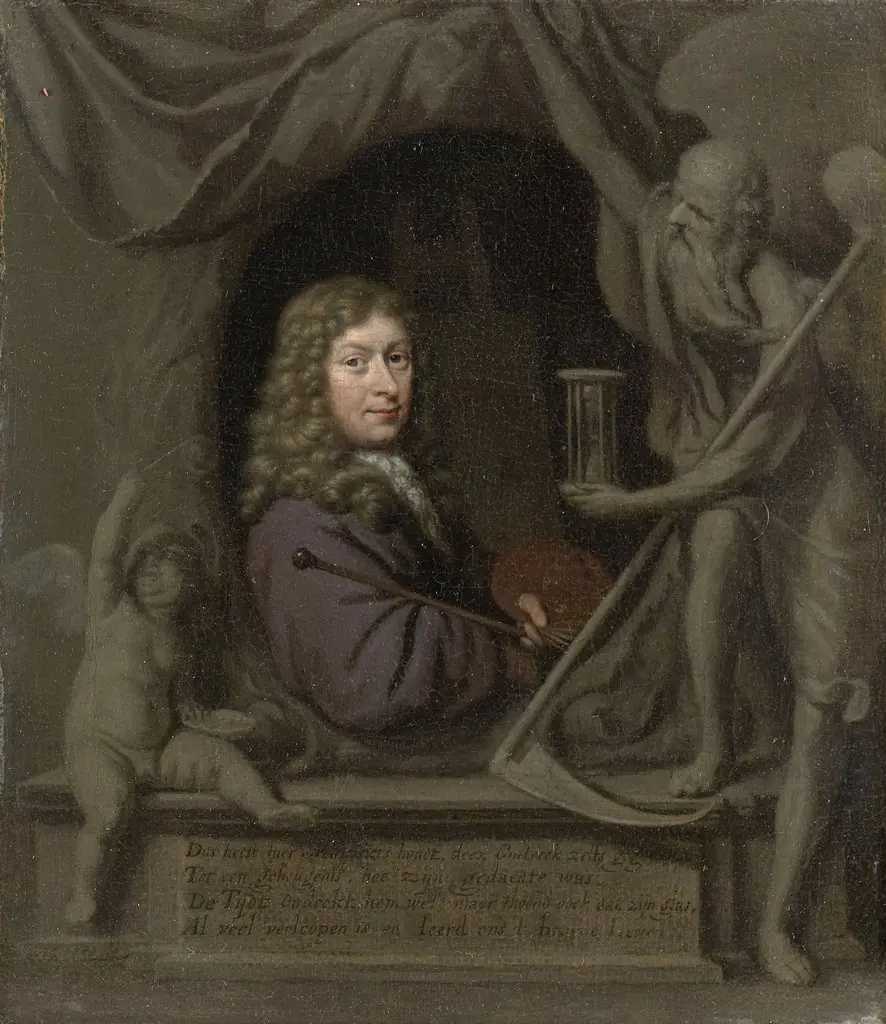 Self portrait
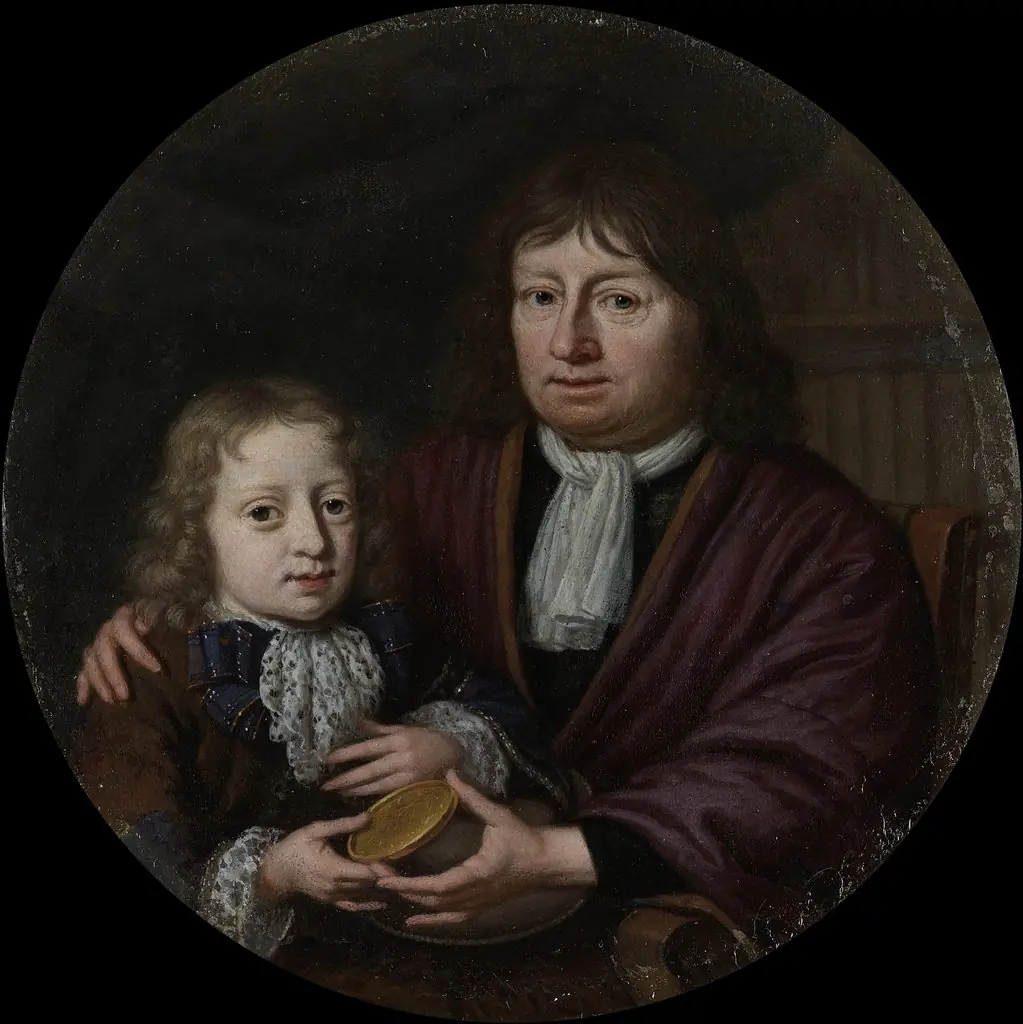 Isaac Pontanus Giving a Gold Medal to his Grandson Hendrik van Beek
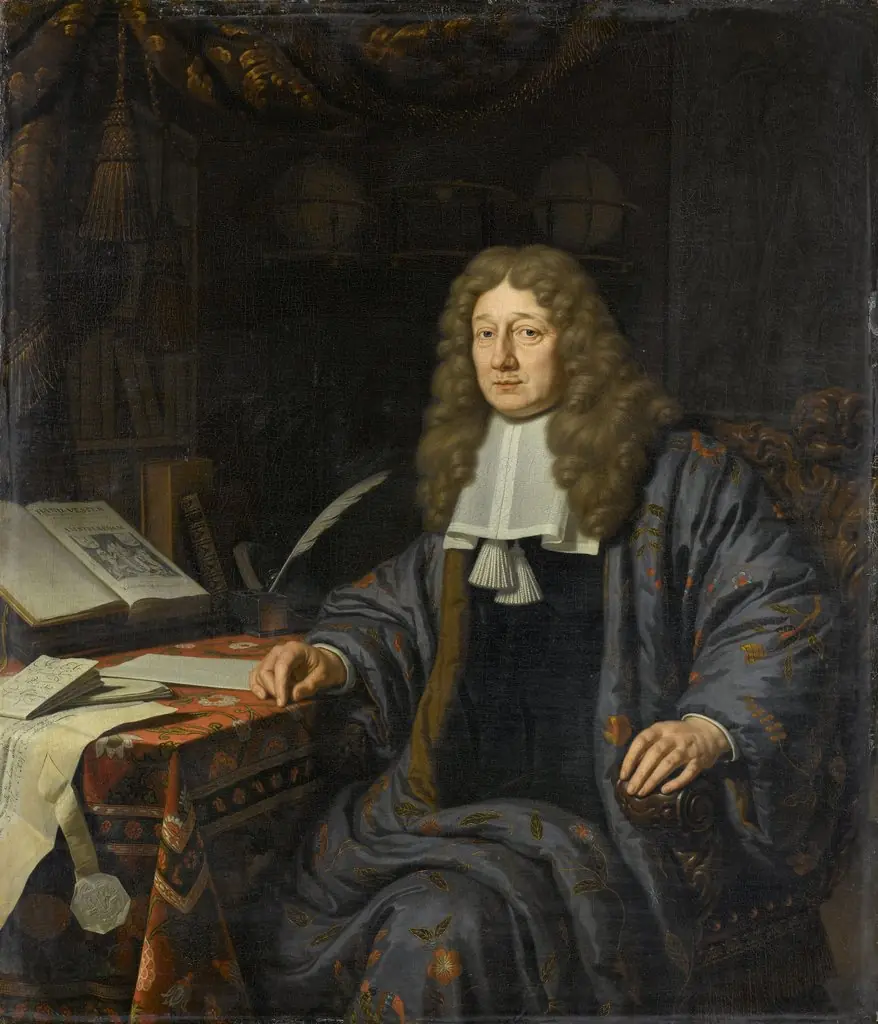 Portrait of Johannes Hudde (1628-1704), burgomaster of Amsterdam
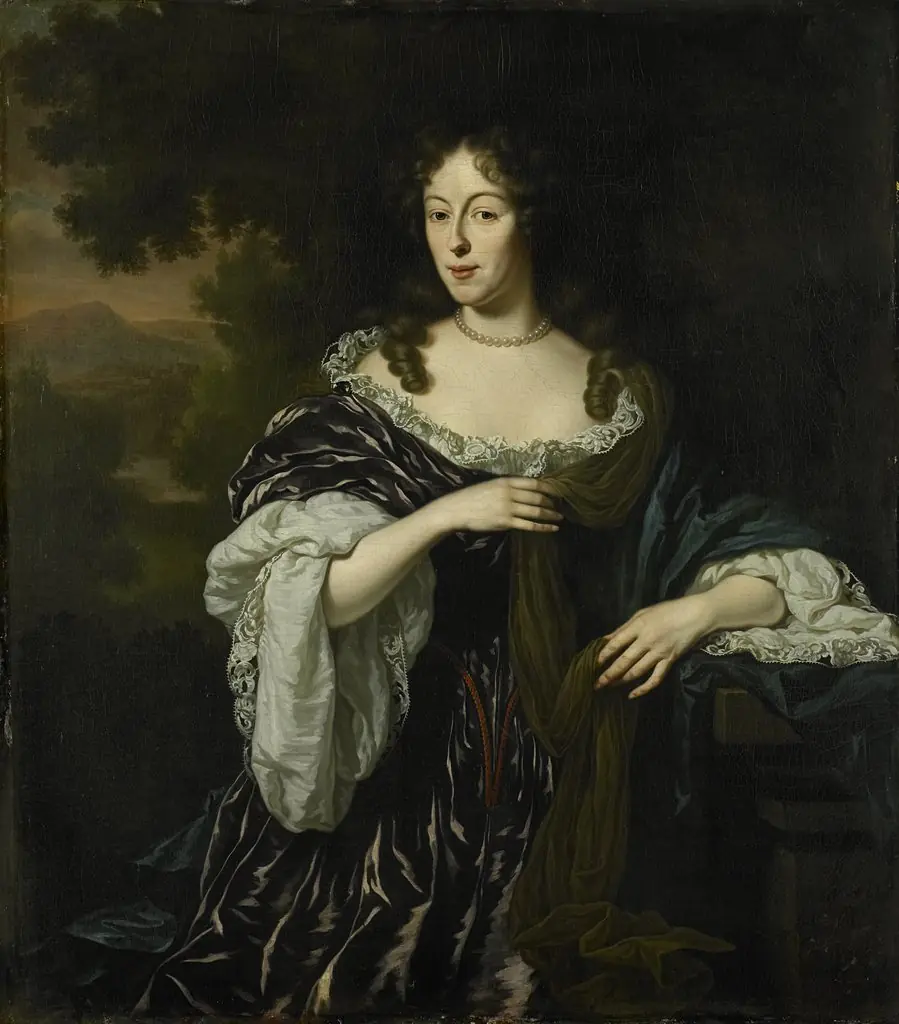 Portrait of Maria Schaep (1658-1725), wife of Hendrick Bicker
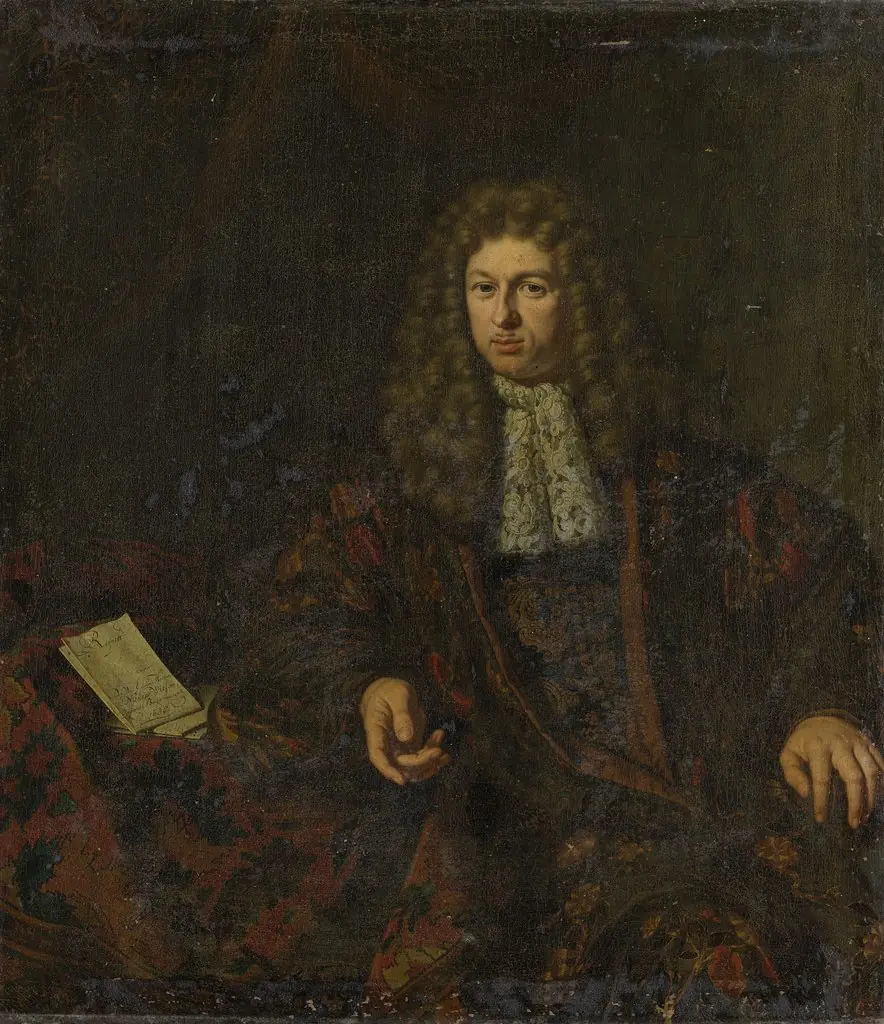 Portret van Nicolaes Witsen (1641-1717)