Artwork
Alegorie
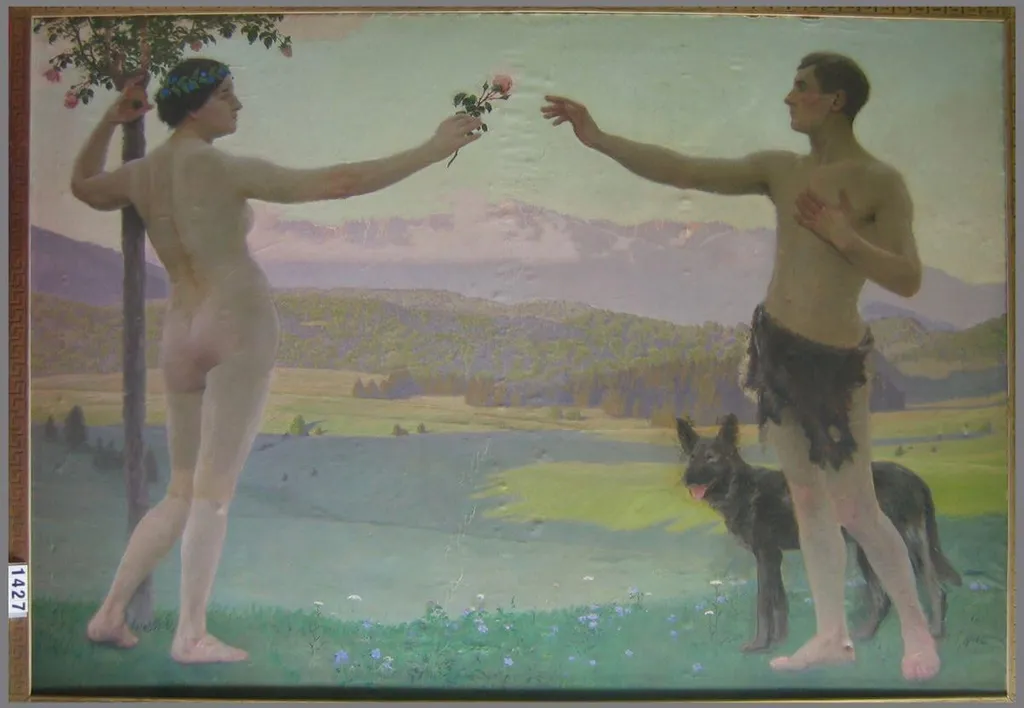
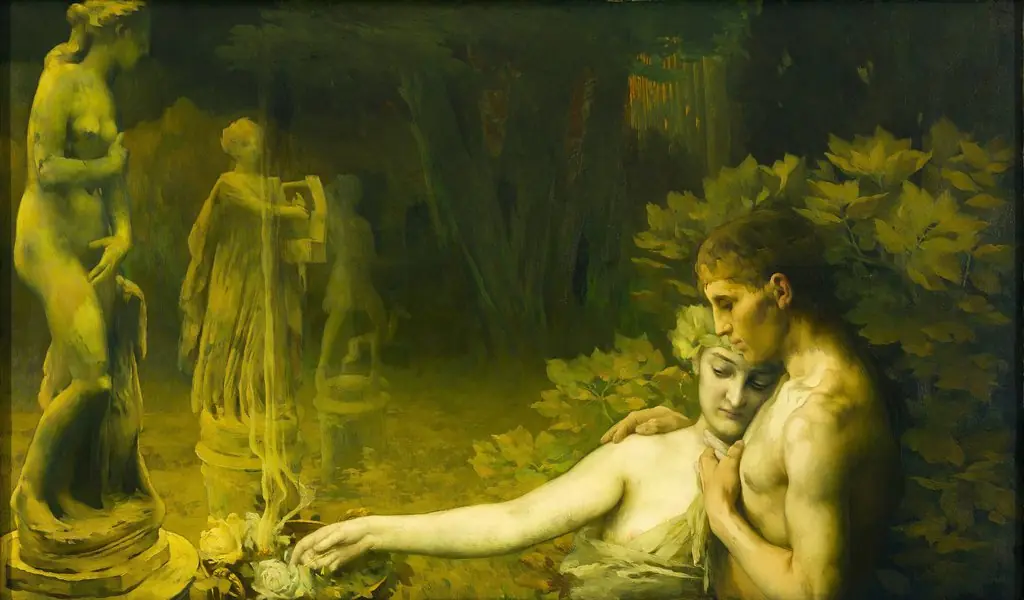
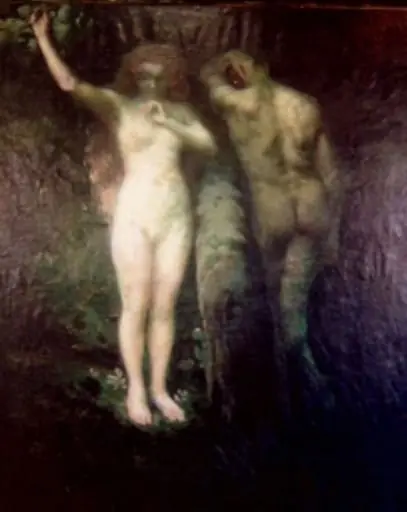
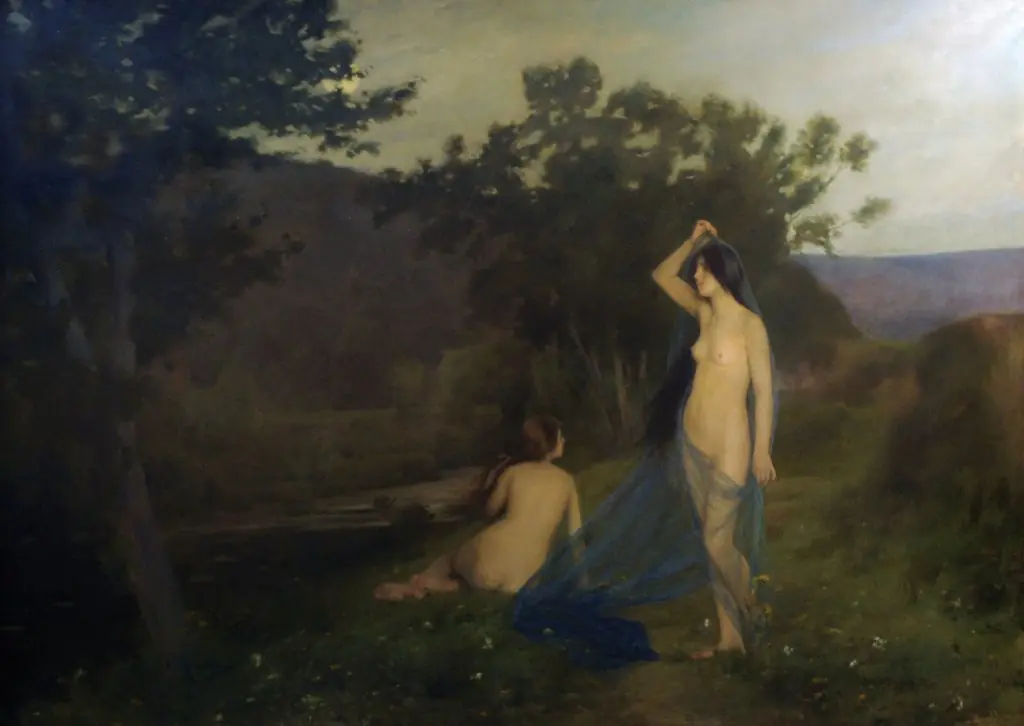
Alegorie is a print by Friedrich Miess. It is held in the collection of the Brukenthal National Museum. This painting presents a quiet, intimate moment between two figures in an open natural setting.
About this work
Overview
The figures are placed centrally, framed by a tranquil landscape of hills and water, reinforcing a sense of stillness and equilibrium.
This painting presents a quiet, intimate moment between two figures in an open natural setting. The composition is restrained, with soft lighting and minimal detail, emphasizing harmony over drama. The figures are placed centrally, framed by a tranquil landscape of hills and water, reinforcing a sense of stillness and equilibrium. The absence of overt narrative cues invites contemplation rather than interpretation.
Subject & Meaning
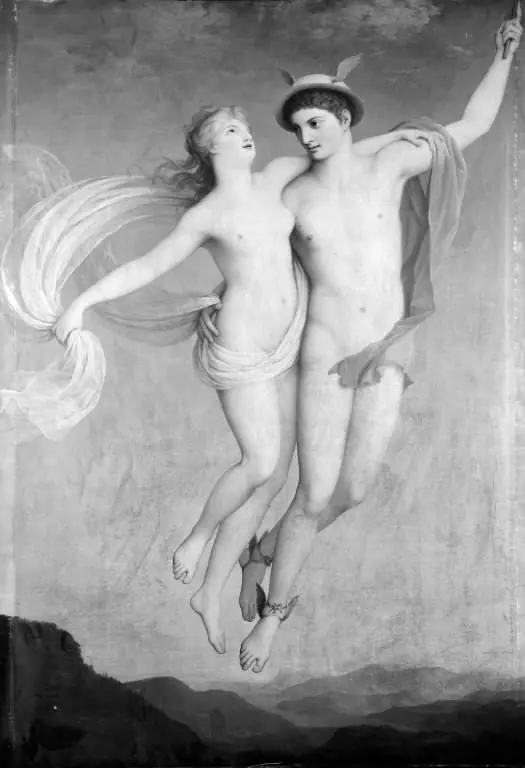
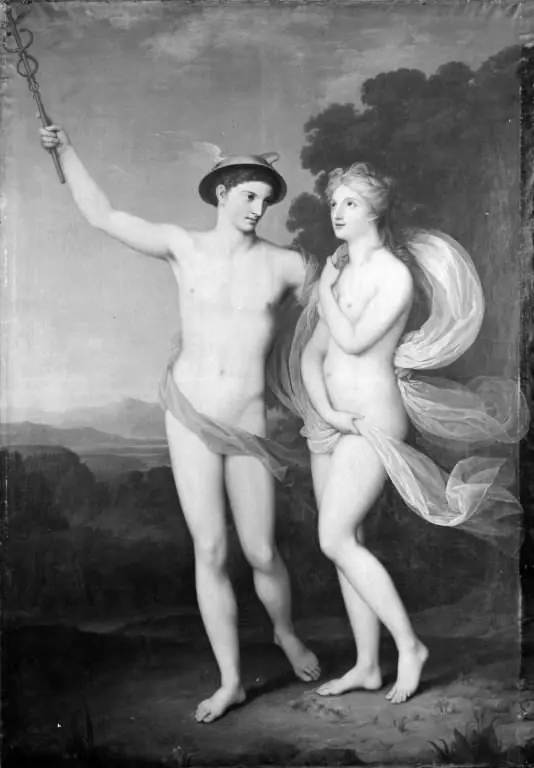
The two figures appear to engage in a gesture of connection—one reaching with a blooming branch, the other touching their chest in a gesture of reflection or receipt. The flower-laden branch may suggest renewal or offering, while the stillness of the scene implies emotional resonance rather than action. The presence of a dog adds a note of quiet companionship, grounding the moment in everyday tenderness.
Technique & Style
The artist employs smooth, flowing brushwork and a muted palette of natural tones to create a serene atmosphere. Light falls gently across the figures’ skin, enhancing form without harsh contrast. Shapes are simplified, avoiding intricate detail, and the overall composition prioritizes balance and rhythm. The effect is one of calm luminosity, achieved through subtle gradations rather than dramatic lighting effects.
History & Provenance
The painting’s origins are undocumented in public records, and no known exhibition history or collector lineage has been established. It is attributed to an anonymous or lesser-known artist working in a tradition that favored quiet, symbolic scenes over grand historical or mythological themes. Its survival suggests it was privately held, possibly as a personal or domestic decoration.
Context
Created during a period when many artists turned toward intimate, nature-centered subjects, this work reflects a broader shift away from theatricality toward introspection. Its emphasis on naturalism and emotional restraint aligns with regional styles that valued harmony and subtlety, particularly in rural or domestic settings where symbolic gestures carried personal, rather than public, significance.
Legacy
Though not widely reproduced or studied, the painting exemplifies a quiet strand of early modern visual culture that valued emotional nuance over spectacle. Its approach to light and form anticipates later developments in tonal painting, though it remains distinct in its avoidance of chiaroscuro’s dramatic contrasts. It endures as a quiet testament to understated human connection in landscape.
Artist & collection
Artist
A Romanian artist working across the late 19th and early 20th centuries, Friedrich Miess made prints and paintings that capture landscapes and portraits of the time.