Artwork
Sleeping Child
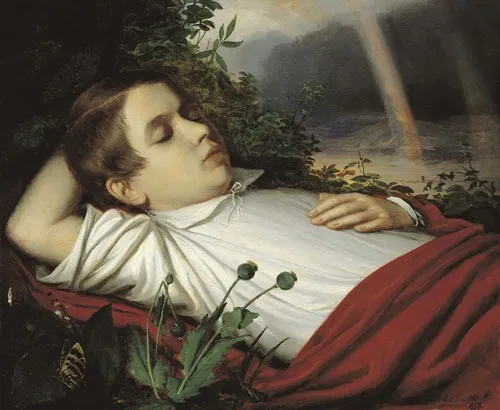
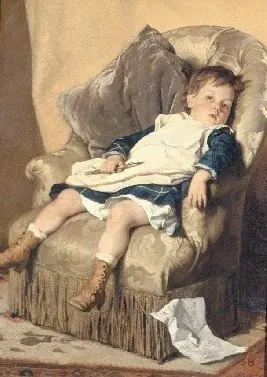
Sleeping Child is an oil painting by the Biedermeier artist Mihály Kovács. It dates from 1850 and is held in the collection of the Hungarian National Gallery.
About this work
Overview
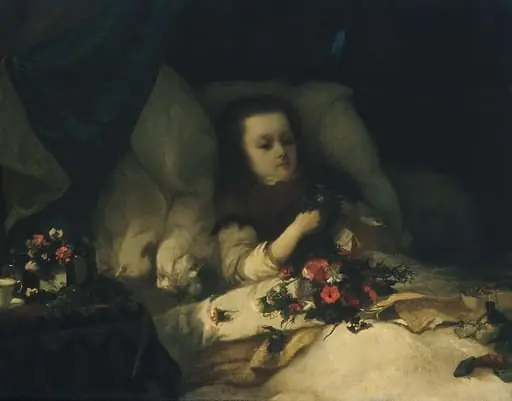
Sleeping Child is an oil painting created by Hungarian artist Mihály Kovács around 1850. It depicts a serene domestic scene of a child in slumber.
Subject & Meaning
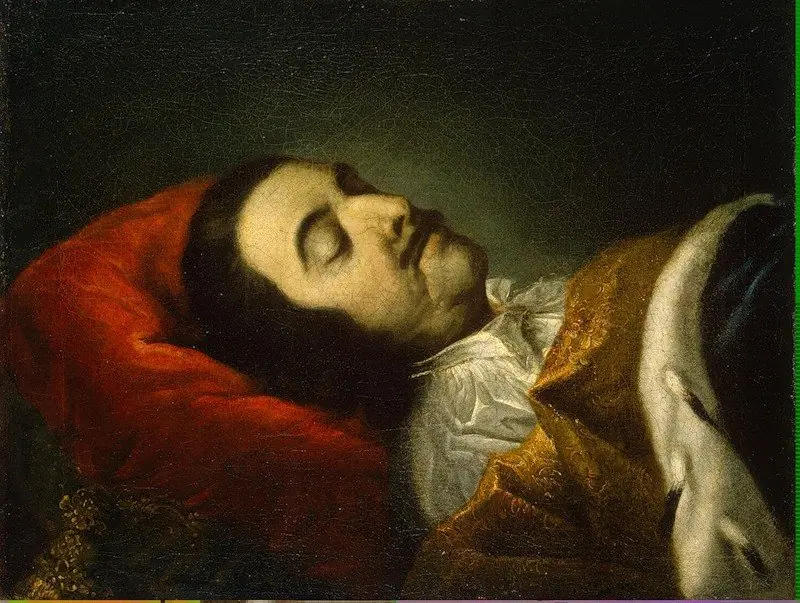
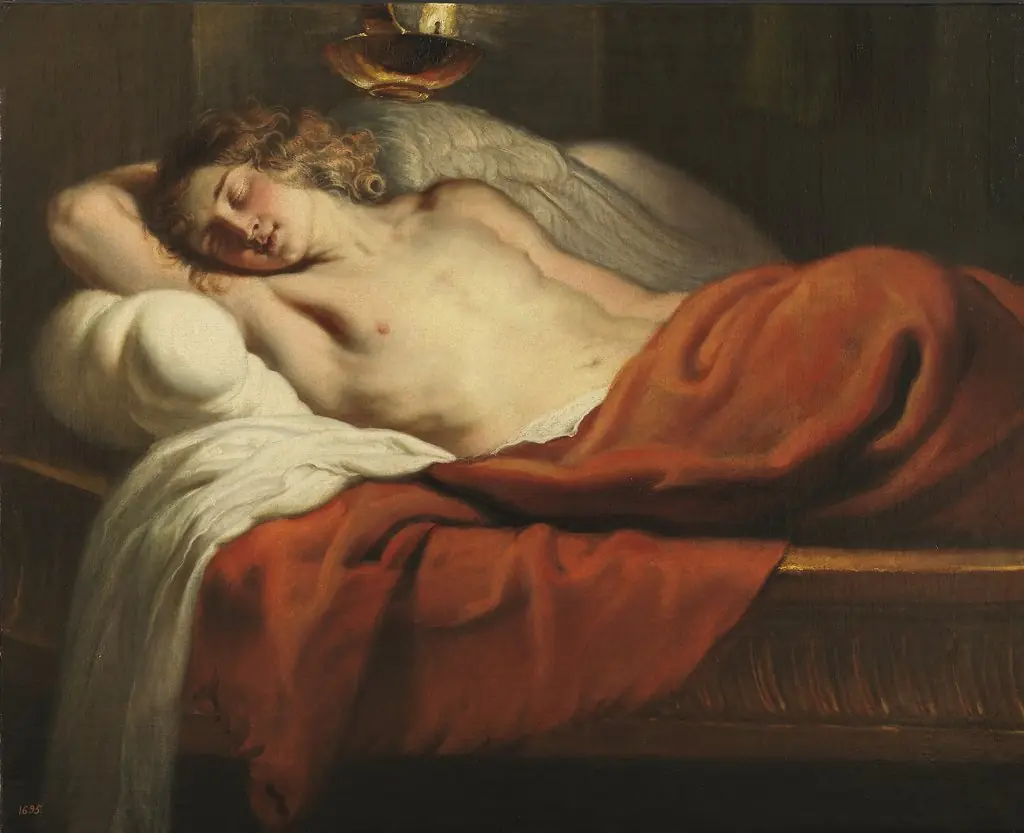
The painting focuses on a child lying on their back, asleep, dressed in a white shirt with a red cloth draped over them. The composition conveys a sense of peaceful intimacy, characteristic of the Biedermeier movement's emphasis on quiet, everyday life.
Technique & Style
Executed in oil paint, the work features a dark background with subtle hints of greenery, contrasting with the child's attire to create a warm, comforting atmosphere. The Biedermeier style is evident in its attention to domestic detail and subdued color palette.
History & Provenance
Mihály Kovács, active in 19th-century Hungary, painted *Sleeping Child* during the height of the Biedermeier period. The piece is now part of the Hungarian National Gallery's collection.
Context
The Biedermeier movement, popular in Central Europe during the mid-19th century, influenced the painting's theme of intimate family life. Such works reflected a societal shift towards valuing domestic tranquility.
Artist & collection
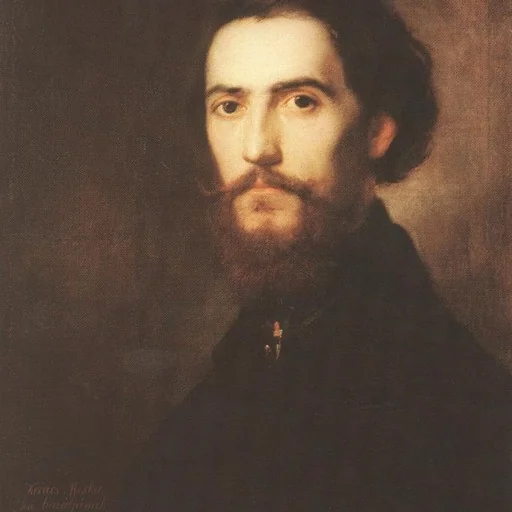
Artist
Mihály Kovács (18 July 1818 – 3 August 1892) was a Hungarian painter. Kovács was born in Abádszalók and died in Budapest. Several of his paintings can be found in the Hungarian National Gallery, including the Palatine…