Artwork
The Battlefield of Isaszeg
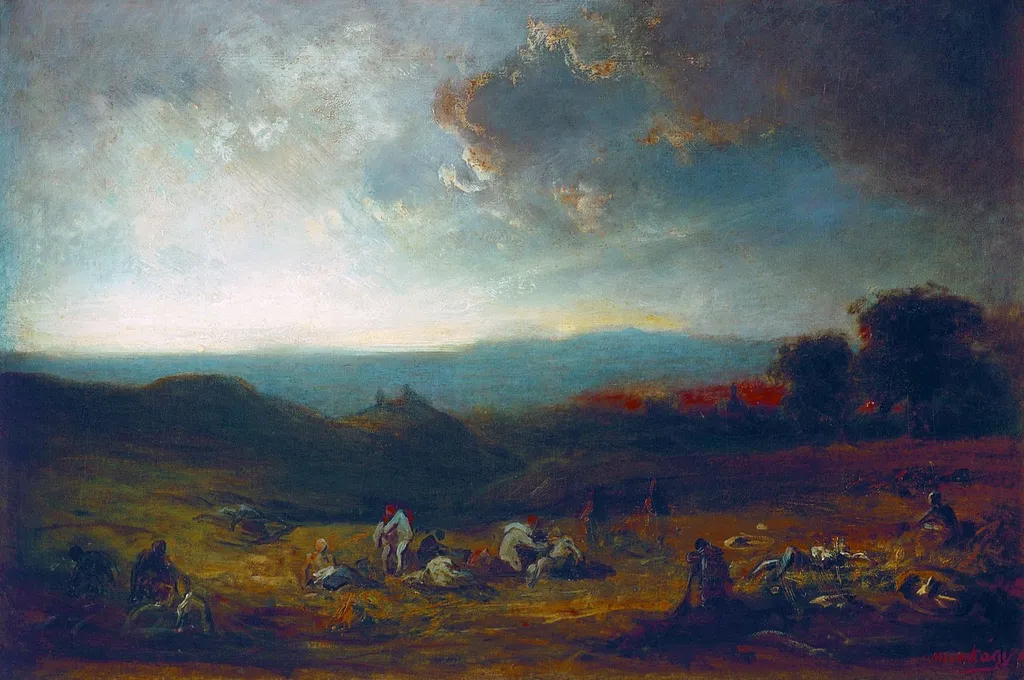
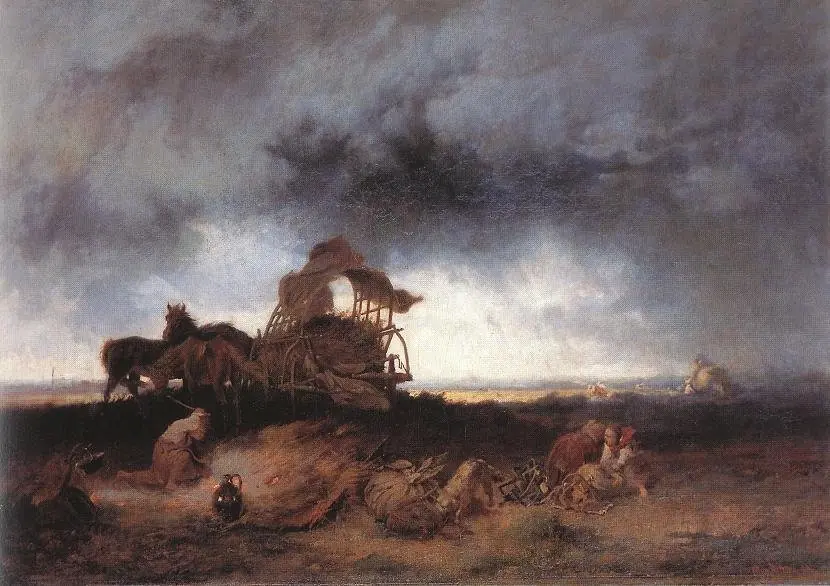
The Battlefield of Isaszeg is an oil painting by the Realist artist Mihály Munkácsy. It dates from 1867 and is held in the collection of the Hungarian National Gallery.
About this work
Overview
It reflects the artist’s engagement with realist principles, focusing on human experience rather than heroic idealization.
Painted in 1867 by Hungarian artist Mihály Munkácsy, *The Battlefield of Isaszeg* is an oil-on-canvas work that captures a moment of aftermath following a battle. It reflects the artist’s engagement with realist principles, focusing on human experience rather than heroic idealization. The painting is part of the permanent collection of the Hungarian National Gallery, where it stands as one of several historical scenes Munkácsy produced during his early career.
Subject & Meaning
The scene portrays civilians and soldiers scattered across a quiet battlefield, some lying still, others standing in grief or exhaustion. Dressed in muted whites and dark tones, they embody the human cost of conflict rather than military triumph. The absence of active combat shifts focus to the emotional weight of survival and loss, aligning the work with 19th-century realism’s interest in everyday suffering and social truth.
Technique & Style
Munkácsy employed bold, textured brushwork to convey the roughness of the terrain and the weight of the figures. His palette is restrained, dominated by earth tones and overcast grays, enhancing the somber mood. Atmospheric perspective is used to recede the landscape into a hazy horizon, guiding the viewer’s gaze from the intimate foreground to the distant hills, reinforcing the scale of loss against the indifferent natural world.
History & Provenance
Completed shortly after the Austro-Hungarian Compromise of 1867, the painting was acquired by the Hungarian National Gallery in the late 19th century. It reflects a period when Hungarian artists sought to define national identity through depictions of historical events. Though not commissioned for public display, its acquisition by the state signaled its recognition as a significant cultural artifact of the era.
Context
The Battle of Isaszeg in 1849 was part of the Hungarian Revolution against Habsburg rule. By the 1860s, public memory of the conflict was being reexamined amid political reconciliation. Munkácsy’s depiction avoids glorification, instead emphasizing civilian trauma—a departure from traditional war imagery. This approach mirrored broader European trends in realism, where art turned toward unvarnished social observation.
Legacy
Though less known than Munkácsy’s biblical or peasant scenes, *The Battlefield of Isaszeg* remains a key example of his early realist phase. It influenced later Hungarian painters who turned to historical subjects with psychological depth. The painting’s quiet intensity contributed to a national visual language that prioritized emotional authenticity over spectacle, shaping how Hungary’s turbulent past was represented in art.
Artist & collection
Artist
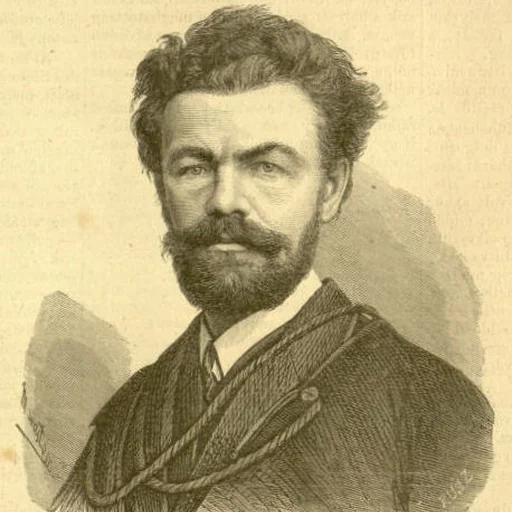
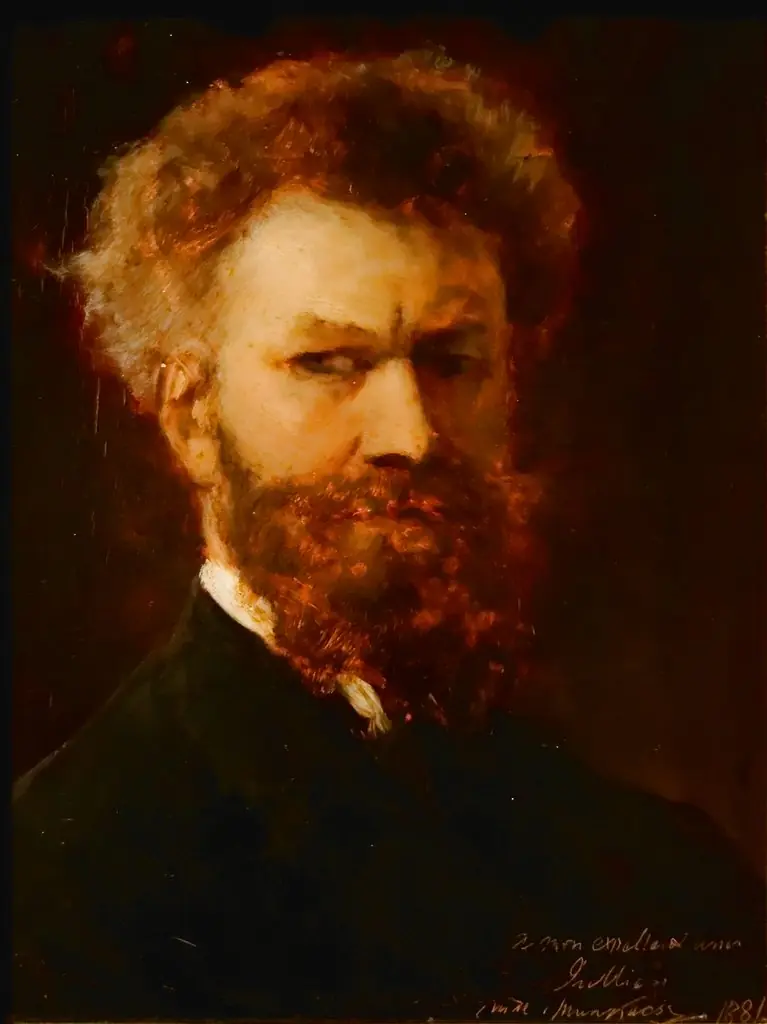
Mihály Munkácsy (Hungarian pronunciation: ; 20 February 1844 – 1 May 1900) was a Hungarian painter. He earned international reputation with his genre pictures and large-scale biblical paintings.

 Path in a Forest
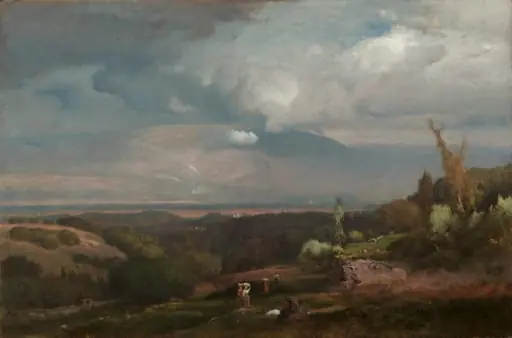 Approaching Storm from the Alban Hills
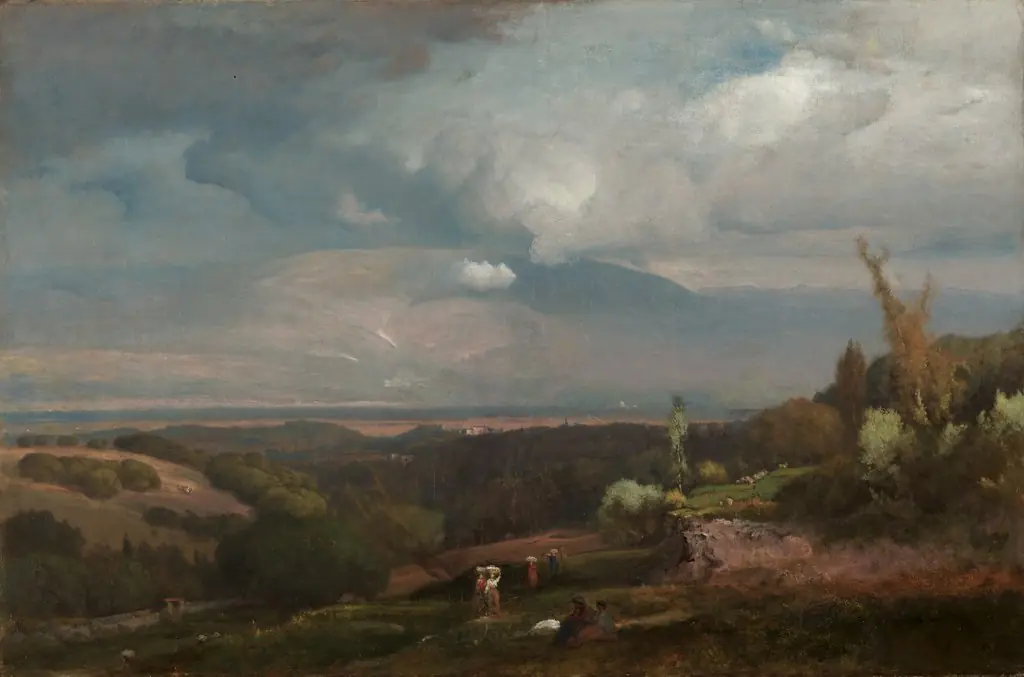 Approaching Storm from the Alban Hills
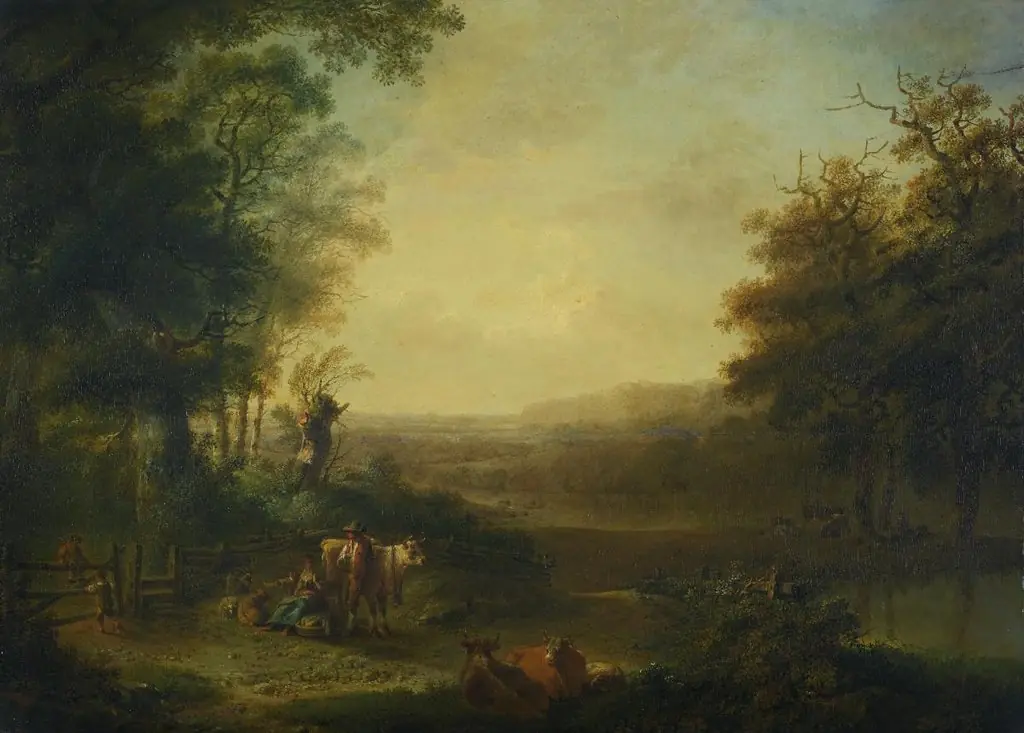 Abendlandschaft
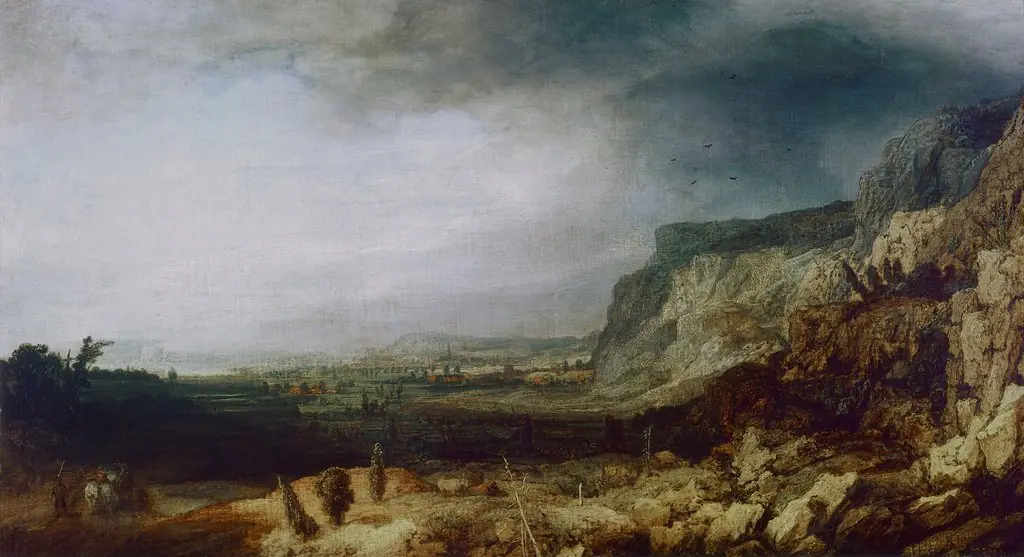 Rocky landscape
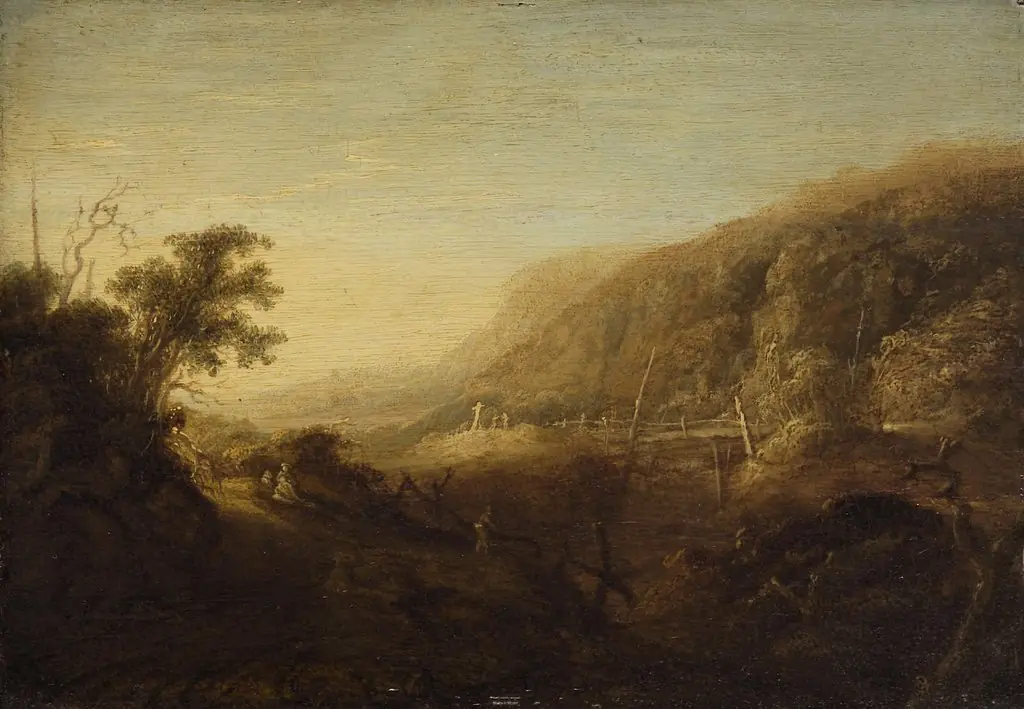 Abendliche Berglandschaft
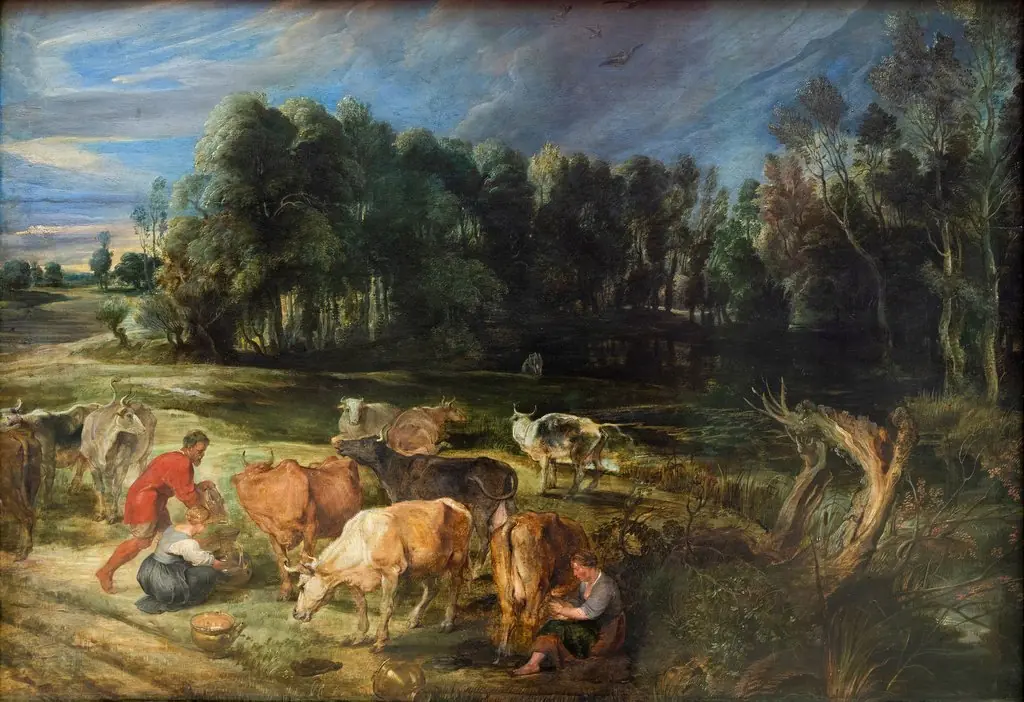 Landscape with Cattle
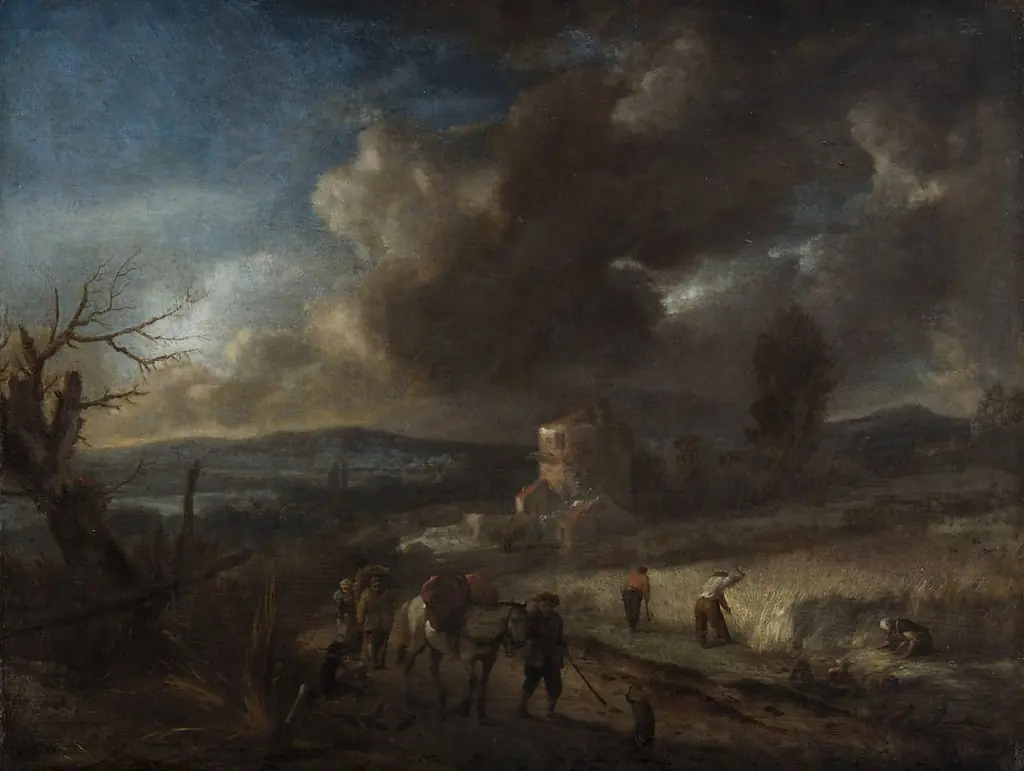 Landscape with Harvesters
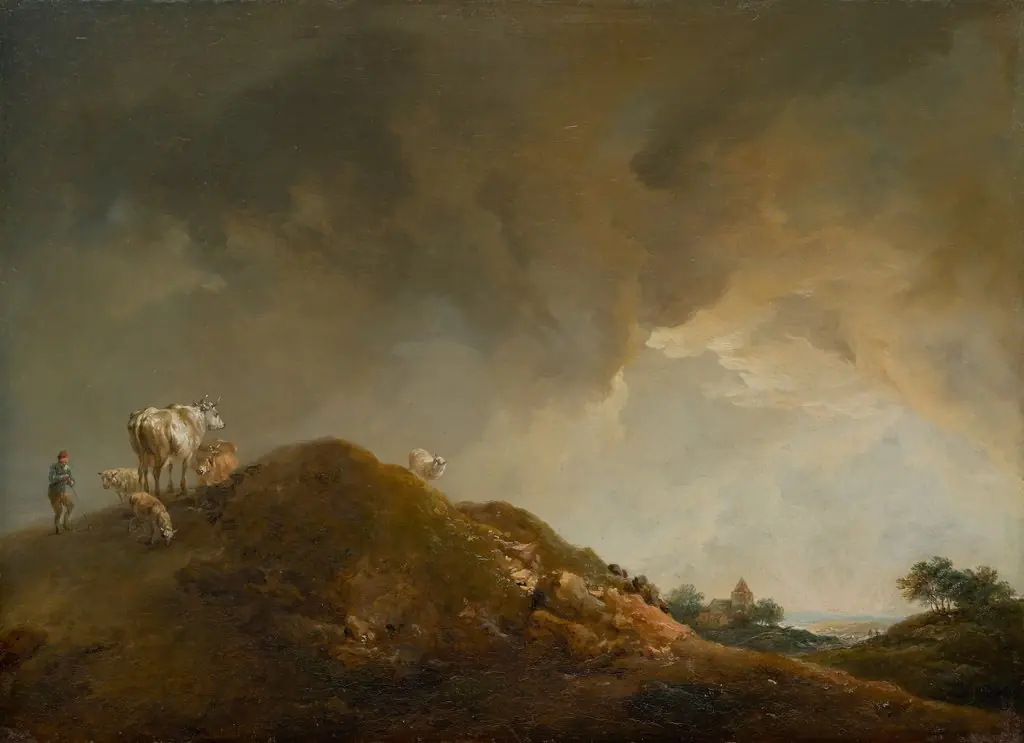 Rolling landscape with cows and sheep
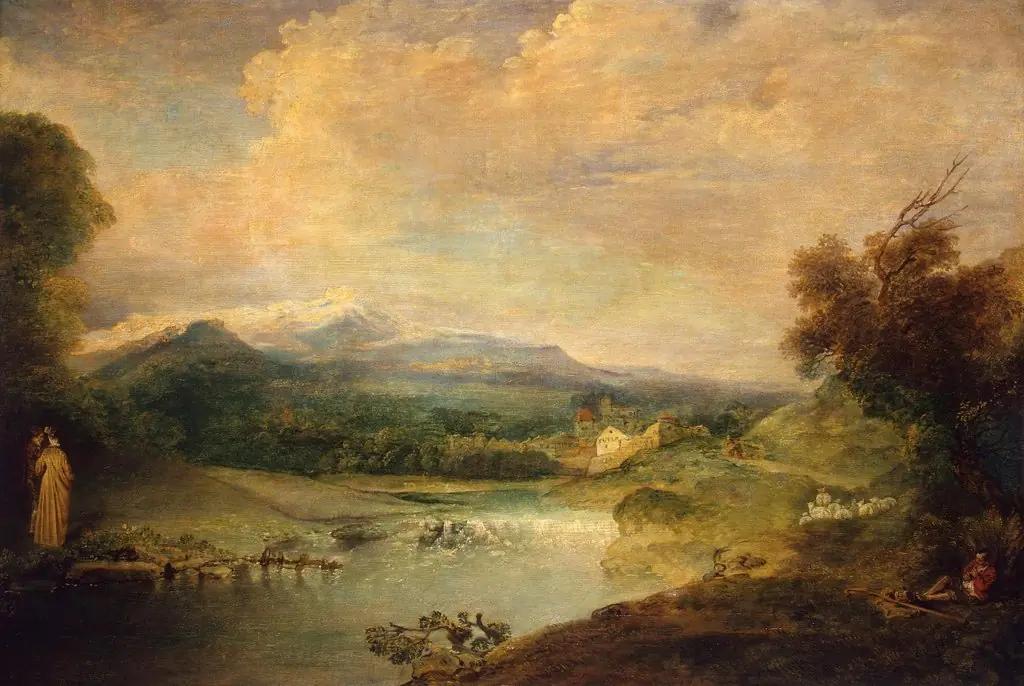 Landscape
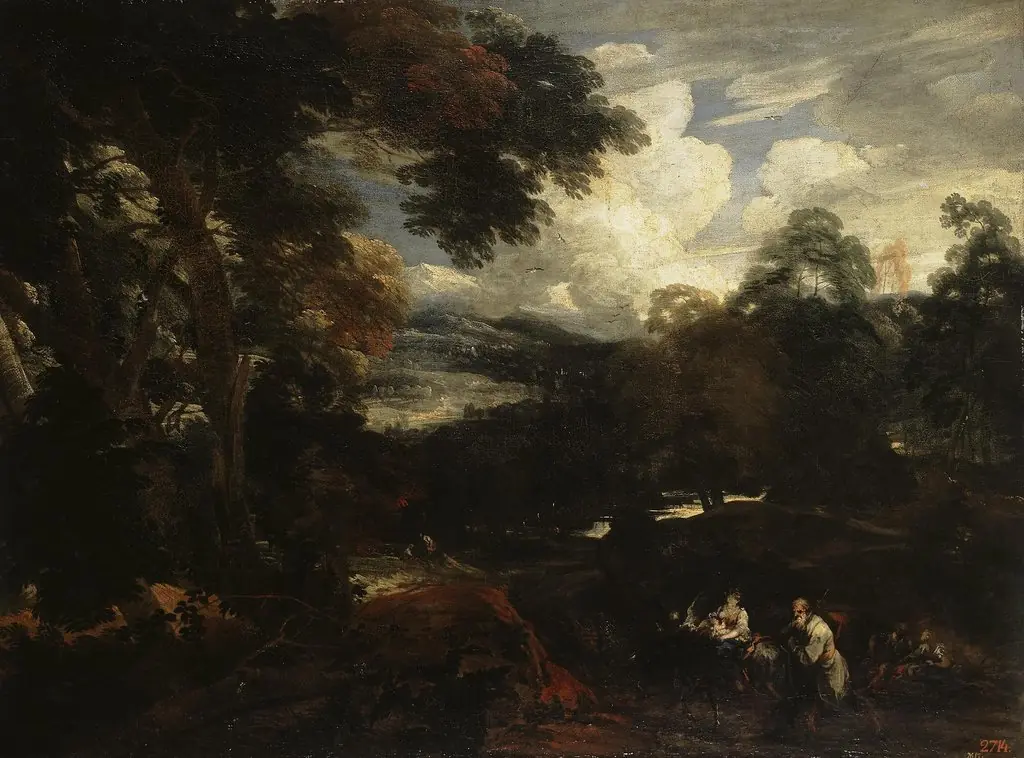 Landscape with Flight into Egypt
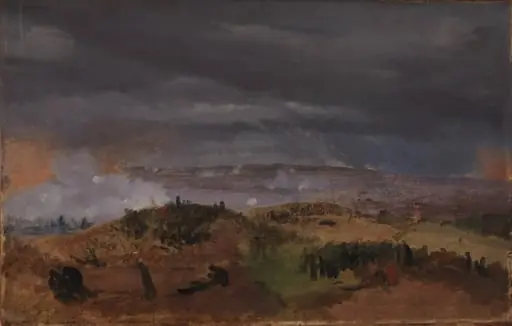 The Battle of Isted 25 July 1850. Study