Artwork
Storm at the Puszta
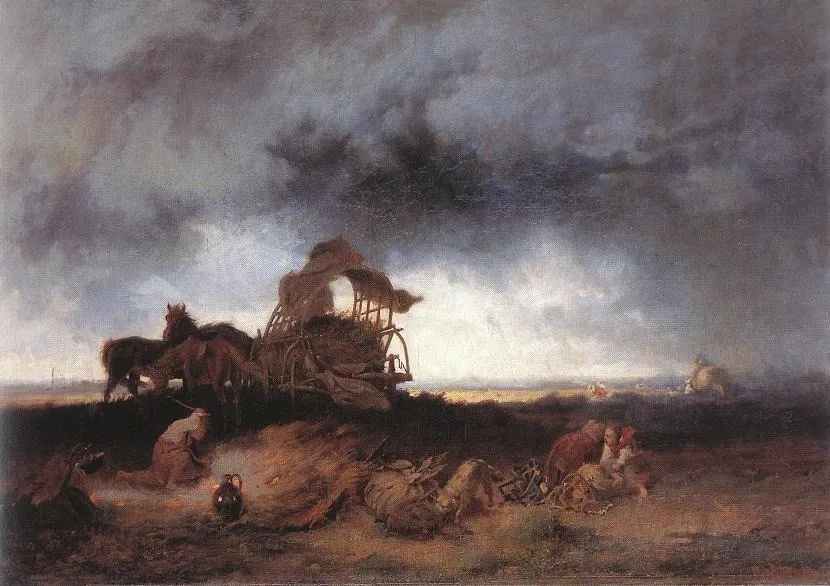
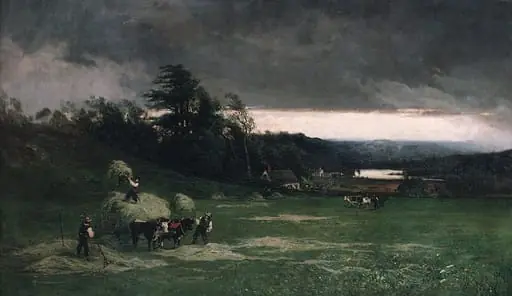
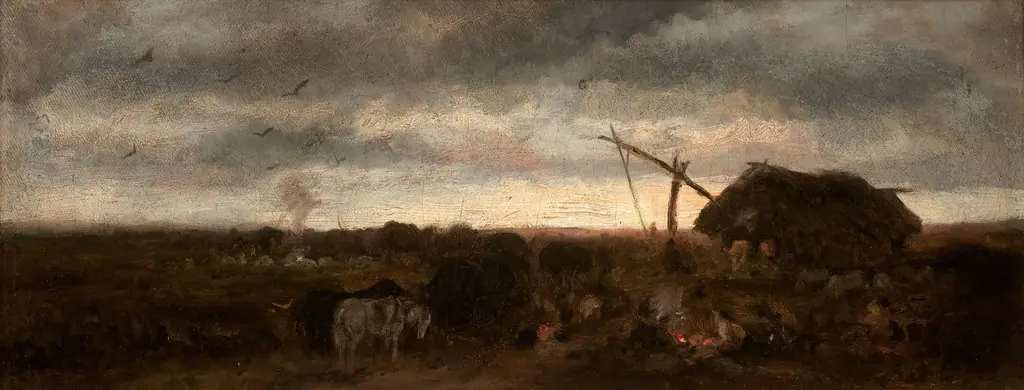
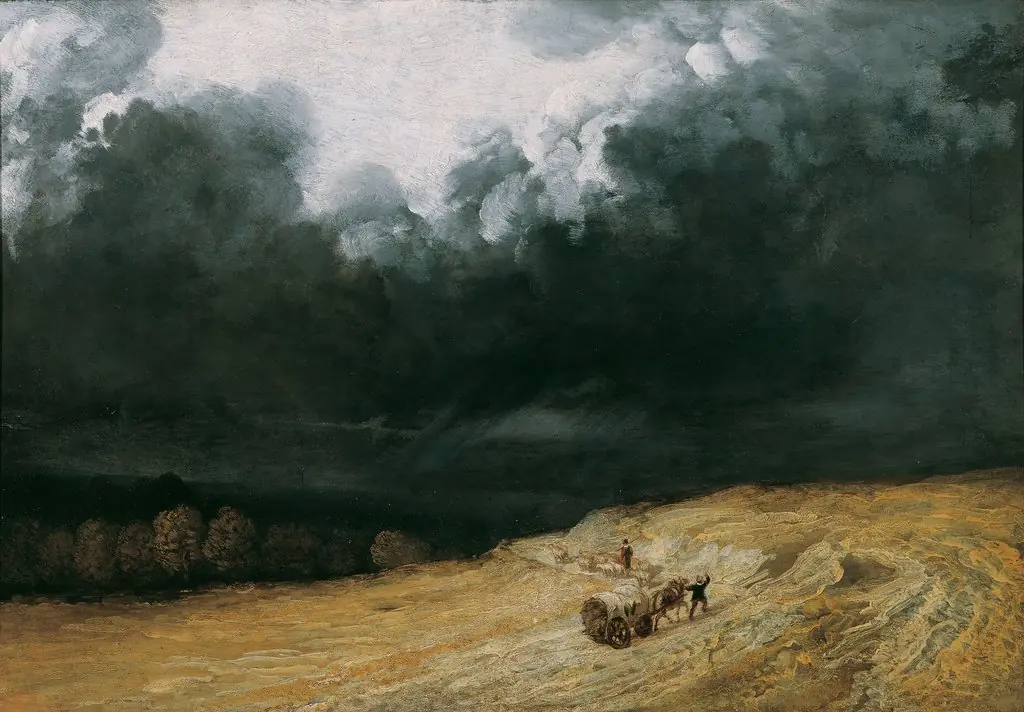
Storm at the Puszta is an oil painting by the Realist artist Mihály Munkácsy. It dates from 1867 and is held in the collection of the Hungarian National Gallery.
About this work
Overview
The scene centers on a wagon struggling against a sudden tempest, rendered with emotional intensity and attention to environmental detail.
Painted in 1867 by Hungarian artist Mihály Munkácsy, *Storm at the Puszta* is an oil-on-canvas work that captures a moment of natural force on the Hungarian plains. It belongs to the realist tradition, focusing on everyday life under extreme conditions. The scene centers on a wagon struggling against a sudden tempest, rendered with emotional intensity and attention to environmental detail. The painting is part of the Hungarian National Gallery’s permanent collection.
Subject & Meaning
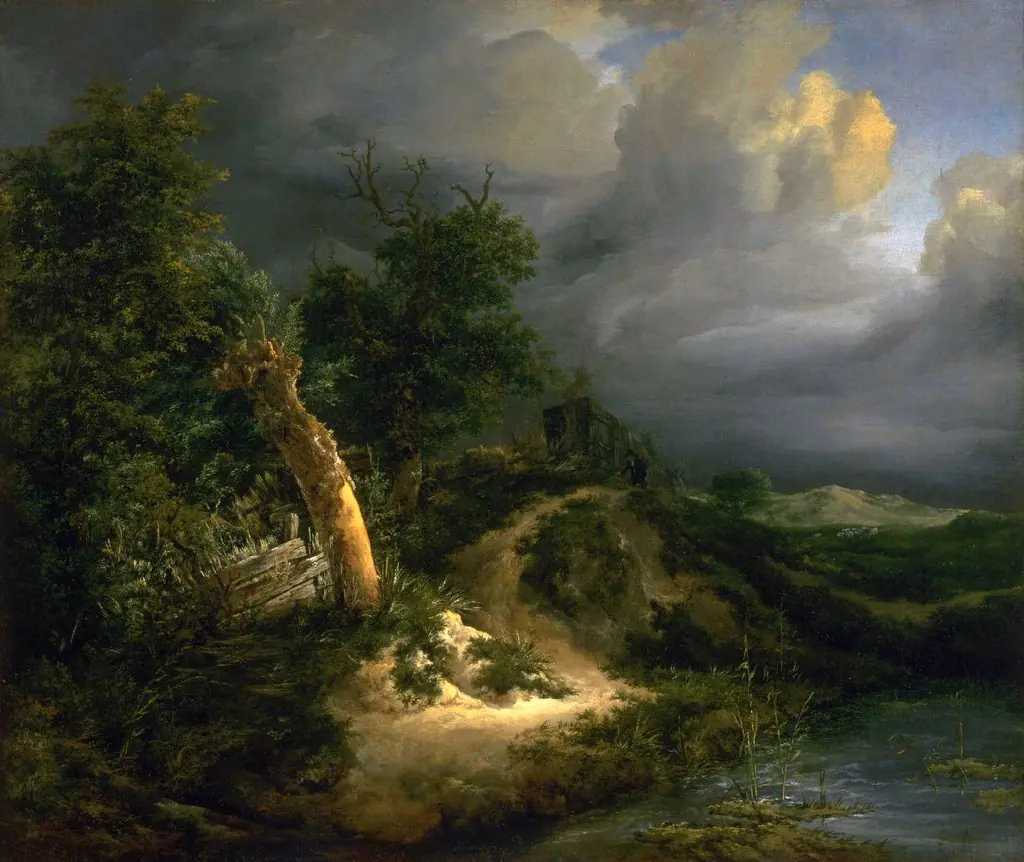
The painting portrays a wagon, drawn by two horses, caught in a violent windstorm on the open steppe. A lone figure struggles to control the reins, embodying human vulnerability against nature’s unpredictability. The Puszta, a vast grassland, symbolizes both the beauty and harshness of the Hungarian landscape. Rather than idealizing rural life, Munkácsy presents it as a site of endurance and struggle, grounded in observable reality.
Technique & Style
Munkácsy employs bold, dynamic brushwork to convey the turbulence of the storm. Chiaroscuro contrasts deep shadows with sudden flashes of lightning, heightening spatial depth and emotional tension. The palette is muted except for brief, sharp highlights that cut through the gloom. The composition directs the viewer’s eye along the diagonal of the wagon’s motion, reinforcing the sense of chaotic movement and imminent danger.
History & Provenance
Completed in 1867, the painting emerged during a period of national cultural revival in Hungary. It was acquired early by state institutions and has remained in public ownership since. Unlike Munkácsy’s later biblical subjects, this work reflects his early commitment to realism and local themes. Its continuous presence in the Hungarian National Gallery underscores its significance as a national artistic document.
Context
In the mid-19th century, Hungarian artists increasingly turned to native landscapes and peasant life as subjects, rejecting foreign academic conventions. *Storm at the Puszta* aligns with this shift, capturing the elemental forces shaping rural existence. The painting resonates with broader European realist trends but is rooted in the specific geography and cultural identity of the Hungarian plains.
Legacy
Though less known internationally than Munkácsy’s religious paintings, *Storm at the Puszta* remains a key example of Hungarian realism. It influenced later generations of artists who sought to depict the nation’s environment with emotional honesty. Its enduring display in the Hungarian National Gallery affirms its role as a touchstone for national artistic identity and the power of natural forces in human experience.
Artist & collection
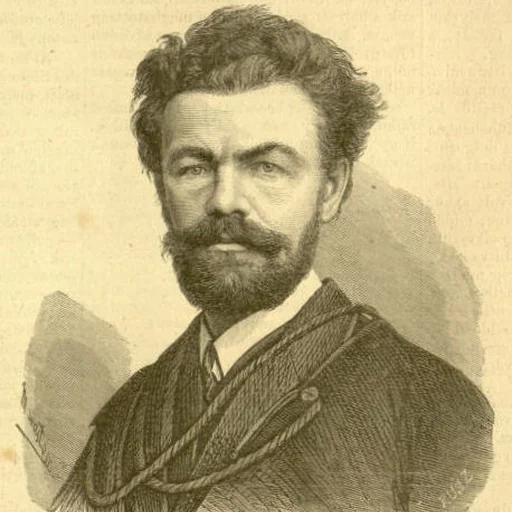
Artist
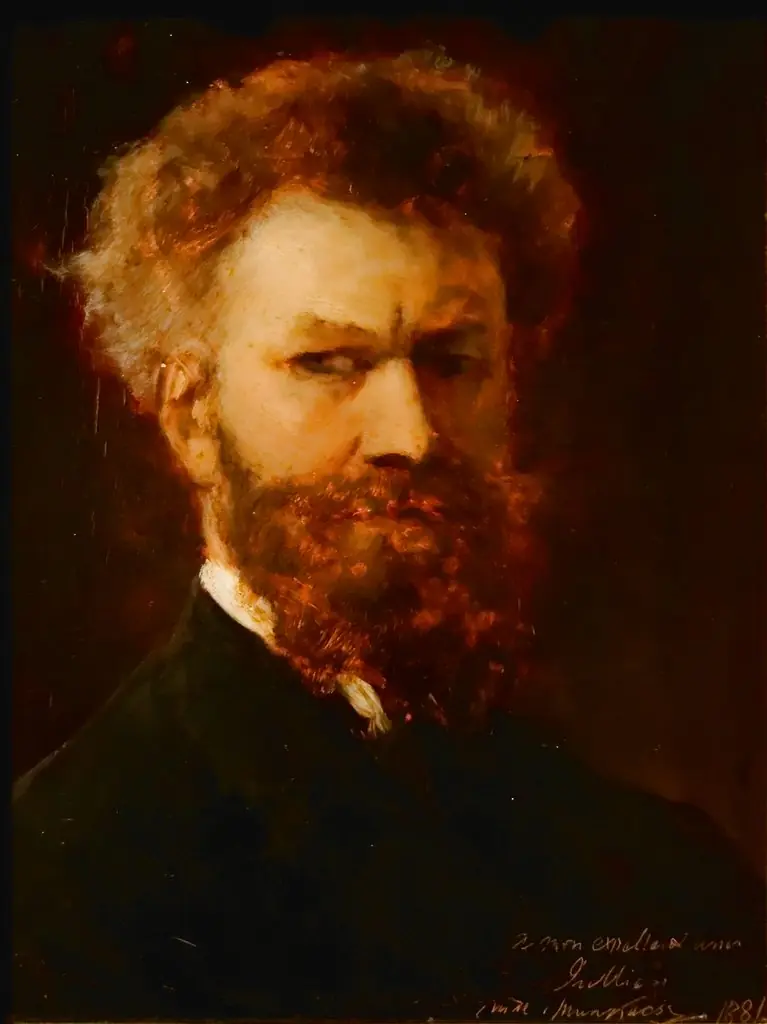
Mihály Munkácsy (Hungarian pronunciation: ; 20 February 1844 – 1 May 1900) was a Hungarian painter. He earned international reputation with his genre pictures and large-scale biblical paintings.