Artwork
Autoportret
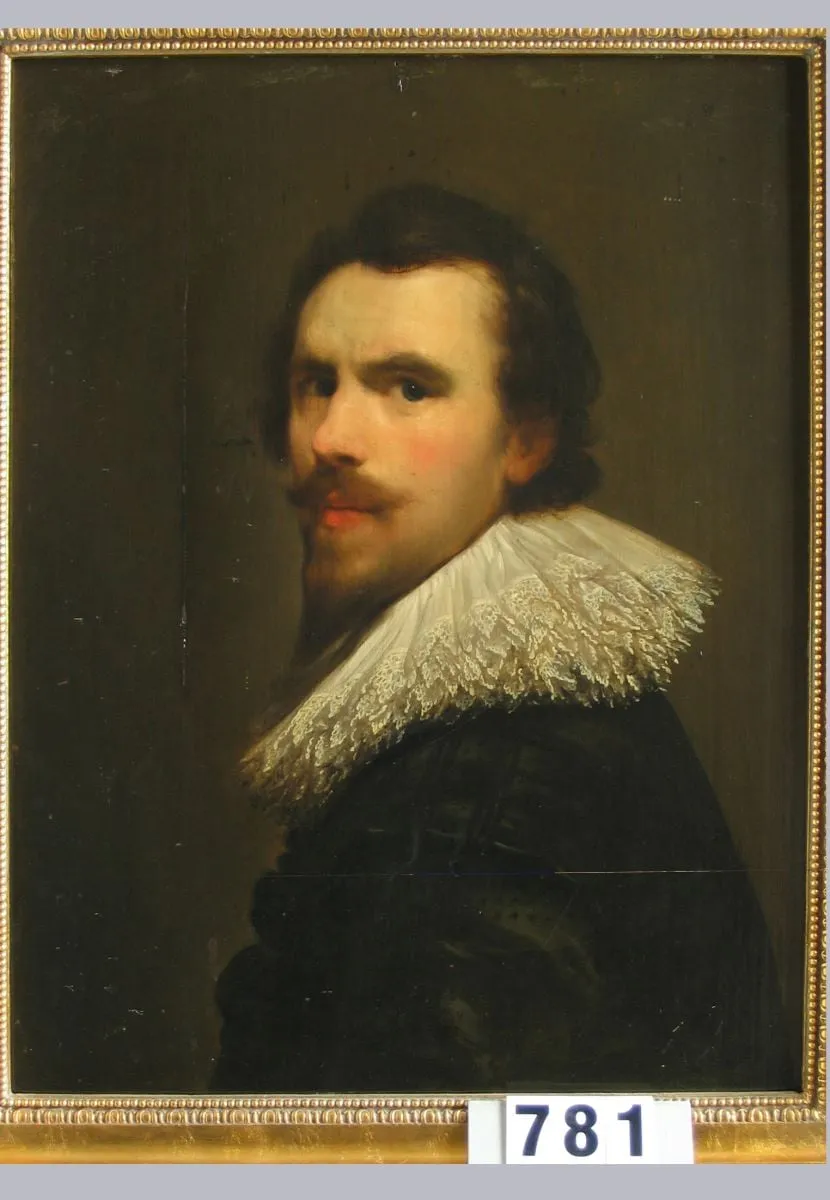
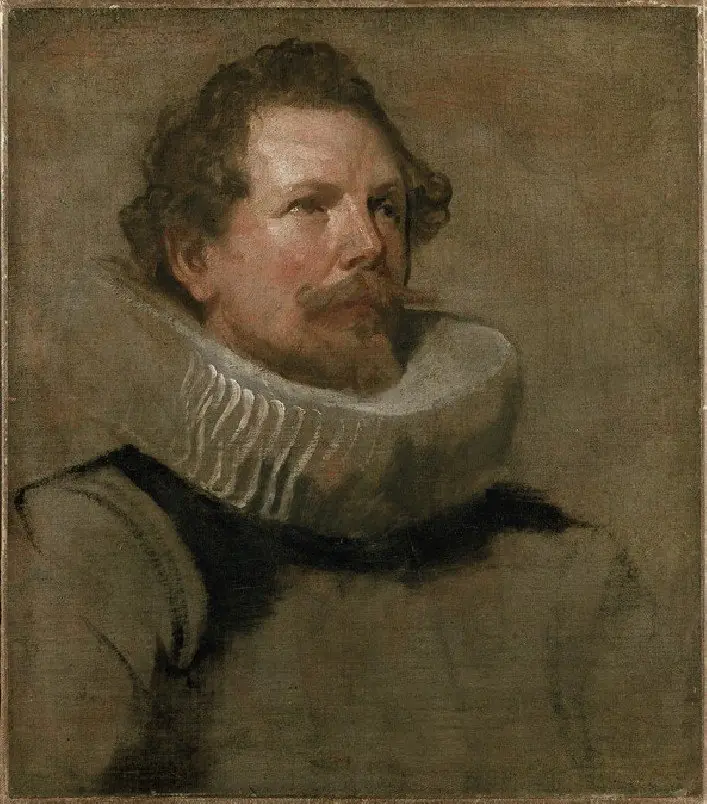
Autoportret is an unspecified painting by the Baroque artist Daniël Mijtens cel Bătrân. It is held in the collection of the Brukenthal National Museum. This self-portrait depicts the artist facing the viewer with a composed, introspective gaze.
About this work
Overview
Dressed in a dark jacket and high white collar adorned with lace, the figure is rendered with careful attention to facial structure and texture.
This self-portrait depicts the artist facing the viewer with a composed, introspective gaze. Dressed in a dark jacket and high white collar adorned with lace, the figure is rendered with careful attention to facial structure and texture. The composition emphasizes a strong interplay between light and shadow, directing focus to the face and creating a sense of three-dimensionality through controlled contrast.
Subject & Meaning
The subject is the artist himself, presenting a sober and unadorned image of his own identity. The absence of symbolic objects or elaborate background suggests an intention to convey personal presence rather than status or narrative. The serious expression and direct gaze imply a quiet self-examination, typical of introspective portraiture in the period.
Technique & Style
The artist employs chiaroscuro to model the face and form, using deep shadows on one side to heighten the volume of the features. The high collar’s lace is rendered with fine detail, contrasting with the broad, dark tones of the jacket. This method, rooted in Renaissance practices, enhances realism by simulating natural light falling across a solid form.
History & Provenance
The work’s origins are tied to a period when artists increasingly turned to self-representation as a means of asserting professional identity. Though specific ownership records are not provided, the style aligns with Northern European portraiture of the late 16th or early 17th century, where such intimate, light-focused depictions were common among painters documenting their own likenesses.
Context
During this era, self-portraits served not only as personal records but also as demonstrations of technical skill. Artists used them to showcase mastery of rendering flesh, fabric, and light. The restrained palette and focus on facial expression reflect broader trends in portraiture that valued psychological presence over ornamental display.
Legacy
This portrait contributes to a tradition of artist self-representation that influenced later generations in their approach to identity and realism. Its use of chiaroscuro aligns with broader developments in European painting, where lighting became a tool for emotional and spatial depth. The work remains a quiet example of how personal observation shaped artistic practice.
Artist & collection
Artist
A round-faced Dutchman in a ruffled collar liked to paint himself squinting at his own reflection—brush poised, hand twitchy.

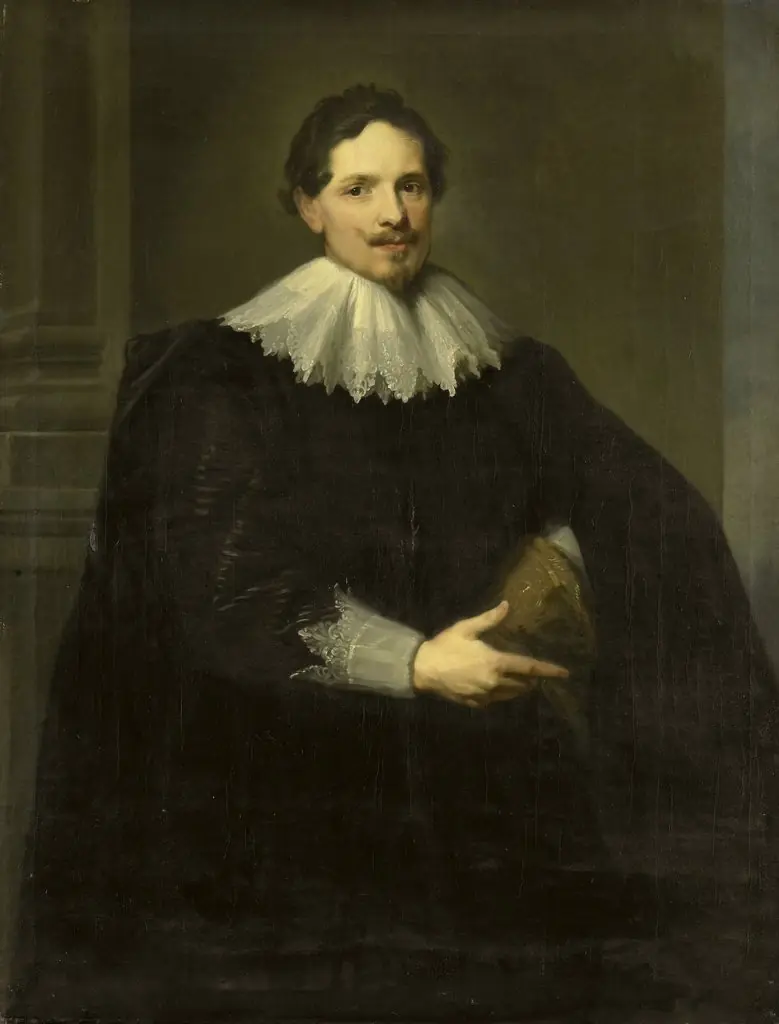 Sebastiaan Leerse, Antwerp Merchant
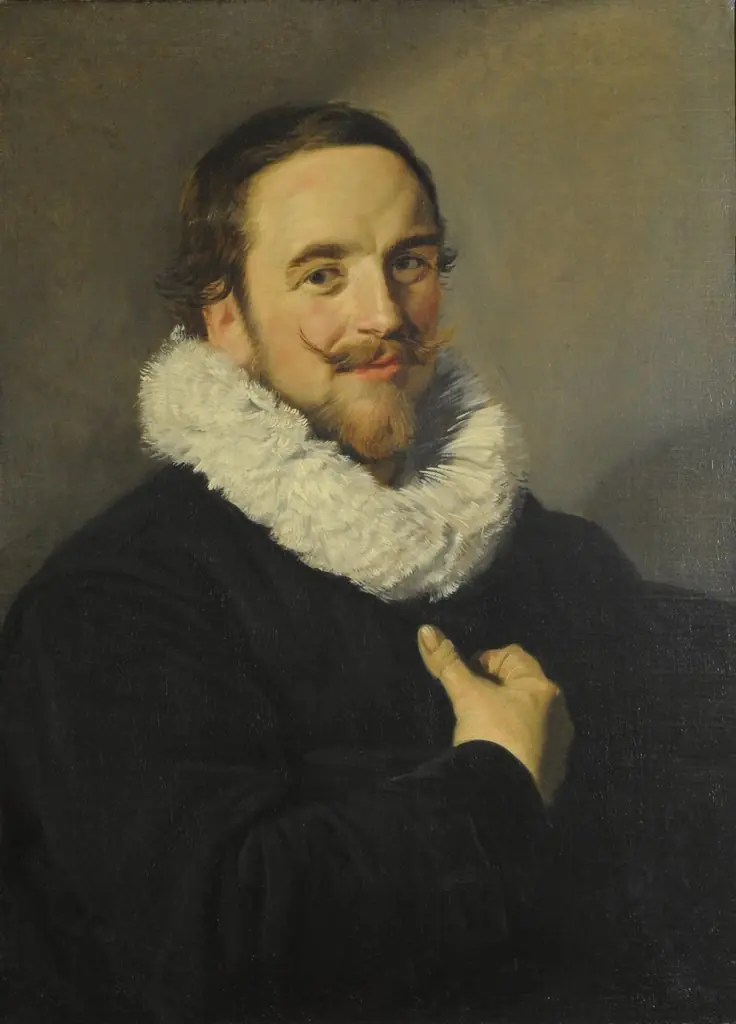 Portrait of a gentleman
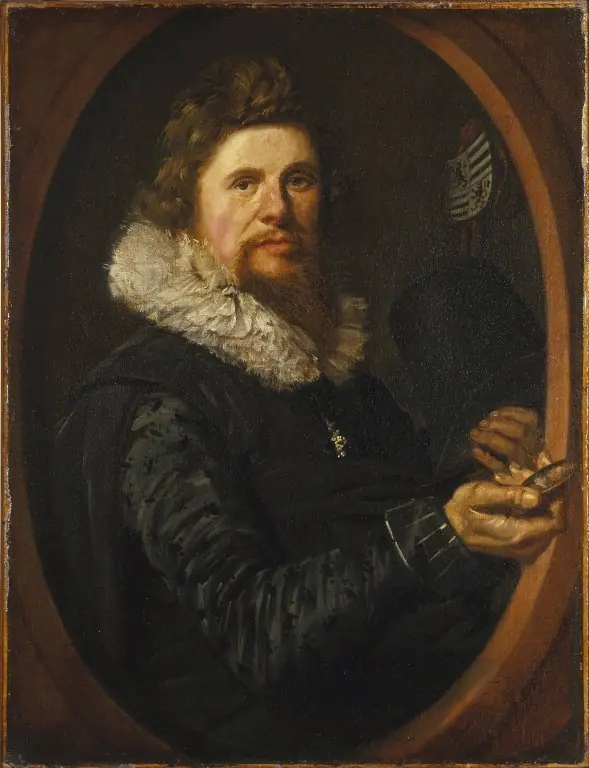 Portrait of a man
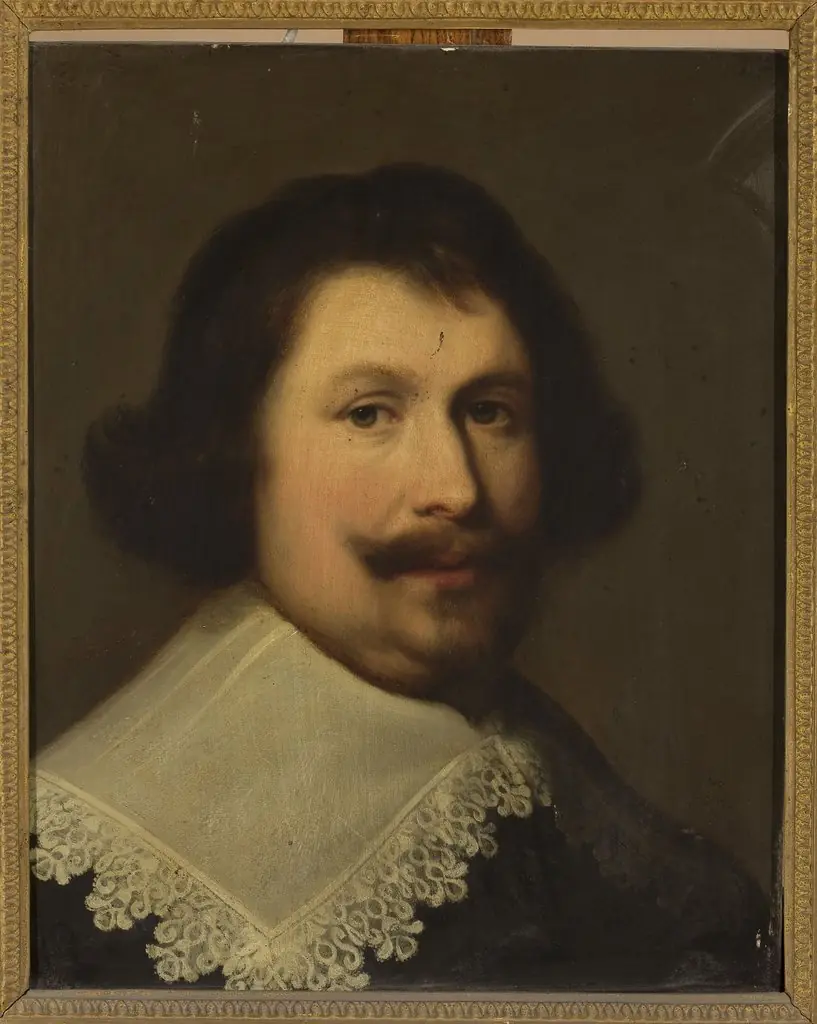 Portrait of a nobleman
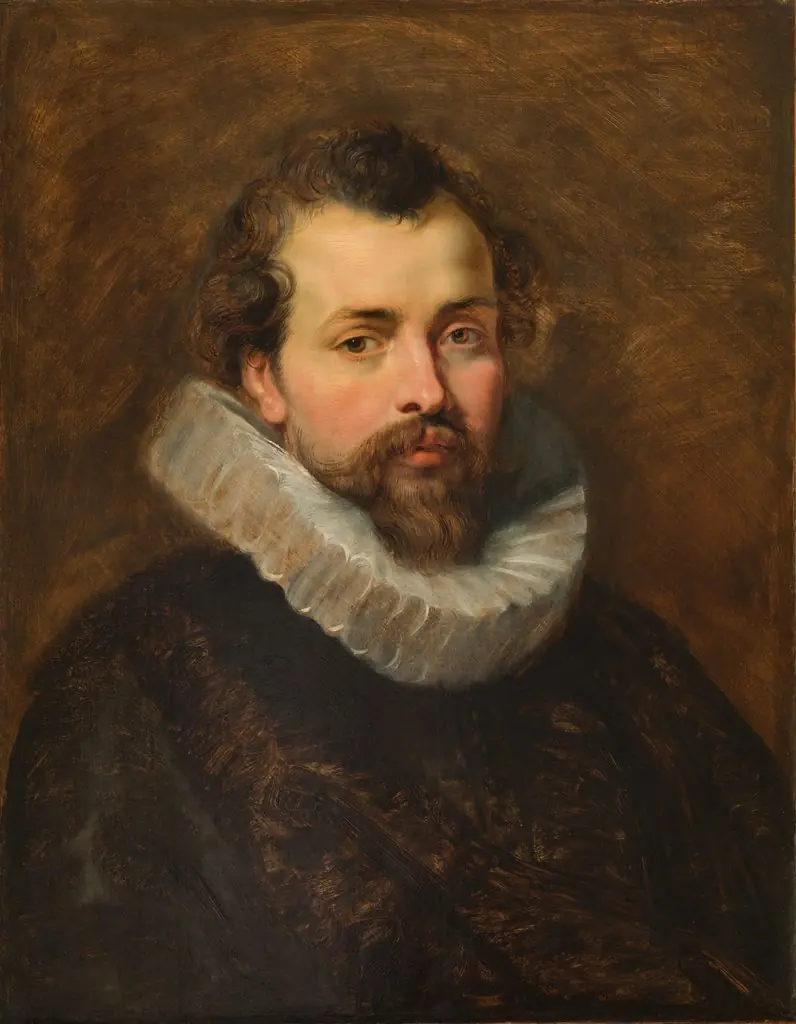 Philippe Rubens, the Artist's Brother
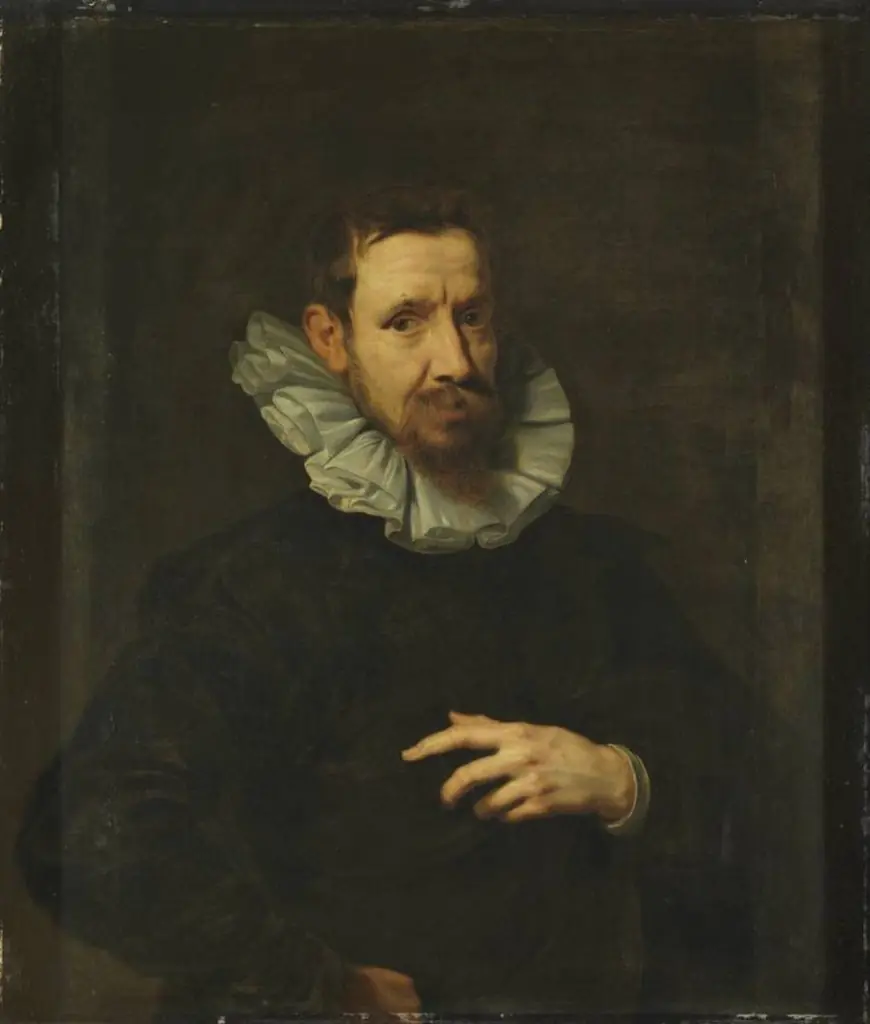 Portrait of the painter Jan Brueghel
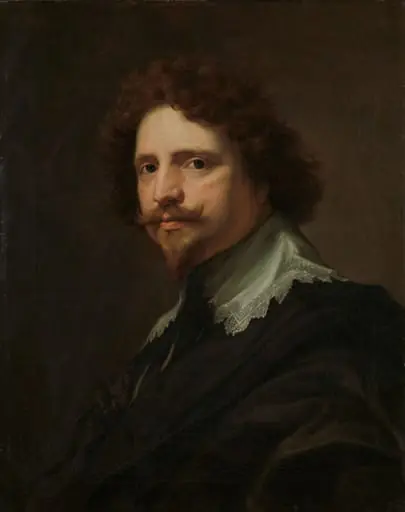 Portrait of Michel Le Blon (1587-1656)
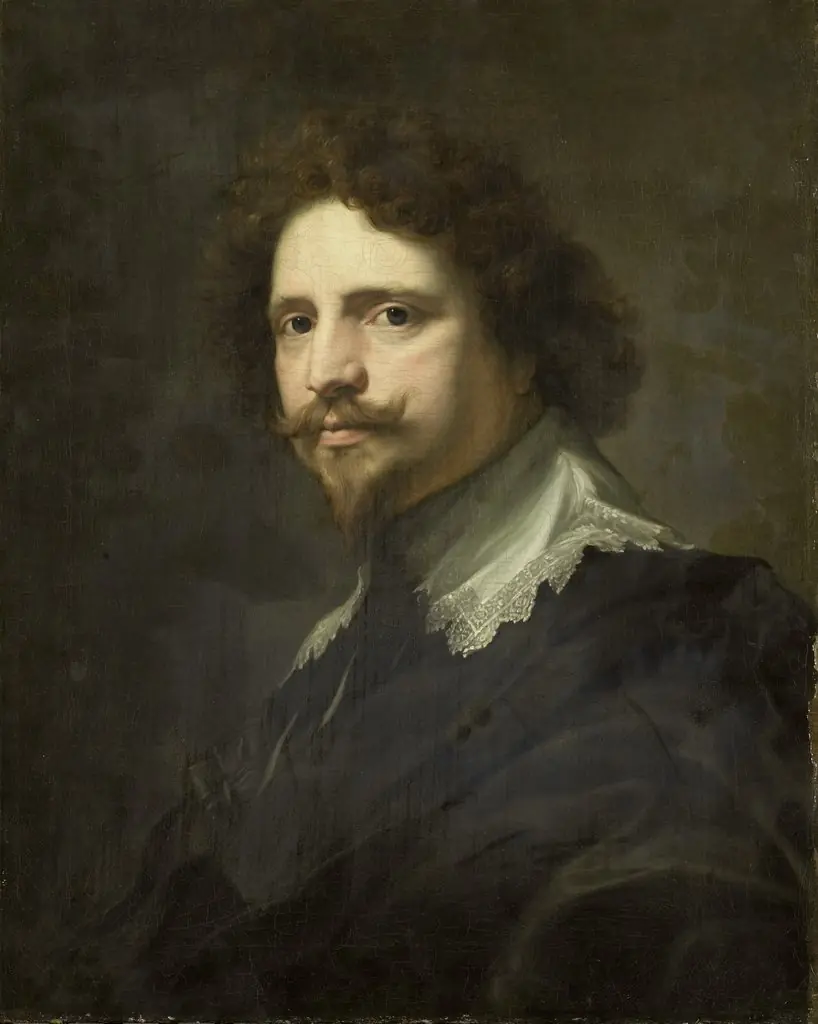 Portrait of Michel le Blon (1587-1657). Agent of Queen Christina of Sweden, goldsmith and engraver
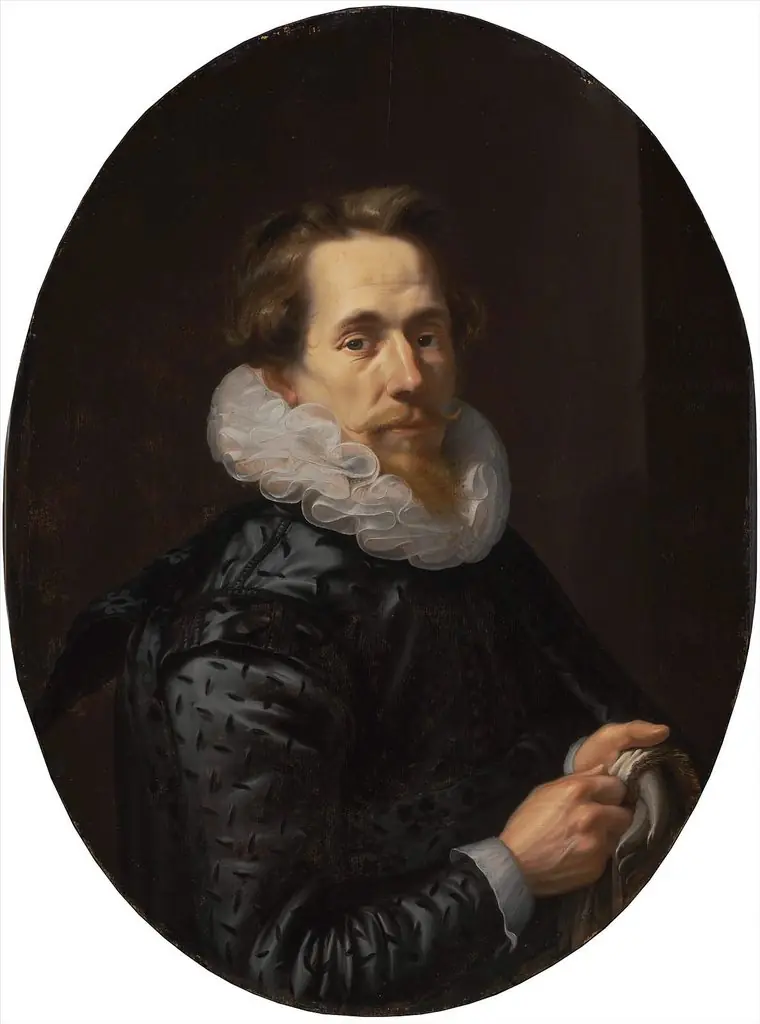 Portrait of a Man with a Ruff
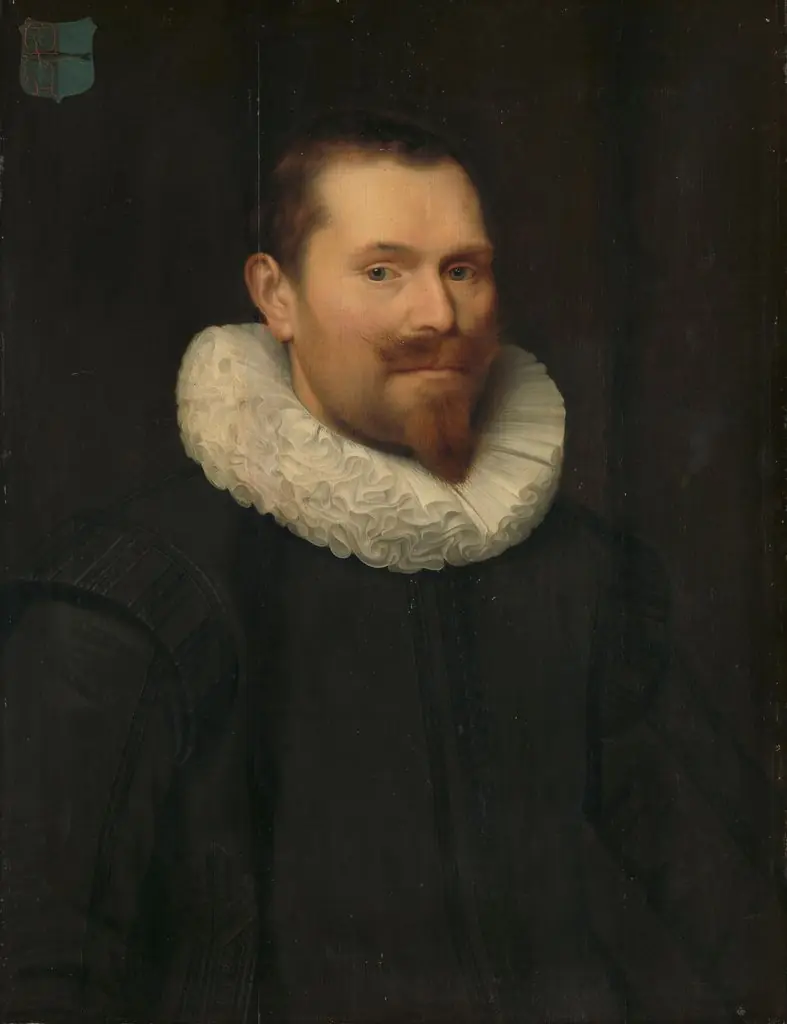 Portrait of a man
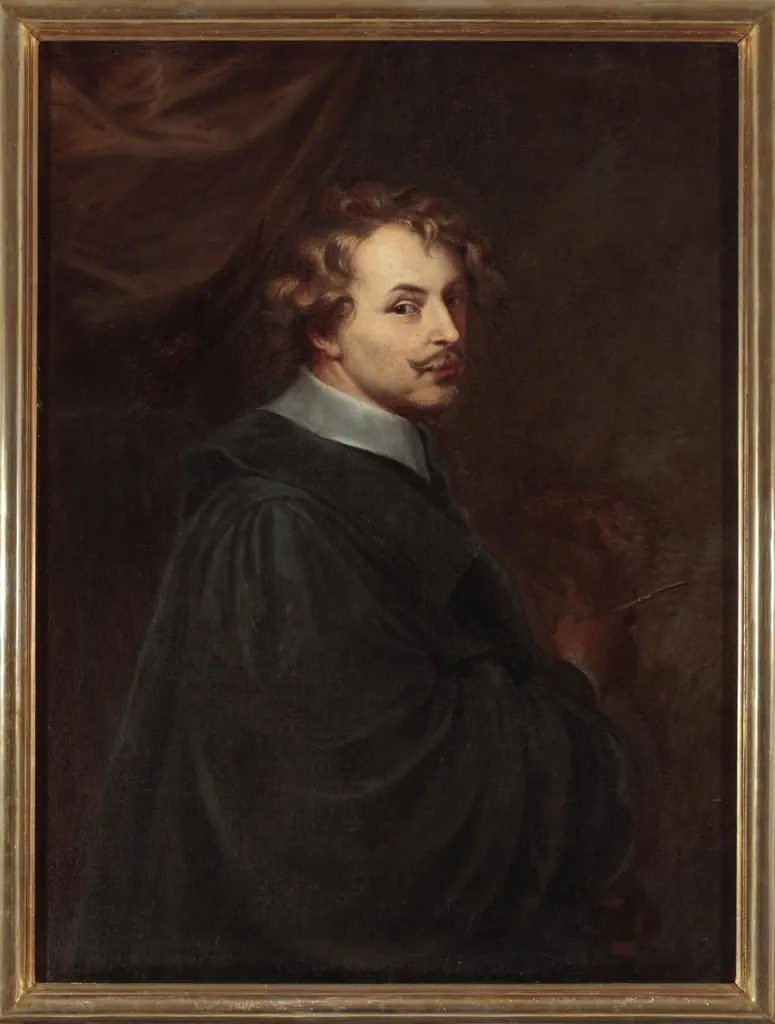 Portrait of Anthony van Dyck (1599–1641)
 Head of a bearded Man wearing a Wheel Ruff