Artwork
Portrait of a man
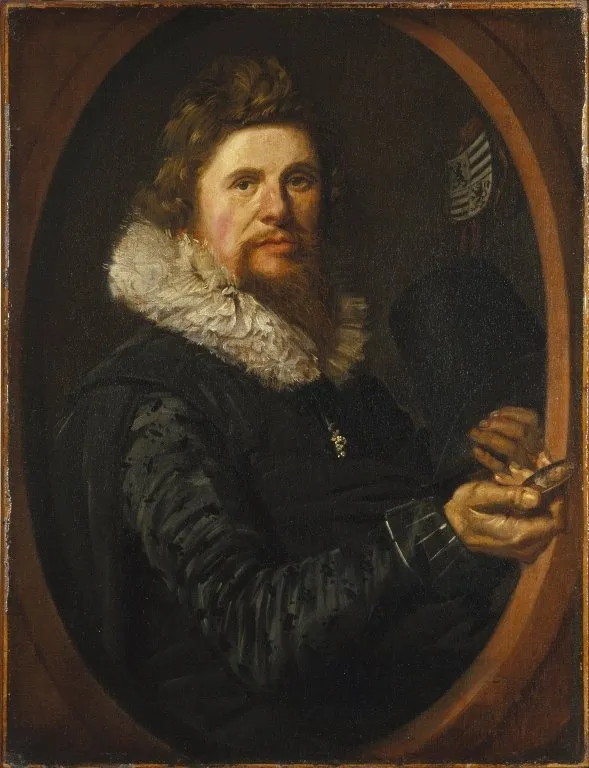
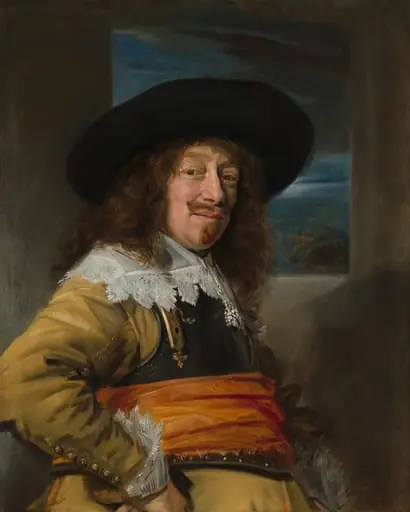
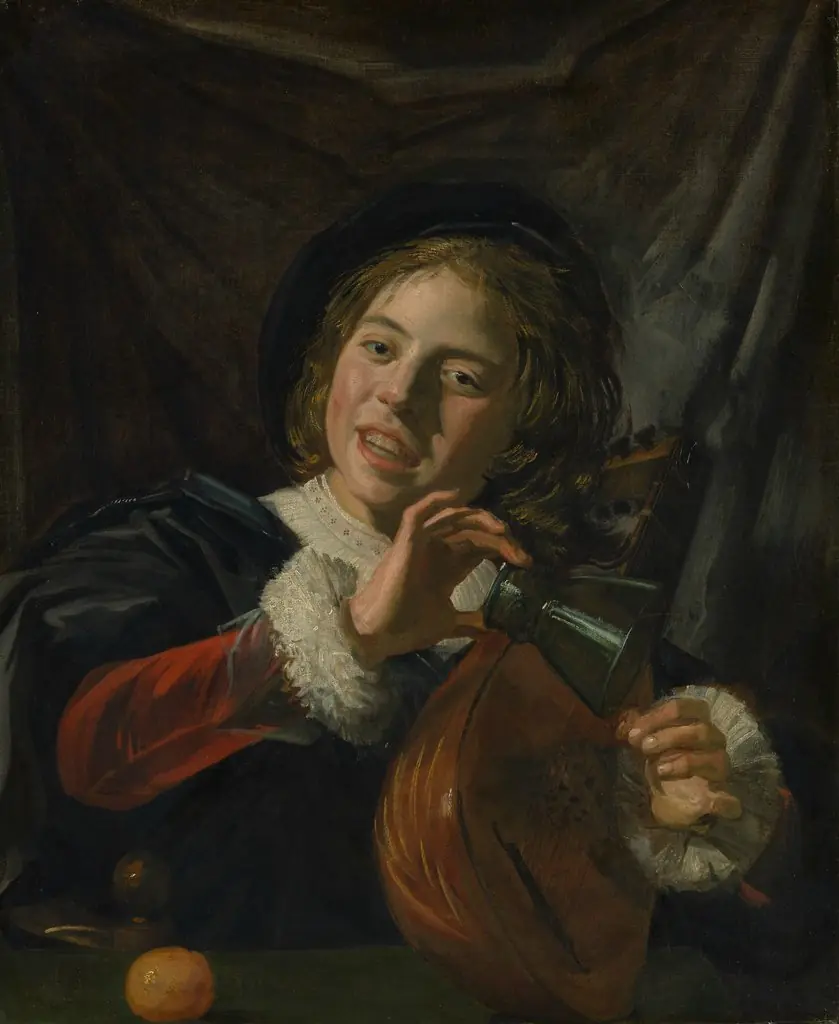
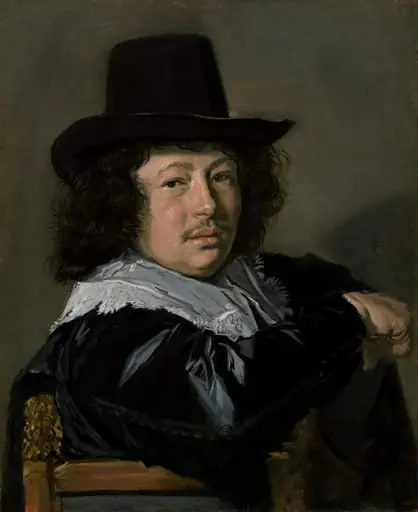
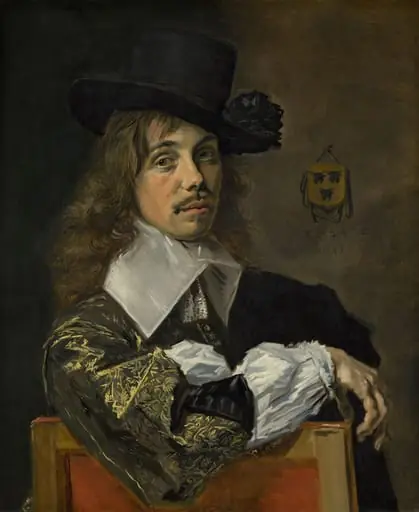
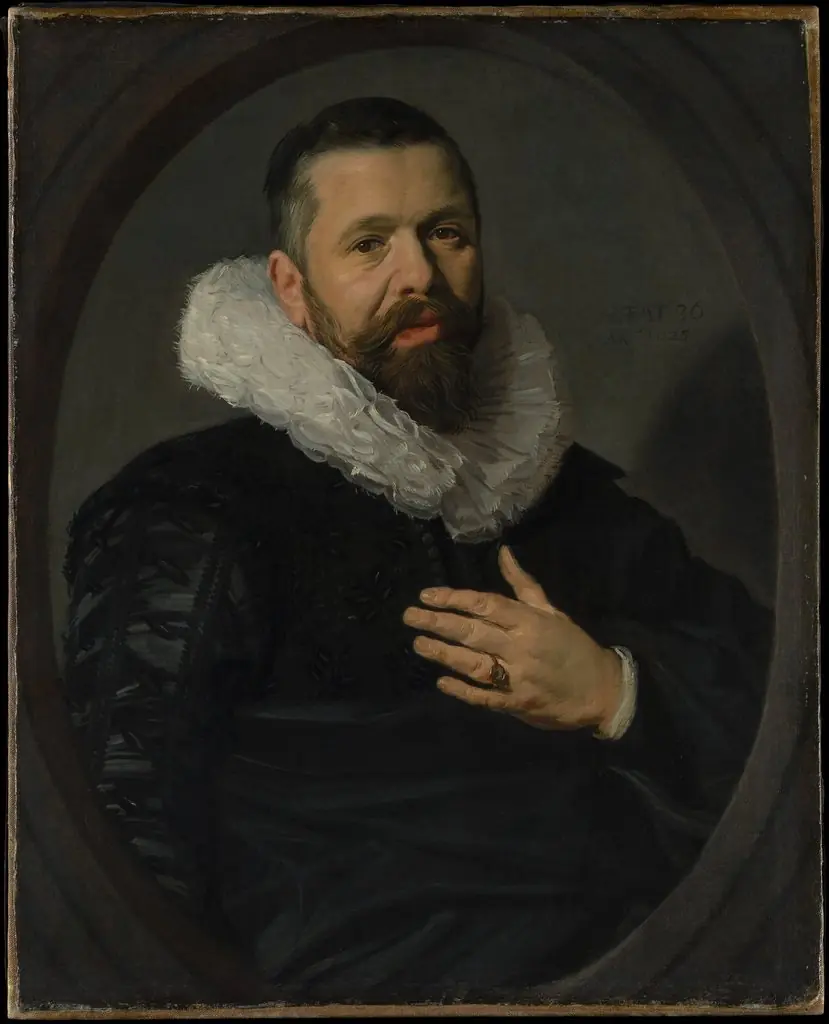
Portrait of a man is an oil painting by the Dutch Golden Age artist Frans Hals. It dates from 1612 and is held in the collection of the Brooklyn Museum.
About this work
Overview
Painted in 1612 by Frans Hals the Elder, this oil portrait captures a man of probable middle-class status in Haarlem during the Dutch Golden Age.
Painted in 1612 by Frans Hals the Elder, this oil portrait captures a man of probable middle-class status in Haarlem during the Dutch Golden Age. Executed with brisk, assured brushwork, the painting reflects Hals’s reputation for capturing individual presence over idealized form. Though not a commissioned civic portrait, its intimate scale and direct gaze align with his broader practice of rendering character through immediacy rather than formal grandeur.
Subject & Meaning
The sitter, identified only by his attire and expression, wears a dark ruffled shirt with a lace collar and a tall hat, suggesting urban respectability. His right hand holds a small object—possibly gloves—hinting at social ritual or readiness for departure. The faint emblem behind him may indicate familial or civic affiliation, though its meaning remains obscure. The portrait prioritizes psychological presence over narrative, inviting contemplation of identity rather than status.
Technique & Style
Hals applied oil paint with loose, energetic strokes, particularly evident in the textured beard and the delicate rendering of the lace collar. Light falls sharply across the face, creating strong contrasts that define features without softening them. The background remains muted and indistinct, focusing attention on the sitter’s expression and gesture. This approach, emphasizing spontaneity and tactile surface, distinguishes Hals’s style from the smoother finishes of his contemporaries.
History & Provenance
The painting entered the Brooklyn Museum’s collection through documented acquisition, though its early ownership history prior to the 19th century is not fully traceable. It has been consistently attributed to Hals since at least the early 20th century, based on stylistic analysis and comparison with his signed works. No records suggest it was part of a larger series or altered significantly after completion.
Context
In early 17th-century Haarlem, portraiture flourished among a prosperous merchant class seeking personal representation. While many artists produced formal group portraits for civic bodies, Hals also painted standalone tronies—character studies intended for wider sale. This work fits within that category: neither a formal commission nor a mythological scene, it reflects a growing market for individualized, psychologically resonant images.
Legacy
Hals’s technique here influenced later generations of painters who valued expressive brushwork over polished finish. Though not as widely exhibited as his group portraits, this portrait exemplifies his ability to convey vitality through economy of means. Its preservation in a major American museum underscores its role as a representative example of Dutch Golden Age portraiture beyond elite commissions.
Artist & collection
Artist
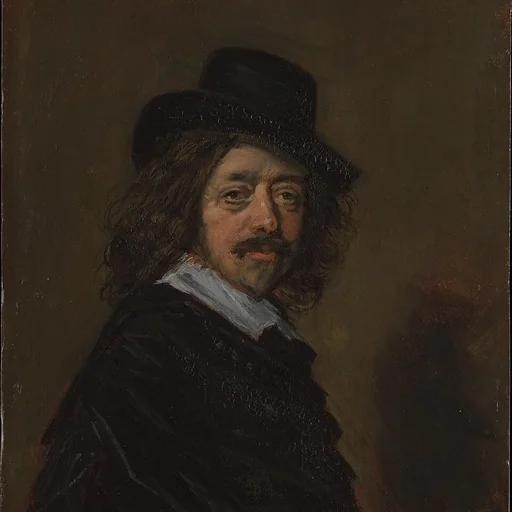
Frans Hals the Elder (UK: , US: ; Dutch: ; c. 1582 – 26 August 1666) was a Dutch Golden Age painter. He lived and worked in Haarlem, a city in which the local authority of the day frowned on religious painting in places…

 Self-portrait
 Autoportret
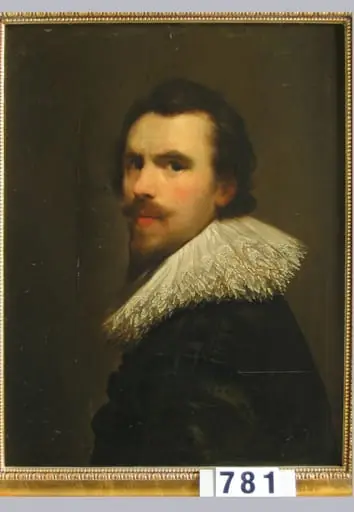
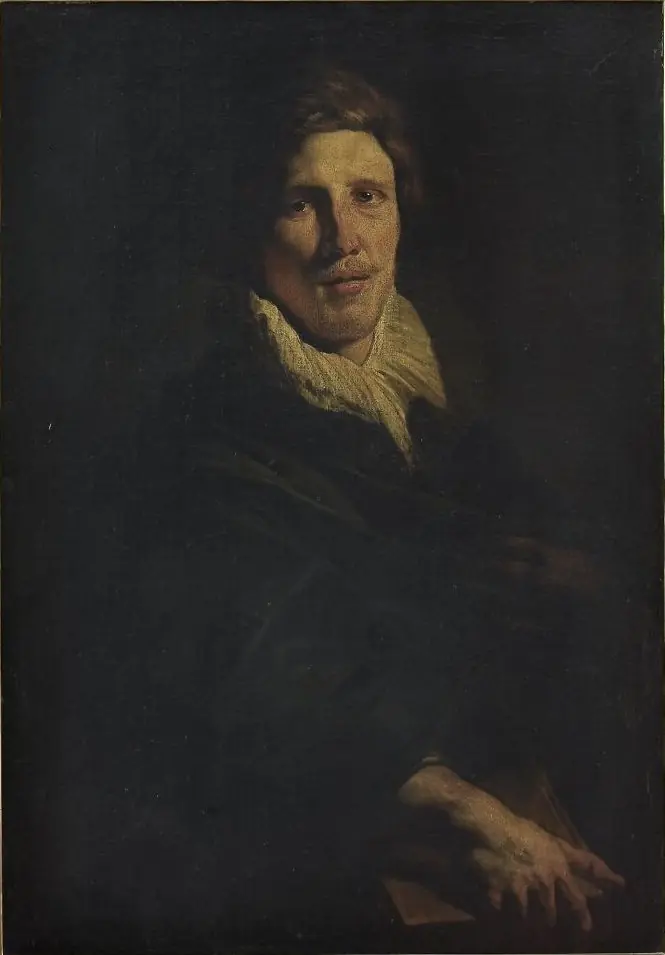 Portrait of a young gentleman, formerly believed to be a self-portrait
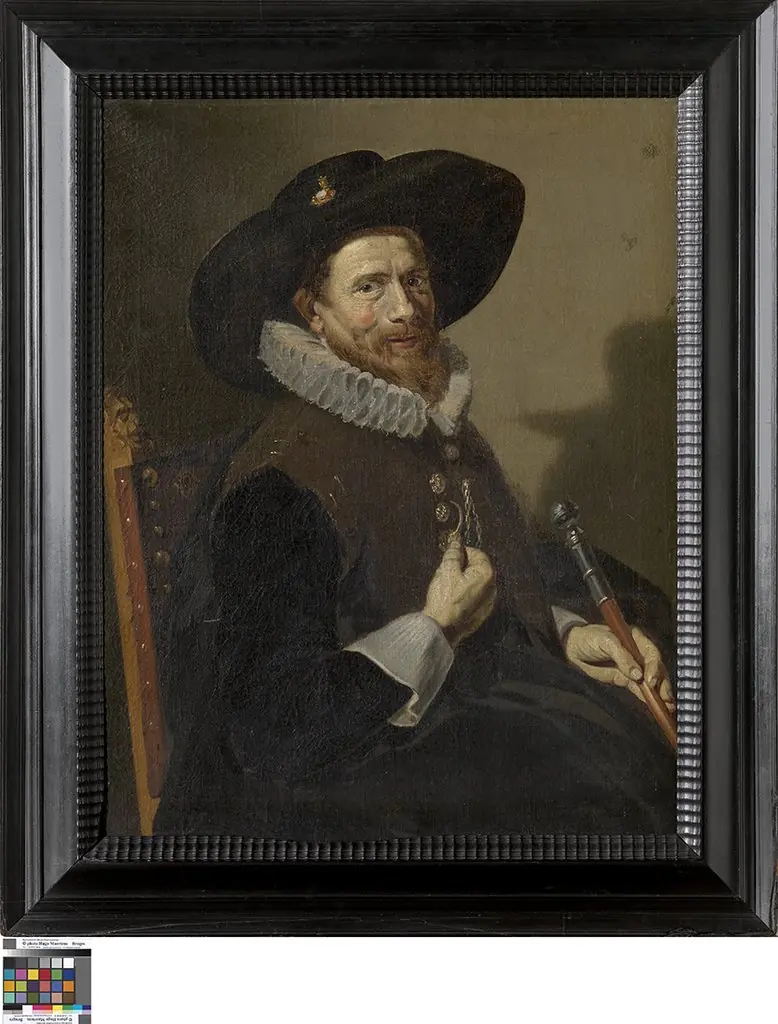 Portret van een man
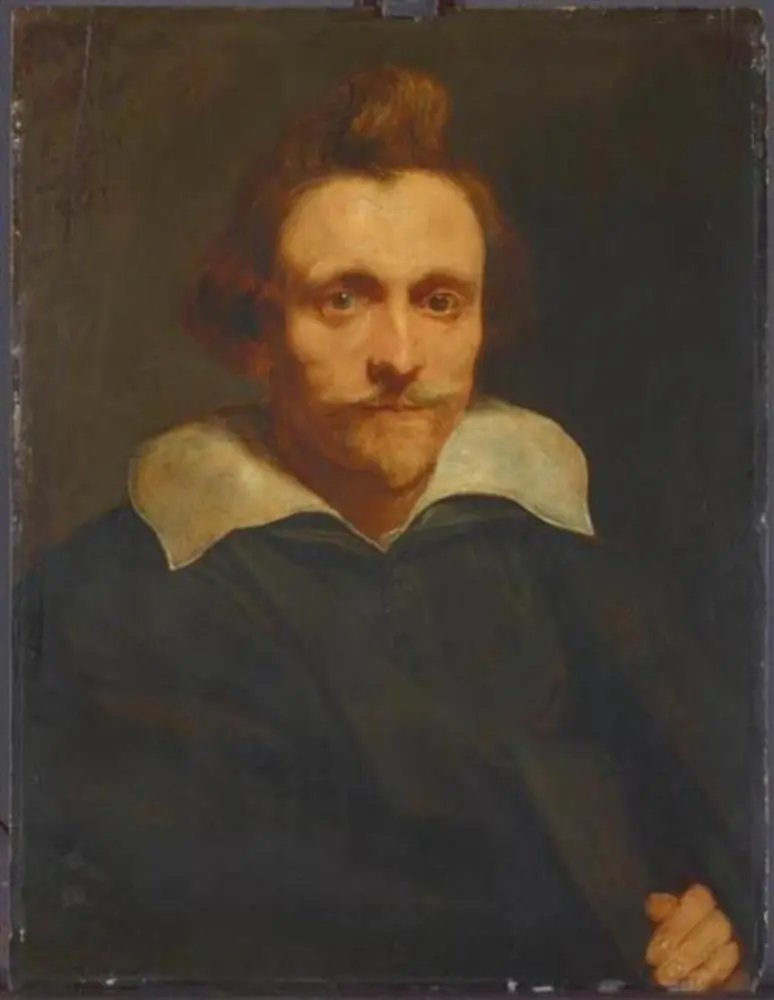 Portrait of a Young Man
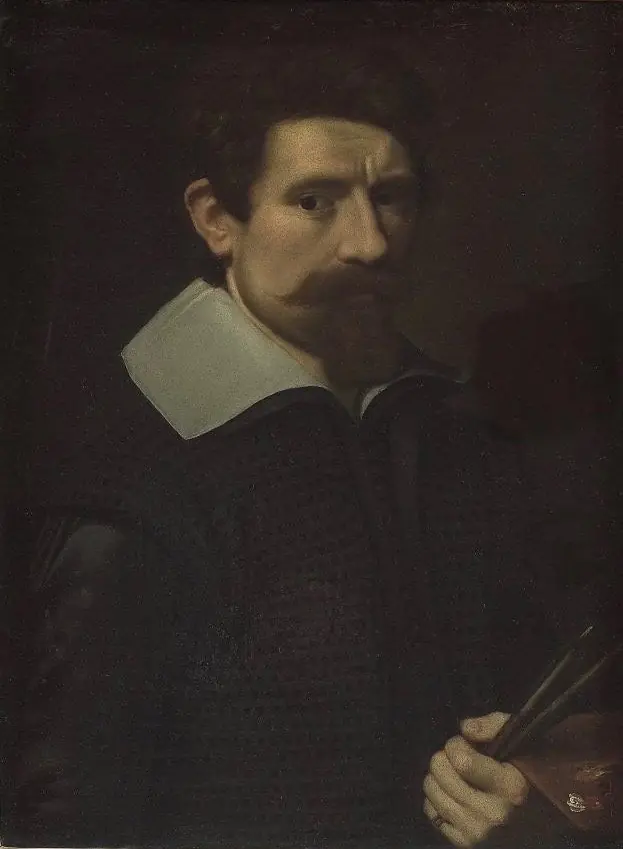
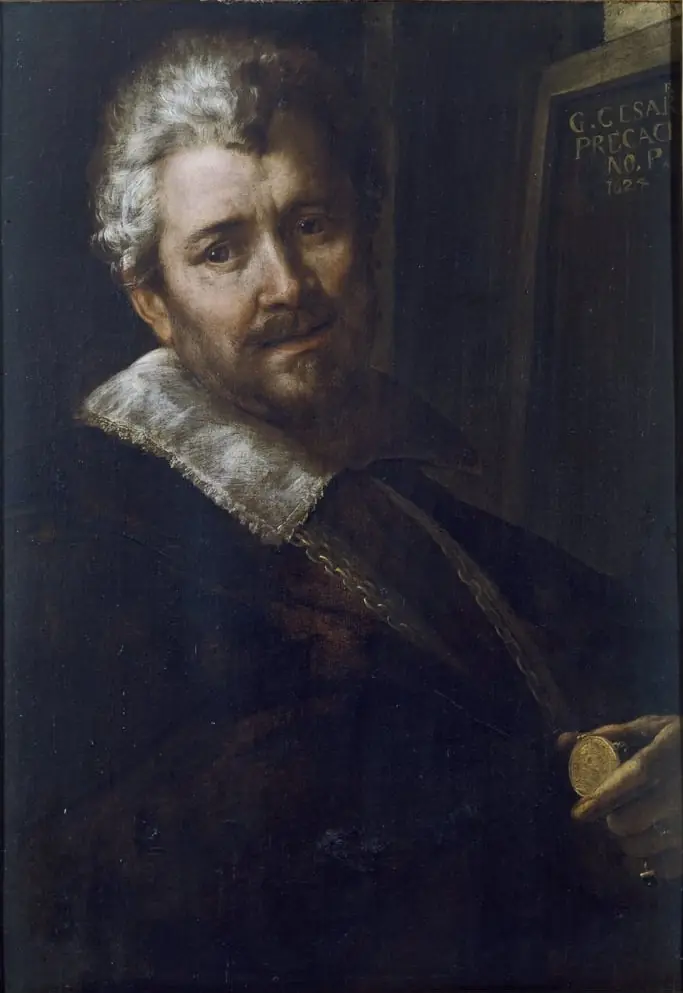 Self-portrait of Giulio Cesare Procaccini
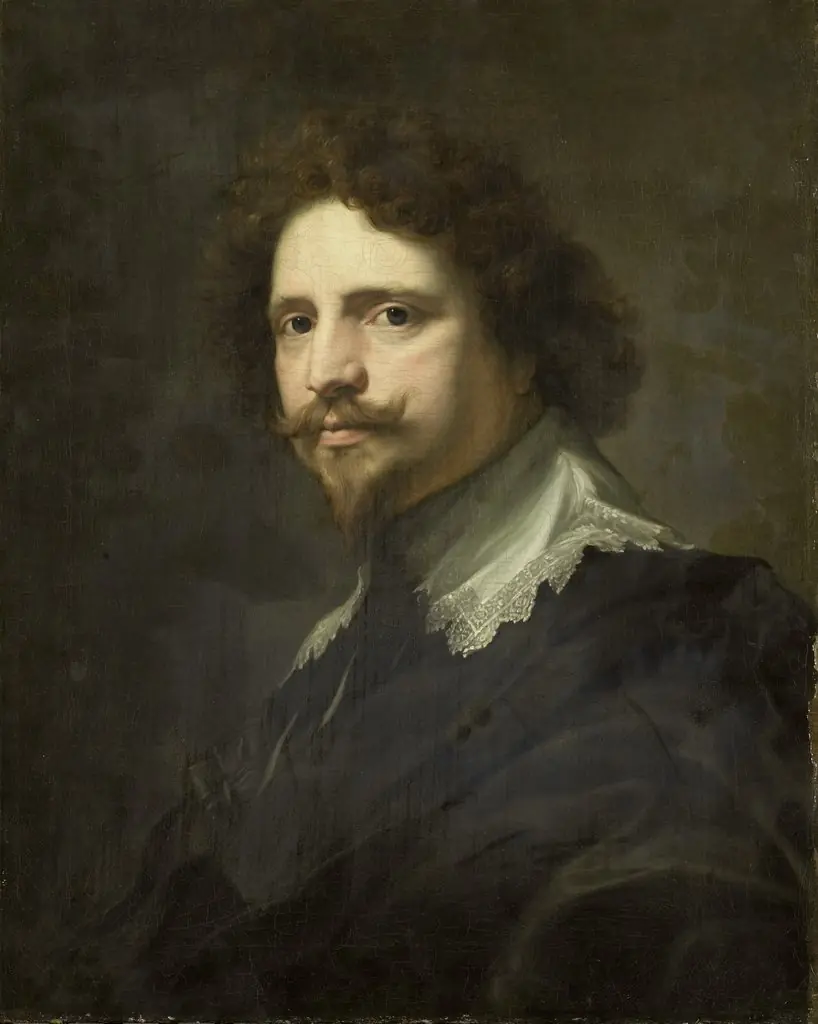 Portrait of Michel le Blon (1587-1657). Agent of Queen Christina of Sweden, goldsmith and engraver
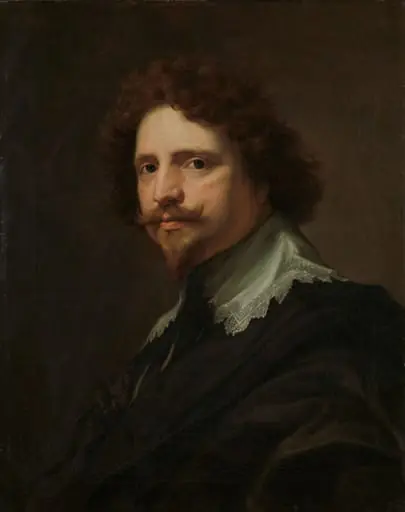 Portrait of Michel Le Blon (1587-1656)
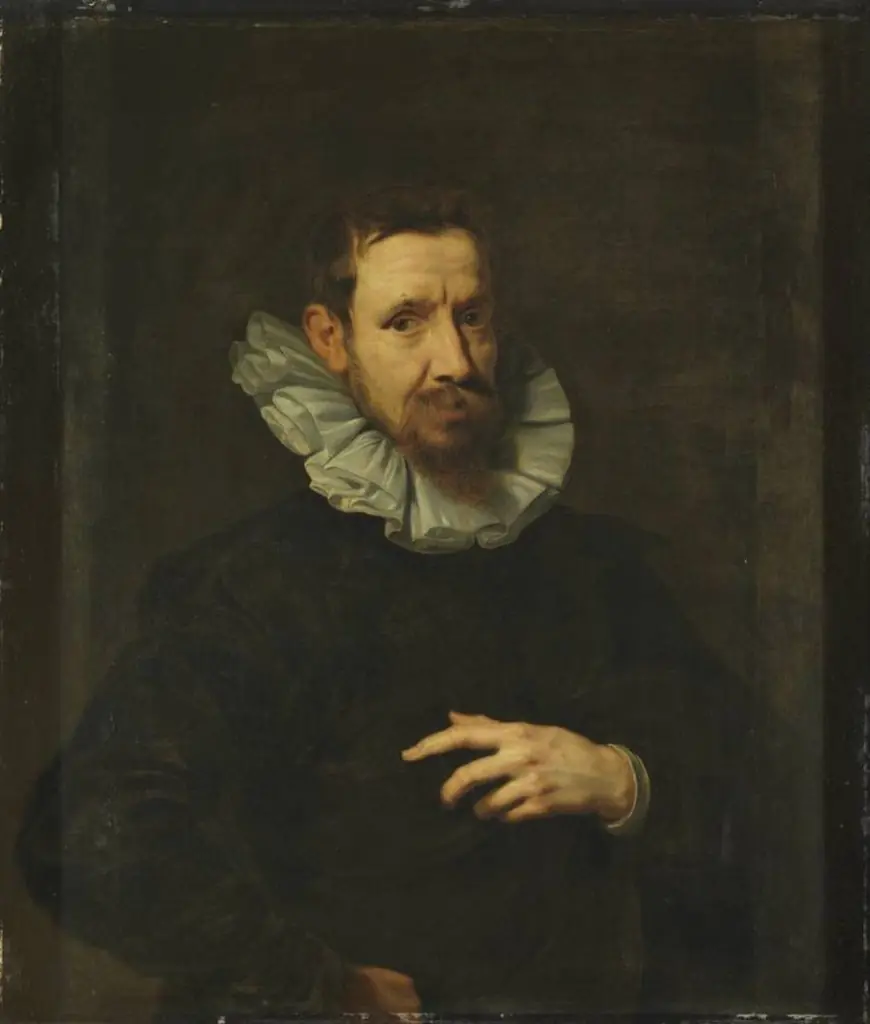 Portrait of the painter Jan Brueghel
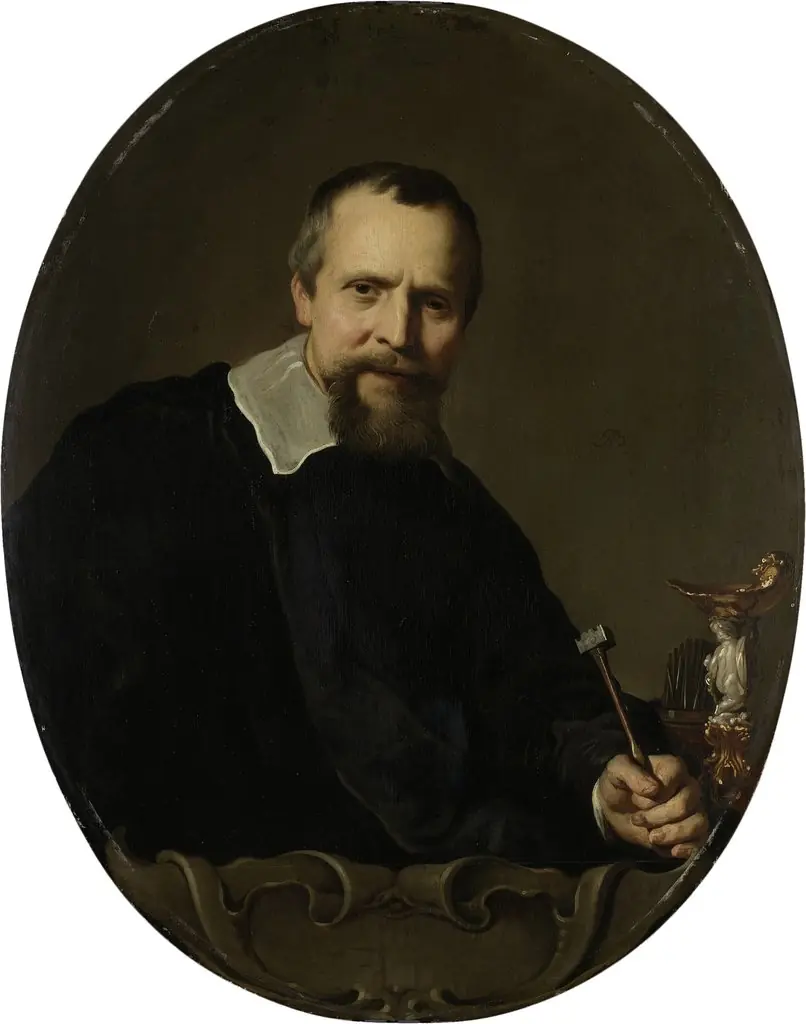 Jan Lutma (1584/85-1669). Amsterdam silversmith
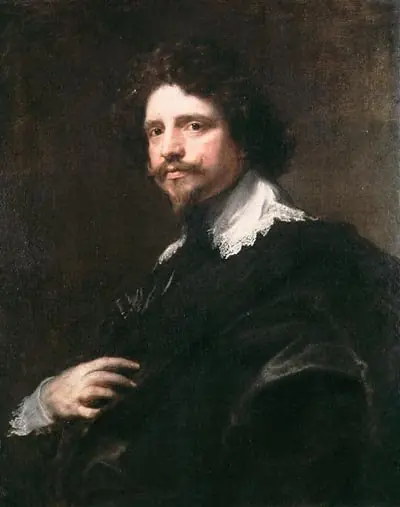 Portrait of Michel Le Blon
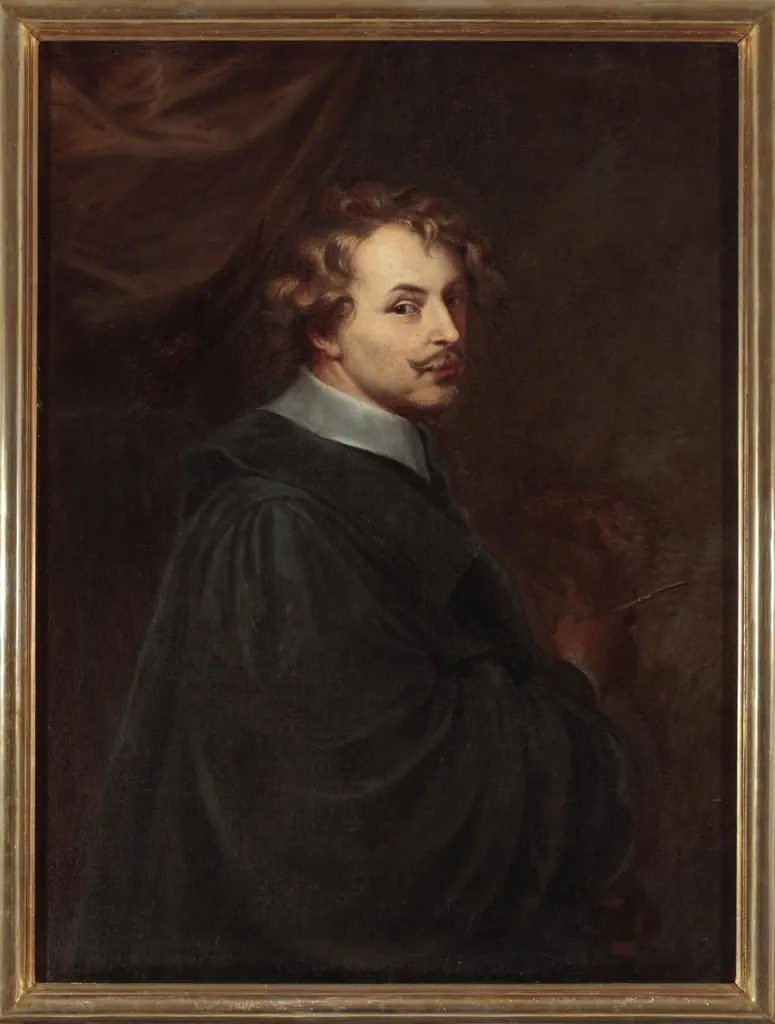 Portrait of Anthony van Dyck (1599–1641)