Artwork
The Eve of St. Agnes
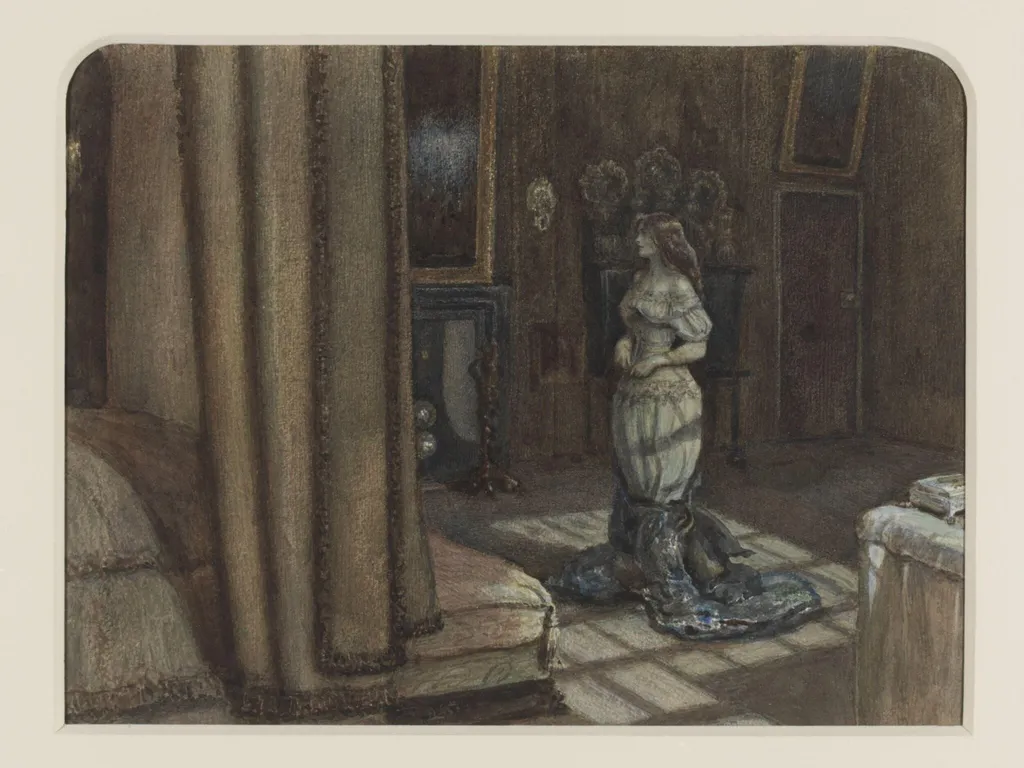
The Eve of St. Agnes is a watercolor work on paper by the Impressionist artist John Everett Millais. It dates from 1863 and is held in the collection of the Victoria and Albert Museum. The Eve of St.
About this work
Overview
The Eve of St. Agnes is a watercolour by John Everett Millais, inspired by John Keats' 1819 poem of the same name. The work depicts a young woman on the eve of St. Agnes, a night in folklore believed to reveal a woman's future husband through dreams.
Subject & Meaning
The scene captures the heroine in a moment of awe while undressing for bed, poised on the threshold of a potentially revelatory night. Millais' wife, Effie, modeled for the contemplative figure.
Technique & Style
Executed in watercolour, this piece is a smaller interpretation of Millais' larger 1863 oil painting exhibited at the Royal Academy. It reflects the Realist movement's emphasis on detailed, everyday scenes.
History & Provenance
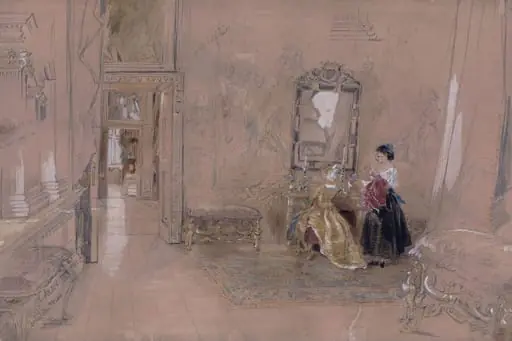
Millais carefully staged the composition at Knole Park in Sevenoaks, Kent, utilizing a historic room where James I once slept. The watercolour's creation was closely tied to its oil counterpart.
Context
The artwork intersects with literary and folklore influences, drawing from Keats' poetic interpretation of St. Agnes' Eve traditions. Its setting in a Jacobean house adds a layer of historical depth.
Legacy
While the watercolour's individual impact is less documented than the oil version, it contributes to Millais' exploration of themes intertwining literature, folklore, and the everyday, characteristic of the Pre-Raphaelite and Realist intersection.
Artist & collection
Artist
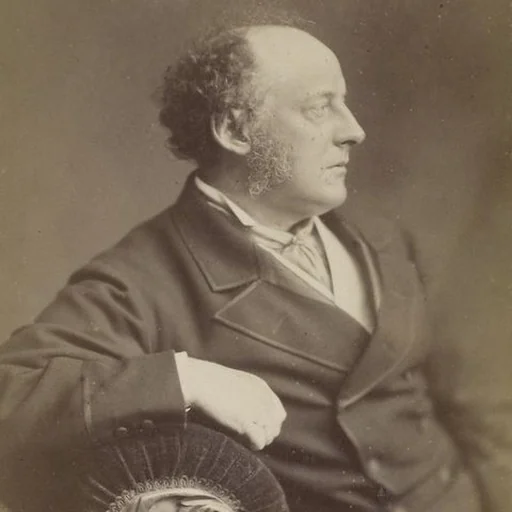
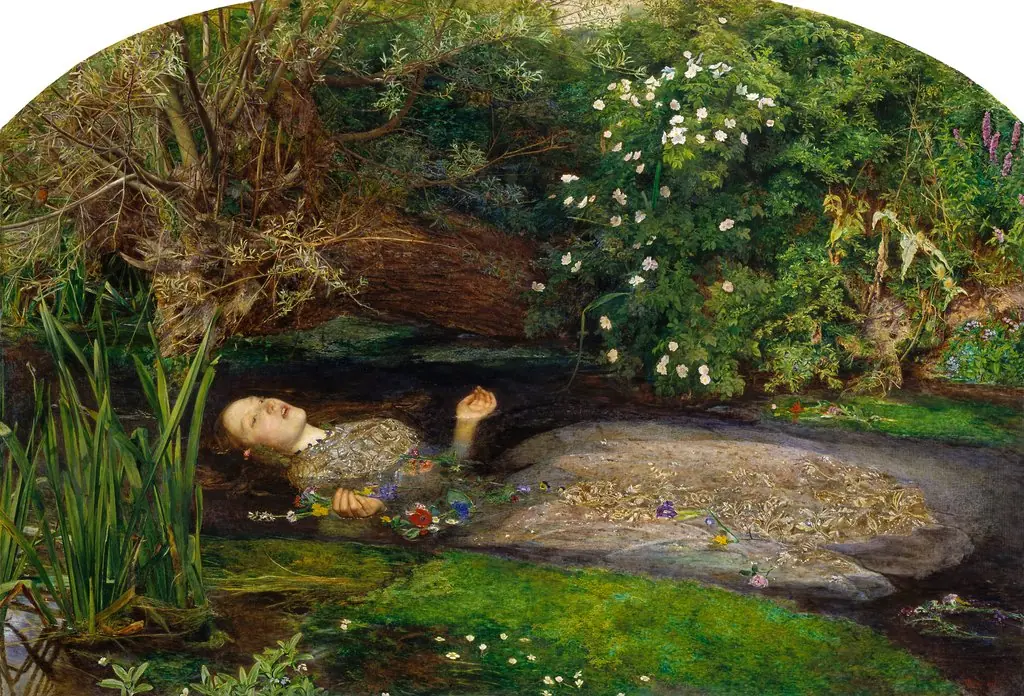
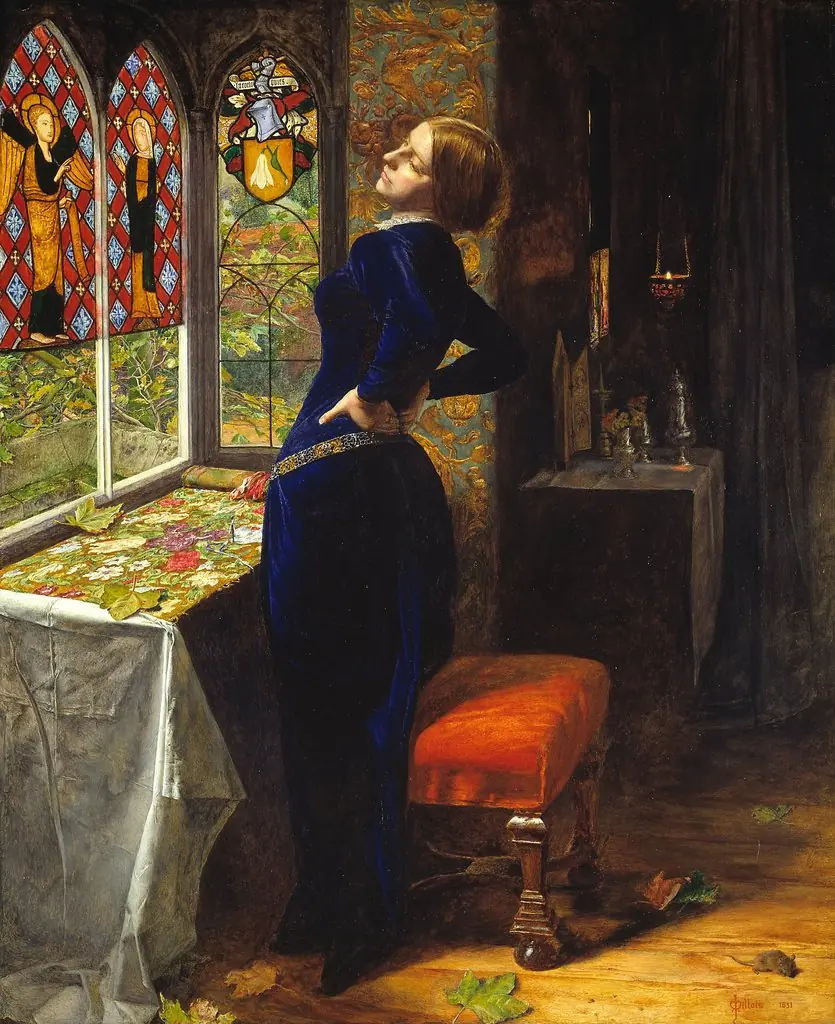
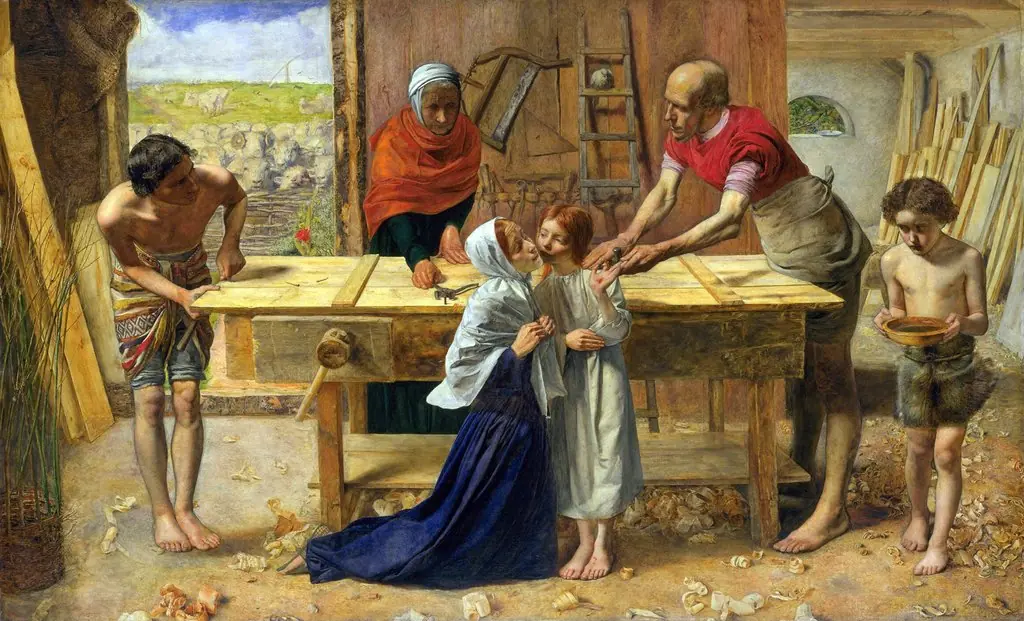
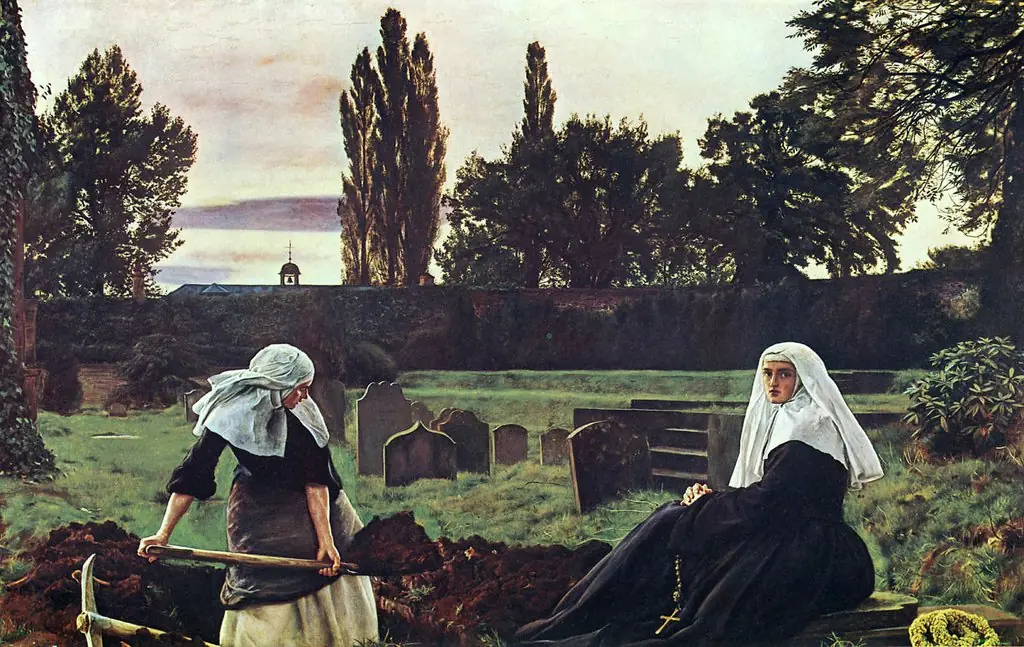
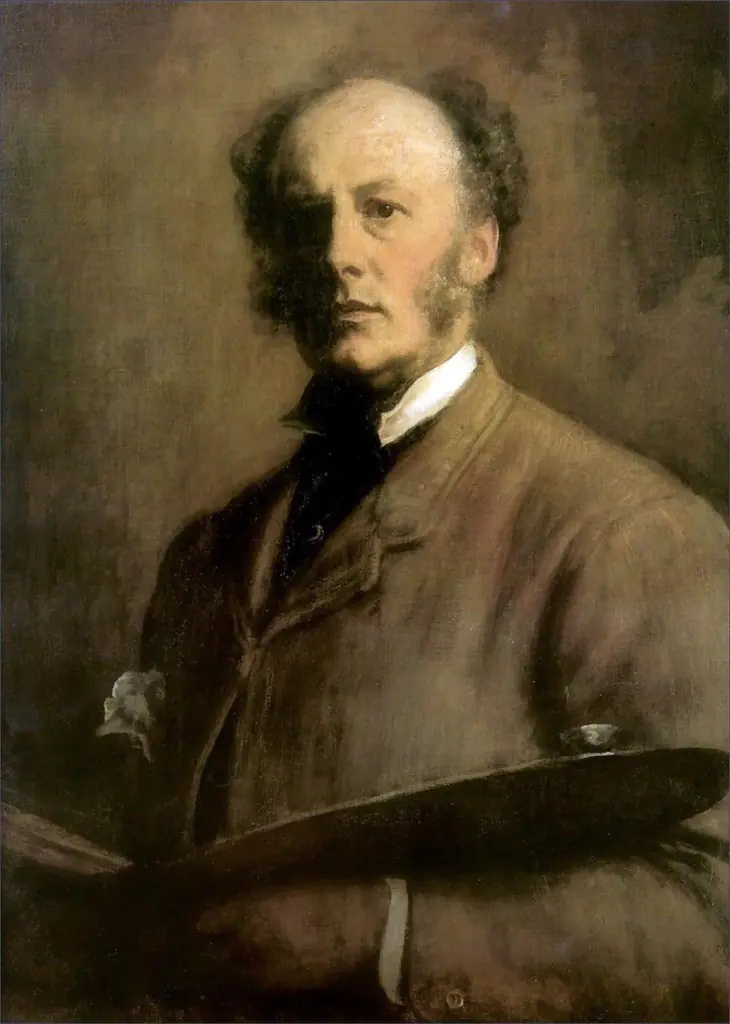
Sir John Everett Millais, 1st Baronet ( MIL-ay; 8 June 1829 – 13 August 1896) was an English painter and illustrator who was one of the founders of the Pre-Raphaelite Brotherhood.

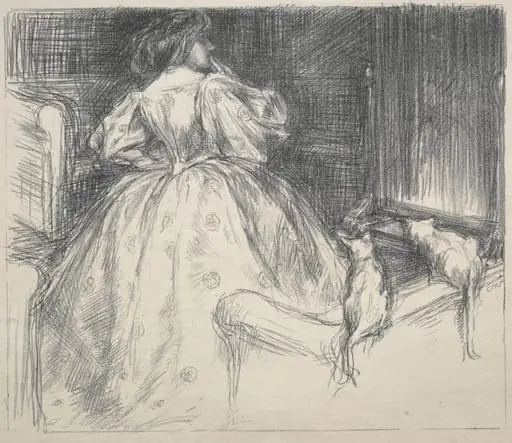 The Fantastic Dress
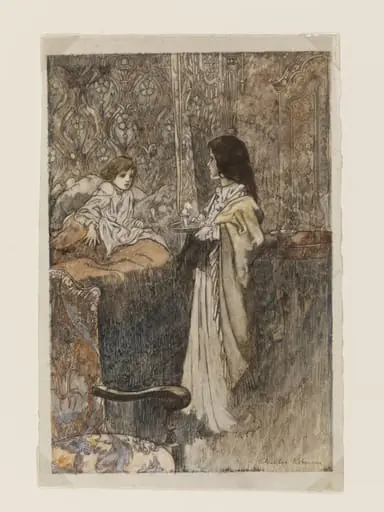 ‘Who are you?’ he said at last. ‘Are you a ghost?’
 Iza Sleeping (Le Sommeil d'Iza)
 Milton's Dream of His Deceased Wife
 Infantry in Arms
 The Venetian Ambassador's Room at Knole, Kent
 Girl in a Modern Gown
 My Jealousy
 The Sisters
 Essay on Stone with Brush and Scraper: Woman Reading at the Fireside
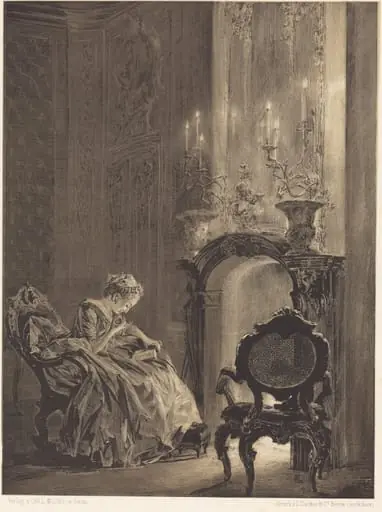 Woman before a Fire
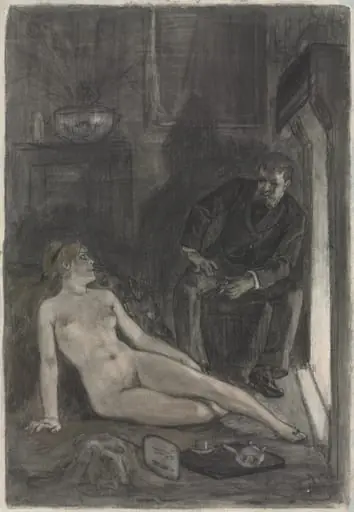 Winter Evening