Artwork
Portrait of Savva Yakovlev as a Child
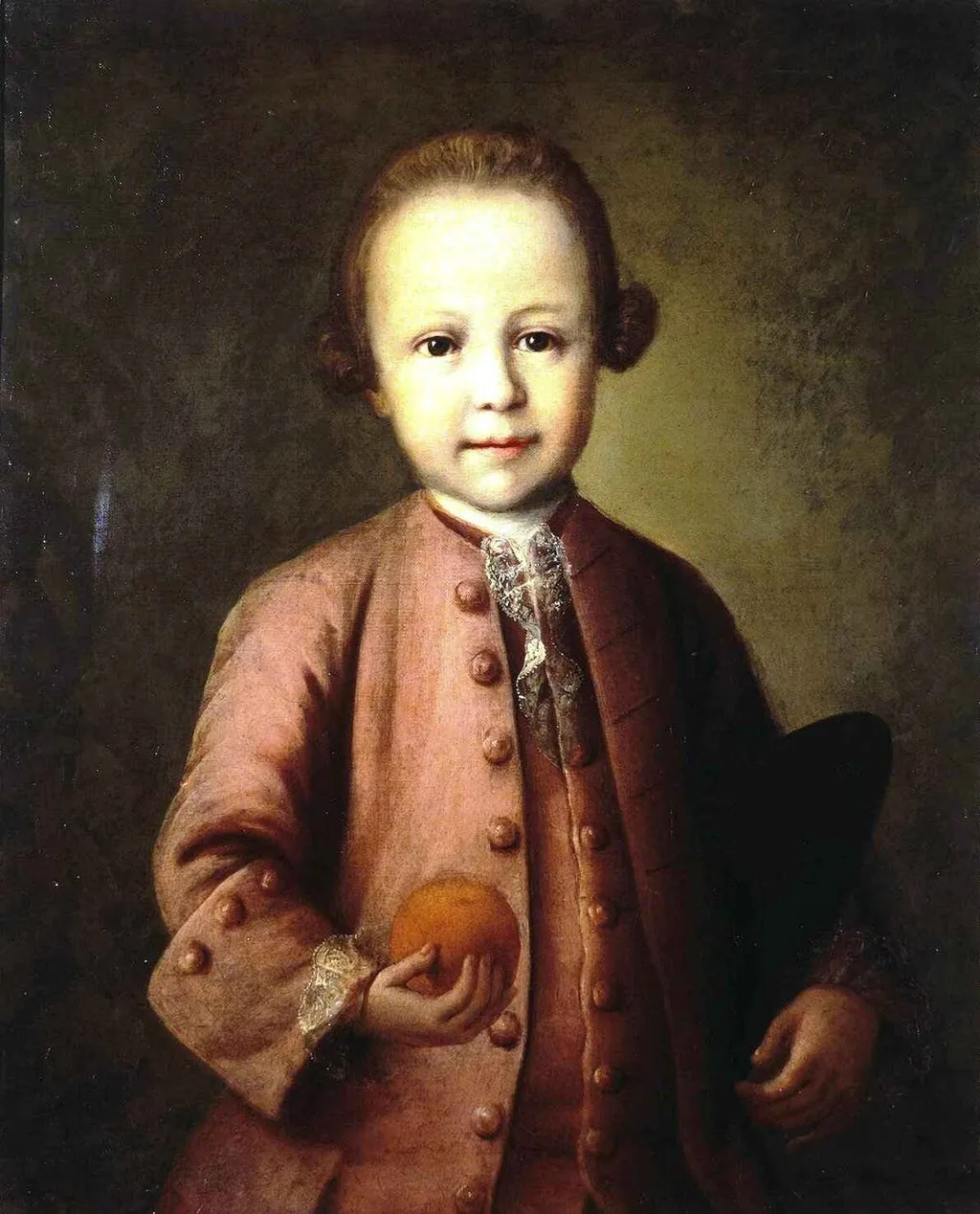
Portrait of Savva Yakovlev as a Child is an oil painting by the Rococo painting artist Mina Kolokolnikov. It dates from 1775 and is held in the collection of the Hermitage Museum.
About this work
Overview
Painted in 1775 by Mina Kolokolnikov, this oil portrait depicts Savva Yakovlev, a young boy from a Russian noble family. The work is part of the State Hermitage Museum’s collection in Saint Petersburg. Rendered with quiet precision, the painting captures the subject in a formal yet intimate pose, reflecting the conventions of 18th-century Russian portraiture for aristocratic youth.
Subject & Meaning
The painting conveys social status through attire rather than setting, emphasizing familial pride and the child’s role as a future bearer of lineage.
Savva Yakovlev, shown at an early age, is portrayed with composure and stillness, typical of elite childhood representation in imperial Russia. His upright posture and modest gesture—holding a small, unidentified object—suggest dignity and restraint. The painting conveys social status through attire rather than setting, emphasizing familial pride and the child’s role as a future bearer of lineage.
Technique & Style
Kolokolnikov employs chiaroscuro to model the boy’s face and clothing, using soft gradations of light to highlight skin and fabric textures against a dark, unadorned background. The brushwork is controlled, with fine attention to the lace collar and the sheen of the brown coat. The absence of decorative elements directs focus to the subject’s expression and refined garments, characteristic of academic portraiture of the period.
History & Provenance
The portrait entered the Hermitage’s collection in the late 18th or early 19th century, likely through imperial acquisition or donation. Its survival intact reflects its perceived cultural value. While little is documented about Savva’s later life, the painting’s preservation underscores its role as a record of aristocratic identity during Catherine the Great’s reign.
Context
In late 18th-century Russia, portraiture for children of the nobility served both personal and political functions—asserting family prestige and aligning with European artistic norms. Kolokolnikov, trained in the imperial academy, adhered to these conventions while incorporating subtle Russian sensibilities. The painting reflects a broader trend of using art to stabilize social hierarchies through visual representation.
Legacy
Though not widely known outside academic circles, the portrait remains a representative example of Russian portraiture from the Enlightenment era. It contributes to scholarly understanding of how childhood, class, and identity were visually constructed in imperial Russia. Its quiet composition continues to inform studies of domestic and aristocratic life in 18th-century Russian art.
Artist & collection

 Portrait of Count Alexei Bobrinsky as a Child
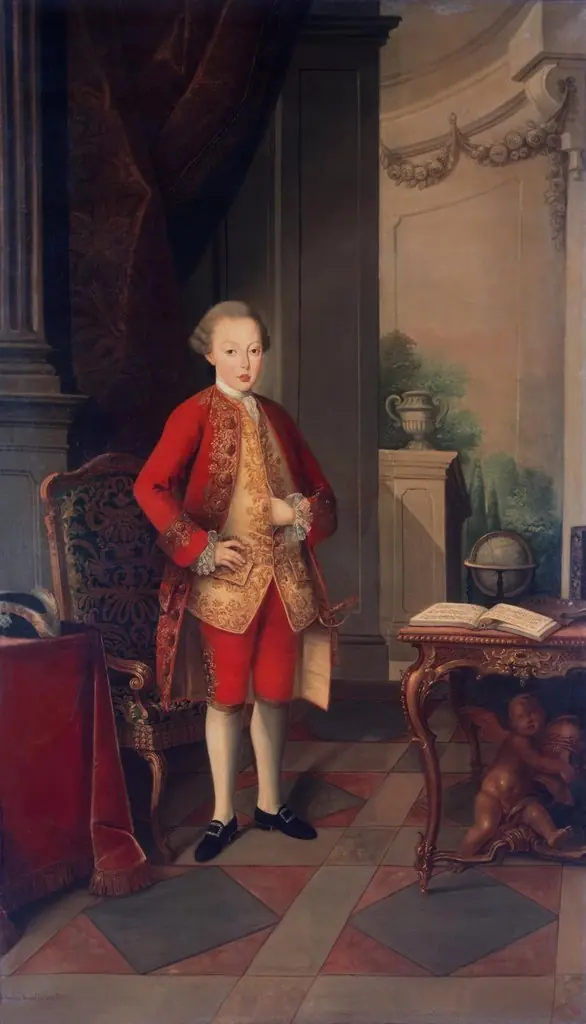 Portrait of Joseph, Prince of Brasil and Beira
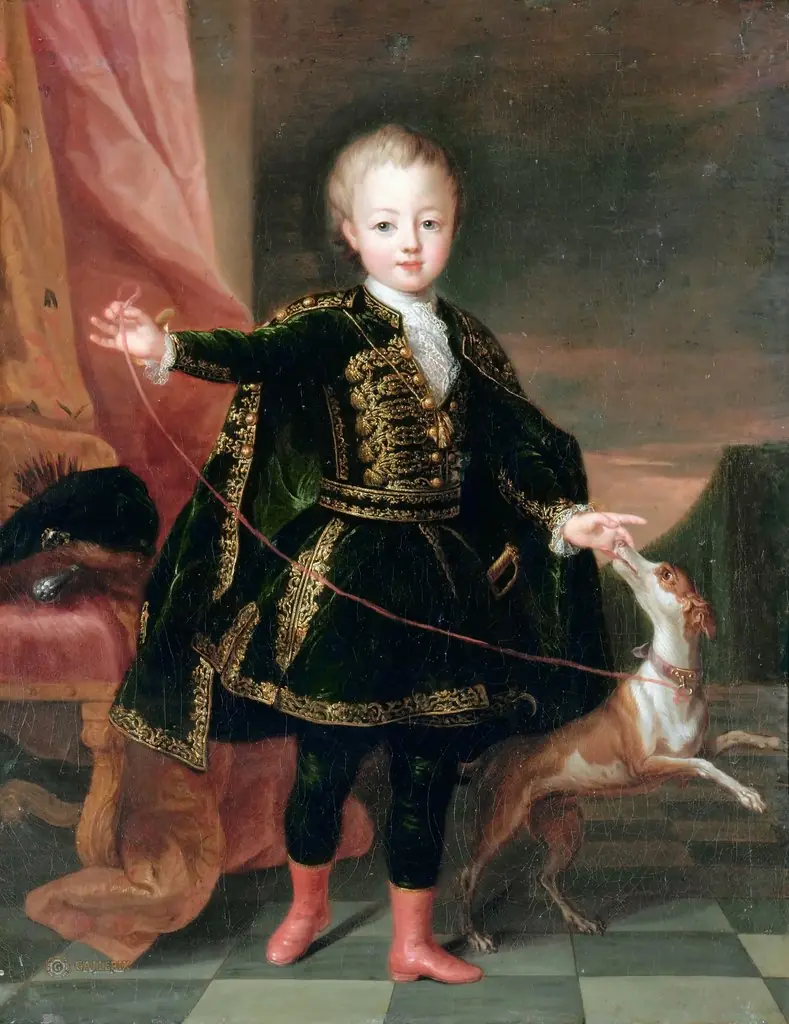 Portrait of Léopold Clément de Lorraine, Hereditary Prince of Lorraine (1707-1723)
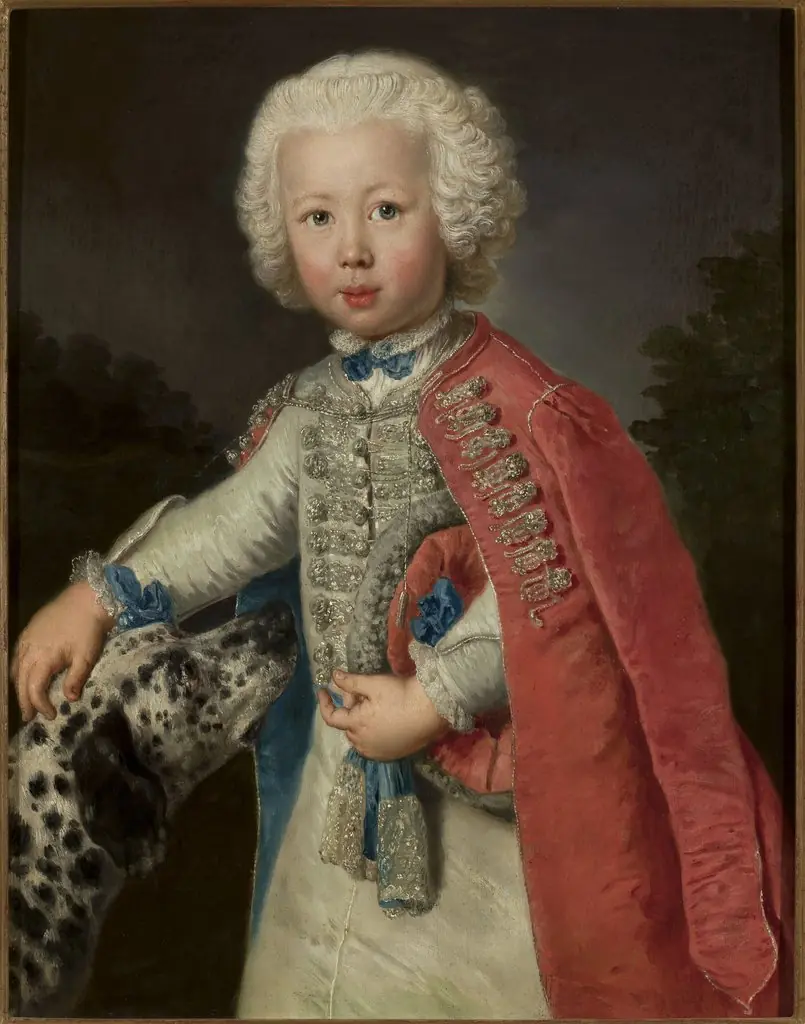 Portrait of a boy
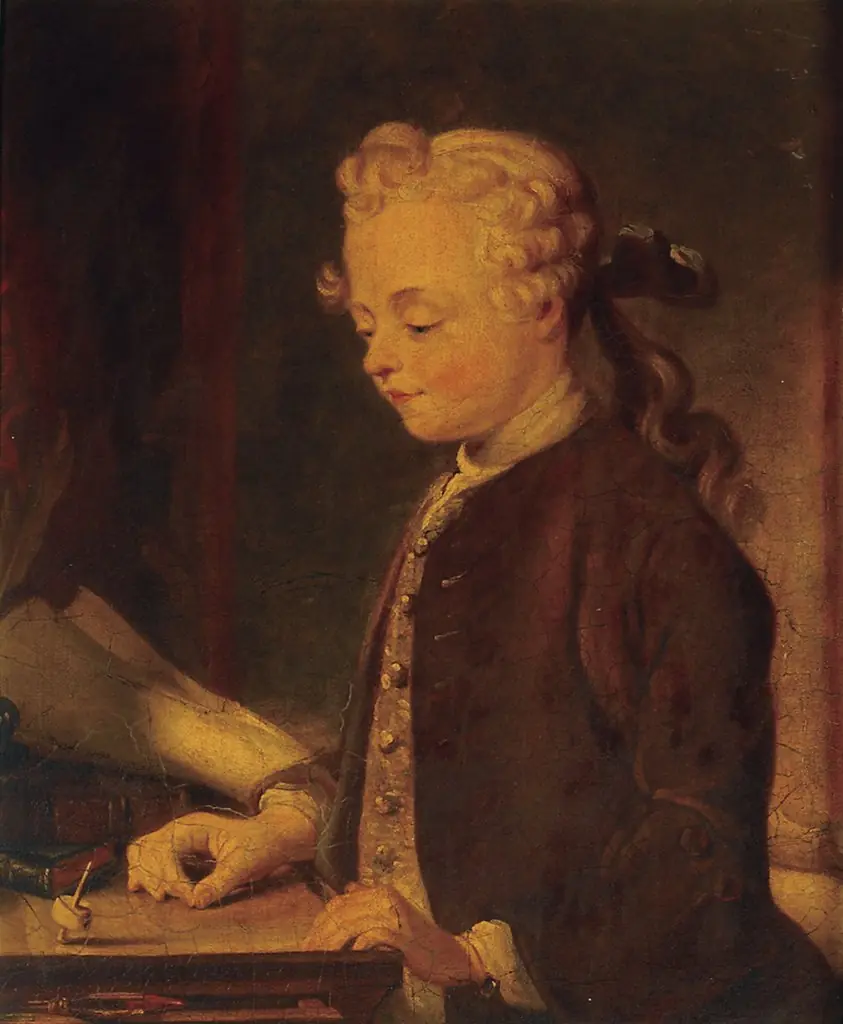 Auguste-Gabriel Godefroy (L'enfant au toton)
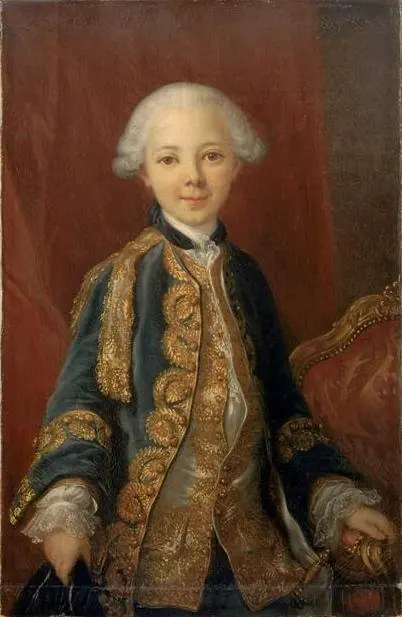 Portrait of Jean Marie de Bourbon, Duke of Châteauvillain third son of the Duke of Penthièvre (1748-1755)
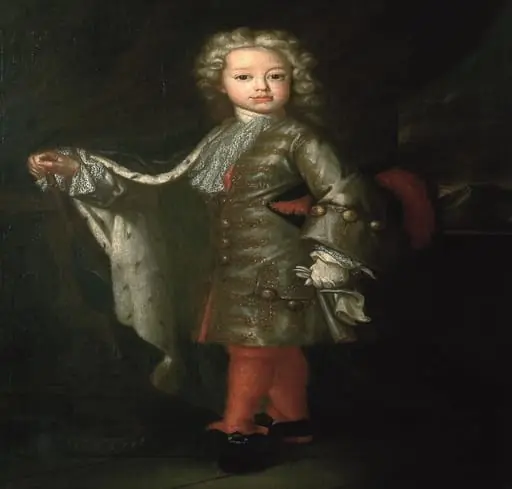 Portretul Împăratului Carol Albert, copil
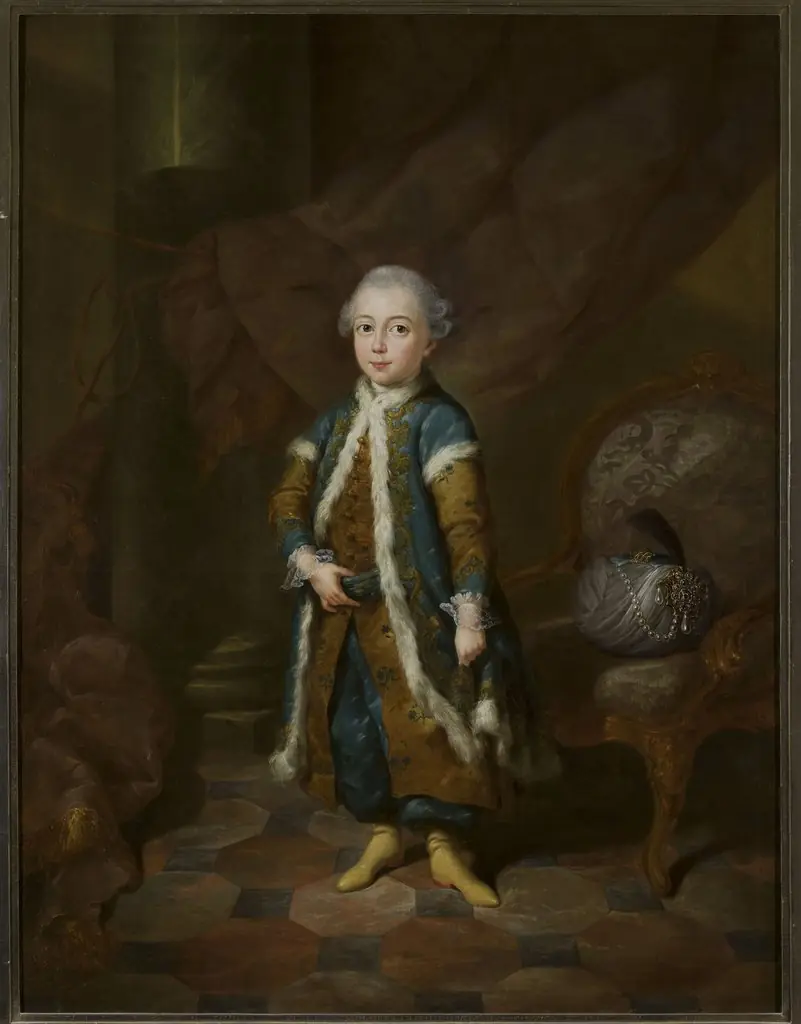 Portrait of Henirich Reuss
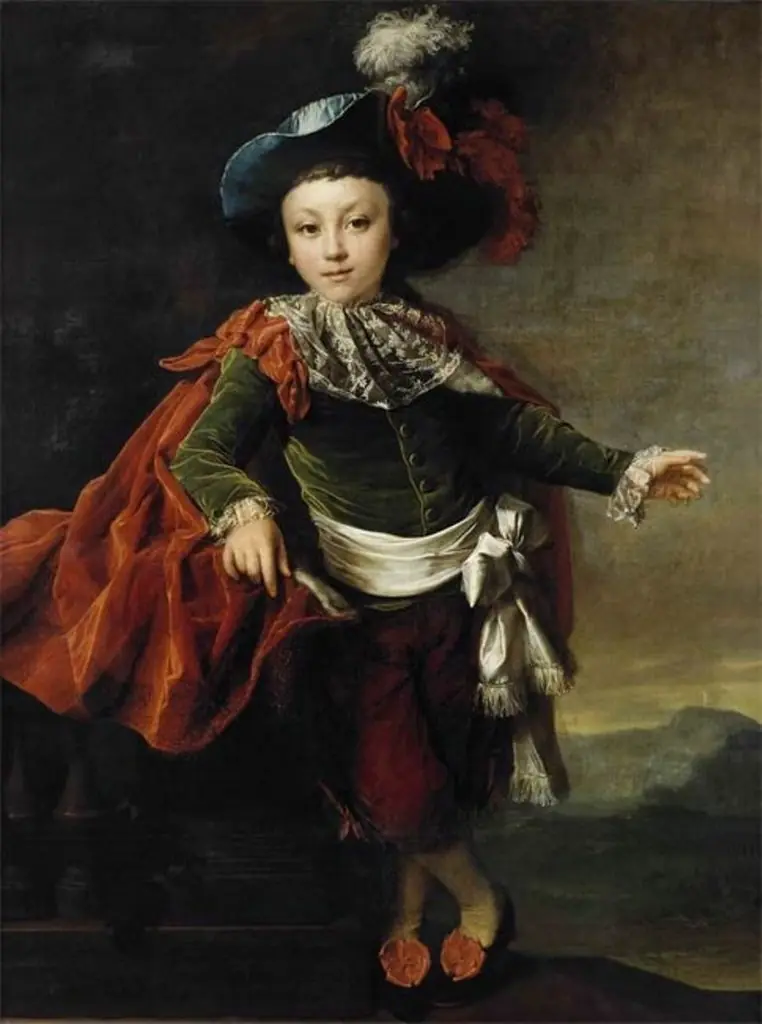 Portrait of F.P. Makerovsky in masquerade costume