Artwork
Portrait of Andrei Vasilyev
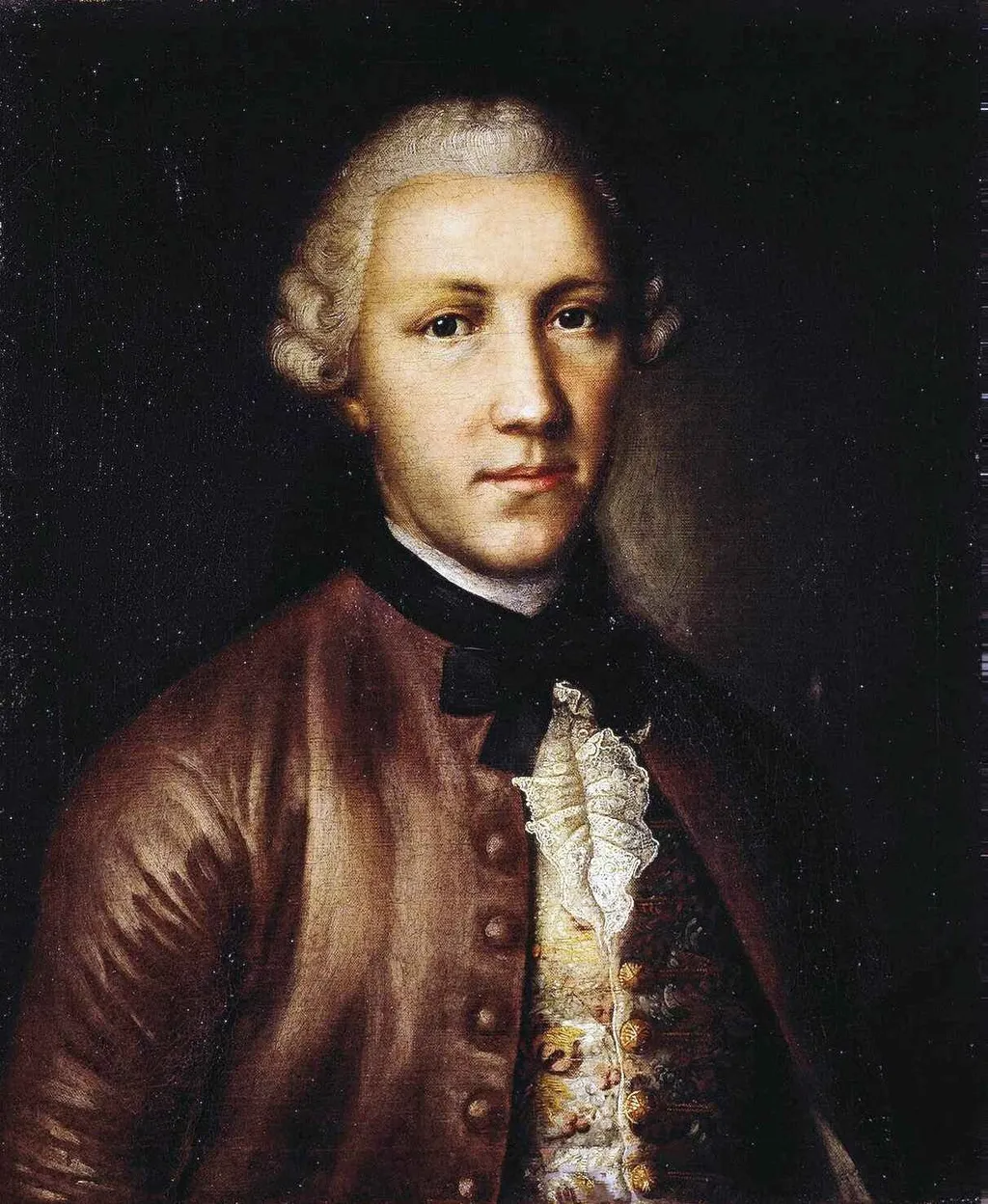
Portrait of Andrei Vasilyev is an oil painting by the Rococo painting artist Mina Kolokolnikov. It dates from 1760 and is held in the collection of the Hermitage Museum. This 1760 oil painting depicts Andrei Vasilyev, a figure rendered with restrained elegance.
About this work
Overview
This 1760 oil painting depicts Andrei Vasilyev, a figure rendered with restrained elegance. The composition relies on a stark contrast between the subject and a uniformly dark background, a choice that isolates the sitter’s features and attire. Executed by Mina Kolokolnikov, the work resides in the State Hermitage Museum, where it exemplifies mid-18th-century portrait conventions in Russia.
Subject & Meaning
The portrait presents a man of evident status, suggested by his tailored dark coat and crisp white cravat.
The portrait presents a man of evident status, suggested by his tailored dark coat and crisp white cravat. His expression is composed, even severe, conveying a sense of gravity or introspection. The absence of contextual elements—emblems, landscapes, or symbolic objects—shifts focus entirely to the sitter’s demeanor, inviting interpretation of his character or social role rather than overt narrative.
Technique & Style
Kolokolnikov employs a controlled use of light to model the subject’s face and hands, a method that heightens their three-dimensionality against the flat, dark backdrop. Subtle gradations of tone define the textures of fabric and skin, while fine brushwork captures the delicate folds of the cravat and the sheen of the coat. This approach aligns with the chiaroscuro technique, which emphasizes volume through contrast.
History & Provenance
Created in 1760, the portrait has been part of the State Hermitage Museum’s collection for an extended period, though specific details of its early ownership remain undocumented. Its preservation suggests it was valued within institutional or private holdings, likely passing through collections that recognized its representation of 18th-century Russian portraiture.
Context
The painting reflects the aesthetic priorities of its time, when portraiture served both as personal commemoration and as a display of social standing. The simplicity of the composition—devoid of allegorical or decorative excess—aligns with a broader European trend toward naturalism and psychological presence in portraiture, adapted here to the Russian context.
Artist & collection

 Giovanni Domenico Tiepolo (1727-1804)
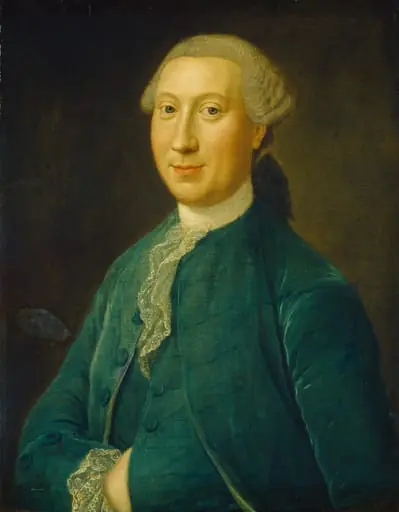 Portrait of a Man
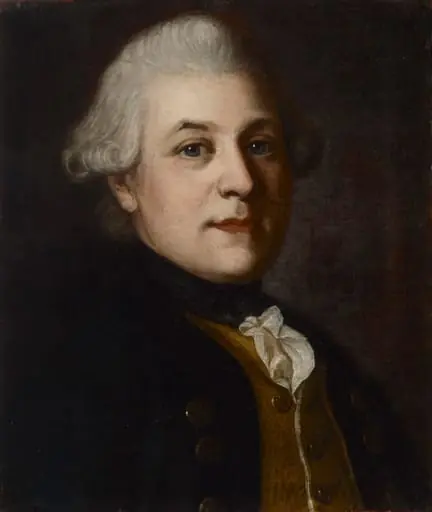 Herr Dristel
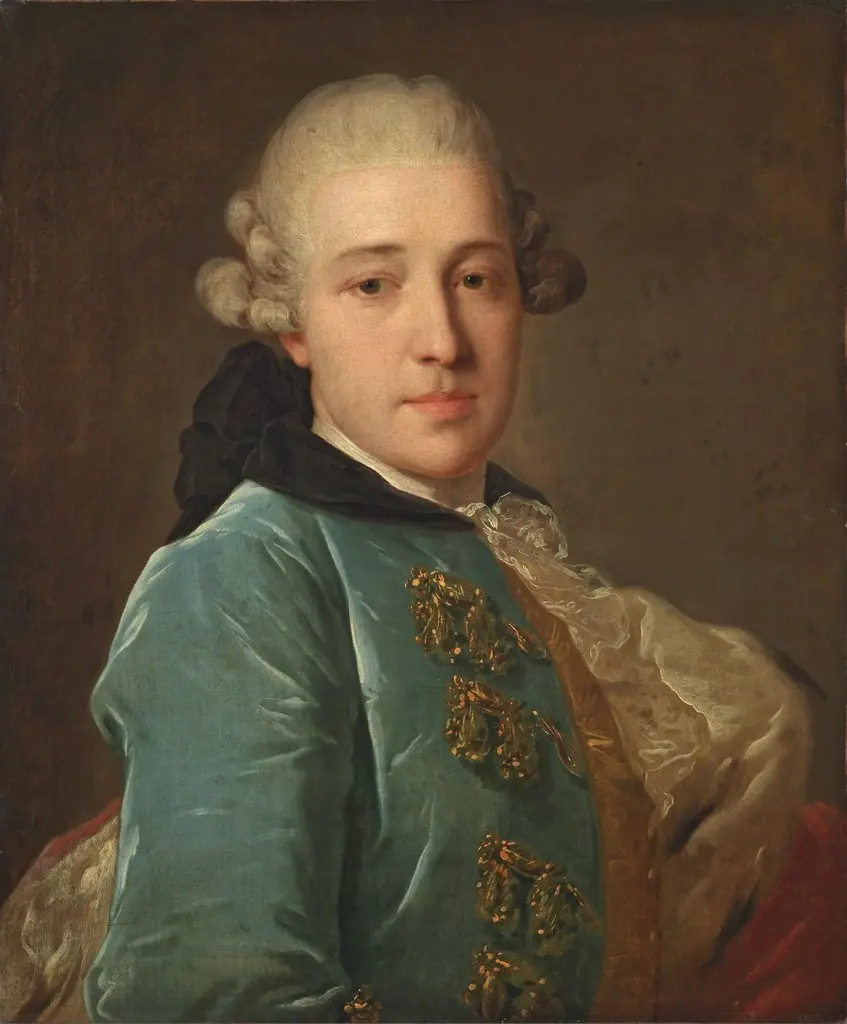 Portrait of Prince Dmitry Mikhailovich Golitsyn
 Tuntematon mies
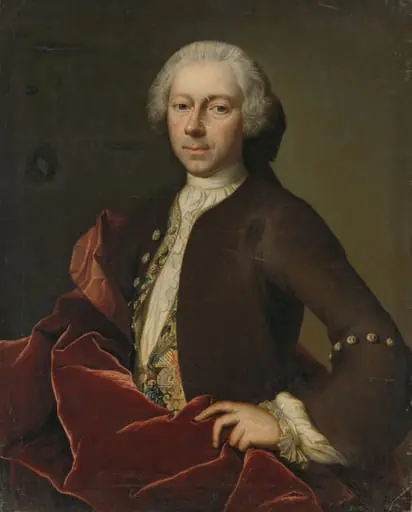 Portrait of Pieter Parker, Alderman, Burgomaster and Councilor of Goes
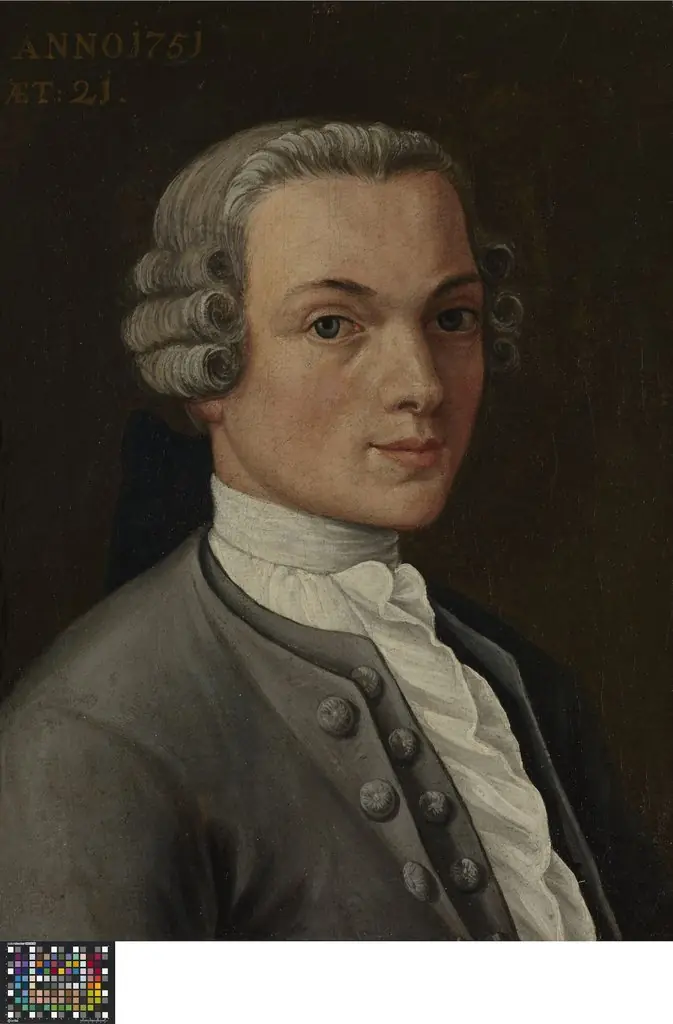 Zelfportret
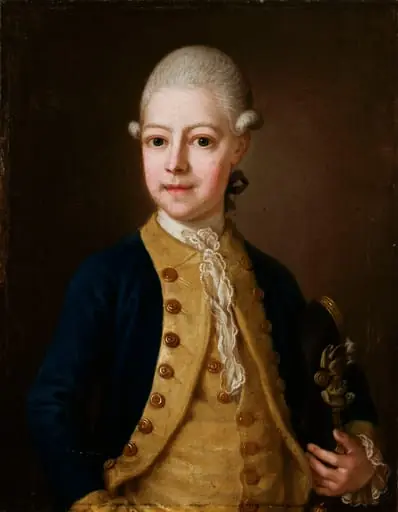 Carl Johan von Schultzenheim
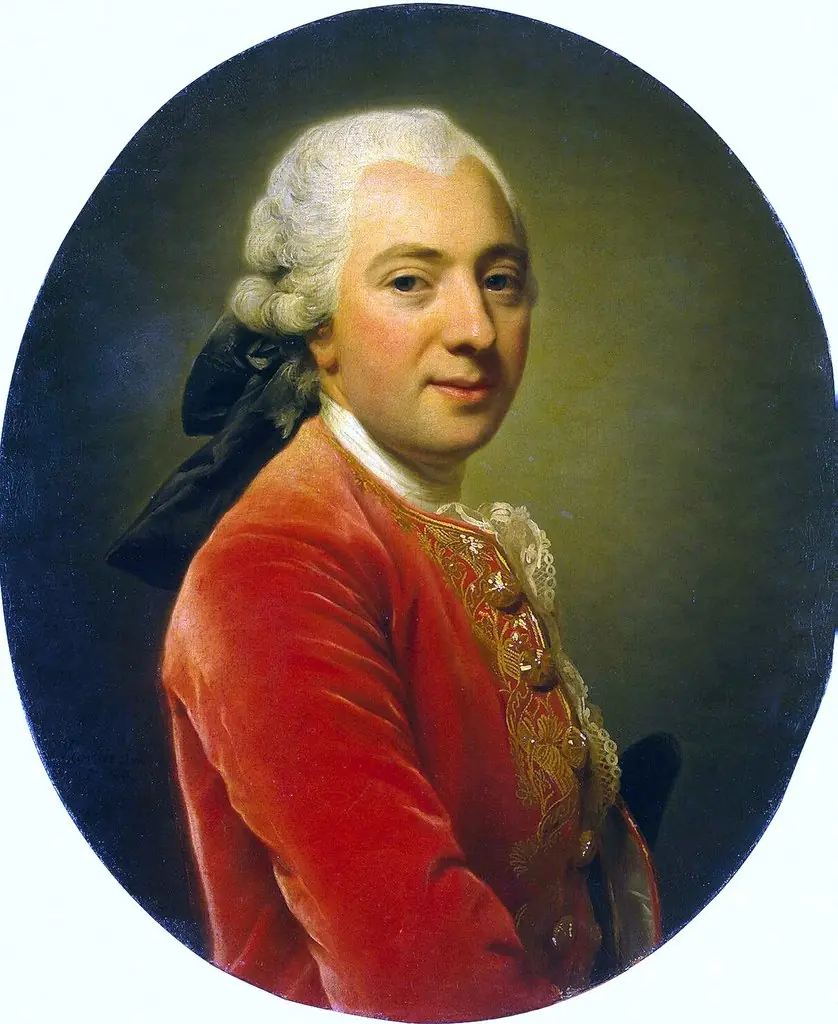 Portrait of a Man Wearing a Red Caftan
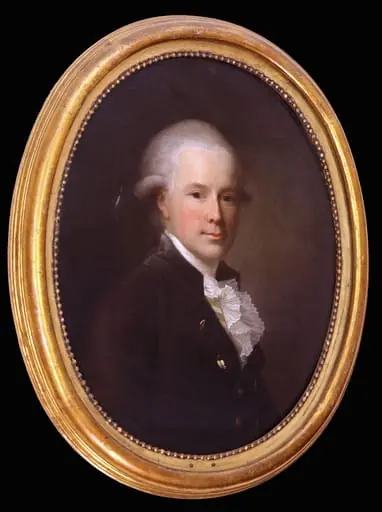 Amtmand, geheimeråd Antoine de la Calmette
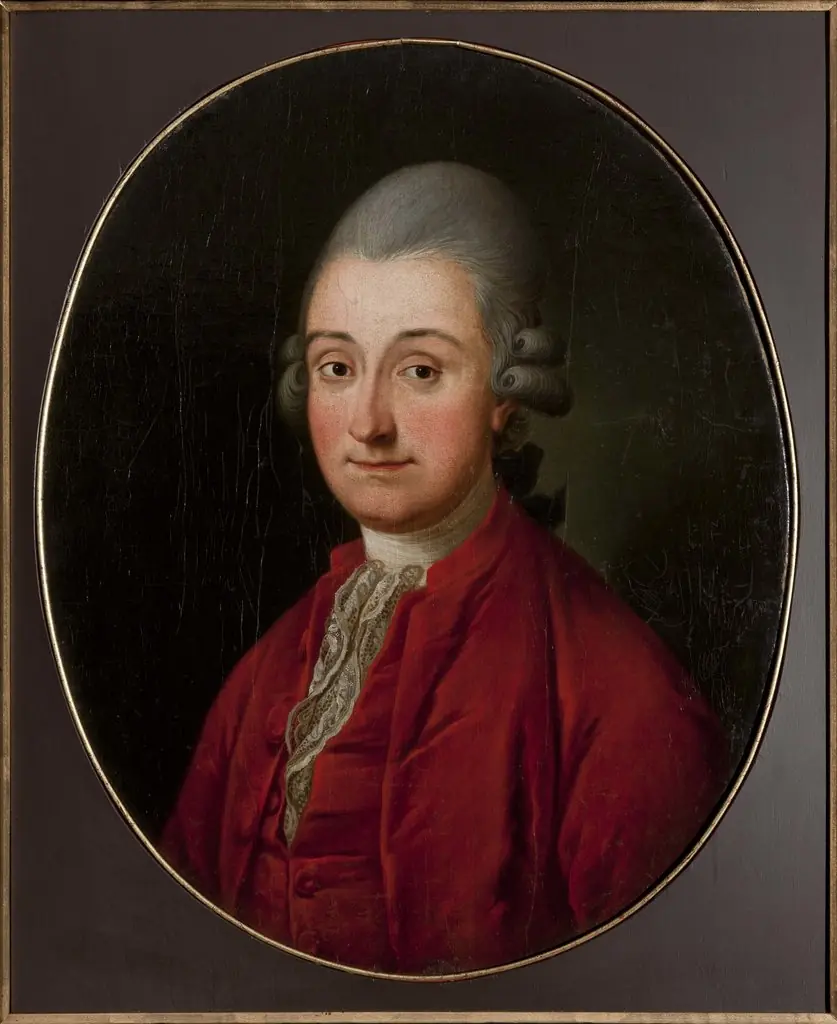 Portrait of Franciszek Dembiński (?–1776), the last starost of Wolbrom
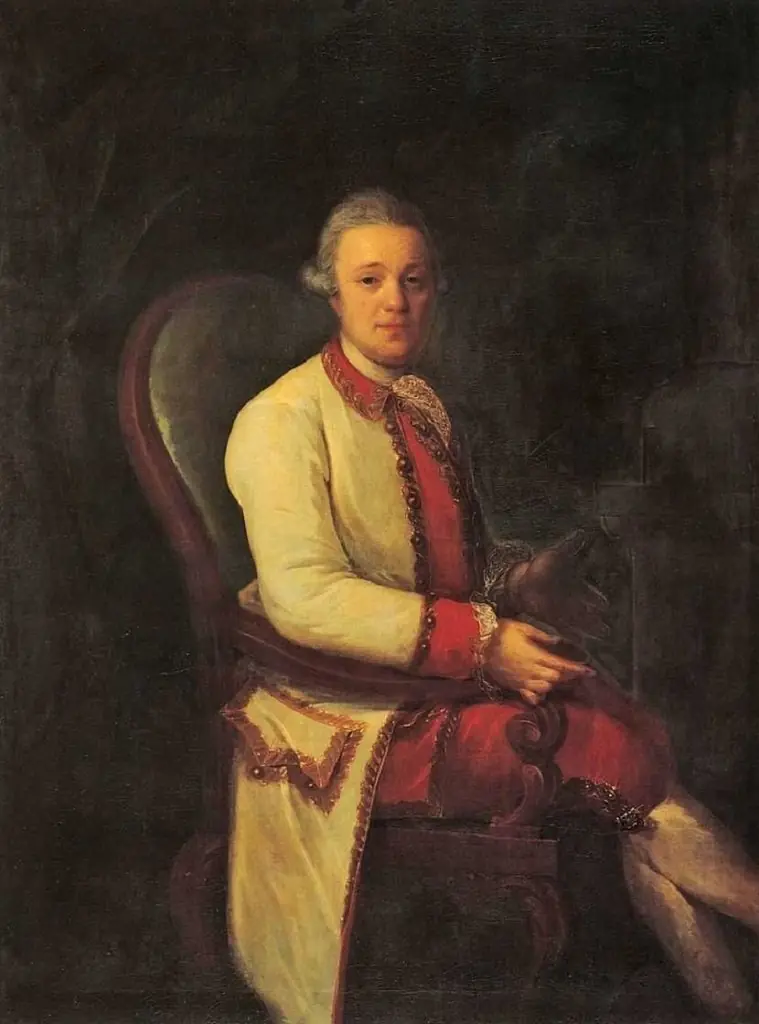 Portrait of Ivan N. Tutchev