Artwork
Peisaj Sighișoara
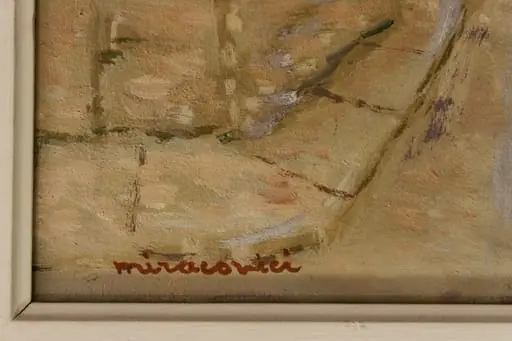
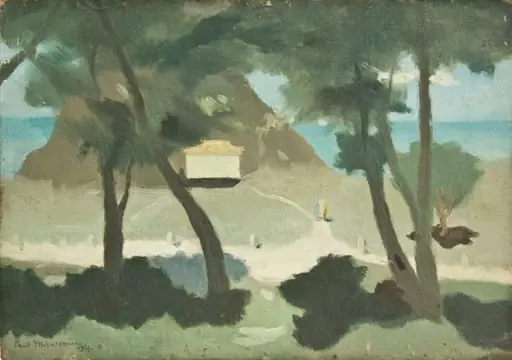
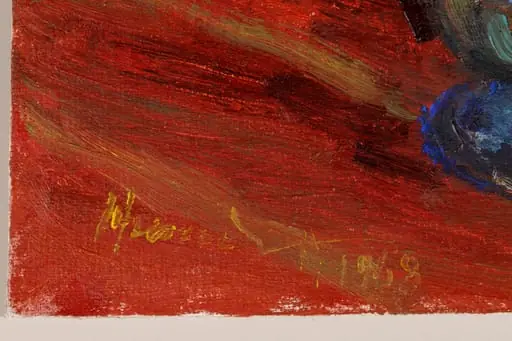
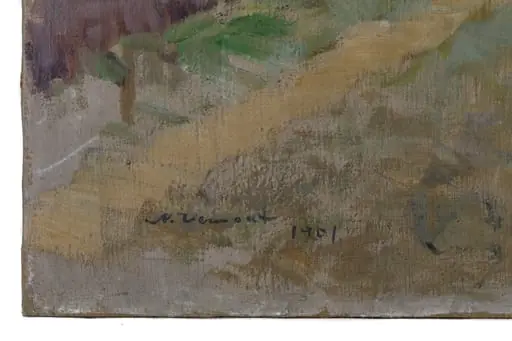
Peisaj Sighișoara is an unspecified painting by Paul Miracovici. It dates from 1949 and is held in the collection of the Gavrila Simion Eco-Museum Research Institute Tulcea.
About this work
Overview
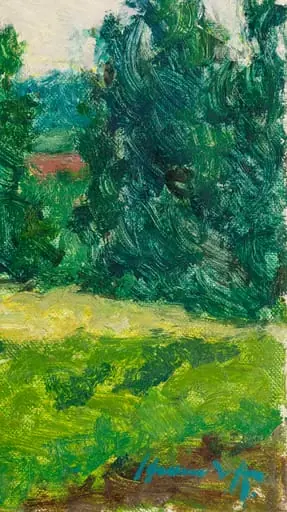
Created around 1949, Paul Miracovici’s Peisaj Sighișoara presents a tranquil vista of a historic settlement. The composition centers on a substantial stone structure—interpreted as a church or fortress—flanked by a modest stand of trees beneath a clear blue sky. The overall tone is subdued, allowing the architecture and foliage to emerge gently from the lighter atmosphere.
Subject & Meaning
The work captures a moment of everyday stillness in the medieval town of Sighișoara, emphasizing the relationship between built heritage and its natural surroundings. By focusing on the dominant building, Miracovici underscores the town’s cultural continuity, while the surrounding trees suggest a harmonious coexistence of human and landscape.
Technique & Style
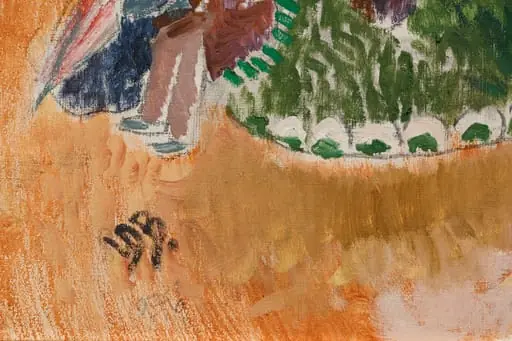
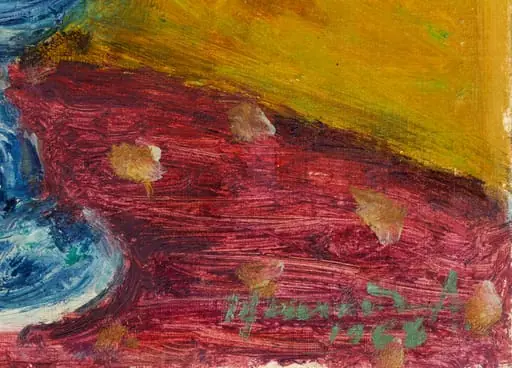
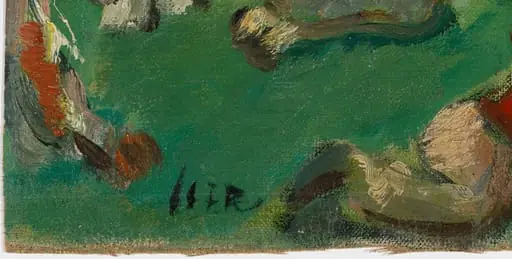
Miracovici employs a restrained palette of warm, muted hues that convey depth through subtle tonal shifts. Visible brushstrokes lend a tactile quality to stone walls and leaf clusters, while the soft gradations of the sky enhance atmospheric perspective. The overall approach reflects a modest realism tempered by an impressionistic sensitivity to light.
History & Provenance
The painting entered the collection of the Museum of Ethnography shortly after its creation, where it remains on display. Its acquisition aligns with the museum’s focus on documenting regional cultural landscapes, providing a visual record of Sighișoara’s architectural heritage during the mid‑20th century.
Artist & collection
Museum
Gavrila Simion Eco-Museum Research Institute Tulcea
Continue through works from the same source collection.