Artwork
Țărani la odihnă (fragment)
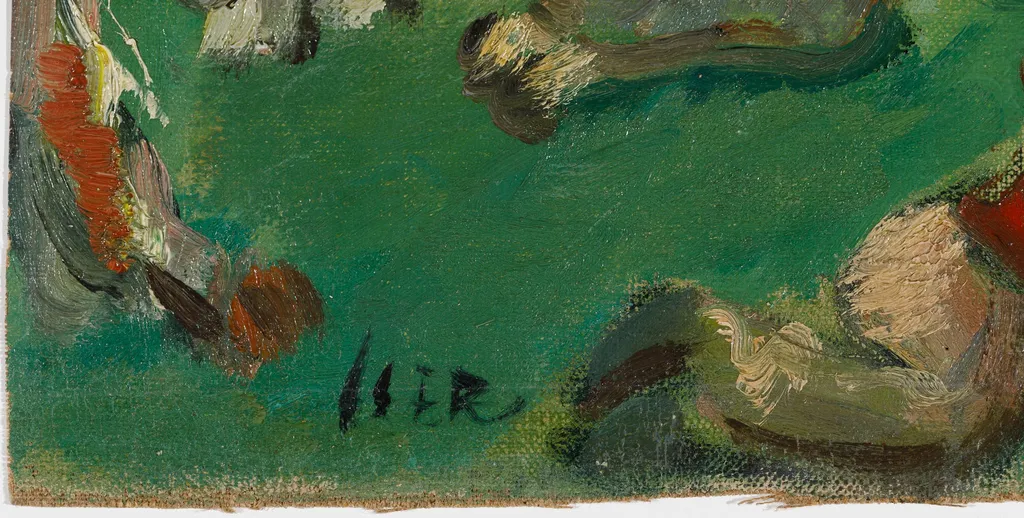
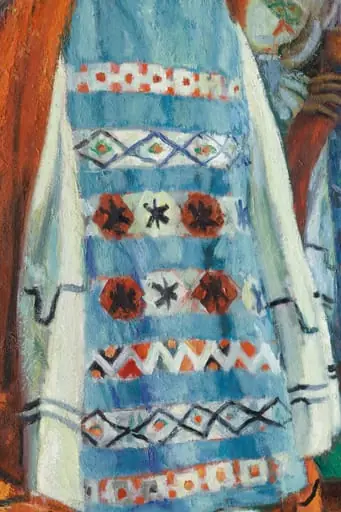
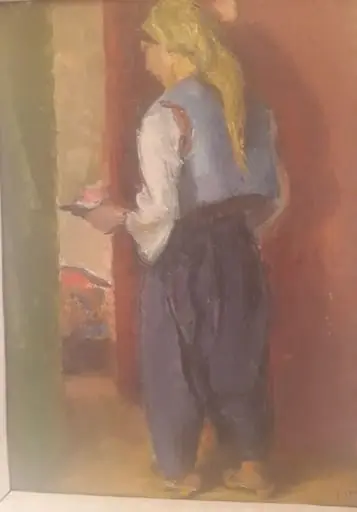
Țărani la odihnă (fragment) is an unspecified painting by Iosif Iser. It dates from 1937 and is held in the collection of the National Museum of Art of Romania.
About this work
Overview
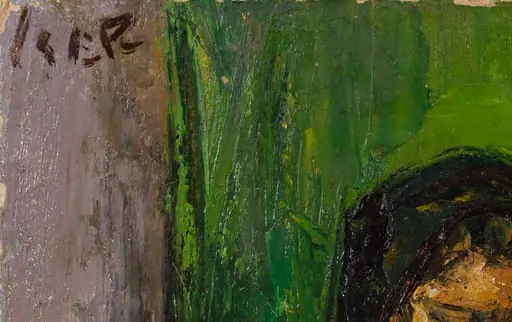
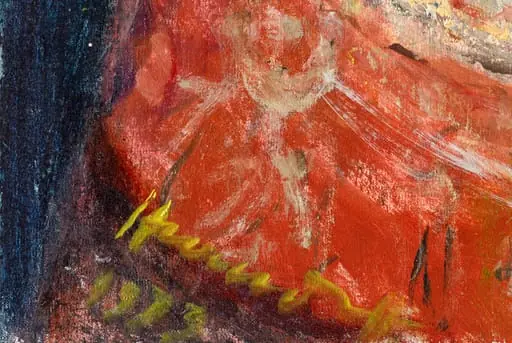
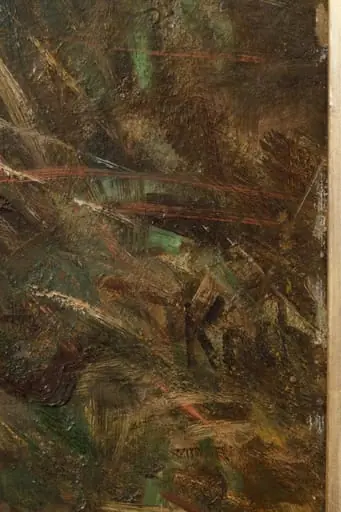
Created around 1937, this fragment by Romanian painter Iosif Iser depicts a stark rural tableau. The composition centers on a figure reclined on the ground, partially concealed by earth, with a tree trunk and scattered stones forming the surrounding landscape. The palette is dominated by muted greens, browns and reds, evoking a somber, earthy atmosphere.
Subject & Meaning
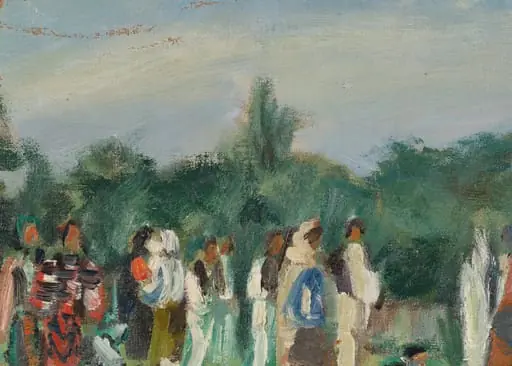
The work presents a moment of rest—or perhaps exhaustion—among peasant laborers, suggesting the physical toll of agrarian life. The half‑buried figure may symbolize the close relationship between the workers and the land they till, while the surrounding natural elements underscore the harshness of the environment in which they exist.
Technique & Style
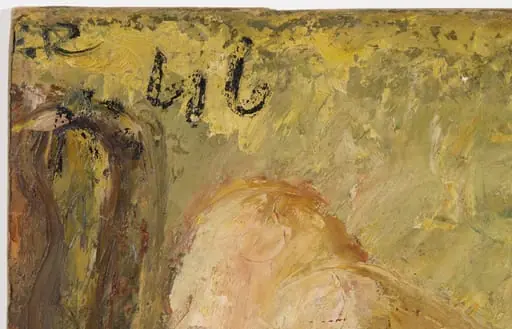
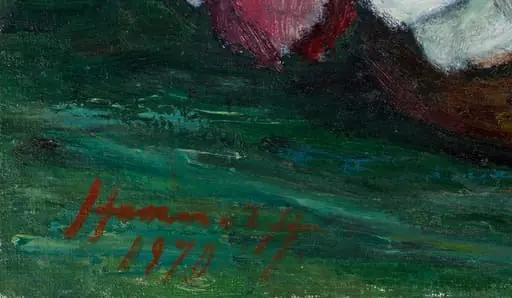
Iser employs a heavily impastoed surface, applying paint in thick, uneven strokes that give the canvas a tactile, almost sculptural quality. The vigorous brushwork creates a sense of immediacy and rawness, while the limited, earthy color scheme reinforces the work’s grounded, unembellished character.
History & Provenance
The fragment is dated to the late 1930s, a period when Iser was exploring social themes through a modernist lens. Its provenance is limited to museum collections that acquired the piece after World War II, reflecting the artist’s growing recognition in Romanian art circles during the mid‑twentieth century.
Artist & collection
Artist
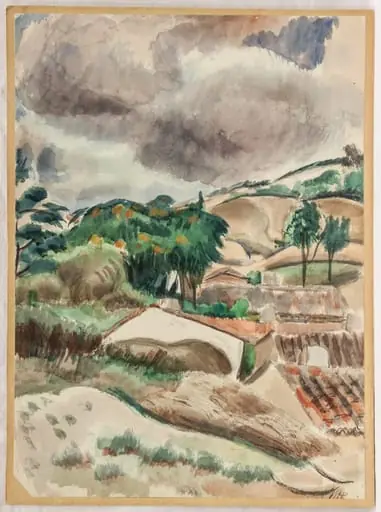
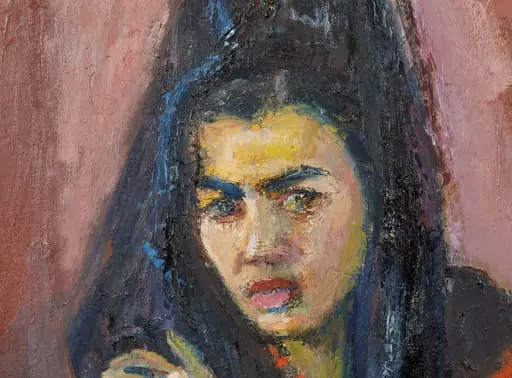
Iosif Iser painted everyday life with a focus on people and places. His 1933 work *Paris. Strada Mouffetard* shows a lively street scene in Paris, while *Nud pe fotoliu* depicts a seated nude figure. His brushwork…