Artwork
Nicolae Kretzulescu (prim ministru al Principatelor Unite, ministru de interne)
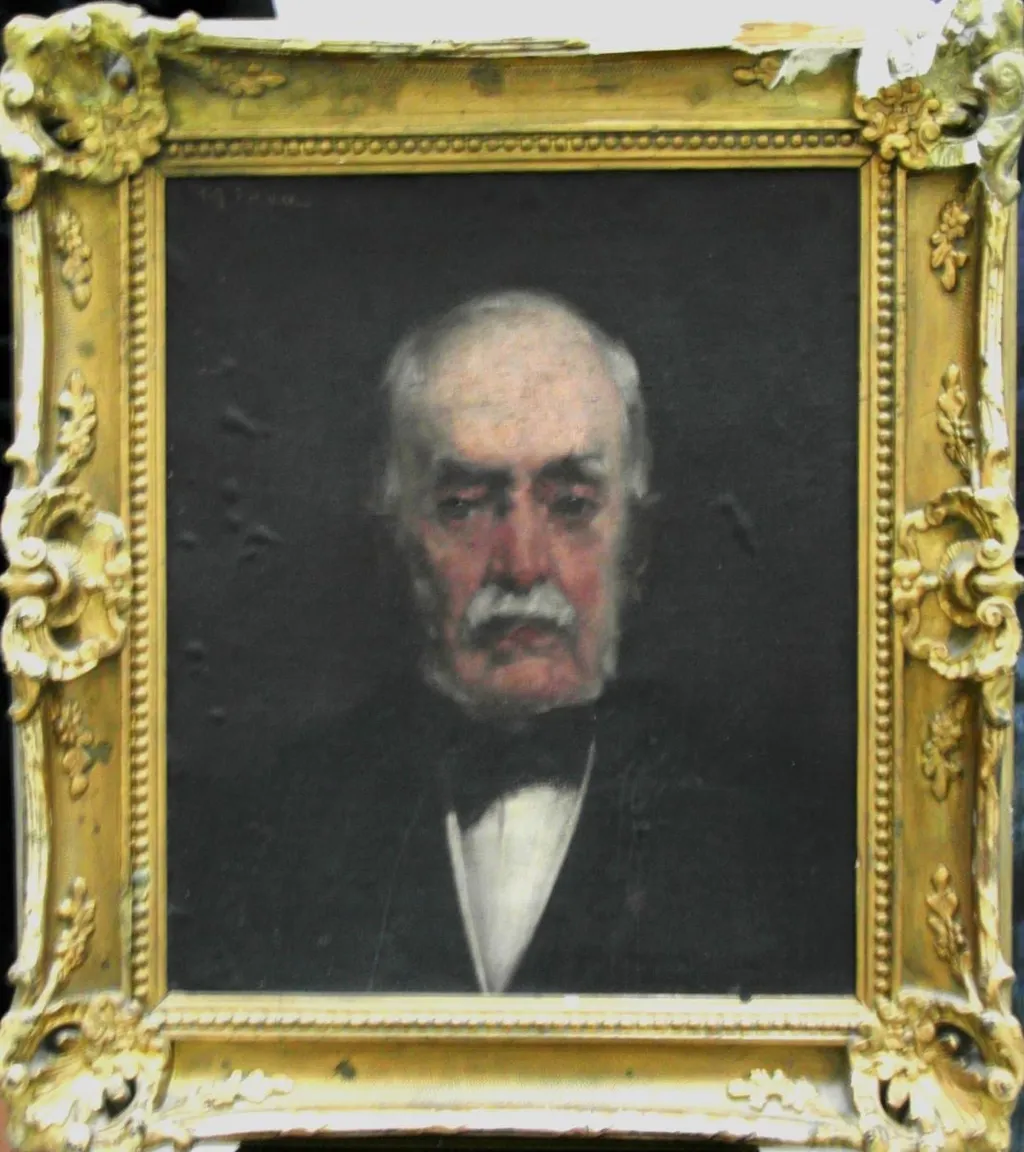
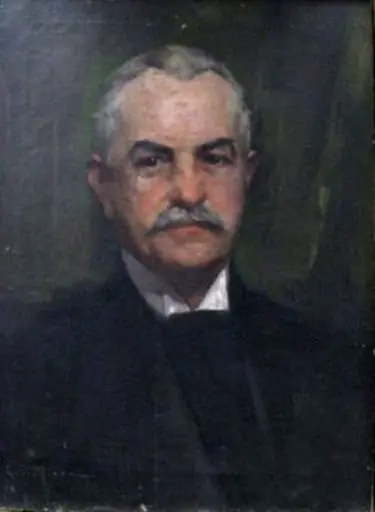
Nicolae Kretzulescu (prim ministru al Principatelor Unite, ministru de interne) is an unspecified painting by George Mirea-Demetrescu. It dates from 1850 and is held in the collection of the National Museum of Romanian History.
About this work
Overview
Rendered in a dark, unadorned background, the image presents the statesman in a formal dark suit, his white moustache contrasting with the somber tones.
George Mirea‑Demetrescu’s portrait, executed around 1850, depicts Nicolae Kretzulescu, who served as prime minister of the United Principalities and interior minister. Rendered in a dark, unadorned background, the image presents the statesman in a formal dark suit, his white moustache contrasting with the somber tones. The work is framed in gilded wood with elaborate carved mouldings, emphasizing its commemorative purpose.
Subject & Meaning
The sitter, Kretzulescu, appears with a solemn expression, reflecting the gravitas associated with his political offices. The plain black backdrop eliminates distractions, focusing attention on his visage and attire, thereby underscoring authority and the seriousness of public service during a formative period in Romanian governance.
Technique & Style
Mirea‑Demetrescu employs chiaroscuro, using strong contrasts of light and shadow to model the facial features and highlight the moustache against the dark suit. The limited palette and restrained brushwork convey a realistic likeness while the subtle gradations give the portrait a three‑dimensional presence within the flat background.
History & Provenance
Created circa 1850, the portrait likely originated as a state commission to honor Kretzulescu’s tenure. It has remained associated with official collections documenting the leaders of the United Principalities, and the gilded frame suggests it was intended for display in a governmental or ceremonial setting.
Context
The mid‑nineteenth century was a period of nation‑building for the Romanian lands, and portraiture of political figures served to legitimize emerging institutions. This work aligns with contemporary European conventions of official portraiture, where sober composition and chiaroscuro conveyed both personal dignity and state authority.
Legacy
As one of the few visual records of Kretzulescu, the painting contributes to the visual historiography of Romania’s early political leadership. It continues to be referenced in scholarly works on the era’s iconography, illustrating how portraiture functioned as a tool of political representation.
Artist & collection
Artist
George Mirea-Demetrescu kept a studio above a Bucharest bakery, so the smell of fresh bread often drifted up while he painted.

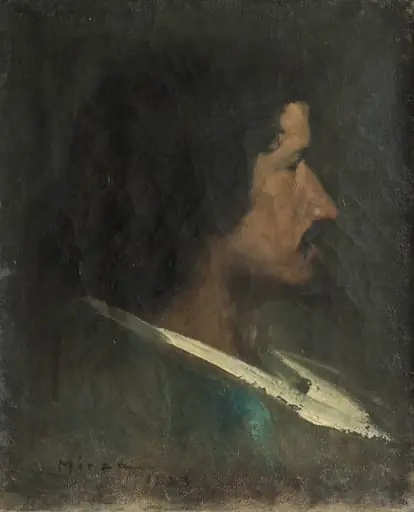
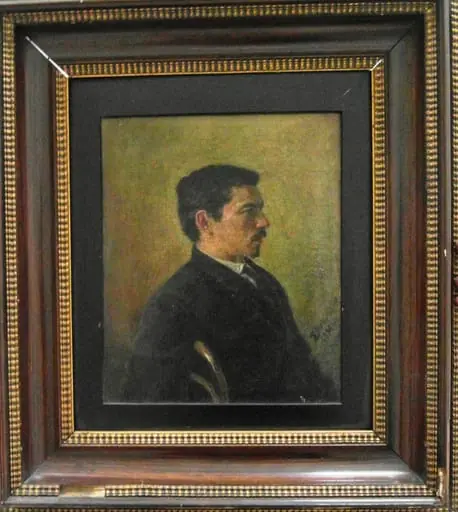 Portretul arhitectului Ziegfried Kofsinski
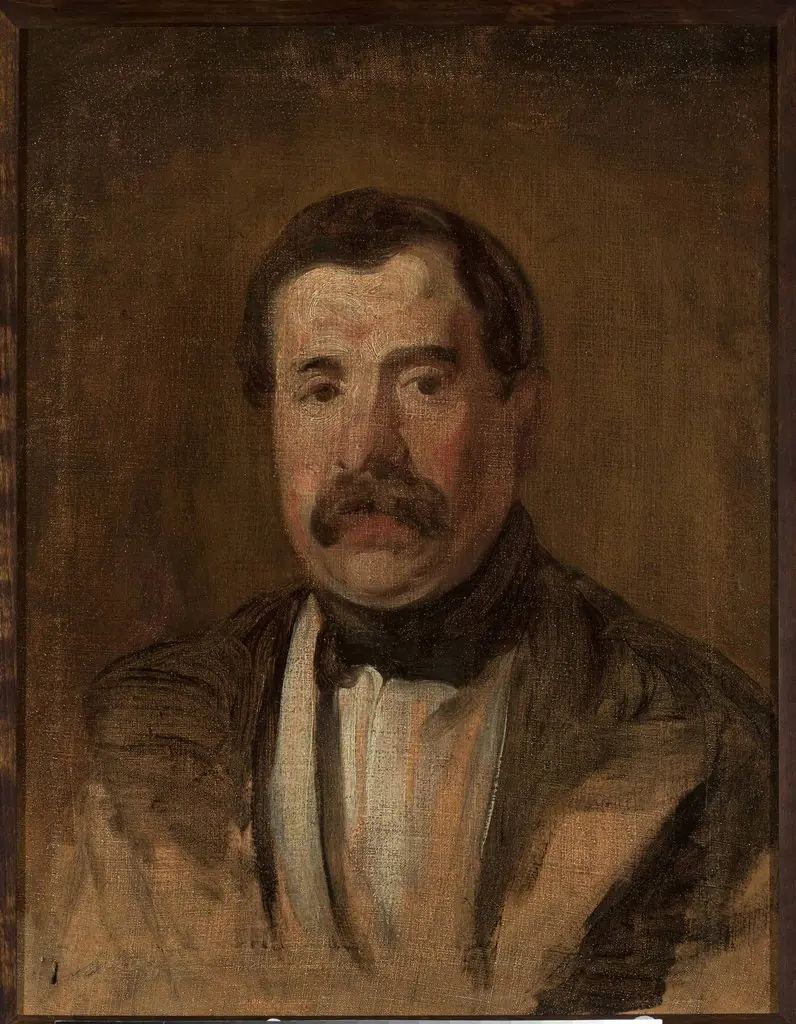 Portrait of Maksymilian Oborski
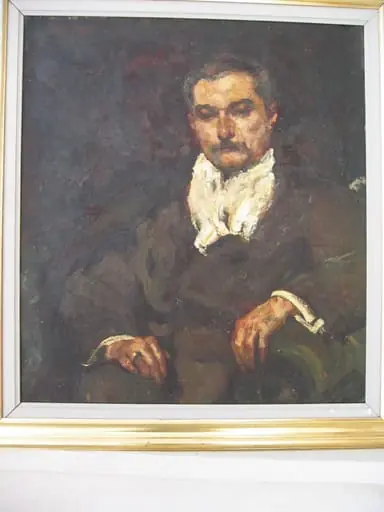 Portret de bărbat
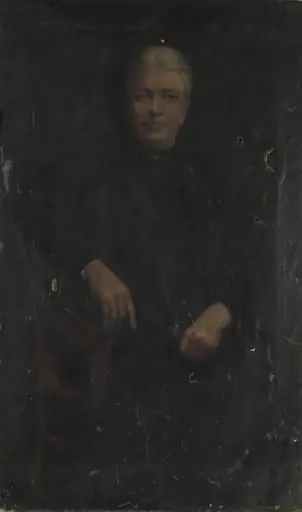 Προσωπογραφία γυναίκας ώριμης καθιστής
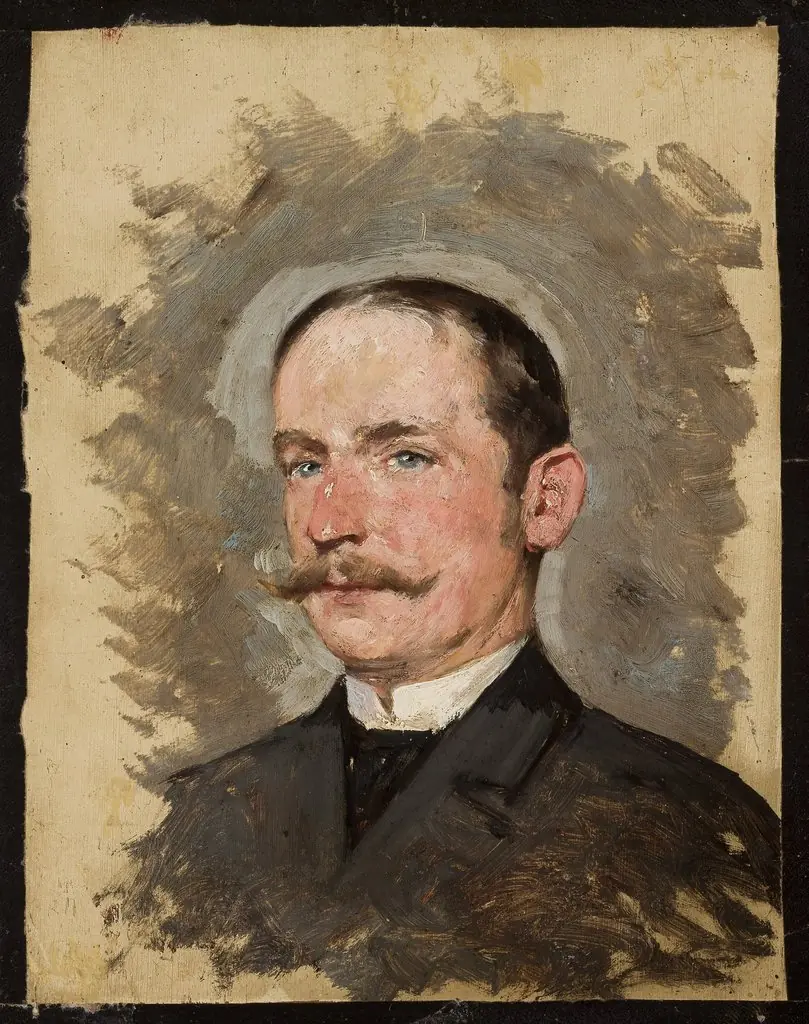 Portrait of a man
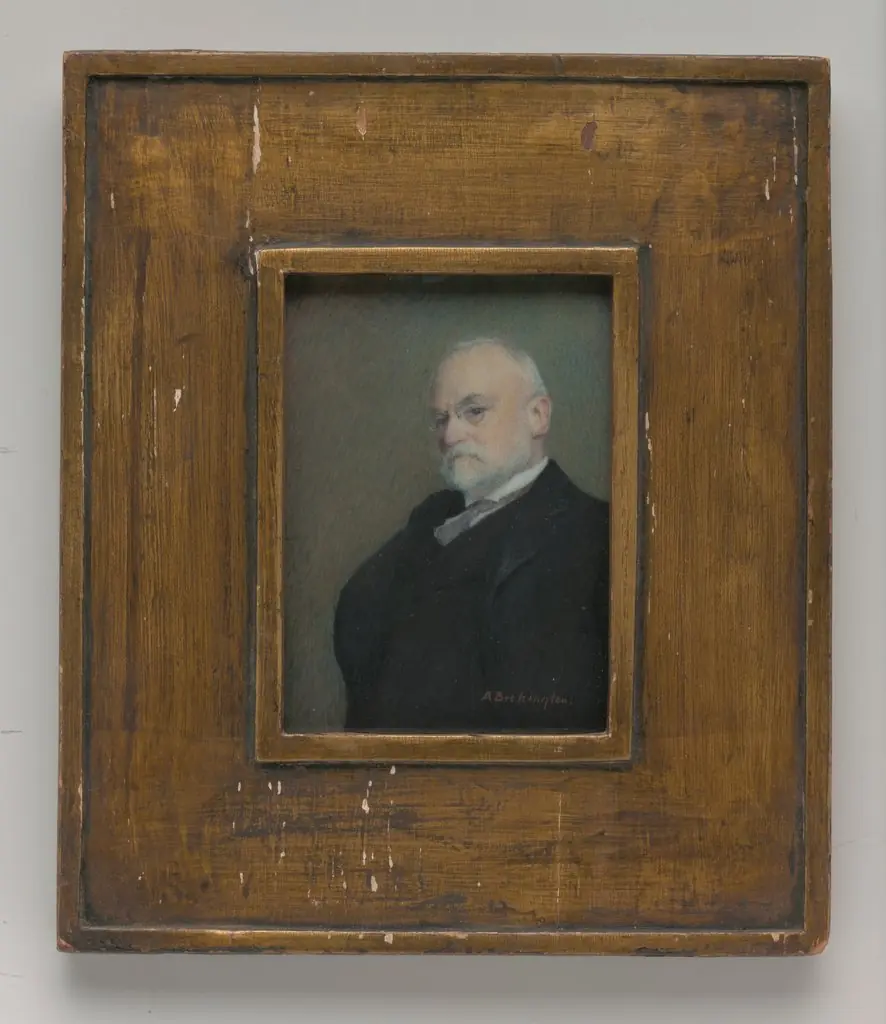 Richard Vaughn Lewis
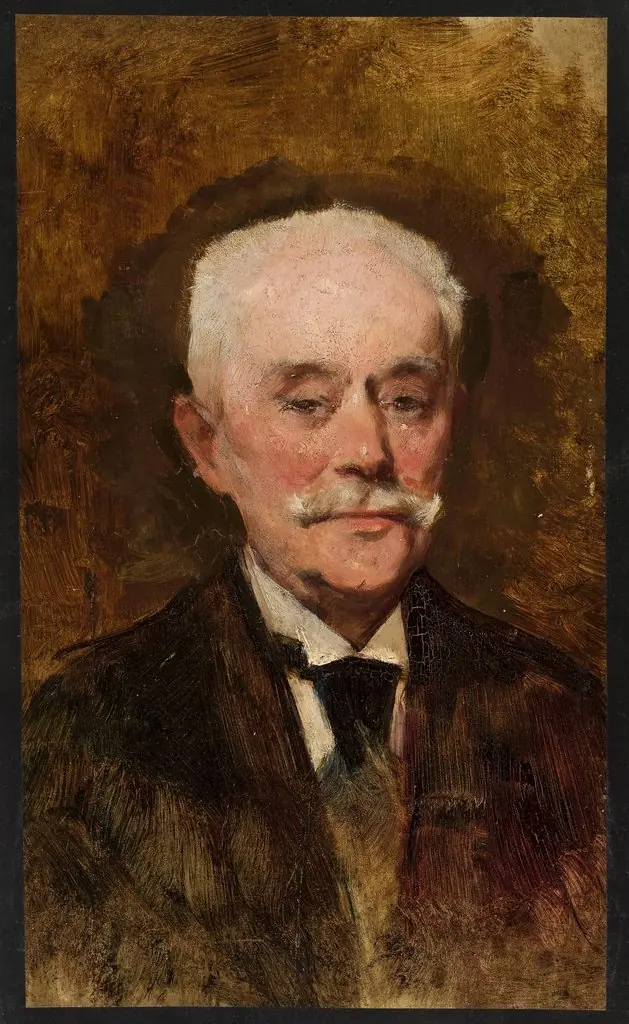 Portrait of an old man
 Portrait of an old man
 Portret de bărbat
 Portrait of a man with grey side-whiskers
 Portretul Profesorului Eugen Ciolac