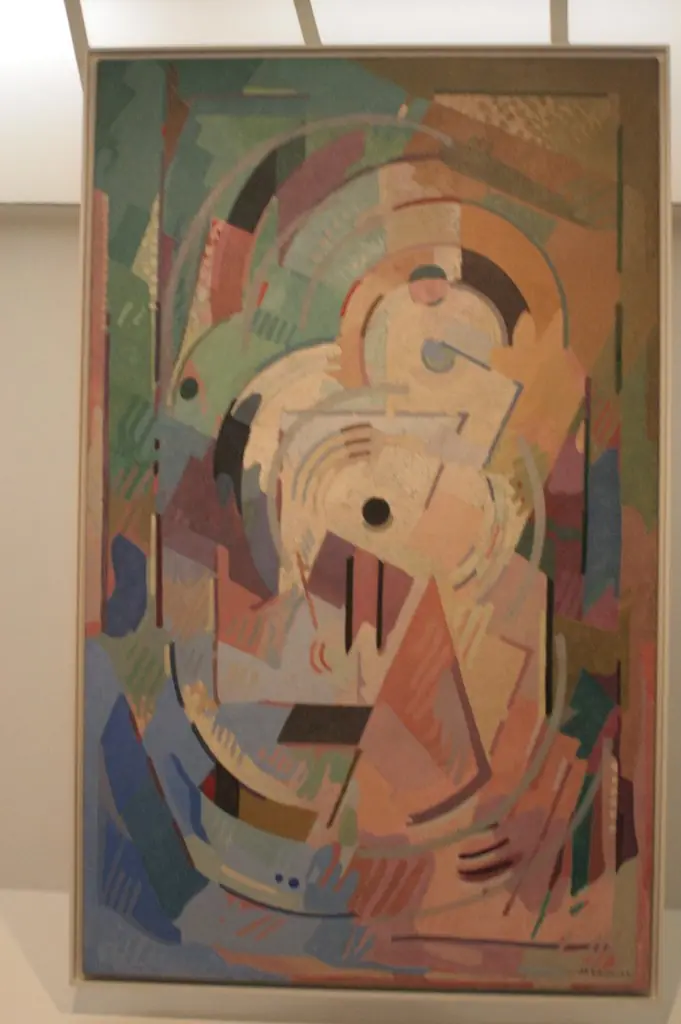
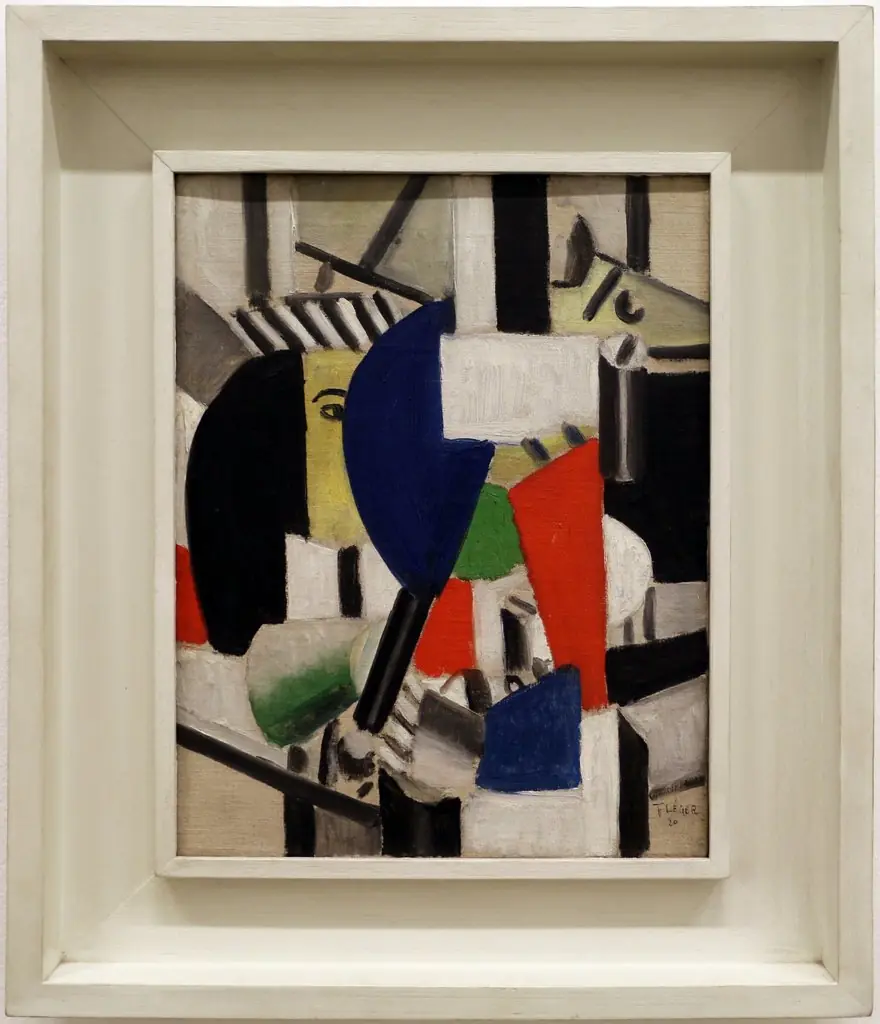
Artwork
Synchromy
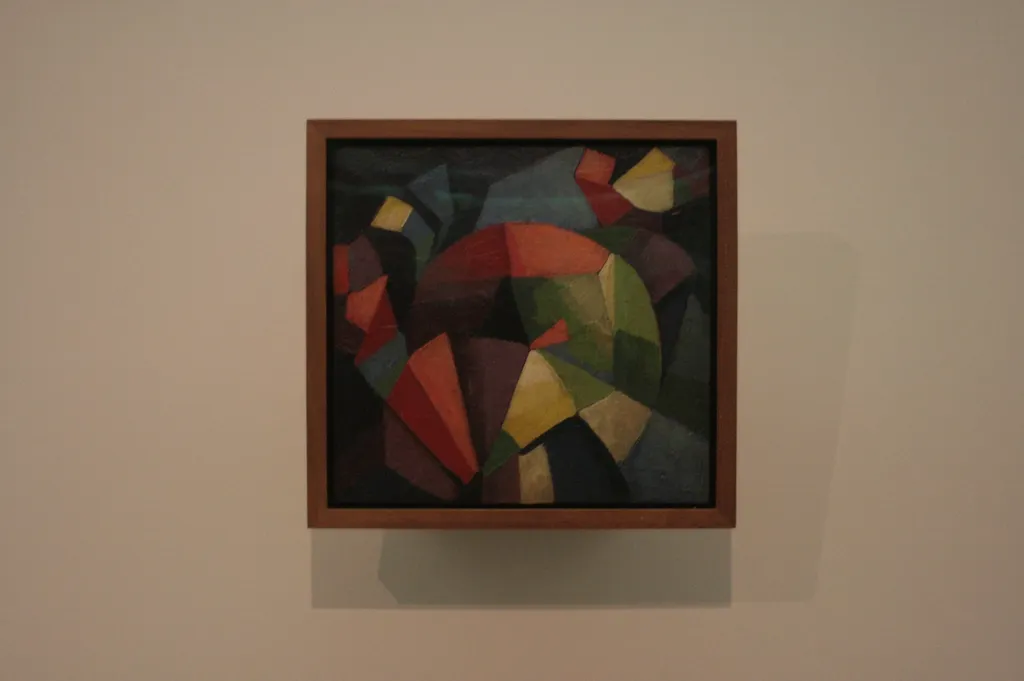
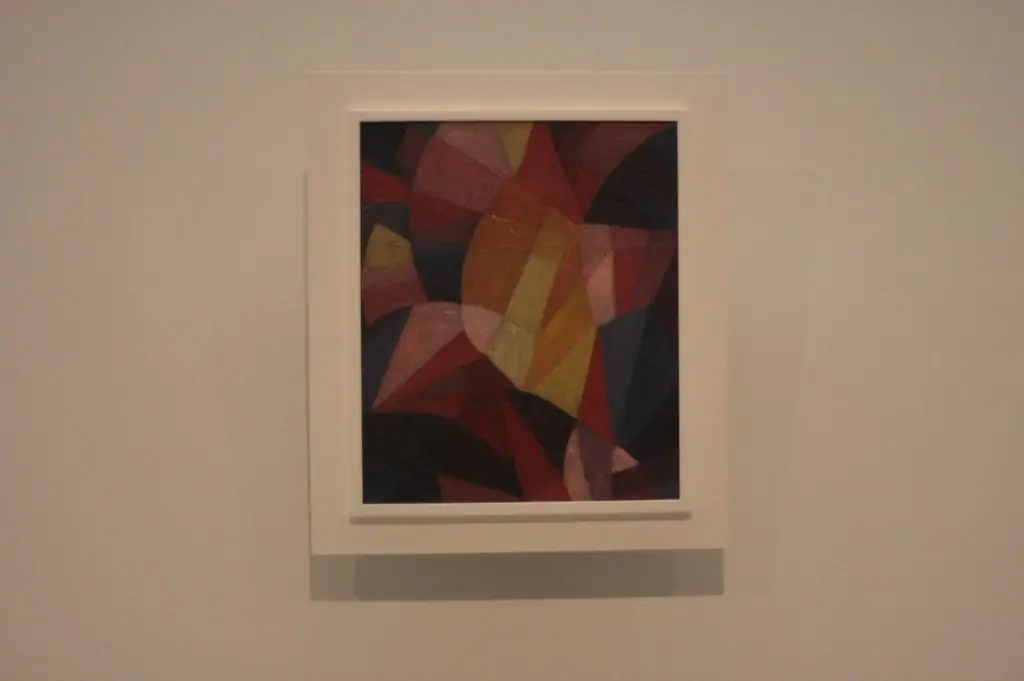
Synchromy is an unspecified painting by Morgan Russell. It dates from 1929 and is held in the collection of the Museum of Fine Arts, Houston.
About this work
Overview
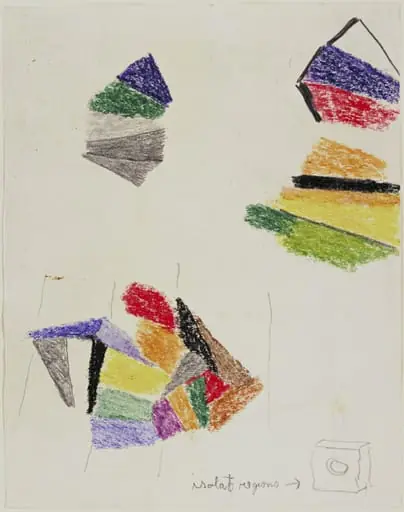
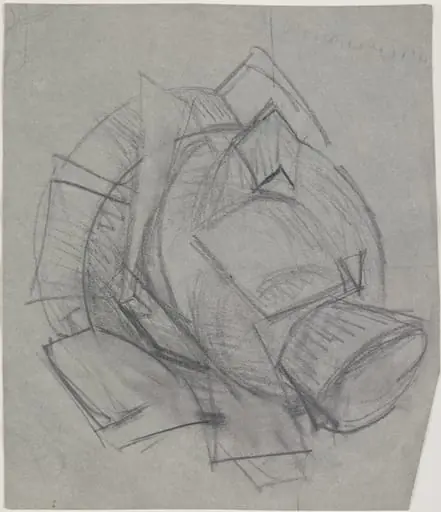
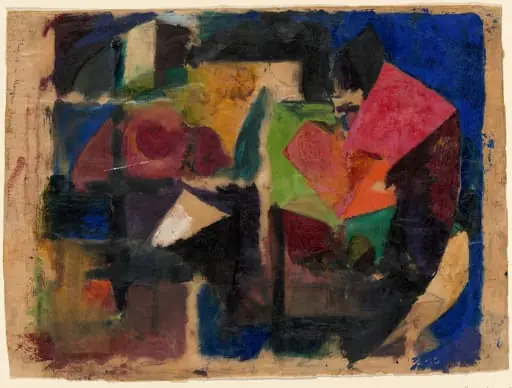
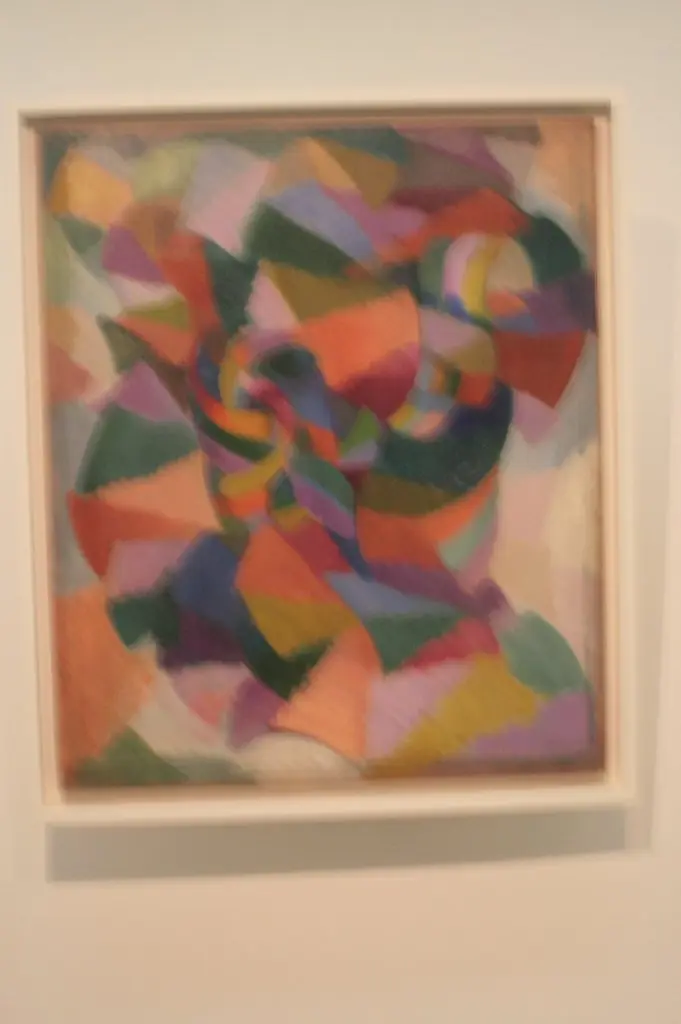
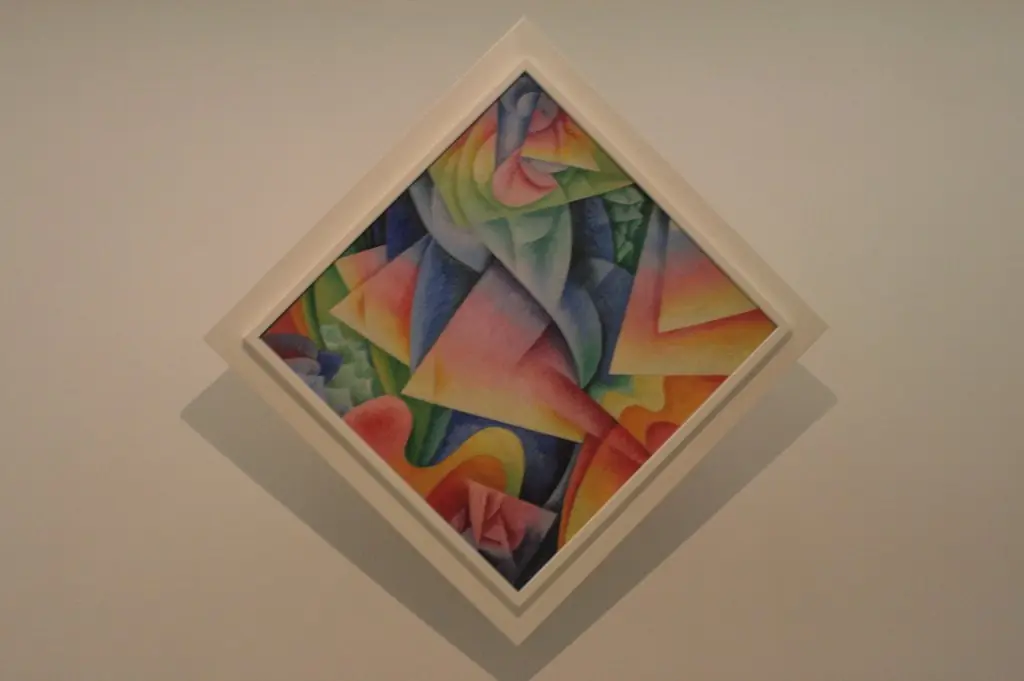
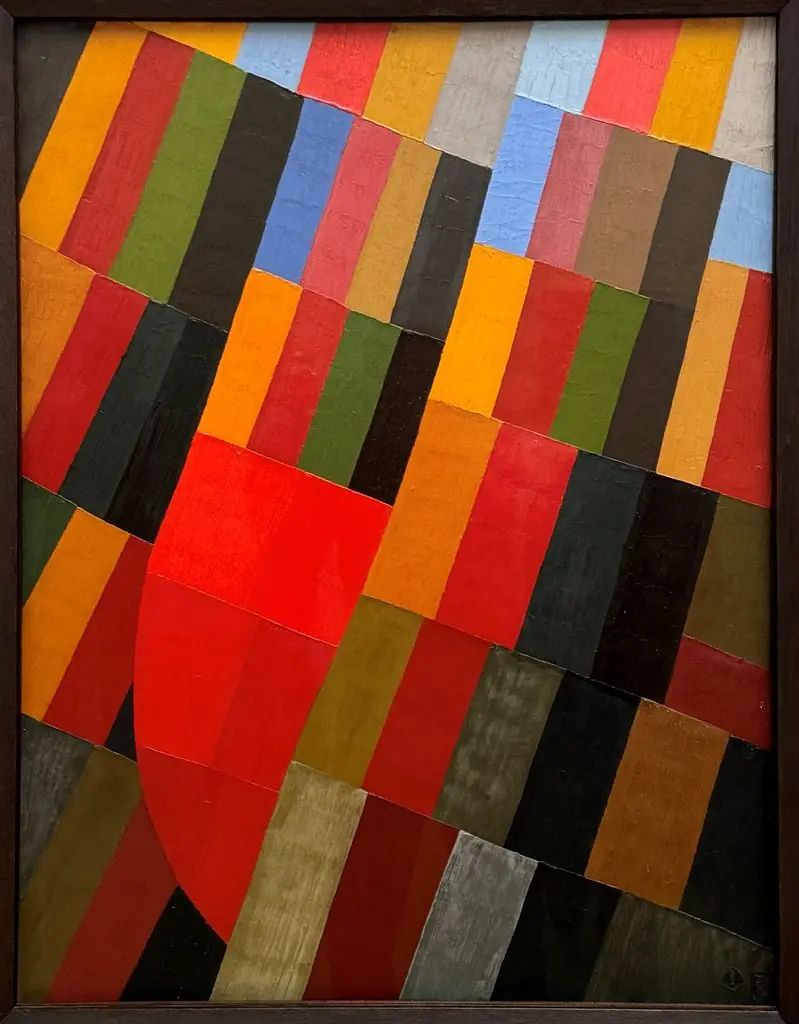
The composition consists of a dense field of geometric forms—rectangles, triangles and irregular shapes—layered in a seemingly spontaneous arrangement.
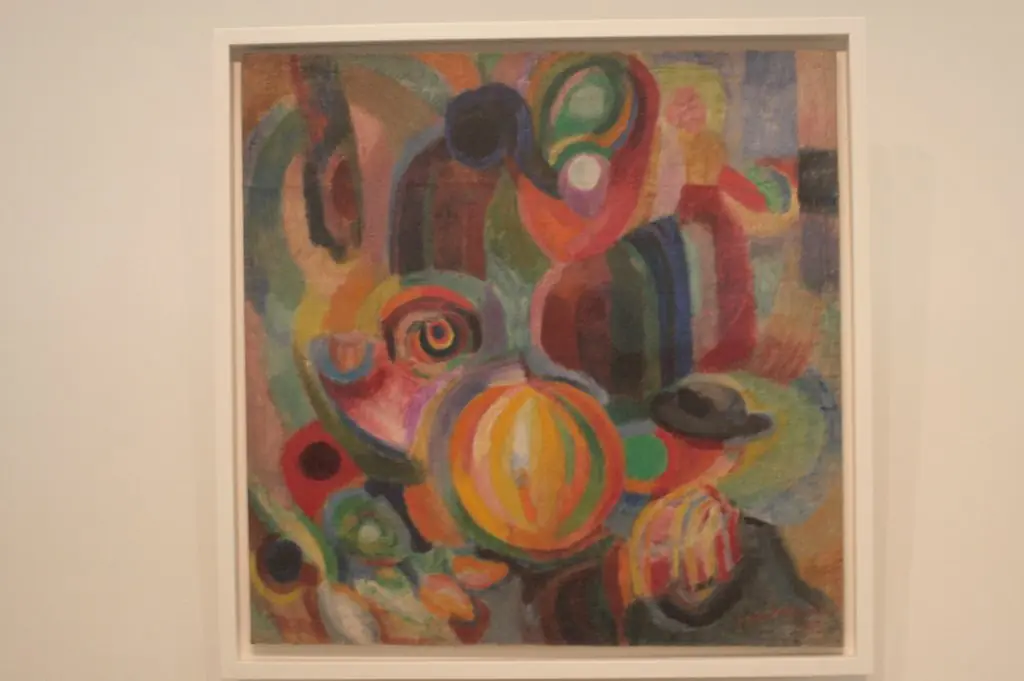
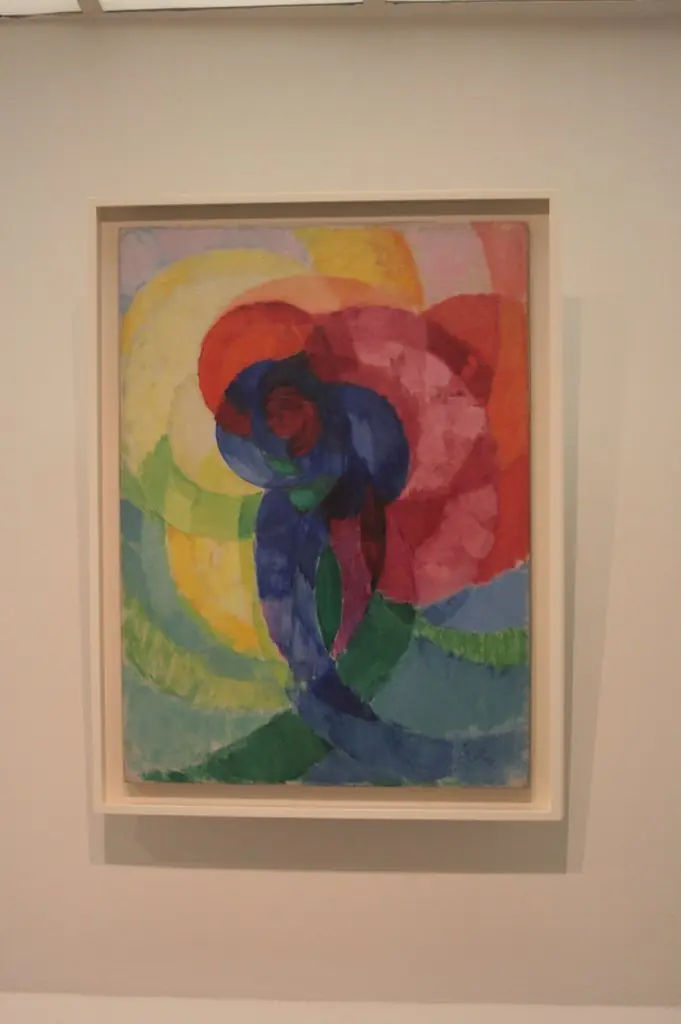
Created around 1929, Synchromy is an abstract oil painting by American modernist Morgan Russell. The composition consists of a dense field of geometric forms—rectangles, triangles and irregular shapes—layered in a seemingly spontaneous arrangement. A muted palette of reds, greens, blues and yellows rests against a dark gray ground, while a modest wooden frame encloses the work, lending subtle warmth to the overall presentation.
Subject & Meaning
The painting does not depict recognizable objects; instead it explores the visual impact of color and form interacting on the canvas. Russell’s arrangement suggests a musical rhythm, each shape acting as a visual note that contributes to an overall harmony. The overlapping elements create a sense of depth and movement, inviting viewers to experience the work as an abstract expression of visual tempo rather than narrative content.
Technique & Style
Russell employed oil on canvas, applying thin, flat washes that preserve the luminosity of each hue. The geometric shapes are delineated with crisp edges, yet the color transitions remain soft, emphasizing the interplay of adjacent tones. This approach aligns with the Synchromism movement, which sought to translate musical principles into visual terms through color modulation and compositional balance.
History & Provenance
Synchromy entered the collection of the Museum of Fine Arts, Houston, where it remains on view. The work was acquired after the artist’s death, reflecting a renewed institutional interest in early American abstraction during the late twentieth century. Its presence in the museum’s holdings underscores Russell’s role in the development of non‑representational painting in the United States.
Context
The painting emerged during a period when American artists were experimenting with European avant‑garde ideas, particularly the theories of color harmony advanced by artists such as Robert Delaunay. Russell, a co‑founder of the Synchromist movement, adapted these concepts to an American context, emphasizing a more restrained palette and a tighter compositional structure than his European counterparts.
Artist & collection

Artist
Morgan Russell was a modern American artist. With Stanton Macdonald-Wright, he was the founder of Synchromism, a provocative style of abstract painting that dates from 1912 to the 1920s. Russell's "synchromies," which…