Artwork
Arm Organization
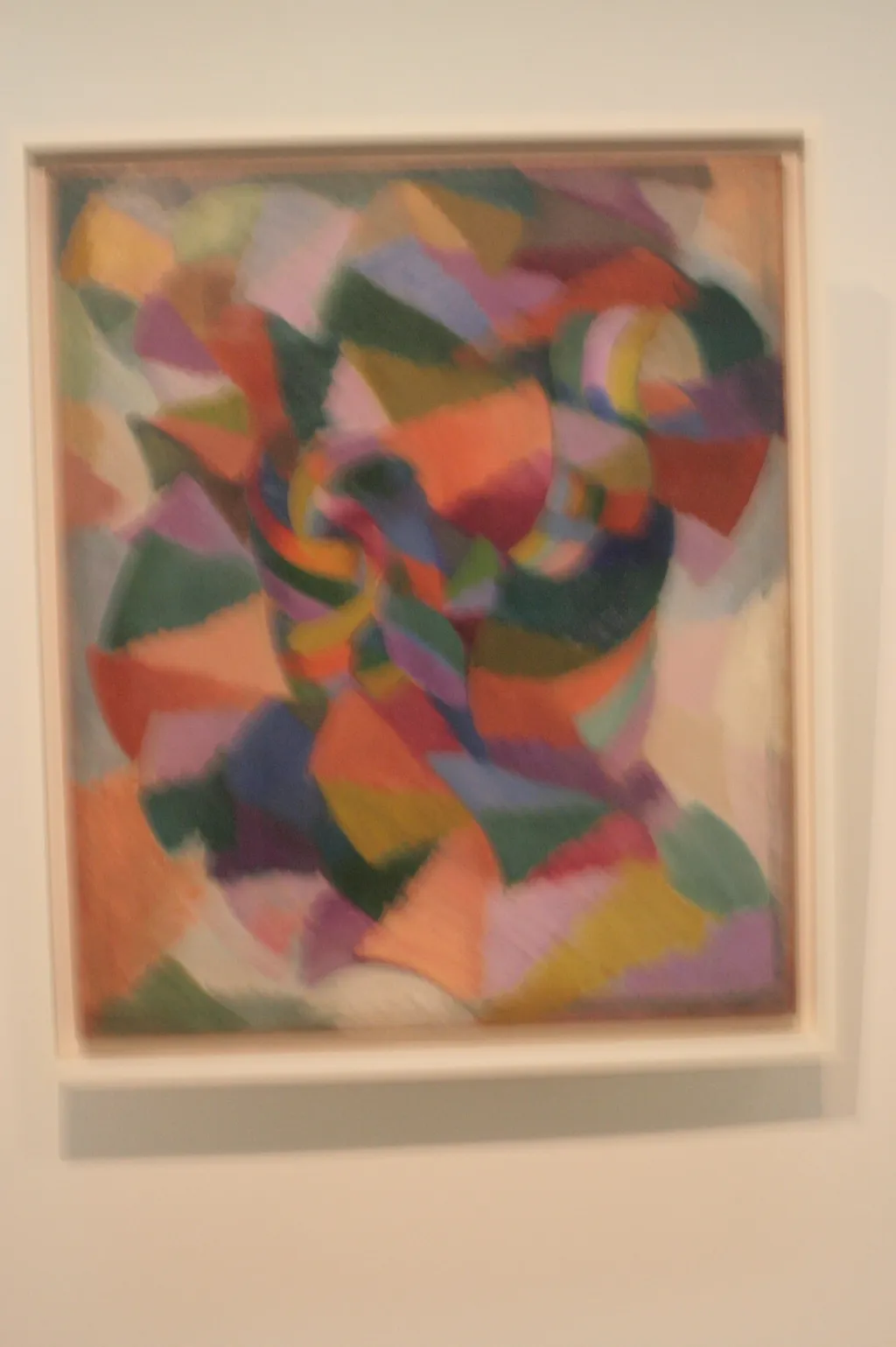
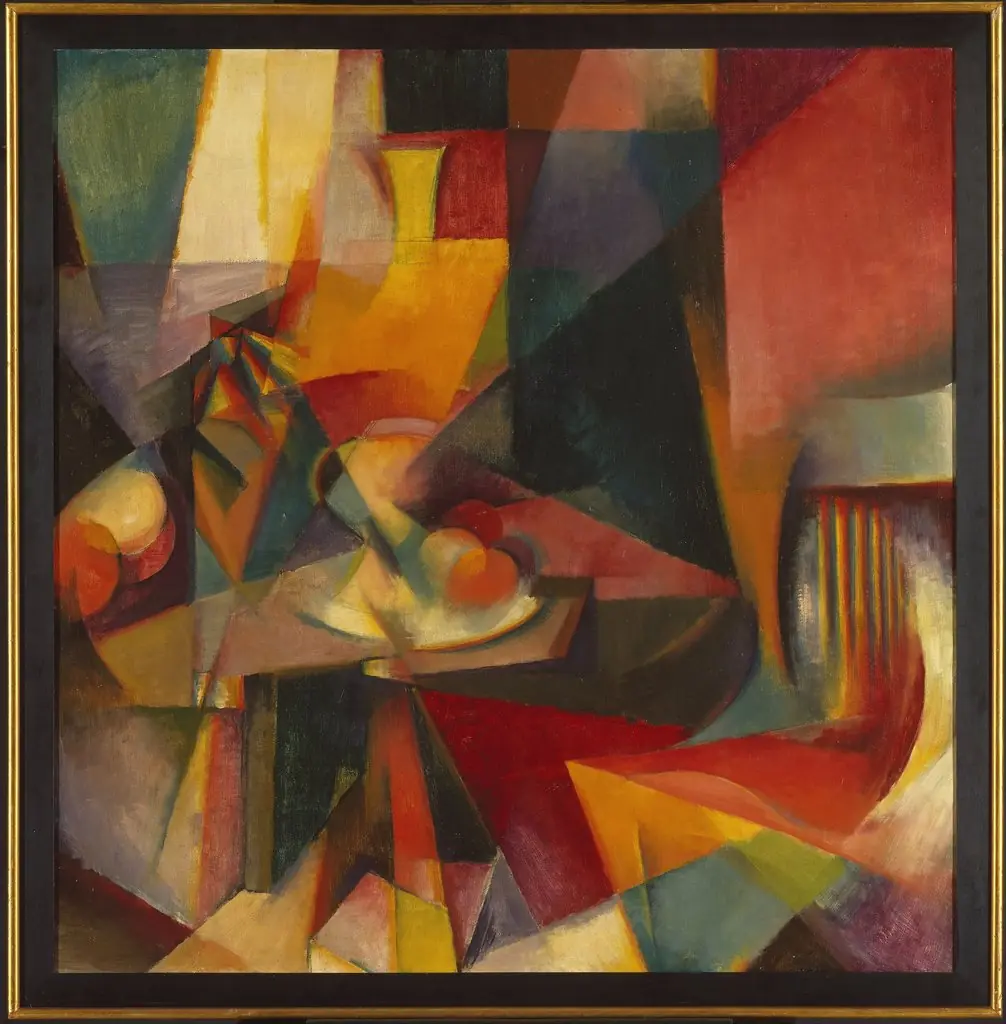
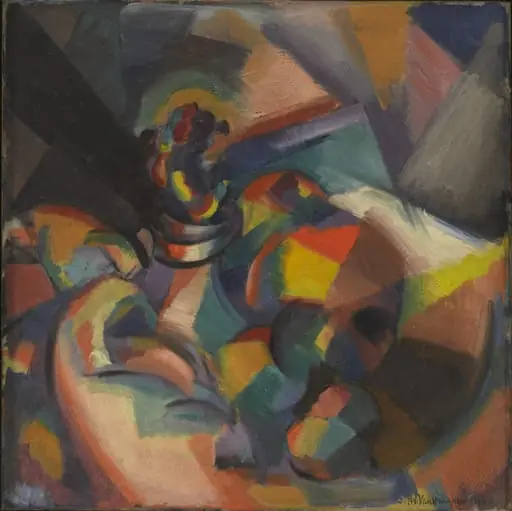
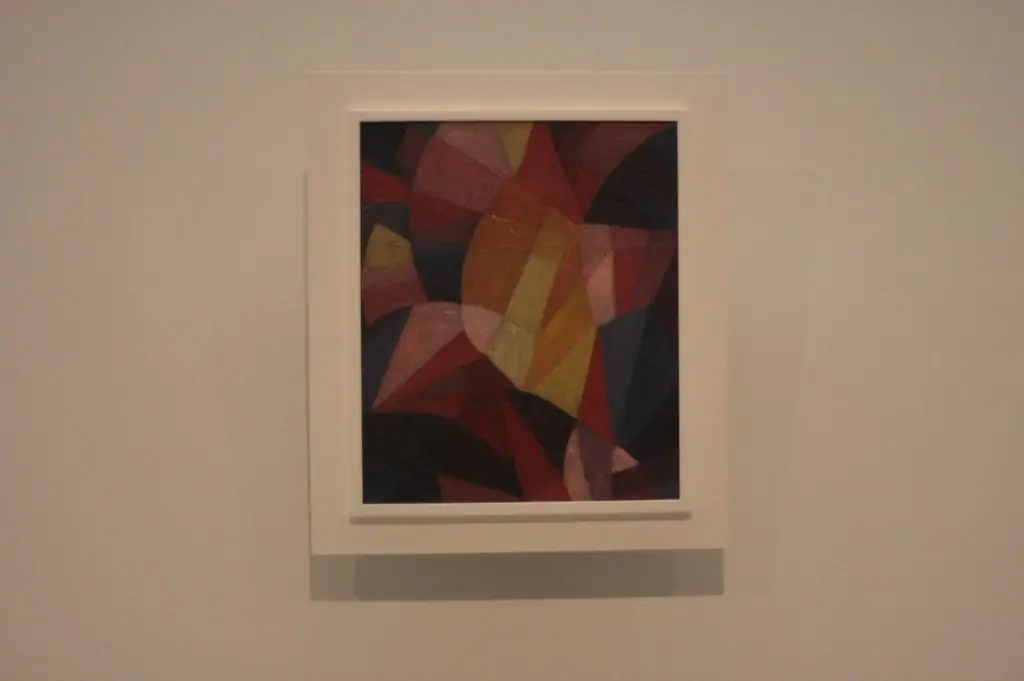
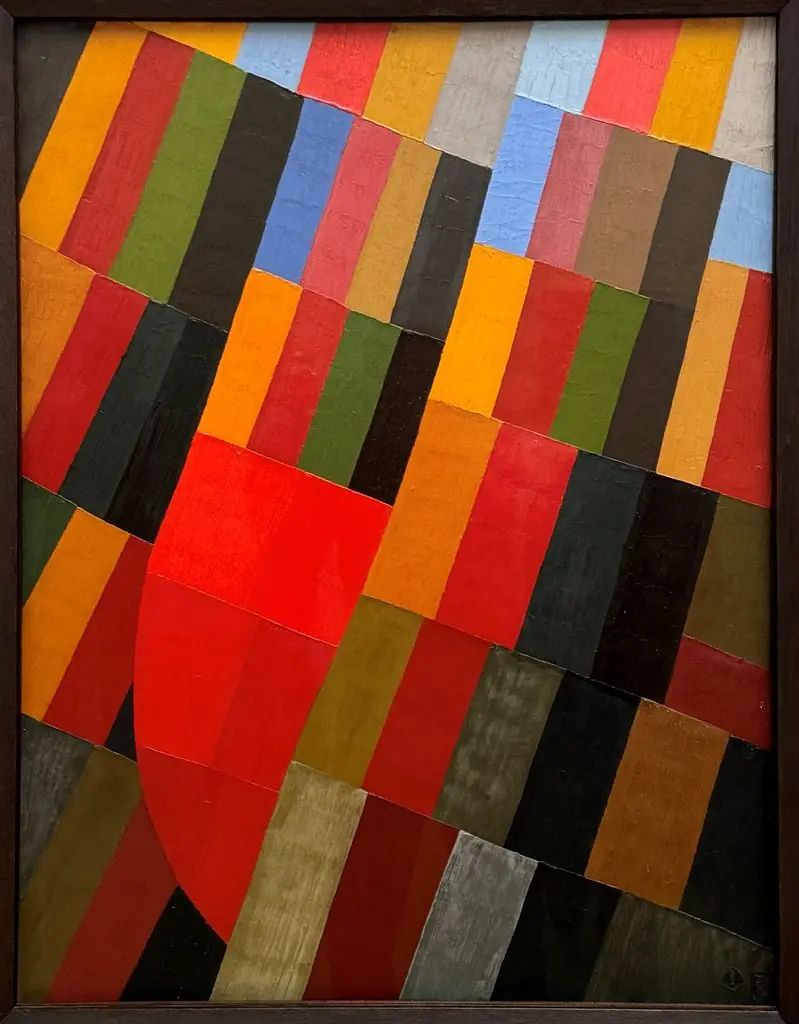
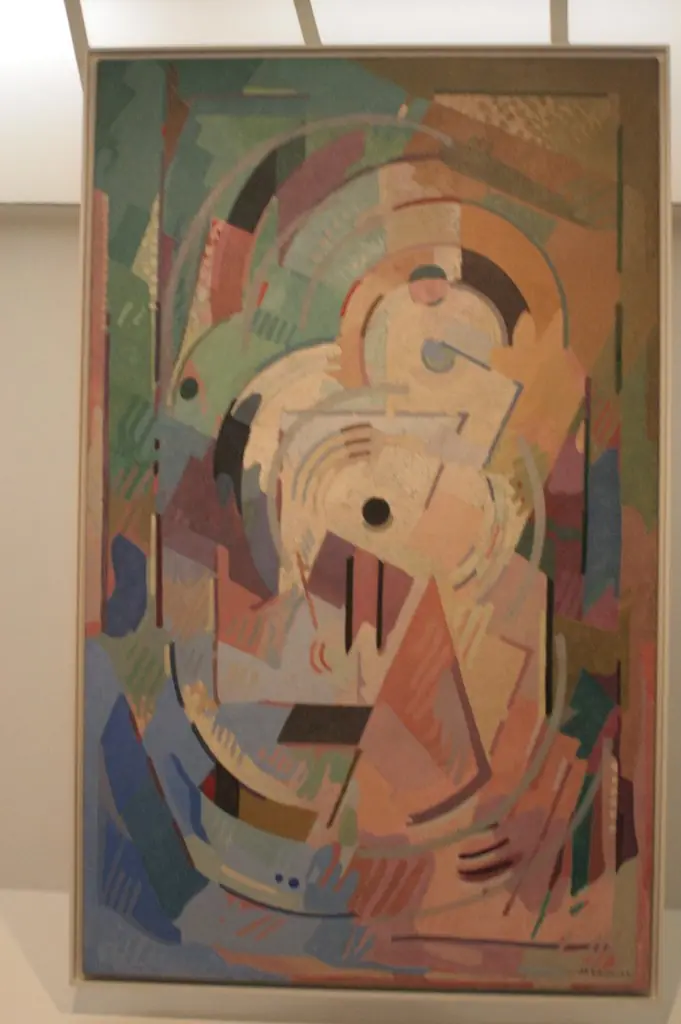
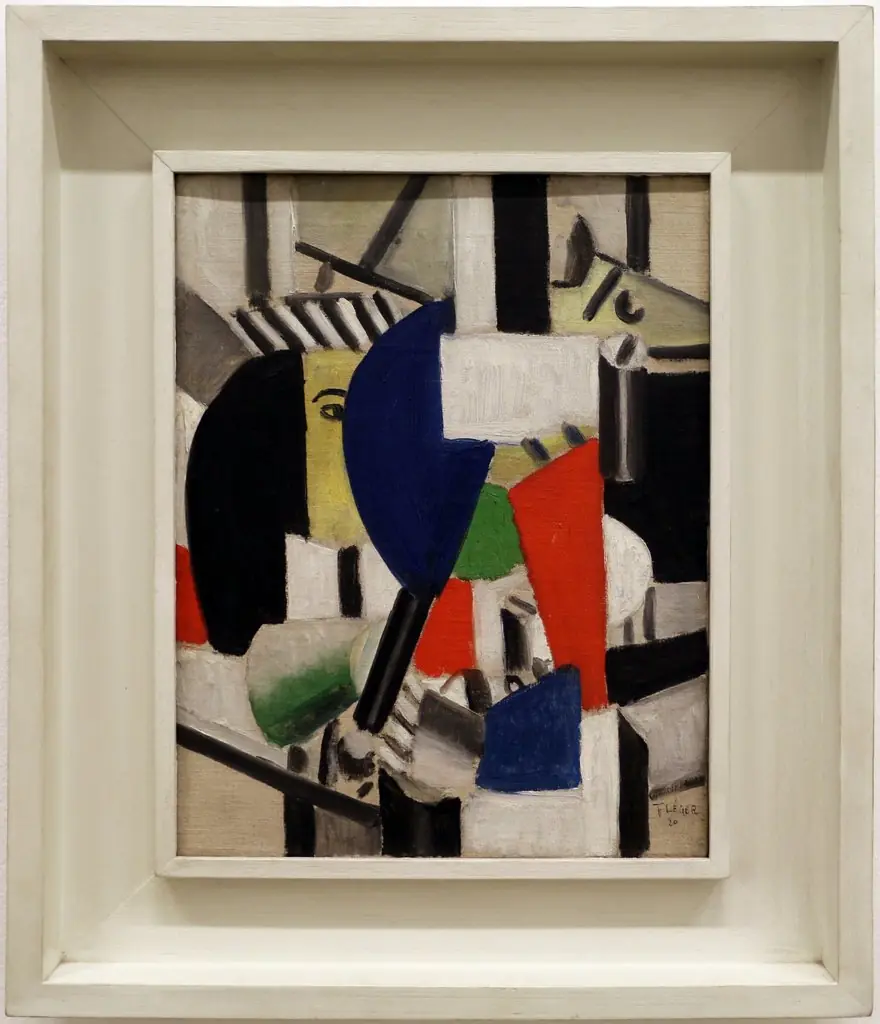
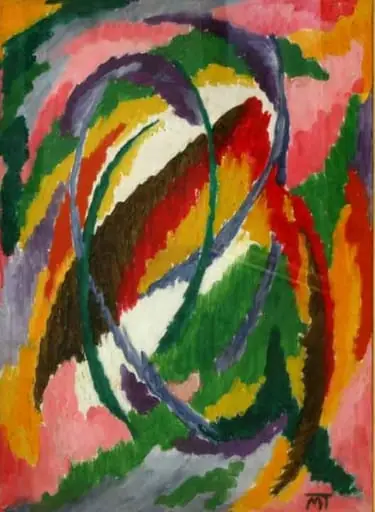
Arm Organization is an oil painting by Stanton Macdonald-Wright. It dates from 1914 and is held in the collection of the Museum of Fine Arts, Houston.
About this work
Overview
It stands as one of the earliest American contributions to European-style modernist abstraction, signaling a shift toward non-objective composition in U.
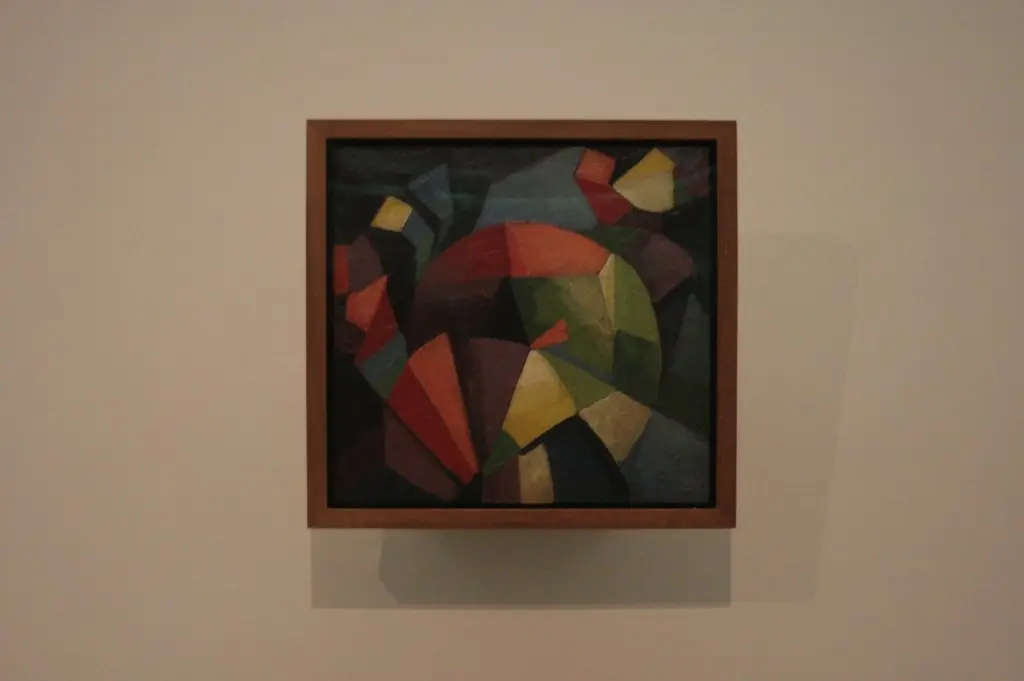
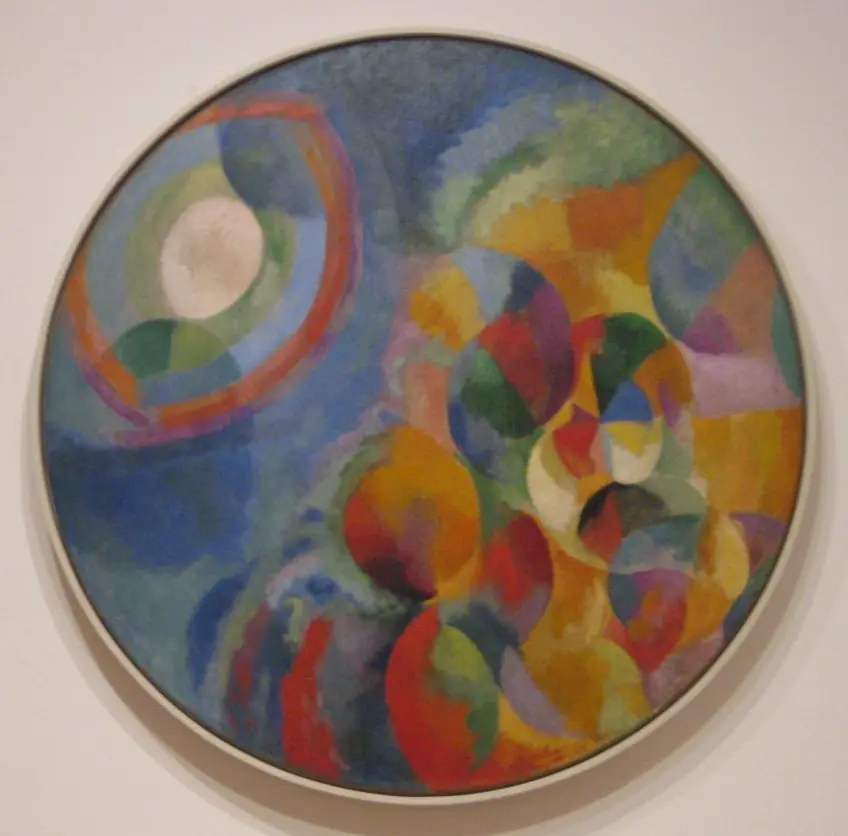
Painted in 1914 by Stanton Macdonald-Wright, *Arm Organization* is an oil-on-canvas work that exemplifies the principles of Synchromism, an abstract movement he co-developed. The painting abandons traditional representation in favor of structured color arrangements meant to evoke musical harmony. It stands as one of the earliest American contributions to European-style modernist abstraction, signaling a shift toward non-objective composition in U.S. art.
Subject & Meaning
The title suggests a structural or anatomical theme, yet the painting contains no recognizable figures or objects. Instead, it presents swirling bands and overlapping planes of pigment that imply motion and rhythm. Meaning is derived not from narrative but from the interplay of hues—red, blue, yellow, and green—arranged to create visual resonance, akin to chords in music. The work invites perception of form through color alone.
Technique & Style
Macdonald-Wright applied oil paint in layered, fluid strokes to build complex color fields. He avoided chiaroscuro and linear perspective, instead using tonal contrasts and chromatic gradients to suggest depth and movement. The composition is tightly organized, with shapes radiating from a central axis, reflecting a deliberate, almost architectural approach to abstraction. His technique prioritized sensory experience over depiction.
History & Provenance
Created during Macdonald-Wright’s time in Europe, *Arm Organization* emerged from his collaboration with Morgan Russell and their shared interest in synesthetic art. The painting was exhibited in Paris and later returned to the United States. It entered the Museum of Fine Arts, Houston’s collection in the mid-20th century, where it remains a key example of early American modernism.
Context
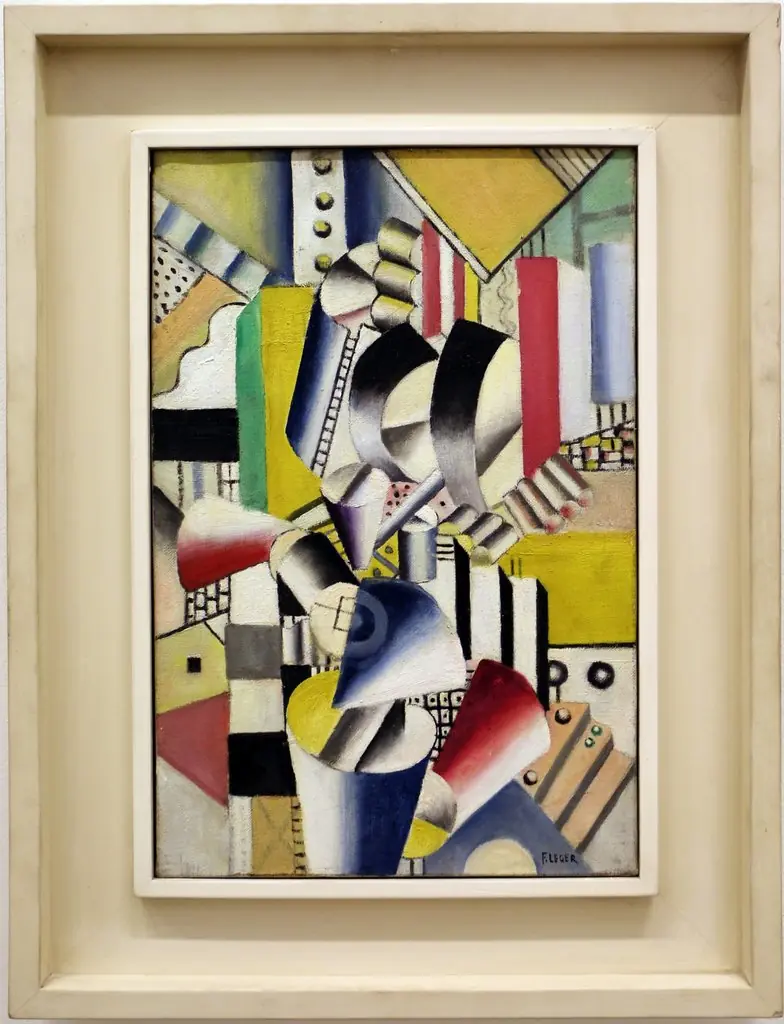
In 1914, European avant-garde movements like Cubism and Futurism were reshaping artistic norms. Macdonald-Wright responded by developing Synchromism as an American counterpart, emphasizing color over form. While influenced by European trends, Synchromism sought to establish a distinct visual language rooted in American innovation. *Arm Organization* reflects this ambition during a pivotal moment in transatlantic modernism.
Legacy
Though Synchromism remained a short-lived movement, *Arm Organization* helped establish Macdonald-Wright as a pioneer of American abstraction. The work demonstrated that non-representational art could be both structured and emotionally resonant, influencing later generations of abstract painters. Its presence in a major U.S. museum underscores its role in documenting the nation’s early engagement with modernist experimentation.
Artist & collection
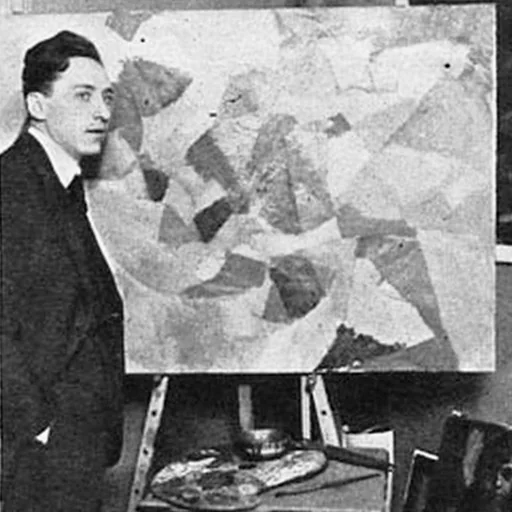
Artist
Stanton Macdonald-Wright (July 8, 1890 – August 22, 1973), was a modern American artist.