Artwork
Franz Joseph I, Emperor of Austria
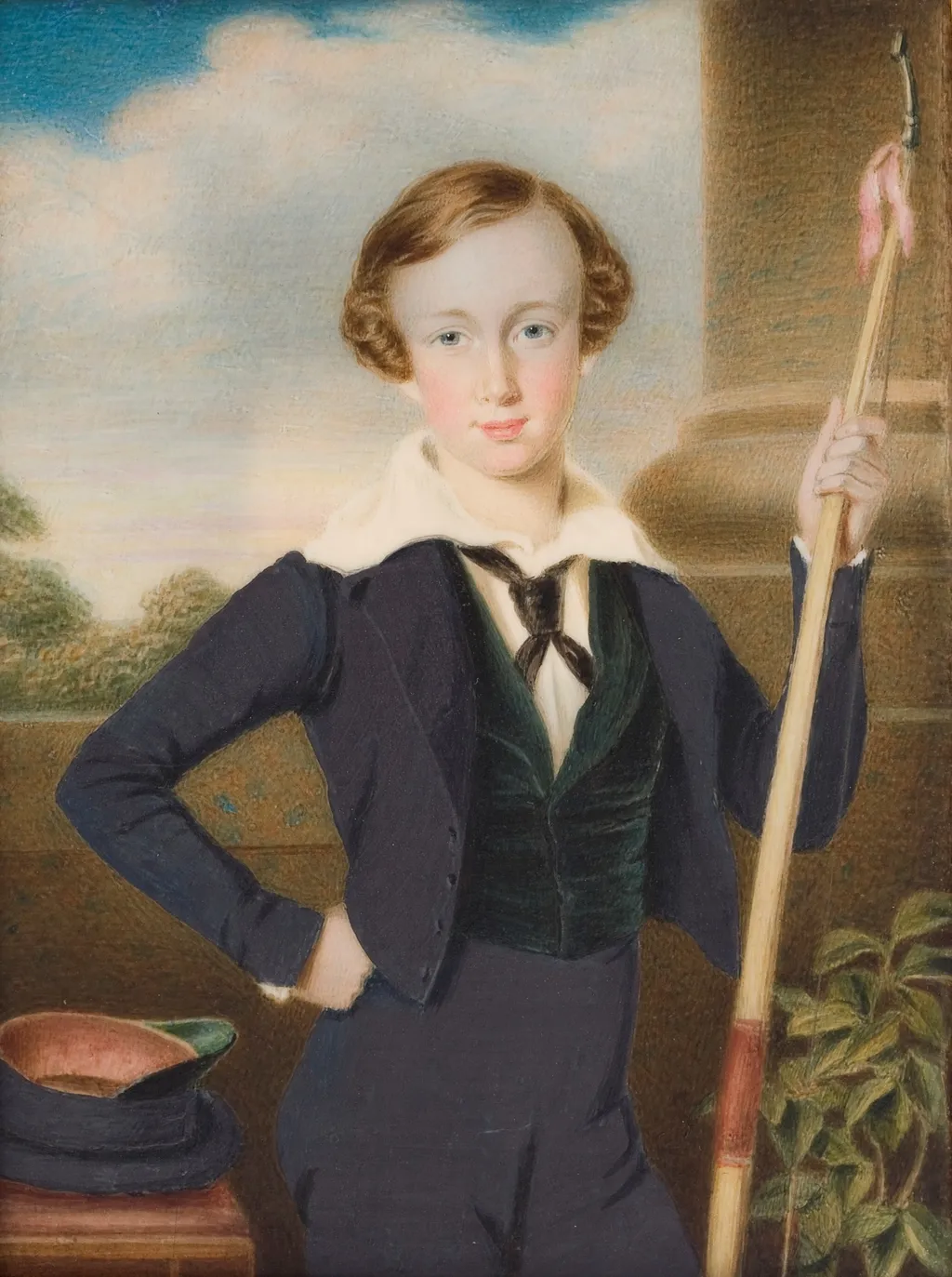
Franz Joseph I, Emperor of Austria is a gouache painting by the Biedermeier artist Moritz Michael Daffinger. It dates from 1840 and is held in the collection of the Museo del Prado.
About this work
Overview
Moritz Michael Daffinger's 1840 portrait of Franz Joseph I, Emperor of Austria, is a painting executed in ivory. The work captures the subject in his youth, conveying confidence and formality.
Subject & Meaning
The portrait depicts Franz Joseph I as a young boy, dressed in formal attire, including a dark blue suit, white collar, and black tie. His pose, with one hand on his hip and the other grasping a pole adorned with a pink ribbon, exudes youthful confidence. A hat placed on a nearby table complements the formal setting.
Technique & Style
Daffinger utilized ivory as the medium for this portrait, a choice that would have required meticulous technique due to the material's delicacy and challenges in rendering detailed, layered images. The serene landscape background, with trees set against a blue sky, contrasts with the subject's formal pose, achieving a balance between tranquility and solemnity.
History & Provenance
Created in 1840, the portrait is now part of the collection at the Museo del Prado. The subject, Franz Joseph I, would go on to rule Austria from 1848 until his death in 1916.
Context
Commissioned during a time of political stability in the Austrian Empire, the portrait reflects the traditional and formal representation of royal figures prevalent in early 19th-century European art. The choice of a youthful Franz Joseph may have been intended to symbolize the future of the monarchy.
Legacy
As a portrait of one of Austria's longest-reigning emperors in his youth, the work provides a unique glimpse into the early life of Franz Joseph I. Held at the Museo del Prado, it remains a significant piece in the museum's collection of 19th-century European portraiture.
Artist & collection

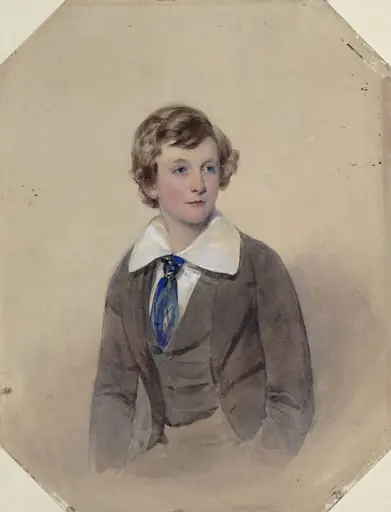 Portrait of a Boy: The Artist's Son
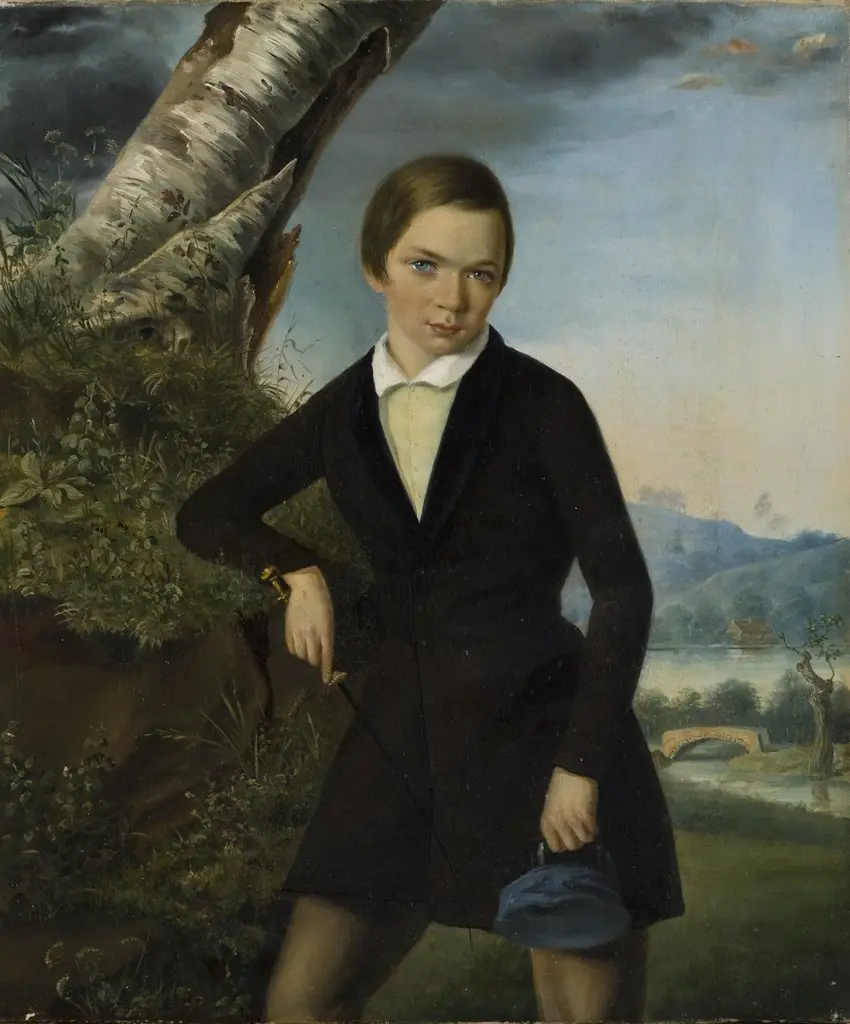 Portrait of Alexander Sokolovsky in Childhood
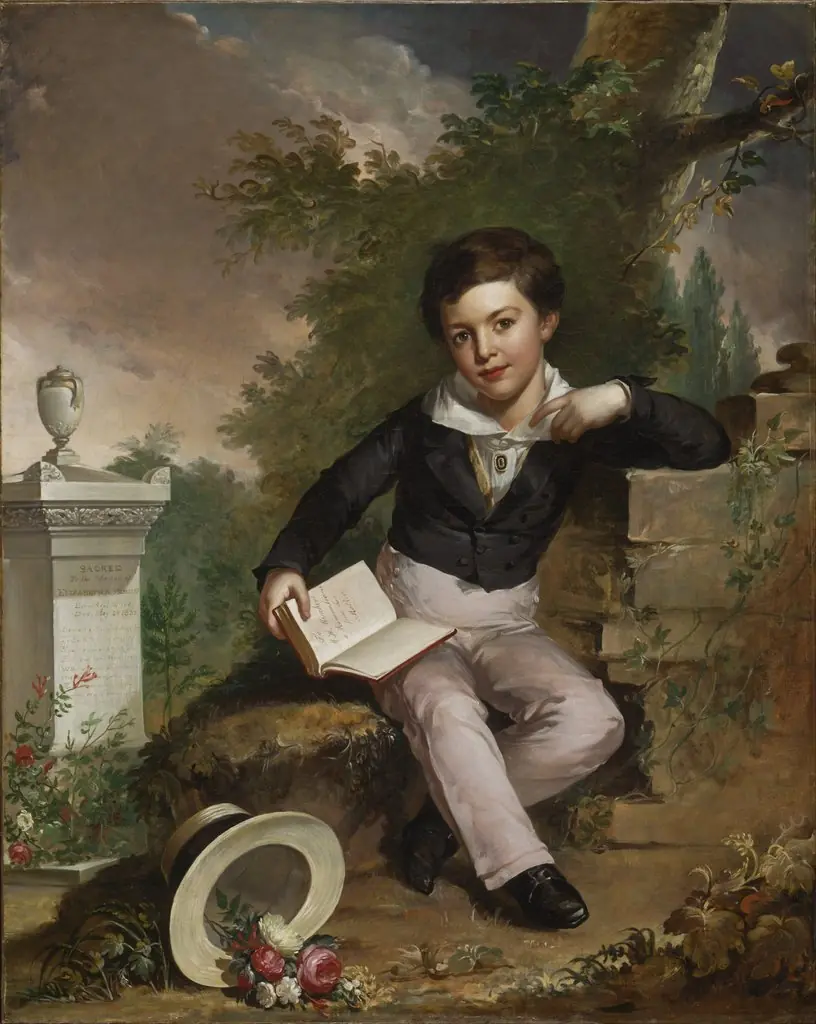 Matthew Huizinga Messchert
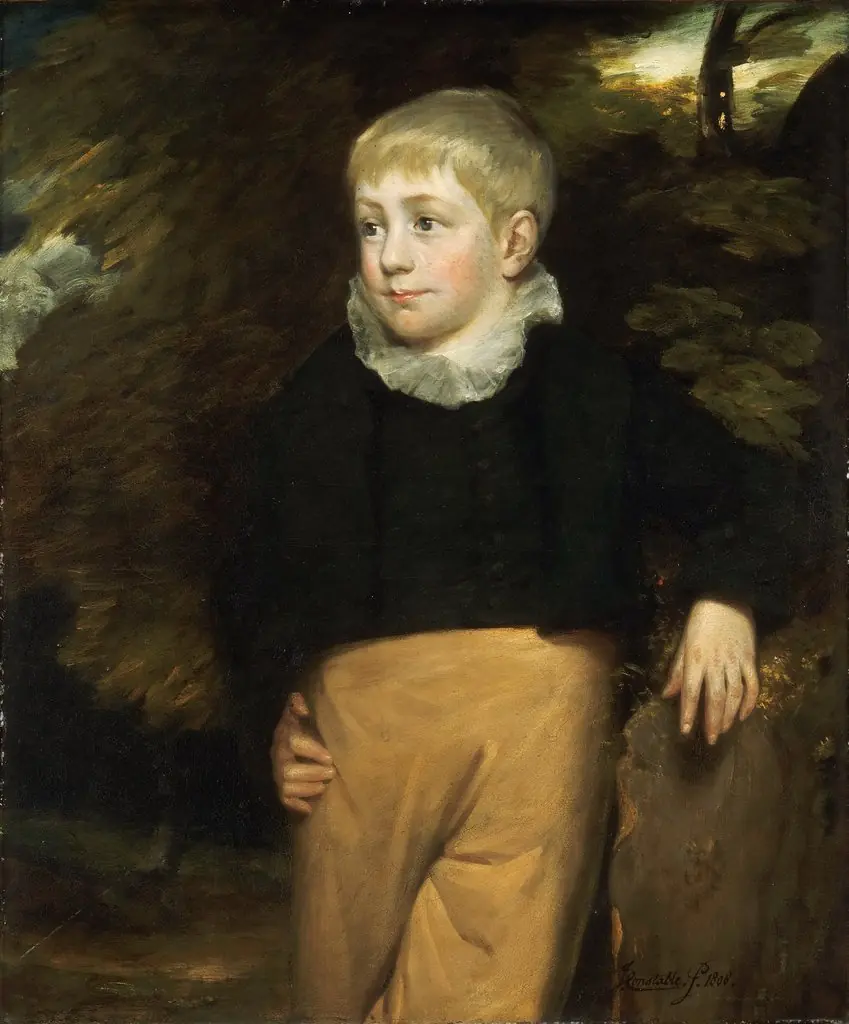 Portrait of Master Crosby
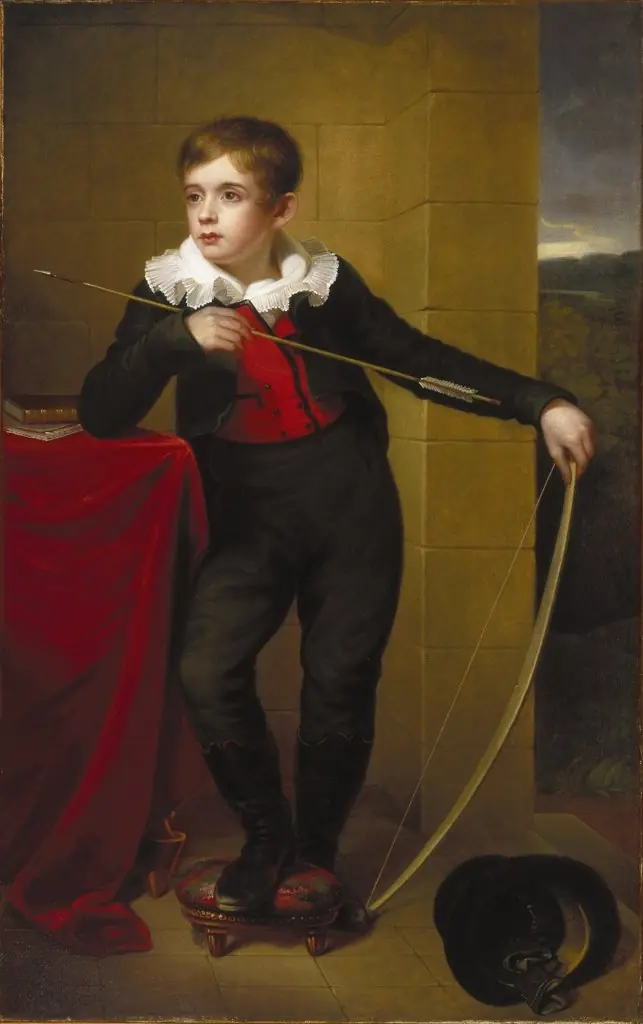 George Taylor II
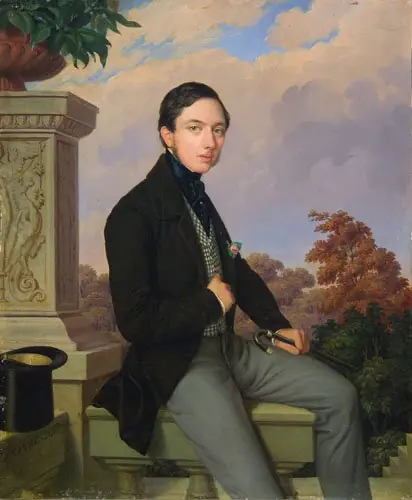 Portrait of György Lenhossék
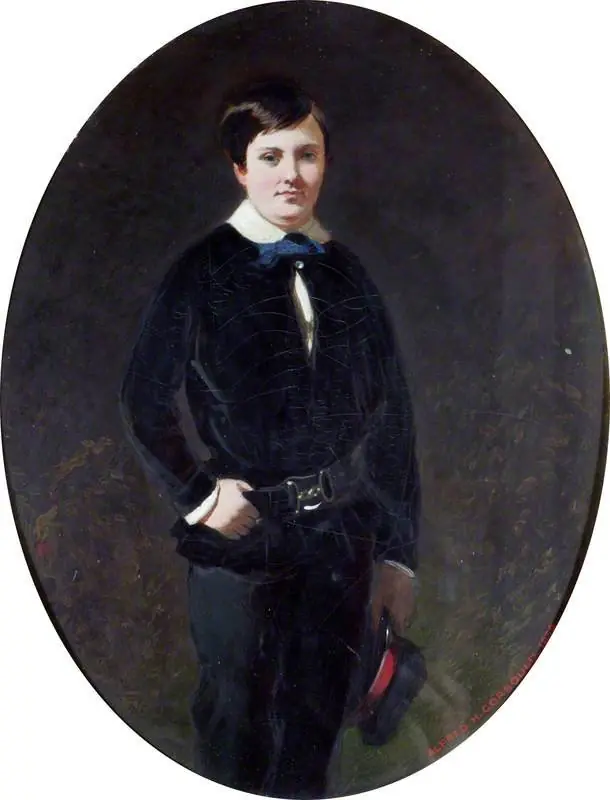 Thomas Walford Grieve, Aged 11
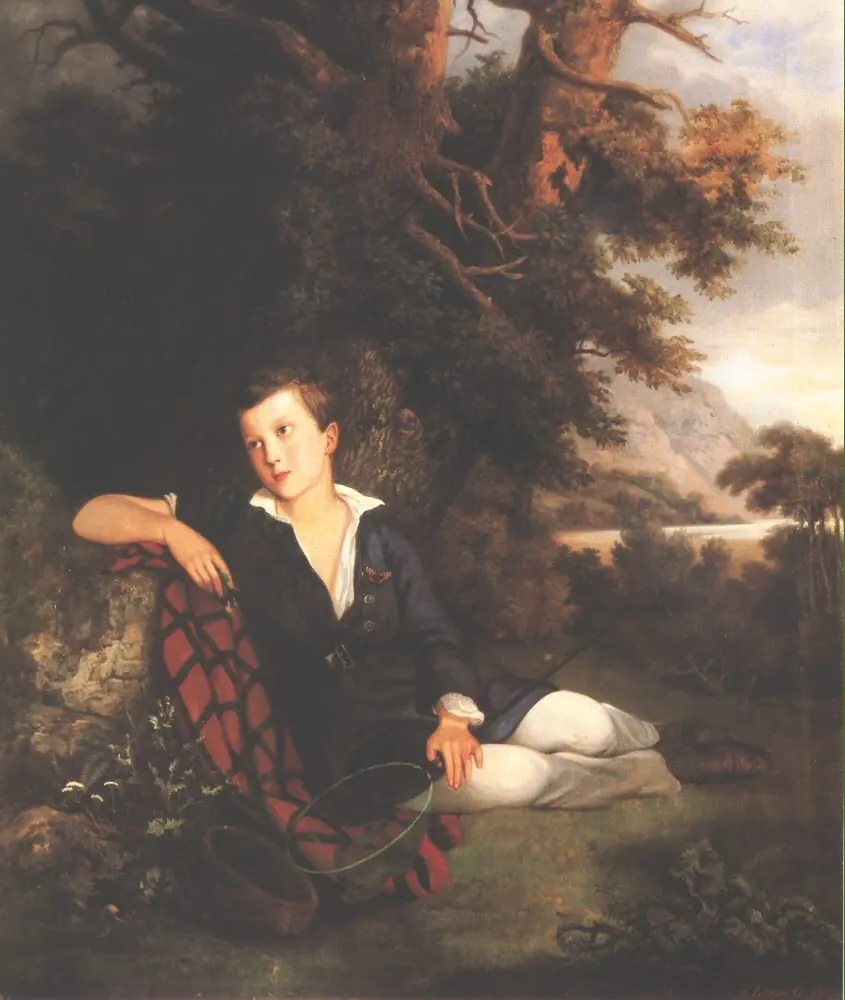 Portrait of Lóránd Eötvös as a Young Man
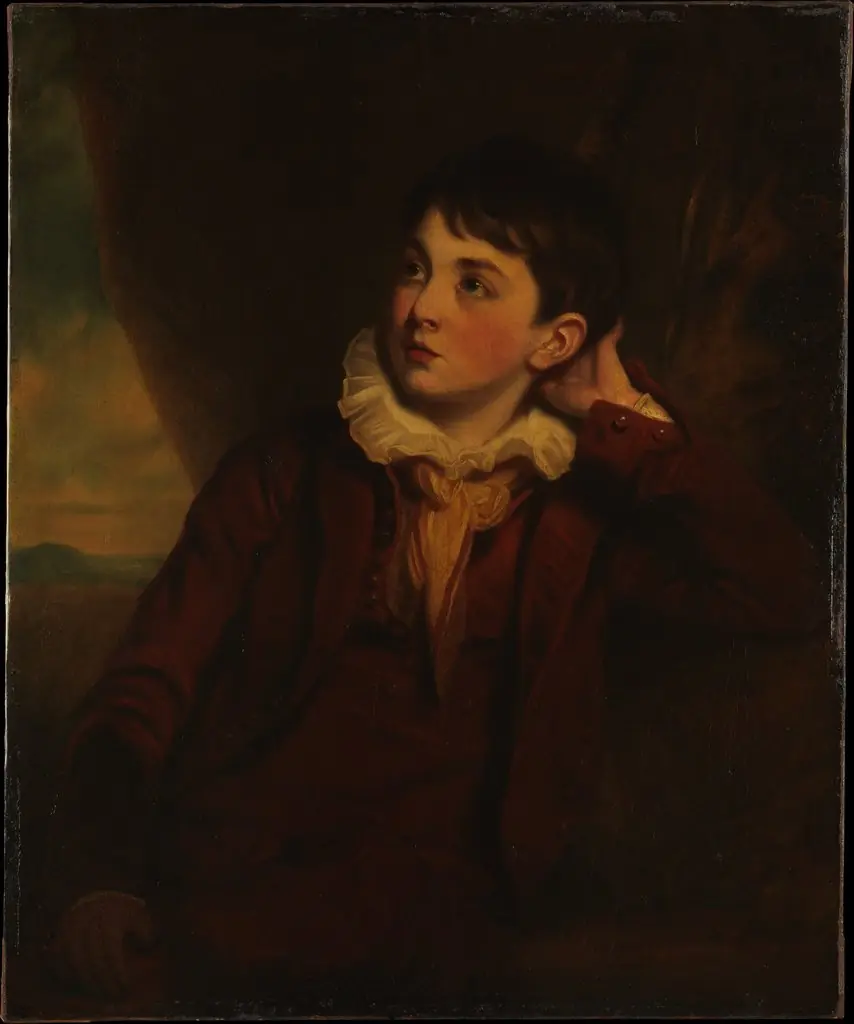 William Archer Shee (1810–1899), the Artist's Son
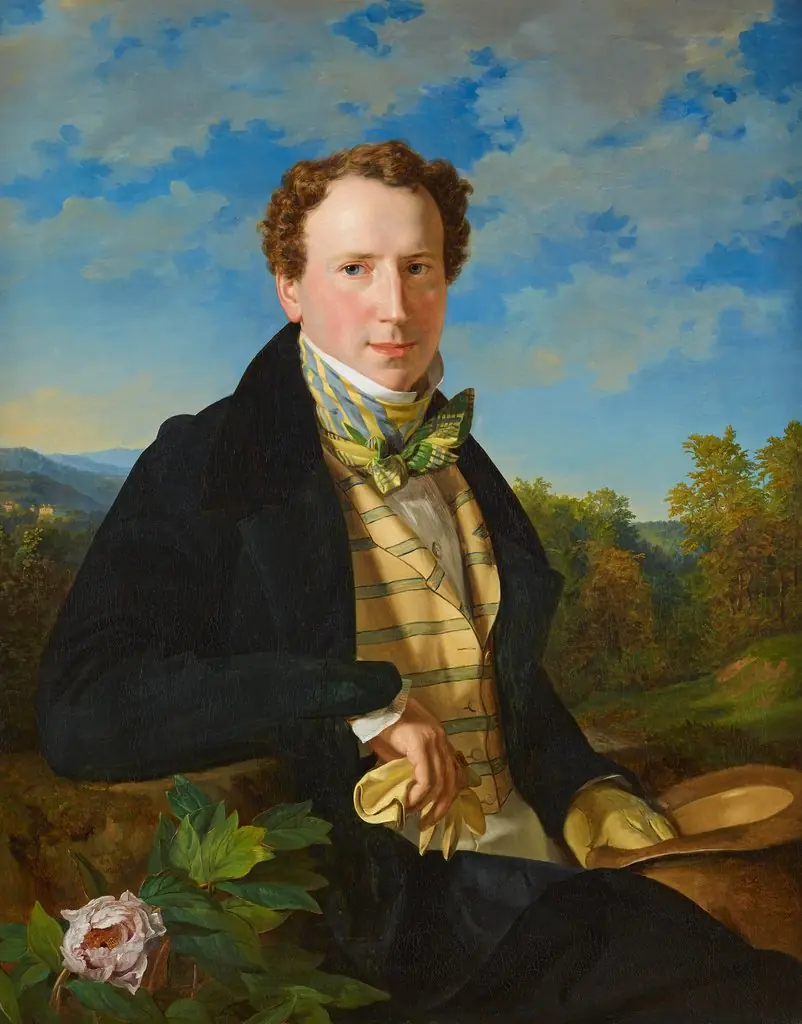 Self-portrait
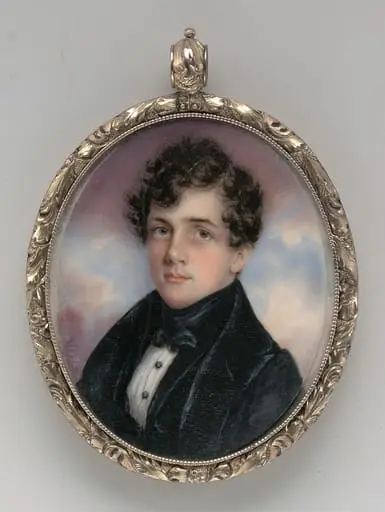 Portrait of a Gentleman