Artwork
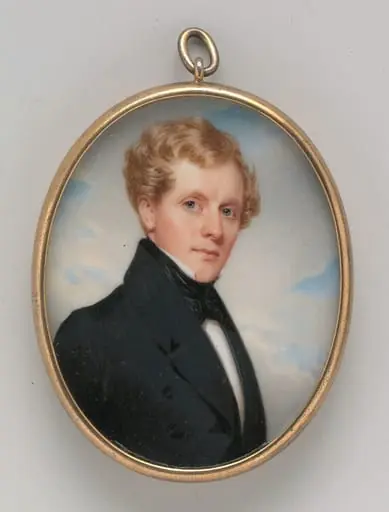
Portrait of a Boy: The Artist's Son
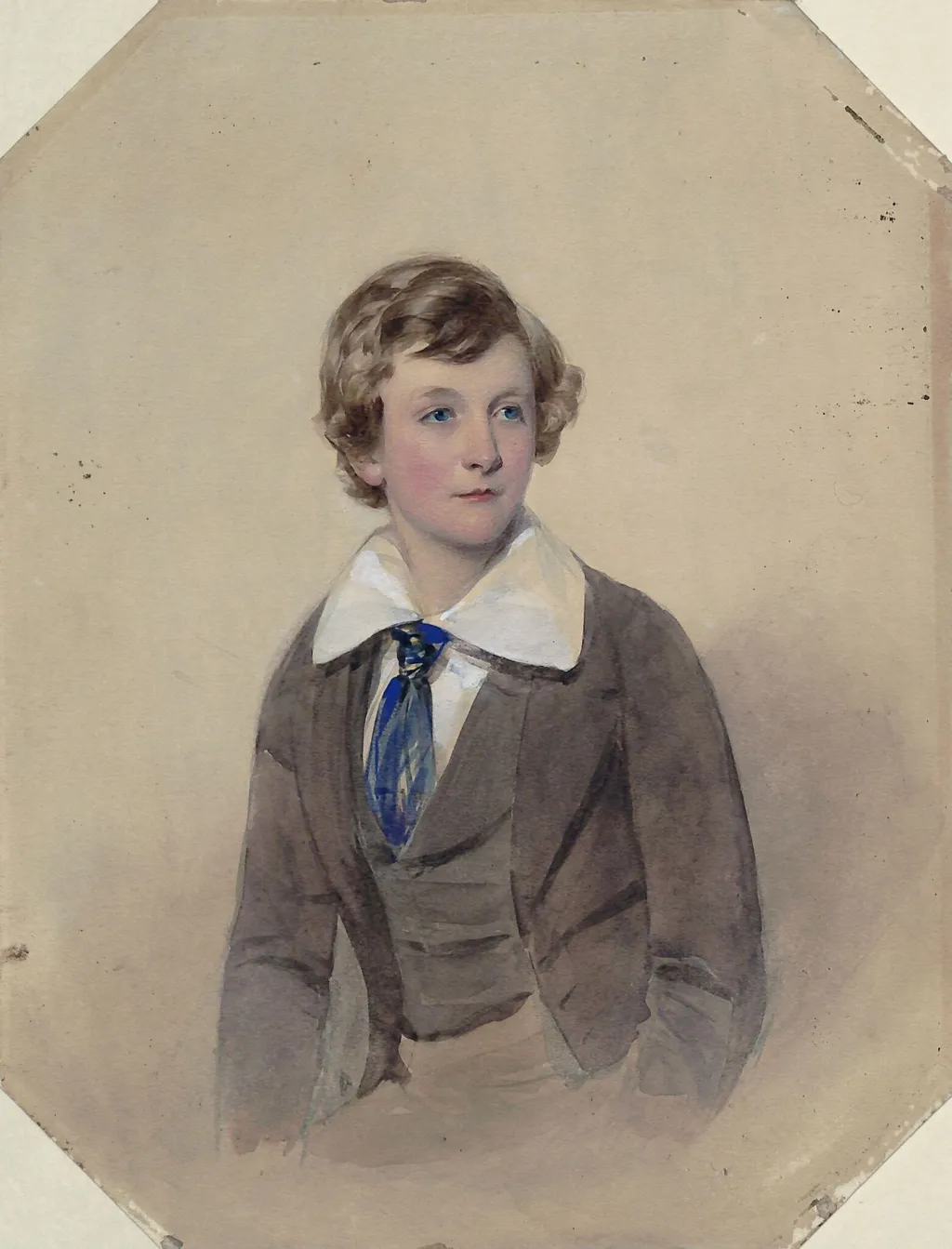
Portrait of a Boy: The Artist's Son is a watercolor work on paper by the British Romanticist artist Frederick Cruickshank. It dates from 1820 and is held in the collection of the Victoria and Albert Museum.
About this work
This watercolor painting shows a boy with light brown hair and blue eyes, wearing a dark jacket with a white collar and a blue tie.
This watercolor painting shows a boy with light brown hair and blue eyes, wearing a dark jacket with a white collar and a blue tie. He is looking straight ahead, his expression calm.
The boy's clothing and hairstyle suggest a formal portrait, possibly from the early 19th century. The artist's use of watercolor creates a soft, delicate effect.
If you're interested in learning more about this style of painting, you might want to explore the Romanticism movement.
Overview
Painted in 1820 by Frederick Cruickshank, this watercolour depicts his young son in a quiet, intimate portrait. Executed with delicate brushwork, the piece reflects the artist’s engagement with the medium’s capacity for subtlety and nuance. Unlike grand oil portraits of the era, this work captures a personal moment with restrained elegance, emphasizing the boy’s stillness and the softness of the watercolour technique.
Subject & Meaning
The subject is the artist’s son, portrayed without idealization or theatricality. His direct gaze and composed posture suggest a sense of dignity, while the formal attire—dark jacket, white collar, and blue tie—indicates the family’s social standing. The absence of background or props focuses attention on the child’s presence, transforming a domestic moment into a quiet testament to familial bond and observation.
Technique & Style
Cruickshank employed watercolour with a light touch, allowing the paper’s texture to show through and creating a luminous, airy quality. Layers of transparent washes define the boy’s features without heavy outlines, while the collar and tie are rendered with precise, controlled strokes. The technique avoids dramatic contrasts, favoring a gentle tonal range that enhances the portrait’s intimacy and sensitivity.
History & Provenance
The painting was completed in 1820 during Cruickshank’s active years as a watercolourist in Britain. It remained within the artist’s family for generations before entering public collection. Its survival as a personal work, rather than a commissioned piece, offers rare insight into the private artistic practice of a 19th-century amateur-turned-professional watercolourist.
Context
In early 19th-century Britain, watercolour was increasingly valued for domestic and topographical subjects, often associated with the middle class and amateur artists. While Romanticism emphasized emotion and nature, this portrait aligns more with the quiet realism of private portraiture. Cruickshank’s work reflects a broader trend of artists using watercolour to capture intimate, everyday moments beyond grand historical themes.
Legacy
Though not widely exhibited in his time, Cruickshank’s portrait stands as an example of how watercolour could convey psychological depth without grandeur. It contributes to the understanding of non-official portraiture in the period, illustrating how personal expression flourished in mediums considered secondary to oil. The work remains a quiet but significant record of familial representation in early Victorian art.
Artist & collection

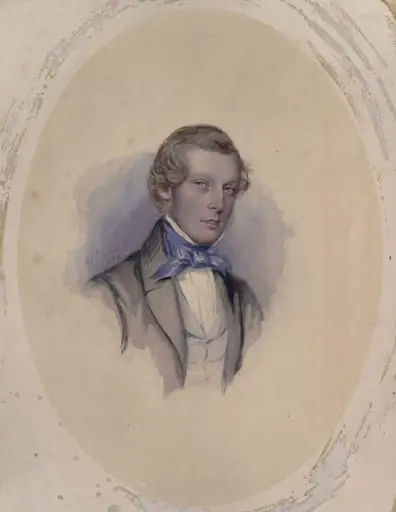 Henry Thornely
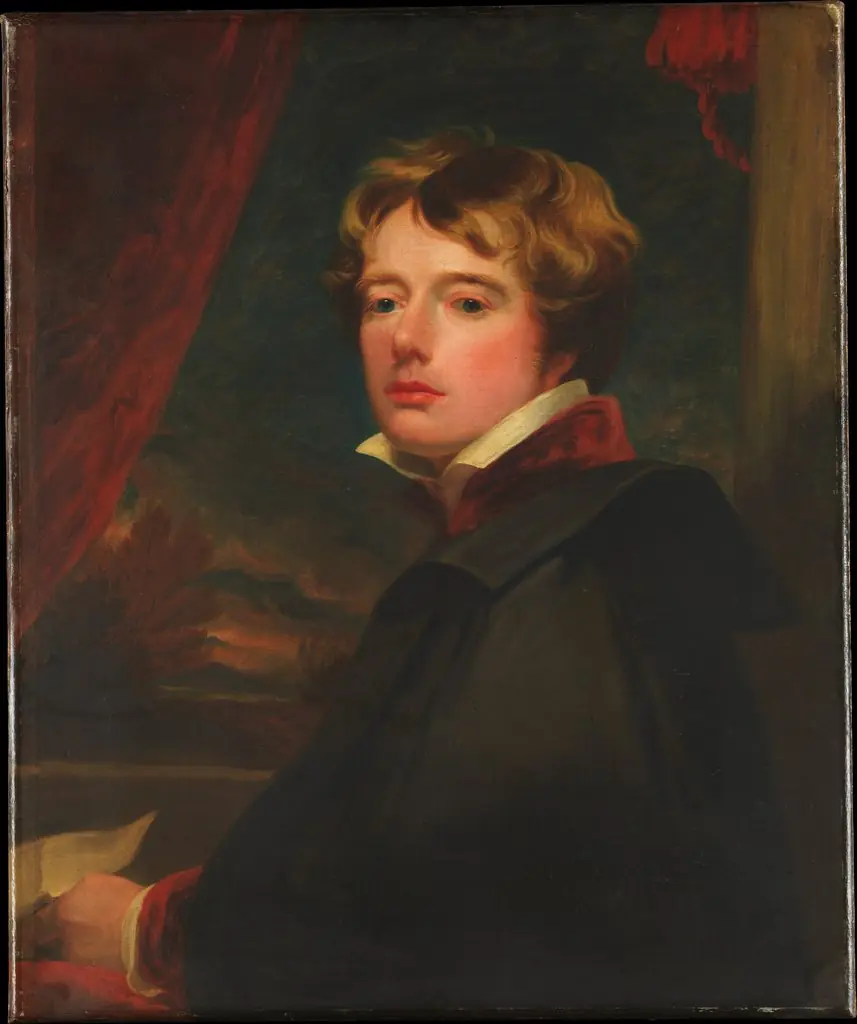 Self-Portrait
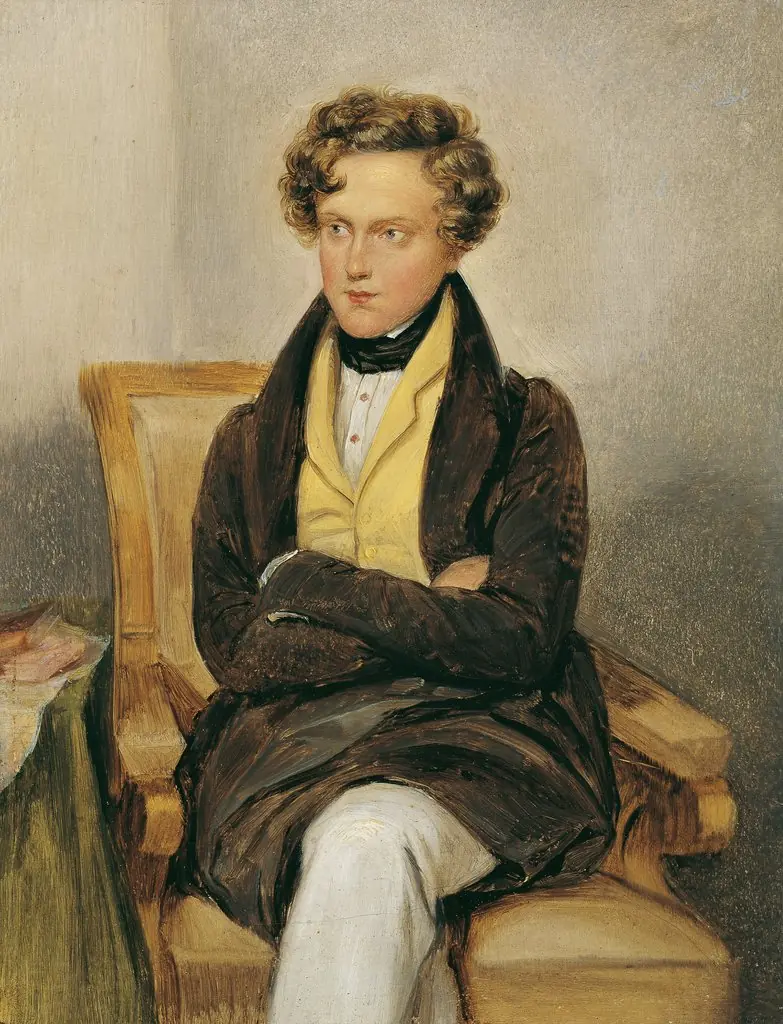 The Duke of Reichstadt
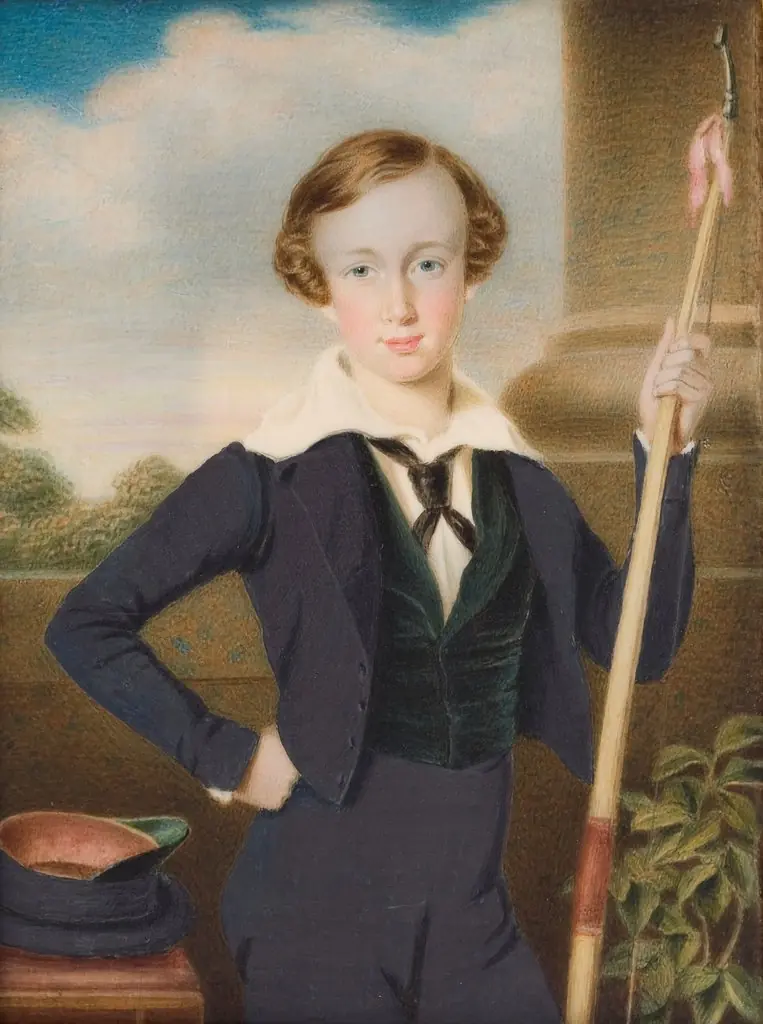 Franz Joseph I, Emperor of Austria
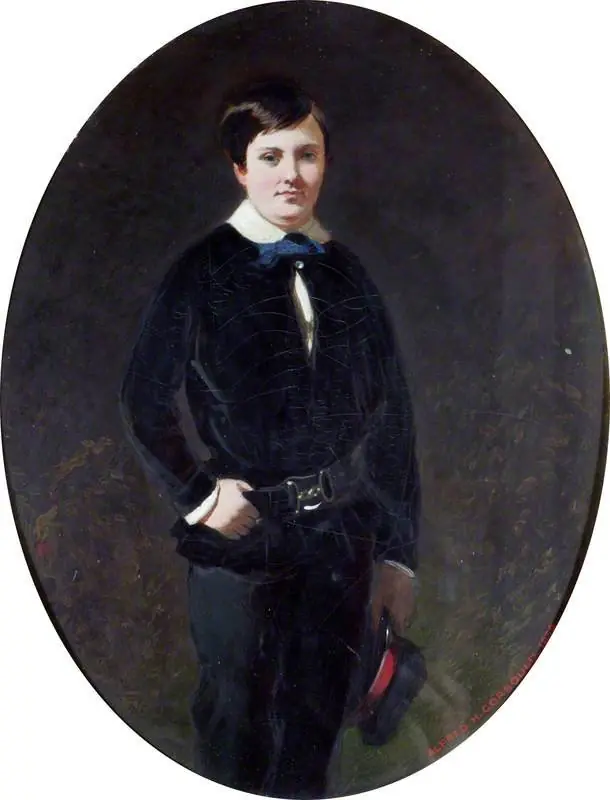 Thomas Walford Grieve, Aged 11
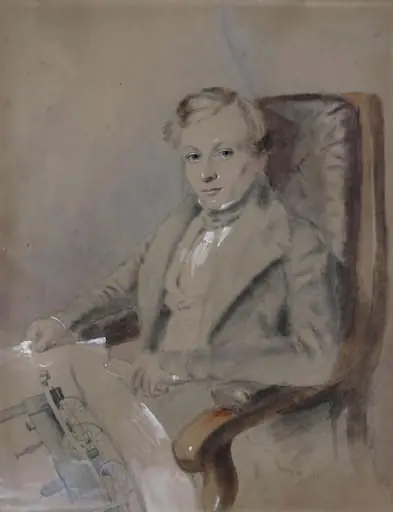 Portrait of Robert Stephenson (1803-1859)
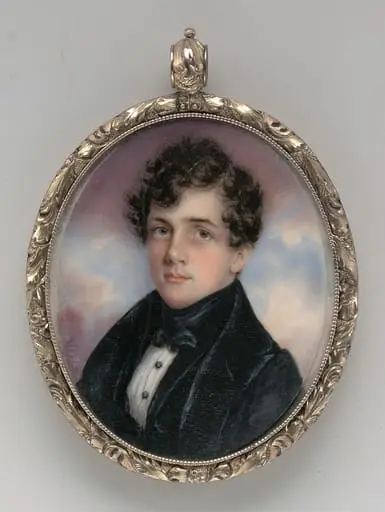 Portrait of a Gentleman
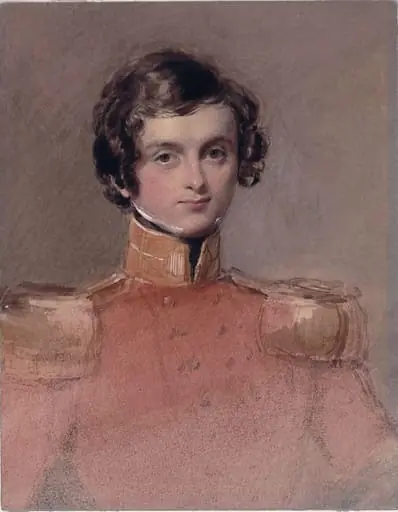 An officer in military uniform
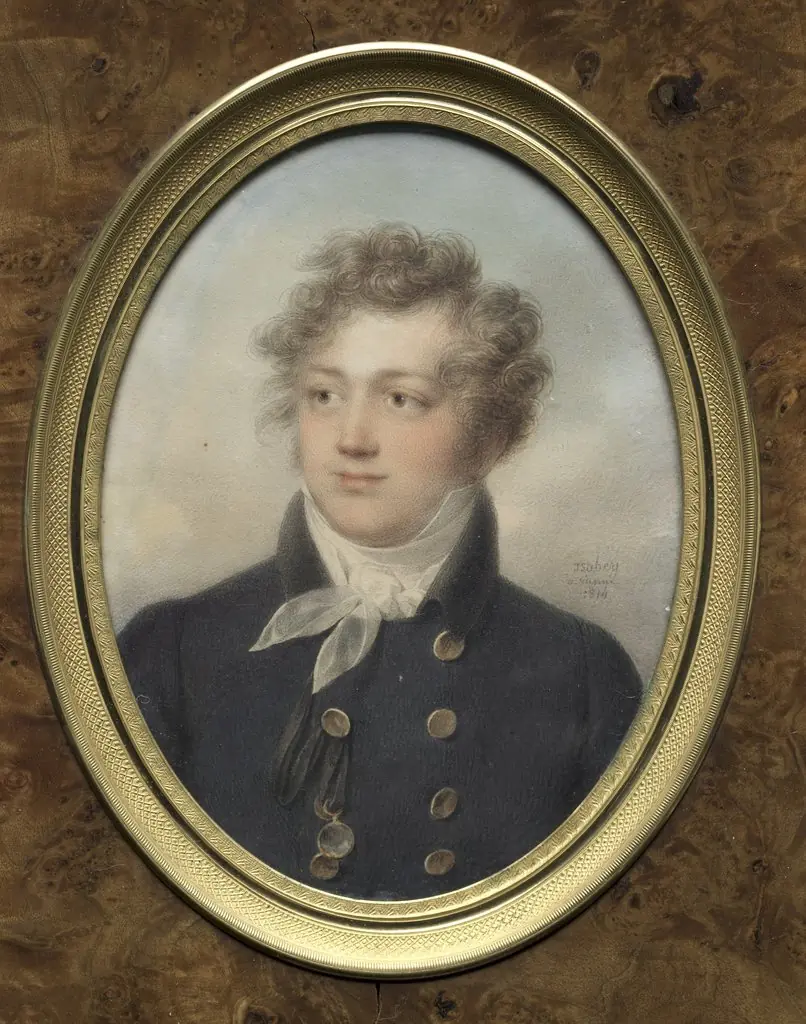 Portrait of a Man, possibly Alexander I, Emperor of Russia
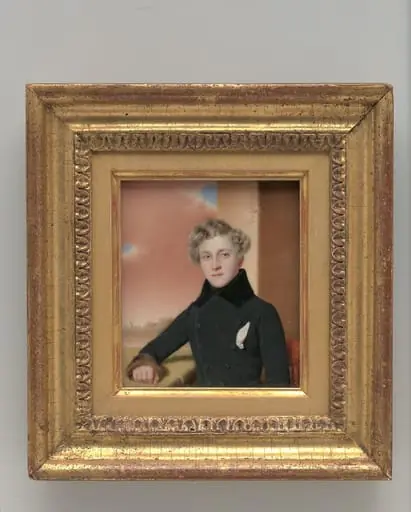 Edward S. Dodge
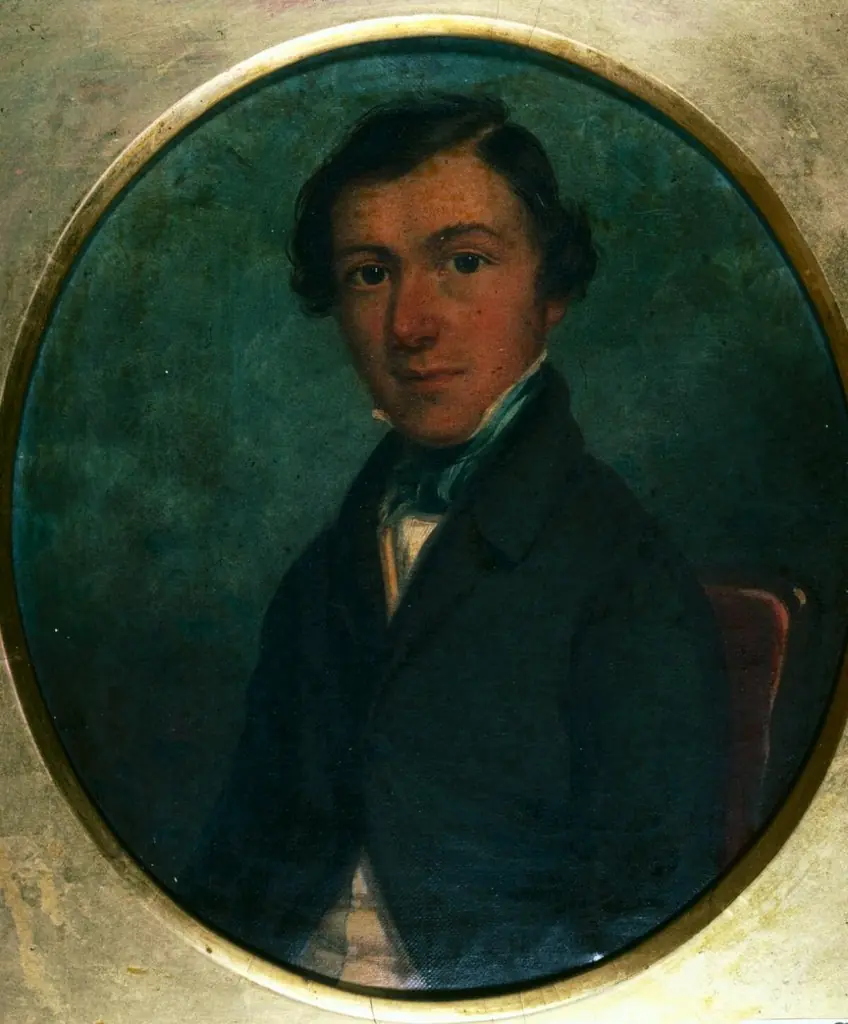 William Thomas (1825-1862)
 Portrait of a Gentleman